


Niagara Falls sits at the intersection of extreme weather and old infrastructure. Winter freeze-thaw cycles crack foundation walls and burst pipes throughout North End and LaSalle neighborhoods. Spring snowmelt overwhelms basement sump pumps from DeVeaux to the Whirlpool Street corridor. Summer thunderstorms dump inches of rain in hours, flooding crawl spaces in homes near Cayuga Drive and beyond.
The proximity to the Niagara River creates elevated humidity year-round. Basements in older homes near Hyde Park Boulevard and throughout the downtown historic district stay damp even without active leaks. This constant moisture feeds mold growth behind walls and under flooring.
Many Niagara Falls properties were built before modern waterproofing standards. Foundation drainage systems fail. Gutters dump water against foundations. Sewer backups from the city's combined stormwater system flood basements during heavy rains. The Lake Ontario snowbelt delivers nor'easters that pile snow against homes, melting into wall cavities when temperatures swing.
Water damage in Niagara Falls is not if, it's when. Properties near Pine Avenue and throughout the East Side see recurring basement flooding. Homes near Niagara Falls Boulevard deal with roof leaks from ice dams. Every neighborhood faces unique risks, but all require fast water removal and professional drying to prevent permanent structural damage and toxic mold contamination.
Alpha Water Damage Restoration Buffalo operates from our Buffalo headquarters, serving Niagara Falls with the same rapid response protocols we use for our home city. We dispatch crews to Niagara Falls addresses within 60 minutes because we know water damage doubles in severity every hour you wait. Our technicians carry industrial extraction pumps, commercial dehumidifiers, thermal imaging cameras, and moisture meters on every truck. No waiting for equipment. No delays while damage spreads.
We staff certified water restoration technicians, not general handymen. Our crews hold IICRC Water Damage Restoration certifications and complete ongoing training in structural drying science, mold remediation protocols, and insurance documentation requirements. When we arrive at your Niagara Falls property, we assess damage using calibrated moisture detection equipment, photograph every affected area for your insurance claim, and begin water extraction immediately.
Insurance companies complicate everything during a crisis. We handle the paperwork. Our team documents damage with detailed reports, moisture readings, and photographic evidence that insurance adjusters require. We provide emergency mitigation estimates within hours and bill your insurance company directly in most cases. You sign one authorization form and we manage the claims process while you handle your family.
Niagara Falls properties require specific knowledge. We understand how Lake Erie weather patterns affect drying times. We know which local basement designs trap moisture and which foundation types crack under freeze-thaw stress. Our crews have dried hundreds of Niagara County homes and know the difference between surface water and rising groundwater, between roof leaks and ice dam infiltration, between clean water and sewage contamination. That expertise saves you money and protects your home's structural integrity.

Our crews leave for your Niagara Falls property within 60 minutes of your call, 24 hours a day. We arrive with truck-mounted extraction equipment, commercial air movers, and industrial dehumidifiers ready to stop water damage immediately. No appointments. No waiting until morning. No damage spreading while you wait for help.

Every technician who enters your home holds current IICRC Water Damage Restoration certification. They follow Institute of Inspection Cleaning and Restoration Certification standards for moisture detection, structural drying, and mold prevention. Insurance companies recognize IICRC protocols, which means faster claim approval and fewer disputes over our work.
We work with every major insurance carrier serving Niagara Falls. Our team documents damage with the detailed moisture readings, thermal images, and loss descriptions insurance adjusters require. We provide emergency mitigation estimates within hours and bill your carrier directly in most cases. You focus on your family while we handle the paperwork.
We understand Lake Erie weather, Niagara County soil conditions, and how freeze-thaw cycles damage local foundations. Our crews have restored hundreds of Western New York homes and know the structural challenges specific to this region. That local knowledge means faster diagnosis, better drying strategies, and lower costs for your property.
Alpha Water Damage Restoration Buffalo provides complete water damage remediation for Niagara Falls homes and businesses. Our services cover every phase from initial emergency response through final restoration and reconstruction. We handle clean water from broken pipes, gray water from appliance failures, and black water from sewage backups. Our crews extract standing water, dry structural materials, remove damaged contents, treat for mold prevention, and rebuild affected areas.
Water damage restoration requires specialized equipment and training. We use truck-mounted extraction pumps that remove thousands of gallons per hour. Commercial dehumidifiers pull moisture from air and materials. Air movers create airflow patterns that accelerate evaporation. Thermal imaging cameras detect hidden moisture inside walls and ceilings. Moisture meters track drying progress in wood framing and concrete.
Our technicians document every step for insurance claims. We photograph damage before extraction, record moisture readings throughout the drying process, and provide detailed reports showing how we returned your property to pre-loss condition. This documentation protects you during the claims process and proves we followed industry standards.
Niagara Falls properties face different water damage scenarios based on age, location, and construction type. Homes near the river need flood remediation services. Older properties downtown require careful handling of plaster walls and hardwood floors. Modern homes need fast response to prevent mold in finished basements. We adjust our approach based on your specific situation and property characteristics.
Our emergency response teams arrive with truck-mounted extraction equipment capable of removing thousands of gallons from flooded basements, crawl spaces, and living areas. We extract standing water, remove soaked contents, pull wet carpeting and padding, and begin structural drying immediately. Fast extraction stops damage from spreading to unaffected areas and prevents mold growth. We respond to burst pipes, sewer backups, appliance failures, roof leaks, and flooding 24 hours a day. Your call triggers immediate dispatch to your Niagara Falls property.
Water hides inside walls, under flooring, and within structural cavities. Our certified technicians use thermal imaging to find hidden moisture, then deploy commercial dehumidifiers and air movers to dry affected materials. We monitor drying progress with calibrated moisture meters and adjust equipment placement based on readings. Proper structural drying prevents mold growth, wood rot, and material deterioration. Most properties dry completely within three to five days when we maintain controlled conditions and follow IICRC drying protocols. We document moisture levels daily for your insurance claim.
Mold grows within 48 hours of water exposure. Our teams apply EPA-registered antimicrobial treatments to affected surfaces during the drying process. If mold is already present, we contain the affected area, remove contaminated materials, treat surfaces with fungicides, and clean the air with HEPA filtration. Niagara Falls' high humidity creates perfect conditions for mold growth. Our prevention protocols stop contamination before it starts. When we handle water damage immediately and dry structures completely, mold never gets a chance to colonize your home.
Niagara Falls properties suffer water damage from predictable seasonal patterns and aging infrastructure. Winter brings frozen pipes and ice dams. Spring delivers rapid snowmelt that overwhelms basement drainage. Summer thunderstorms dump inches of rain faster than sump pumps can handle. Fall brings the first freeze-thaw cycles that crack foundation walls.
The city's housing stock includes thousands of homes built before 1970. These older properties lack modern waterproofing, have deteriorating sewer laterals, and feature basement floors without proper vapor barriers. Foundation drainage tiles clog with sediment. Sump pumps fail during power outages. Window wells fill with water and leak into basements.
Newer construction faces different challenges. Finished basements with carpet and drywall suffer severe damage when water enters. Modern HVAC systems and water heaters installed in basements create catastrophic flooding when they fail. Homeowners insurance covers sudden failures but disputes over maintenance-related damage complicate claims.
Location within Niagara Falls affects water damage risk. Properties near the Niagara River face flood zone requirements and elevated groundwater. Homes on the East Side deal with poor soil drainage. North End properties near Lewiston Road see ice dam problems from heavy snow accumulation. Understanding these local patterns helps property owners prepare for likely failure points.
Sump pumps protect thousands of Niagara Falls basements from groundwater infiltration. When pumps fail during heavy rain or lose power during storms, basements flood within minutes. Standing water damages furnaces, water heaters, electrical panels, and stored belongings. Our crews extract water, dry the space, and help you prevent future failures with battery backup systems.
January through March brings sustained cold that freezes water lines in exterior walls, crawl spaces, and unheated areas. Frozen pipes burst when ice expands and splits copper or PEX tubing. A single split pipe releases hundreds of gallons before homeowners discover the leak. We respond immediately to extract water, dry walls and ceilings, and prevent secondary mold damage throughout your home.
Heavy snow accumulation creates ice dams along roof edges. Melting snow backs up under shingles and leaks into attics, walls, and ceilings. Water stains appear on interior ceilings and runs down inside walls. Ice dam damage requires immediate attention because water trapped inside wall cavities grows mold quickly. We locate hidden moisture, dry affected structures, and treat for mold prevention.
Niagara Falls operates combined storm and sanitary sewers in older neighborhoods. Heavy rain overwhelms system capacity and causes sewage backups into basement floor drains. Black water contamination requires specialized cleanup following health department protocols. Our crews remove contaminated materials, disinfect affected areas, and restore your basement to safe, habitable condition following EPA guidelines for category three water damage.
Your call triggers immediate action. Our dispatch center answers 24 hours a day and sends the closest available crew to your Niagara Falls property. We ask specific questions about the water source, affected areas, and safety concerns. This information helps our technicians bring the right equipment and prepare for the scope of damage.
You receive a call from the responding crew within minutes. They provide an estimated arrival time and confirm your location. Most Niagara Falls addresses receive service within 60 minutes of the initial call. Our trucks carry extraction equipment, drying tools, moisture detection devices, and safety gear for every job.
When technicians arrive, they assess damage before moving equipment inside. They identify the water source, determine the category of contamination, inspect affected materials, and develop a mitigation plan. You receive a verbal explanation of necessary work and a written estimate for emergency services. Most homeowners authorize emergency water extraction and drying immediately. We handle insurance notification and documentation while work proceeds.
Communication continues throughout the restoration process. Our project managers call daily with updates on drying progress, moisture readings, and timeline adjustments. You receive copies of all documentation including photos, moisture logs, equipment placement diagrams, and itemized costs. This transparency builds trust and protects you during insurance claim negotiations. We never surprise you with unexpected charges or extend timelines without clear explanation of delays.
Your emergency call reaches our dispatch center within seconds, day or night. We send the nearest crew to your Niagara Falls property and provide estimated arrival times immediately. Technicians assess damage severity, identify the water source, categorize contamination level, and inspect affected materials using thermal imaging and moisture meters. You receive a written estimate for emergency mitigation before work begins. Authorization takes minutes, not hours. Our crews start extracting water and setting up drying equipment while you contact your insurance company.
Insurance companies require detailed proof of damage and professional mitigation efforts. We photograph every affected area before extraction begins. Moisture meters record readings in walls, floors, and ceilings. Thermal cameras show hidden water behind surfaces. Equipment logs track dehumidifier runtime and extraction volumes. You receive copies of all documentation organized for easy submission to your insurance adjuster. Our detailed records reduce claim disputes and speed approval. Most insurance companies accept our estimates without requiring additional inspections.
Our project managers call you every day with drying progress updates. Moisture readings show how quickly materials are releasing trapped water. Equipment adjustments optimize airflow and dehumidification. Timeline estimates become more accurate as drying progresses. You never wonder about project status or when crews will return. We answer questions immediately and adjust our schedule to accommodate your needs. When materials reach acceptable moisture levels, we remove equipment, perform final inspections, and provide completion documentation for your insurance claim closeout.
Every water damage job follows the same proven sequence. We extract standing water first, dry affected structures second, and restore damaged areas third. This systematic approach prevents mold growth, controls costs, and returns your Niagara Falls property to pre-loss condition quickly.
Crews arrive with truck-mounted pumps and portable extractors. We remove standing water from all affected areas including basements, crawl spaces, and living spaces. Soaked carpeting, padding, and damaged contents are removed and disposed of properly. Technicians wipe down surfaces and extract water from hardwood floors using specialized tools. Clean water, gray water, and black water receive different handling protocols based on contamination level. Complete extraction takes one to four hours depending on flood depth and affected area.
Commercial dehumidifiers and air movers run continuously to dry structural materials. We position equipment based on airflow science and moisture meter readings. Walls may require small holes for air injection into cavities. Technicians visit daily to record moisture levels, adjust equipment placement, and monitor drying conditions. Most structures dry completely in three to five days. Concrete, hardwood, and plaster require longer drying times than drywall and framing lumber. We never remove equipment until moisture readings confirm complete drying.
Once structures are completely dry, our reconstruction crews rebuild damaged areas. We install new drywall, replace flooring, paint walls and ceilings, and restore trim work. Electrical and plumbing repairs are completed by licensed tradesmen. Our goal is to return your property to pre-loss condition or better. You approve all material selections and finish details. Final walkthrough confirms every detail meets your expectations before we invoice your insurance company and close the project.
Water damage restoration follows scientific principles of psychrometry, the study of air and moisture relationships. Successful drying requires controlling temperature, humidity, and airflow to create conditions where water evaporates from wet materials into the air, then gets removed by dehumidification equipment. This process cannot be rushed without causing secondary damage.
The Institute of Inspection Cleaning and Restoration Certification publishes the ANSI/IICRC S500 Standard for Professional Water Damage Restoration. This technical manual establishes moisture content goals for different building materials, specifies equipment requirements for various damage scenarios, and defines safety protocols for contaminated water categories. Insurance companies require IICRC-certified technicians because the S500 standard produces consistent, predictable results.
Water is classified in three categories based on contamination level. Category 1 clean water comes from supply lines and poses minimal health risk. Category 2 gray water contains contaminants from appliances or groundwater and requires antimicrobial treatment. Category 3 black water contains sewage or flood water and requires complete removal of porous materials plus disinfection of structural surfaces. Treating black water contamination as clean water causes serious health risks and violates restoration standards.
Materials are classified by how readily they absorb and release water. Class 1 damage affects materials with slow absorption like concrete and hardwood. Class 2 involves fast-absorbing materials like carpet and drywall. Class 3 refers to water from overhead affecting ceilings and walls. Class 4 describes specialty drying situations like hardwood floors, plaster, and stone that require low-grain refrigerant dehumidification.
Proper equipment selection depends on damage class and material type. Standard restoration projects use conventional dehumidifiers that remove 150 pints per day and air movers producing 2000 CFM airflow. Large losses require trailer-mounted desiccant dehumidifiers removing 400 pints per day. Hardwood floor drying uses specialized low-grain units and specialized mats that create negative pressure chambers over affected areas.
Moisture content is measured with pin-type and pinless meters. Pin meters drive electrodes into wood and measure electrical resistance. Pinless meters use radio frequency to scan larger areas without surface damage. Thermal imaging cameras detect temperature differentials caused by evaporative cooling from wet materials. These tools locate hidden moisture and track drying progress with scientific accuracy instead of guesswork.
The ANSI/IICRC S500 Standard establishes protocols for inspection, moisture detection, water classification, equipment selection, and drying procedures. Certified technicians follow these published standards on every job. Insurance companies recognize S500 compliance and pay claims without dispute when contractors document proper procedures. Our crews maintain current IICRC Water Damage Restoration certification and complete continuing education requirements annually to stay current with standard updates.
Restoration costs reflect water category, affected materials, square footage, and drying difficulty. Clean water extraction costs less than sewage cleanup. Drying drywall costs less than drying hardwood floors. Small areas dry faster than whole-house flooding. Insurance covers sudden failures like burst pipes but disputes gradual damage from maintenance neglect. Our estimates itemize costs by task so you understand exactly what insurance should cover and what might require negotiation.
Drywall dries in three to five days with proper airflow and dehumidification. Hardwood floors require five to ten days and specialized equipment. Concrete foundations need seven to fourteen days depending on thickness and saturation depth. Plaster walls dry slower than drywall because of density. We never remove equipment based on calendar days. Moisture meters confirm complete drying before teardown. Rushing the process causes mold growth and material deterioration within weeks.
New York requires water damage contractors to carry general liability insurance and workers compensation coverage. Mold remediation requires specific licensing in New York when projects exceed ten square feet of contamination. Lead paint regulations apply to homes built before 1978. Our company maintains all required insurance, licensing, and certifications. We provide certificates of insurance to property owners and insurance companies before starting work. This protects you from liability if workers are injured on your property.
Professional water damage restoration process demonstration for Niagara Falls, New York properties. Shows emergency water extraction procedures, structural drying equipment setup, moisture detection using thermal imaging and meters, and complete restoration workflow following IICRC standards. Covers response times, insurance documentation requirements, and mold prevention protocols for residential and commercial water damage cleanup. Demonstrates equipment including truck-mounted extractors, commercial dehumidifiers, air movers, and moisture testing tools used by certified technicians serving Niagara County.
Alpha Water Damage Restoration Buffalo serves every neighborhood throughout Niagara Falls and surrounding Niagara County communities. Our crews respond to emergency calls from North End properties near Lewiston Road where heavy snow creates ice dam problems throughout winter. We handle basement flooding in LaSalle homes where older drainage systems fail during spring thaw. Downtown properties near Main Street and the historic district require careful restoration of plaster walls and original hardwood floors when water damage occurs.
The East Side neighborhoods near Niagara Falls Boulevard see frequent sump pump failures during summer thunderstorms. We extract water from finished basements in these areas and dry modern construction materials before mold growth starts. Properties near Hyde Park Boulevard and the Niagara River face elevated groundwater and flood zone challenges that require specialized waterproofing solutions after initial damage restoration.
Our service area extends throughout greater Niagara Falls including communities near Cayuga Drive, Pine Avenue, and the Whirlpool Street corridor. We respond to calls from properties near DeVeaux College, homes in the residential areas surrounding Niagara University, and commercial buildings throughout the tourist district. Our Buffalo headquarters positions us for rapid response anywhere in Niagara County including Lewiston, Youngstown, and Sanborn.
Water damage does not respect city boundaries. Homes near the Robert Moses Parkway face the same freeze-thaw foundation damage as properties throughout Western New York. Businesses near the Rainbow Bridge and tourist areas require fast restoration to minimize revenue loss. Our crews understand local building codes, work with Niagara Falls inspectors, and maintain relationships with insurance adjusters who handle claims throughout the region.
We know the difference between newer construction near Niagara Falls Boulevard and historic homes in the downtown core. Modern homes feature finished basements vulnerable to total loss when flooded. Older properties have plaster walls that require careful drying to prevent cracking. Properties near the Niagara Gorge deal with unique drainage challenges. Our technicians adjust restoration approaches based on construction era, neighborhood characteristics, and specific damage conditions at your location.
Water damage restoration in Niagara Falls takes 3 to 7 days for most residential properties. Small leaks with minimal damage need 2 to 3 days. Extensive flooding or sewage backups require 1 to 2 weeks. The timeline depends on water category, affected areas, and structural damage. Extraction and drying take 3 to 5 days. Repairs and reconstruction add more time. Your restoration team will provide a specific timeline after inspecting your property. Humidity levels and weather conditions in Niagara Falls affect drying time. Fast response reduces total restoration time.
Most homeowners insurance policies in Niagara Falls cover sudden and accidental water damage. Burst pipes, appliance malfunctions, and storm damage typically qualify for coverage. Flood damage requires separate flood insurance. Gradual damage from neglected maintenance gets denied. Review your policy for specific exclusions and limits. Document all damage with photos before cleanup begins. File your claim within 48 hours of damage. Your restoration company will work with your insurance adjuster. Keep all receipts and written estimates. Understanding your coverage helps avoid claim denials.
Water damage restoration in Niagara Falls varies based on damage severity and property size. Minor extraction and drying for small areas fall on the lower end. Major flooding affecting multiple rooms or requiring structural repairs increases expenses significantly. Category 3 water damage from sewage costs more than clean water damage. Additional factors include materials affected, mold remediation needs, and replacement requirements. Get written estimates from three local companies. Insurance covers many restoration expenses if damage qualifies under your policy terms.
Water damage restoration in Niagara Falls takes 3 to 7 days for most residential properties. Small leaks with minimal damage need 2 to 3 days. Extensive flooding or sewage backups require 1 to 2 weeks. The timeline depends on water category, affected areas, and structural damage. Extraction and drying take 3 to 5 days. Repairs and reconstruction add more time. Your restoration team will provide a specific timeline after inspecting your property. Humidity levels and weather conditions in Niagara Falls affect drying time. Fast response reduces total restoration time.
Most homeowners insurance policies in Niagara Falls cover sudden and accidental water damage. Burst pipes, appliance malfunctions, and storm damage typically qualify for coverage. Flood damage requires separate flood insurance. Gradual damage from neglected maintenance gets denied. Review your policy for specific exclusions and limits. Document all damage with photos before cleanup begins. File your claim within 48 hours of damage. Your restoration company will work with your insurance adjuster. Keep all receipts and written estimates. Understanding your coverage helps avoid claim denials.
Water damage restoration in Niagara Falls varies based on damage severity and property size. Minor extraction and drying for small areas fall on the lower end. Major flooding affecting multiple rooms or requiring structural repairs increases expenses significantly. Category 3 water damage from sewage costs more than clean water damage. Additional factors include materials affected, mold remediation needs, and replacement requirements. Get written estimates from three local companies. Insurance covers many restoration expenses if damage qualifies under your policy terms.
You need professional water damage restoration in Niagara Falls when water affects more than a small area. Call professionals for burst pipes, flooding, sewage backups, or water between walls. Standing water deeper than 2 inches requires professional extraction. Water damage to floors, ceilings, or structural elements needs expert assessment. Visible mold growth demands professional treatment. Your safety matters most with electrical hazards or contaminated water. Professionals have specialized equipment to detect hidden moisture. Quick professional response prevents secondary damage and reduces total restoration expenses.
Staying in your Niagara Falls home during restoration depends on damage extent and safety factors. Minor water damage confined to one room allows you to stay. Extensive damage affecting multiple areas or essential services requires temporary relocation. Sewage contamination makes your home unsafe until properly cleaned. Loud equipment and constant work disruption create challenges. Mold presence poses health risks to occupants. Your restoration team will assess habitability and recommend the safest option. Insurance policies often cover temporary housing expenses during major restorations.
Hidden water damage in Niagara Falls homes shows specific warning signs. Musty odors indicate moisture problems behind walls or under floors. Water stains or discoloration appear on ceilings and walls. Warped or buckling floors signal hidden water accumulation. Peeling or bubbling paint suggests moisture beneath surfaces. Higher utility bills indicate leaks you haven't found. Soft or spongy drywall means water damage. Increased humidity levels create condensation on windows. Visible mold growth points to moisture sources. Professional moisture meters detect hidden water homeowners miss.
Call a water damage restoration company in Niagara Falls within 24 hours of discovering damage. Water spreads and penetrates deeper every hour. Mold begins growing within 24 to 48 hours in moist environments. Structural damage worsens as materials absorb more water. Quick response prevents secondary damage and reduces total expenses. Emergency services are available around the clock for flooding and major leaks. Document damage with photos before calling. Stop the water source if safe to do so. Fast action protects your property and belongings.
Water damage restoration companies in Niagara Falls use professional-grade equipment for thorough restoration. Industrial water extractors remove standing water quickly. High-powered air movers create airflow for faster drying. Commercial dehumidifiers remove moisture from air and materials. Infrared cameras detect hidden water behind walls and ceilings. Moisture meters measure water content in materials. HEPA air scrubbers filter airborne contaminants and mold spores. Hydroxyl generators eliminate odors safely. Specialized injection systems dry hardwood floors and wall cavities. Professional equipment speeds restoration and prevents secondary damage.
Preventing mold after water damage in Niagara Falls requires immediate action and thorough drying. Remove standing water within 24 hours. Use dehumidifiers to maintain humidity below 50 percent. Run fans to increase air circulation in affected areas. Remove wet materials like carpet padding and insulation. Clean and disinfect all affected surfaces. Dry structural materials completely before reconstruction. Monitor moisture levels with meters during drying. Address hidden moisture in walls and floors. Professional restoration teams use antimicrobial treatments on affected surfaces. Complete drying within 48 hours prevents mold establishment.
Water damage mitigation in Niagara Falls involves immediate emergency response to stop damage progression. Mitigation includes water extraction, emergency board-up, and initial drying. This phase happens within the first 24 to 48 hours. Water damage restoration follows mitigation and includes complete drying, repairs, and rebuilding. Restoration returns your property to pre-damage condition. Mitigation focuses on damage control. Restoration focuses on full recovery. Both services often come from the same company. Understanding this difference helps you communicate with insurance adjusters and service providers.
You need professional water damage restoration in Niagara Falls when water affects more than a small area. Call professionals for burst pipes, flooding, sewage backups, or water between walls. Standing water deeper than 2 inches requires professional extraction. Water damage to floors, ceilings, or structural elements needs expert assessment. Visible mold growth demands professional treatment. Your safety matters most with electrical hazards or contaminated water. Professionals have specialized equipment to detect hidden moisture. Quick professional response prevents secondary damage and reduces total restoration expenses.
Staying in your Niagara Falls home during restoration depends on damage extent and safety factors. Minor water damage confined to one room allows you to stay. Extensive damage affecting multiple areas or essential services requires temporary relocation. Sewage contamination makes your home unsafe until properly cleaned. Loud equipment and constant work disruption create challenges. Mold presence poses health risks to occupants. Your restoration team will assess habitability and recommend the safest option. Insurance policies often cover temporary housing expenses during major restorations.
Hidden water damage in Niagara Falls homes shows specific warning signs. Musty odors indicate moisture problems behind walls or under floors. Water stains or discoloration appear on ceilings and walls. Warped or buckling floors signal hidden water accumulation. Peeling or bubbling paint suggests moisture beneath surfaces. Higher utility bills indicate leaks you haven't found. Soft or spongy drywall means water damage. Increased humidity levels create condensation on windows. Visible mold growth points to moisture sources. Professional moisture meters detect hidden water homeowners miss.
Call a water damage restoration company in Niagara Falls within 24 hours of discovering damage. Water spreads and penetrates deeper every hour. Mold begins growing within 24 to 48 hours in moist environments. Structural damage worsens as materials absorb more water. Quick response prevents secondary damage and reduces total expenses. Emergency services are available around the clock for flooding and major leaks. Document damage with photos before calling. Stop the water source if safe to do so. Fast action protects your property and belongings.
Water damage restoration companies in Niagara Falls use professional-grade equipment for thorough restoration. Industrial water extractors remove standing water quickly. High-powered air movers create airflow for faster drying. Commercial dehumidifiers remove moisture from air and materials. Infrared cameras detect hidden water behind walls and ceilings. Moisture meters measure water content in materials. HEPA air scrubbers filter airborne contaminants and mold spores. Hydroxyl generators eliminate odors safely. Specialized injection systems dry hardwood floors and wall cavities. Professional equipment speeds restoration and prevents secondary damage.
Preventing mold after water damage in Niagara Falls requires immediate action and thorough drying. Remove standing water within 24 hours. Use dehumidifiers to maintain humidity below 50 percent. Run fans to increase air circulation in affected areas. Remove wet materials like carpet padding and insulation. Clean and disinfect all affected surfaces. Dry structural materials completely before reconstruction. Monitor moisture levels with meters during drying. Address hidden moisture in walls and floors. Professional restoration teams use antimicrobial treatments on affected surfaces. Complete drying within 48 hours prevents mold establishment.
Water damage mitigation in Niagara Falls involves immediate emergency response to stop damage progression. Mitigation includes water extraction, emergency board-up, and initial drying. This phase happens within the first 24 to 48 hours. Water damage restoration follows mitigation and includes complete drying, repairs, and rebuilding. Restoration returns your property to pre-damage condition. Mitigation focuses on damage control. Restoration focuses on full recovery. Both services often come from the same company. Understanding this difference helps you communicate with insurance adjusters and service providers.
Although we offer rapid mobile service across the entire Buffalo area and surrounding regions, we invite you to view our service area map to confirm our commitment to your community. We are always ready to deploy our expert teams directly to your residential or commercial property, ensuring the fastest possible response time when you need water damage restoration most, right where you are.
Address:
Niagara Falls, NY, 14301
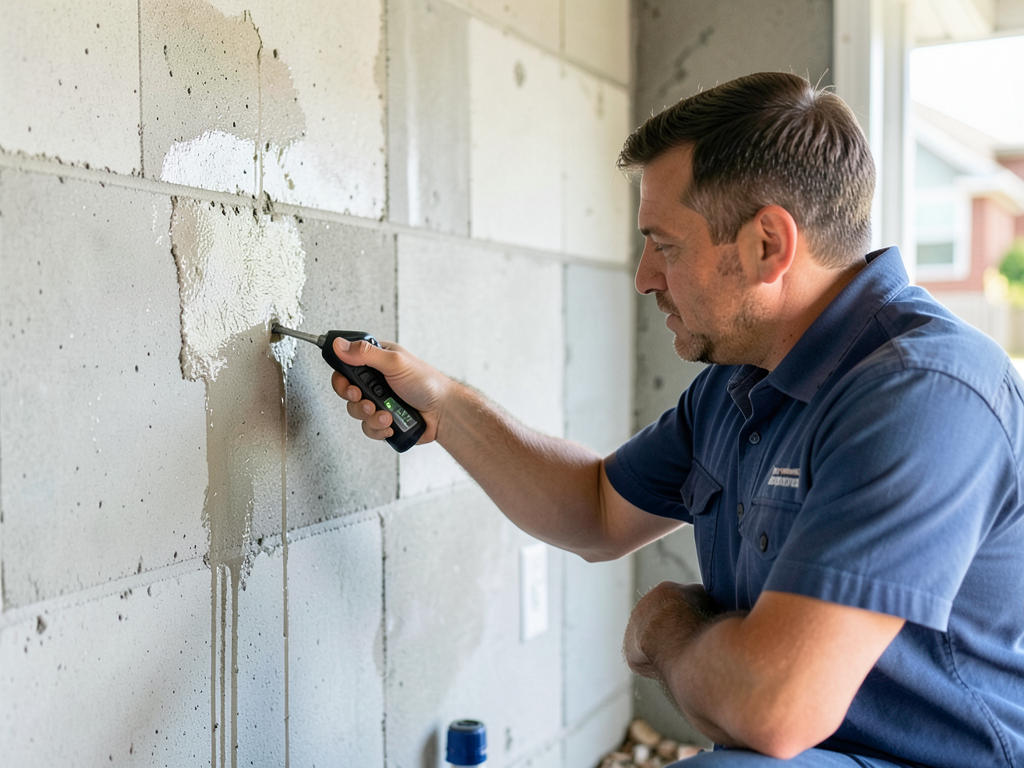
Managing Basement Moisture During the Humid Dog Days of a Buffalo Summer Your basement smells musty. The walls feel damp. You notice condensation on the windows even though it hasn’t rained in days. Buffalo summers…
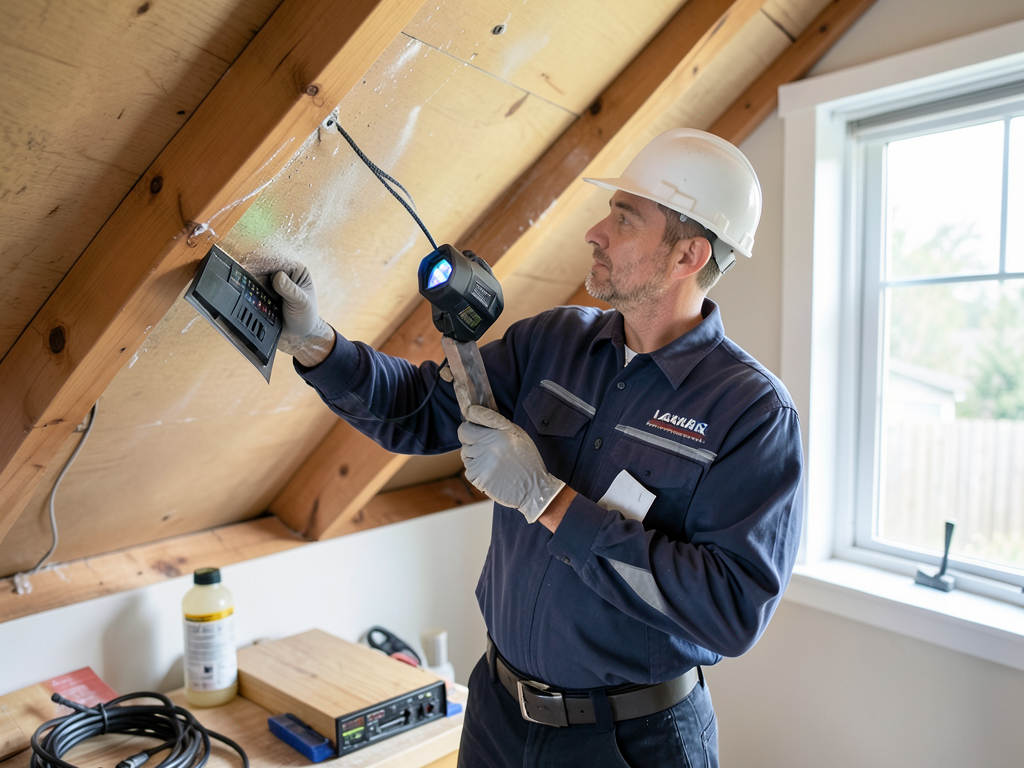
Why High Humidity in Your Lackawanna Attic is a Recipe for Structural Rot High attic…

Protecting Your Home Office Electronics After a Water Leak in Your Snyder Spare Room Water…
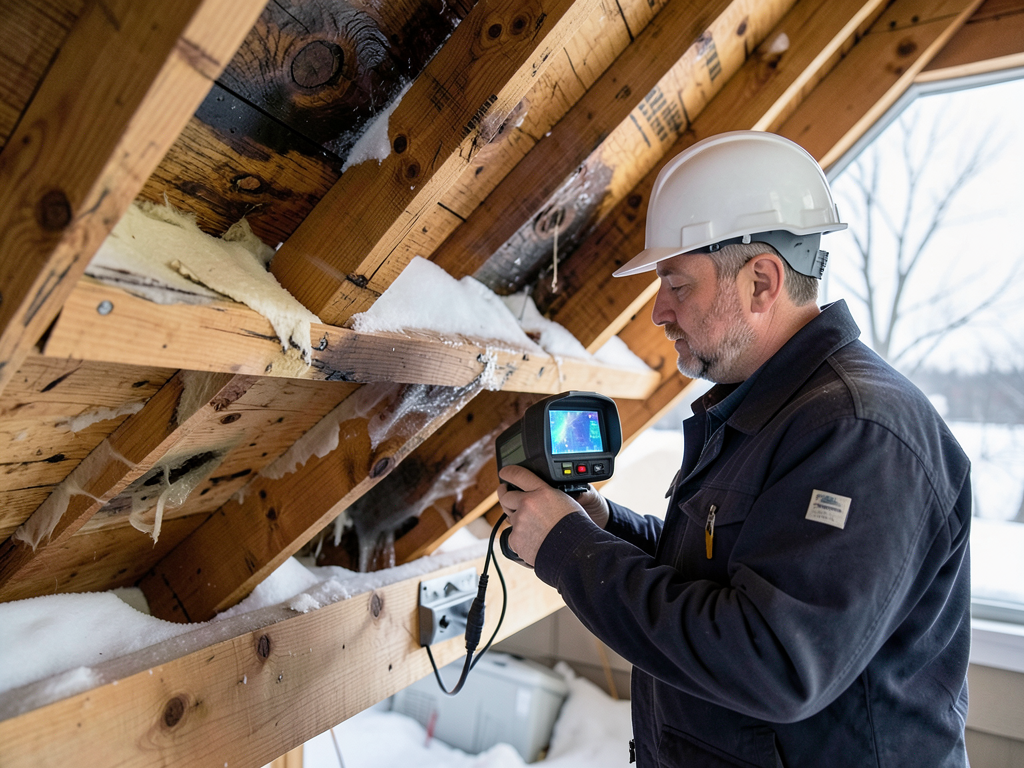
How to Tell if a Small Roof Leak is Actually a Major Mold Risk in…
Water damage spreads every minute you wait. Call Alpha Water Damage Restoration Buffalo at (716) 317-7717 right now for immediate dispatch to your Niagara Falls property. Our crews respond 24/7 with equipment ready to extract water and start drying your home today.