


Lancaster sits in the Lake Erie snow belt where freeze-thaw cycles, heavy snowmelt, and severe spring storms create constant water intrusion risks. Homes built on the clay-heavy soils common throughout Lancaster Central School District and Transit Road corridors experience basement seepage during thaw periods. Ice dams form on the steep-pitched roofs typical in neighborhoods near Como Lake Park, sending meltwater into walls and attics.
Winter temperatures that swing 30 degrees in 24 hours cause pipe bursts in older homes throughout the Village of Lancaster and surrounding Town. Spring brings rapid snowmelt that overwhelms aging sump pumps and foundation drains. Summer thunderstorms dump inches of rain in minutes, backing up sewers in low-lying areas near Ellicott Creek.
Water damage compounds fast in Lancaster's climate. Standing water seeps into subfloors and wall cavities within hours. Mold spores activate in 24 to 48 hours in humid conditions. Secondary damage to structural lumber, drywall, insulation, and flooring doubles repair costs for every day water sits untreated. Insurance companies require immediate mitigation to cover claims fully.
Alpha Water Damage Restoration Buffalo has responded to water emergencies across Lancaster for over a decade. We know which neighborhoods flood during spring thaw, which subdivisions have chronic sump pump failures, and which older homes along Pleasant Avenue have galvanized pipes ready to burst. That local knowledge means we arrive prepared with the right equipment for your specific situation.
Our technicians hold IICRC Water Damage Restoration certification and train continuously on thermal imaging, moisture mapping, and structural drying science. We use truck-mounted extraction units that remove thousands of gallons per hour, not small shop vacuums that take days. Our industrial dehumidifiers and air movers create proper drying conditions measured with calibrated hygrometers, not guesswork.
We document everything for your insurance claim from the first phone call. Our estimators photograph damage, map affected areas, track moisture readings, and prepare detailed scope reports your adjuster needs to approve your claim quickly. We bill insurance directly in most cases so you avoid upfront costs during an already stressful time.
You get a project manager assigned to your job who coordinates every phase from emergency extraction through final repairs. One point of contact, clear communication, and accountability from start to finish. We operate 24 hours a day because water damage does not wait for business hours. When you call our emergency line at 3 AM, a live person answers and dispatches a crew immediately, not an answering service taking messages until morning.

Our crews deploy from multiple locations to reach any Lancaster address within one hour of your call. Rapid response stops water migration and reduces total damage. We arrive with truck-mounted extraction equipment and enough manpower to stabilize your property immediately, not hours later when damage has spread through additional rooms.

We handle your insurance claim from documentation through final payment. Our estimators prepare detailed reports adjusters approve quickly. We communicate directly with your insurance company and bill them directly in most cases. You avoid thousands in upfront costs and get your claim processed faster with proper documentation.
Every technician holds current IICRC Water Damage Restoration certification and completes ongoing training in extraction techniques, structural drying, and mold prevention. We follow industry standards for moisture mapping, equipment placement, and drying verification. You get proven methods based on building science, not trial and error that extends your displacement time.
We have responded to hundreds of water damage calls throughout Lancaster neighborhoods. We know local soil conditions, common building methods, seasonal flooding patterns, and which areas experience chronic water problems. That experience means accurate diagnosis, appropriate equipment, and efficient restoration specific to Lancaster properties.
Water damage restoration requires coordinated services from emergency extraction through final repairs. Alpha Water Damage Restoration Buffalo handles every phase of recovery under one contract. You work with a single company accountable for complete restoration, not multiple contractors who blame each other when problems arise.
Our services span emergency water removal, structural drying, mold remediation, content restoration, and full reconstruction. We extract standing water with industrial equipment, dry structures to proper moisture levels, treat mold growth, restore salvageable contents, and rebuild damaged areas to pre-loss condition. Each service connects to the next in a coordinated process that returns your property to normal as quickly as possible.
We scale services to damage severity. Minor leaks need extraction and localized drying. Major floods require complete water removal, demolition of unsalvageable materials, antimicrobial treatment, structural drying, and full reconstruction. We assess your specific situation and deploy appropriate resources, not a one-size-fits-all approach that under-serves severe damage or oversells unnecessary services for minor incidents.
We respond immediately to stop water damage progression. Our crews extract standing water with truck-mounted pumps removing thousands of gallons per hour. We pull saturated carpets, pad, and insulation that cannot be saved. We move contents to dry areas and place protective barriers to prevent additional damage. We stop active leaks, board broken windows, and tarp damaged roofs. You get rapid stabilization that prevents secondary damage while we develop a complete restoration plan.
We dry building materials to industry-standard moisture levels using commercial dehumidifiers and air movers. Technicians map moisture in walls, floors, and ceilings with thermal imaging and moisture meters. We track drying progress daily and adjust equipment placement to address slow-drying areas. Proper drying prevents mold growth and structural damage. We document final moisture readings for your insurance company and guarantee materials reach safe levels before closing walls or finishing repairs.
We rebuild your property after water damage cleanup and drying. Our crews replace drywall, insulation, flooring, trim, and any materials removed during mitigation. We match existing finishes and restore your home or business to pre-loss condition. You work with one company accountable for complete restoration from emergency response through final walkthrough. We coordinate all trades including electrical, plumbing, HVAC, and finish carpentry. Single-source accountability means no finger-pointing between contractors when issues arise.
Lancaster's climate and building characteristics create predictable water damage patterns. We respond to the same issues across neighborhoods year after year. Freeze-thaw cycles burst pipes. Heavy snow loads create ice dams. Spring storms overwhelm drainage systems. Understanding these common problems helps property owners recognize warning signs and respond quickly when water intrusion occurs.
Older homes throughout the Village of Lancaster and Transit Road corridor have aging plumbing, inadequate insulation, and undersized sump pumps. Newer subdivisions near Como Lake Park and Pleasant View Drive experience grading issues that direct surface water toward foundations. Commercial properties along Walden Avenue have flat roofs prone to ponding and membrane failures. Each property type faces specific vulnerabilities requiring different mitigation approaches.
Early detection makes the difference between minor repairs and major reconstruction. Most water damage starts small but spreads rapidly once intrusion begins. A slow pipe leak saturates insulation and drywall over weeks before visible staining appears. A small roof leak drips into wall cavities causing hidden mold growth and structural rot. Catching these issues early dramatically reduces restoration costs and displacement time.
Heavy spring snowmelt and summer storms overwhelm foundation drains and sump pumps across Lancaster. Clay soils throughout the area drain slowly, creating hydrostatic pressure against basement walls. Water seeps through cracks, pushes through mortar joints, and backs up floor drains. Finished basements suffer extensive damage to drywall, flooring, and contents when flooding occurs.
Lancaster's sub-zero winter temperatures freeze poorly insulated pipes in exterior walls, crawl spaces, and unheated areas. Frozen pipes burst when water expands and splits copper or PEX tubing. Homeowners often discover burst pipes when temperatures rise and water begins flowing, flooding rooms rapidly. A single burst supply line can discharge hundreds of gallons before shutoff.
Ice dams form when heat escapes through poorly insulated attics, melting snow on upper roof sections. Meltwater refreezes at cold eaves, creating dams that back water under shingles. Water enters attics, saturates insulation, and drips through ceilings into living spaces. The steep-pitched roofs common in Lancaster homes are particularly vulnerable to ice dam damage during heavy snow winters.
Combined sewer systems in older Lancaster neighborhoods back up during heavy storms when stormwater overwhelms capacity. Sewage enters basements through floor drains and toilet connections. These Category 3 contaminated water incidents require specialized cleanup including antimicrobial treatment and disposal of porous materials like drywall and insulation. Sewage backups pose serious health risks requiring immediate professional response.
Water damage creates chaos and stress. You need clear information about what happens next, how long restoration takes, and what costs to expect. Alpha Water Damage Restoration Buffalo walks you through every phase from your first emergency call through final completion.
When you contact our 24-hour emergency line, a live technician answers immediately and dispatches a crew to your Lancaster property. You receive an estimated arrival time within minutes. Our project manager calls within the hour to confirm dispatch and answer initial questions. You get direct communication from people who will actually perform your restoration, not customer service representatives reading scripts.
We explain our findings, scope, and timeline during the initial inspection. You receive written documentation of damage extent, moisture readings, and recommended services. We review insurance coverage and billing options before beginning work. You make informed decisions with full transparency about costs and process. We coordinate directly with your insurance adjuster to expedite claims and maximize coverage.
Our crew arrives within 60 minutes to assess damage and begin emergency stabilization. We stop active water intrusion, extract standing water, and move contents to dry areas. Our technicians document damage with photos, moisture mapping, and detailed notes for your insurance claim. You receive a preliminary scope of damage and restoration plan before we leave the initial emergency call. We set clear expectations about timeline and next steps.
Your assigned project manager visits daily during active drying to check equipment, take moisture readings, and update you on progress. We adjust dehumidifier and air mover placement to address slow-drying areas. You receive text or email updates with current moisture levels and projected dry-out completion. We answer questions promptly and coordinate with your insurance adjuster throughout the process. You always know the current status and what to expect next.
We verify structures reach industry-standard moisture levels before closing walls or beginning finish work. You receive final documentation showing moisture readings throughout affected areas. We conduct a detailed walkthrough before calling restoration complete. Any concerns get addressed immediately, not after we have left your property. We guarantee workmanship and stand behind our restoration. You get a single point of contact for any follow-up questions or warranty issues.
We follow a proven three-phase process that stabilizes your property, removes moisture completely, and restores damage. This systematic approach minimizes displacement time and ensures thorough restoration without hidden moisture that causes future problems.
We extract standing water immediately with truck-mounted pumps and portable extraction units. Crews remove saturated materials that cannot be saved including wet carpet pad, soaked insulation, and damaged drywall. We apply antimicrobial treatments to affected surfaces to prevent mold growth. We set up temporary power if needed and place containment barriers to isolate damaged areas. You get rapid stabilization that stops damage progression and allows insurance inspection within 24 to 48 hours.
We deploy commercial dehumidifiers and air movers positioned strategically to dry building materials efficiently. Technicians map moisture in walls, floors, and ceilings with thermal imaging cameras and pin-type moisture meters. We monitor drying progress daily and document moisture levels in a drying log required by insurance companies. Equipment runs continuously until materials reach industry-standard moisture content. Most structures dry completely within three to five days depending on damage extent and materials affected.
Once structures dry completely, our crews rebuild damaged areas to pre-loss condition. We replace drywall, install new insulation, refinish floors, paint walls, and reinstall trim. We match existing finishes and restore your property to original condition. All trades including electrical, plumbing, and HVAC work get coordinated under our single project management. We conduct a final walkthrough to ensure you approve all work before closing out the project.
Professional water damage restoration follows scientific principles and industry standards established by the Institute of Inspection Cleaning and Restoration Certification. These standards define proper extraction techniques, drying timeframes, moisture measurement protocols, and antimicrobial treatment requirements. Insurance companies require IICRC compliance for covered claims.
Water damage gets classified into three contamination categories. Category 1 involves clean water from supply lines or rainfall with no sewage contact. Category 2 includes gray water from washing machines, dishwashers, or toilet overflow without feces. Category 3 contaminated water contains sewage, flooding from rivers or streams, or any water standing more than 72 hours that has developed bacterial growth. Each category requires different handling protocols and safety equipment.
Structural drying follows psychrometric principles measuring temperature, humidity, and moisture content in building materials. We calculate proper dehumidifier capacity based on affected area volume and moisture load. Air movers create airflow across wet surfaces to accelerate evaporation. We target specific drying goals measured in grains per pound for air moisture and moisture content percentage for materials. Wood framing should dry below 15 percent moisture content, concrete below 5 percent on moisture meter readings. These specific targets prevent mold growth and structural damage from residual moisture.
New York State requires water damage restoration contractors to follow Department of Labor safety regulations for confined spaces, electrical hazards, and mold exposure. Our technicians complete OSHA training and use proper personal protective equipment including respirators for Category 3 sewage contamination. We dispose of contaminated materials following Erie County solid waste regulations and maintain required liability insurance and workers compensation coverage.
The IICRC S500 Standard guides proper water damage restoration including inspection protocols, moisture measurement techniques, drying equipment selection, and antimicrobial treatment requirements. Insurance companies require IICRC compliance and certified technicians for covered claims. Our crews follow these standards on every project to ensure thorough restoration and claims approval.
Restoration costs depend on water volume, contamination category, affected materials, and drying time required. Category 3 sewage cleanup costs more than clean water extraction due to disposal requirements and antimicrobial treatment. Hardwood floor drying costs more than carpet removal. Most insurance policies cover sudden water damage including contents restoration and temporary housing during repairs.
Most residential water damage dries within three to five days using proper equipment and monitoring. Concrete basements and thick insulation take longer than wood-frame walls. Winter conditions slow evaporation and extend drying time. We cannot expedite drying beyond safe rates or materials will crack and warp from rapid moisture loss. Structural drying requires time to achieve proper moisture levels throughout materials.
Mold grows within 24 to 48 hours when materials stay wet. Rapid extraction and proper drying prevent mold development in most cases. If mold appears, we follow EPA and IICRC mold remediation protocols including containment, HEPA air filtration, antimicrobial treatment, and disposal of affected materials. New York requires licensed mold remediation for projects over 10 square feet in some cases.
Alpha Water Damage Restoration Buffalo explains water damage restoration for Lancaster NY properties. Topics include emergency water extraction techniques, structural drying protocols, insurance claim documentation, and common water damage issues Lancaster homeowners face from freeze-thaw cycles, snowmelt, and ice dams. Video covers IICRC restoration standards, proper moisture measurement, drying timeframes, and mold prevention protocols for residential and commercial properties throughout Erie County.
Alpha Water Damage Restoration Buffalo serves all Lancaster neighborhoods from the Village of Lancaster downtown core to Transit Road commercial corridors and residential subdivisions throughout the Town of Lancaster. We respond to water damage emergencies in historic homes near Pleasant Avenue, ranch-style properties throughout Lancaster Central School District boundaries, and newer developments near Como Lake Park and off Ransom Road.
Our service area extends throughout Erie County including Depew, Cheektowaga, West Seneca, and Clarence. We know the challenges properties face in different areas. Older neighborhoods closer to Buffalo experience more frequent sewer backups during heavy storms. Subdivisions built in the 1970s and 1980s along Transit Road and Walden Avenue have aging sump pumps and outdated waterproofing. Newer construction near Broadway and Bowen Road has better drainage but sometimes experiences grading issues that direct water toward foundations.
We respond to residential and commercial water damage throughout the Lancaster area. Homeowners call us for basement floods, burst pipes, ice dam leaks, and appliance failures. Commercial property managers contact us for roof leaks, sprinkler activations, and plumbing failures in retail spaces along Transit Road and office buildings near the Lancaster Country Club. We scale our response to property size and damage extent, deploying appropriate equipment and crew size for each situation.
Lancaster's location in the Lake Erie snow belt creates seasonal patterns we plan for. Winter brings frozen pipe emergencies, ice dam roof leaks, and heating system failures. Spring snowmelt floods basements and overwhelms drainage systems. Summer storms cause flash flooding and sewer backups. Fall brings fewer water damage calls but prepares us for the busy winter season ahead. We maintain equipment inventory and crew availability for seasonal demand spikes, ensuring rapid response when Lancaster properties need emergency water removal regardless of weather conditions or time of year.
Our local presence means we understand Lancaster building methods, soil conditions, and flood-prone areas from years of responding to water damage across the community. We know which areas near Ellicott Creek flood during heavy rain. We recognize the foundation issues common in older homes throughout the Village. We understand the plumbing challenges in homes built during different decades. That knowledge helps us diagnose problems accurately and deploy appropriate restoration methods specific to Lancaster properties.
Water damage restoration in Lancaster involves removing water, drying your property, and preventing mold growth. Professional teams use industrial equipment like extractors, dehumidifiers, and air movers to restore your home or business. The process includes water extraction, structural drying, sanitization, and repairs. Lancaster's climate and older building stock make quick response essential. Most restoration projects take 3-5 days for drying alone, with repairs extending the timeline. Your homeowner's insurance often covers sudden water damage from burst pipes or storms. Document everything with photos before restoration begins.
Response time determines your restoration outcome. Water spreads through porous materials within minutes. Within 24 hours, drywall begins breaking down and mold starts forming. Call a restoration company immediately when you notice water damage. While waiting, shut off your water main if a pipe burst. Move furniture to dry areas if safe. Remove standing water with towels or a wet vacuum. Open windows for airflow if weather permits. Do not use regular vacuums on standing water. Professionals arrive with moisture meters and thermal cameras to assess hidden damage.
Lancaster experiences water damage from burst pipes, roof leaks, basement flooding, and appliance failures. Winter freezes cause pipe bursts in older homes. Heavy rainfall overwhelms aging drainage systems. Sump pump failures flood basements during storms. Water heaters leak without warning. Washing machine hoses rupture after years of use. HVAC condensation issues create hidden moisture problems. Each source requires different restoration approaches. Sewage backups need specialized cleaning and sanitization. Clean water from supply lines poses fewer health risks. Professionals identify the source before starting restoration work.
Water damage restoration in Lancaster involves removing water, drying your property, and preventing mold growth. Professional teams use industrial equipment like extractors, dehumidifiers, and air movers to restore your home or business. The process includes water extraction, structural drying, sanitization, and repairs. Lancaster's climate and older building stock make quick response essential. Most restoration projects take 3-5 days for drying alone, with repairs extending the timeline. Your homeowner's insurance often covers sudden water damage from burst pipes or storms. Document everything with photos before restoration begins.
Response time determines your restoration outcome. Water spreads through porous materials within minutes. Within 24 hours, drywall begins breaking down and mold starts forming. Call a restoration company immediately when you notice water damage. While waiting, shut off your water main if a pipe burst. Move furniture to dry areas if safe. Remove standing water with towels or a wet vacuum. Open windows for airflow if weather permits. Do not use regular vacuums on standing water. Professionals arrive with moisture meters and thermal cameras to assess hidden damage.
Lancaster experiences water damage from burst pipes, roof leaks, basement flooding, and appliance failures. Winter freezes cause pipe bursts in older homes. Heavy rainfall overwhelms aging drainage systems. Sump pump failures flood basements during storms. Water heaters leak without warning. Washing machine hoses rupture after years of use. HVAC condensation issues create hidden moisture problems. Each source requires different restoration approaches. Sewage backups need specialized cleaning and sanitization. Clean water from supply lines poses fewer health risks. Professionals identify the source before starting restoration work.
Professional equipment makes complete drying possible. Industrial extractors remove thousands of gallons quickly. Commercial dehumidifiers pull moisture from air and materials. High-velocity air movers create airflow through walls and floors. Moisture meters measure water content in wood and drywall. Infrared cameras detect hidden moisture behind surfaces. Hygrometers monitor humidity levels throughout your property. This equipment costs thousands and requires training to use correctly. Rental equipment lacks the power of professional-grade tools. Incomplete drying leads to mold growth and structural damage within weeks.
Mold grows within 24-48 hours in wet conditions. Lancaster's humidity accelerates mold development. Black mold, white mold, and mildew all thrive on damp surfaces. Mold spreads through airborne spores throughout your property. It grows on drywall, wood, carpet, and insulation. Health effects include respiratory issues, allergies, and asthma symptoms. Professional restoration prevents mold by drying materials completely. Antimicrobial treatments kill existing spores. Air scrubbers filter contaminated air during restoration. If mold already established itself, you need specialized remediation before restoration begins.
Most homeowner policies cover sudden and accidental water damage. Burst pipes, appliance leaks, and storm damage typically qualify. Gradual damage from slow leaks usually gets denied. Flood damage requires separate flood insurance. Sewer backup coverage needs a specific endorsement. Document damage immediately with photos and videos. Keep all damaged items until your adjuster inspects them. Your restoration company works directly with insurance companies. They provide detailed estimates and moisture readings. File your claim within your policy's time limits. Review your policy now to understand your coverage.
Professionals inspect your entire property with moisture detection tools. They categorize water as clean, gray, or black based on contamination level. A detailed scope documents all affected areas. Water extraction removes standing water first. Technicians remove unsalvageable materials like soaked insulation. Drying equipment runs continuously for 3-7 days. Daily moisture readings track progress. Antimicrobial treatments prevent microbial growth. After drying, reconstruction repairs damaged areas. Final inspections confirm your property meets moisture standards. You receive documentation of the entire process for insurance records.
Remove valuable items from affected areas. Wipe furniture legs with towels to prevent staining. Prop up wet couch cushions for airflow. Remove area rugs before they bleed dyes. Take hanging items off wet walls. Place aluminum foil under furniture legs on wet carpet. Do not use electrical appliances in standing water. Avoid walking on wet carpet more than necessary. Do not attempt to remove permanently installed flooring. Keep children and pets away from affected areas. Document everything with dated photos showing damage extent.
Hardwood floors need immediate attention to avoid cupping and buckling. Padding under carpet must get removed and replaced. Drywall soaked above two feet requires replacement. Insulation loses effectiveness when wet and rarely dries properly. Laminate flooring swells and delaminates when soaked. Electronics exposed to water need professional assessment. Personal belongings receive cleaning or replacement based on contamination level. Structural materials like studs and joists get dried in place if caught early. Professionals make these determinations using industry standards and moisture readings.
Inspect your property regularly for signs of water problems. Check under sinks for leaks monthly. Replace washing machine hoses every five years. Install water detection alarms near water heaters and sump pumps. Clean gutters twice yearly. Grade soil away from your foundation. Insulate pipes in unheated areas before winter. Know where your main water shutoff valve sits. Test your sump pump before rainy seasons. Fix minor leaks immediately before they worsen. Regular maintenance prevents most water damage situations. Keep your restoration company's number saved for emergencies.
Professional equipment makes complete drying possible. Industrial extractors remove thousands of gallons quickly. Commercial dehumidifiers pull moisture from air and materials. High-velocity air movers create airflow through walls and floors. Moisture meters measure water content in wood and drywall. Infrared cameras detect hidden moisture behind surfaces. Hygrometers monitor humidity levels throughout your property. This equipment costs thousands and requires training to use correctly. Rental equipment lacks the power of professional-grade tools. Incomplete drying leads to mold growth and structural damage within weeks.
Mold grows within 24-48 hours in wet conditions. Lancaster's humidity accelerates mold development. Black mold, white mold, and mildew all thrive on damp surfaces. Mold spreads through airborne spores throughout your property. It grows on drywall, wood, carpet, and insulation. Health effects include respiratory issues, allergies, and asthma symptoms. Professional restoration prevents mold by drying materials completely. Antimicrobial treatments kill existing spores. Air scrubbers filter contaminated air during restoration. If mold already established itself, you need specialized remediation before restoration begins.
Most homeowner policies cover sudden and accidental water damage. Burst pipes, appliance leaks, and storm damage typically qualify. Gradual damage from slow leaks usually gets denied. Flood damage requires separate flood insurance. Sewer backup coverage needs a specific endorsement. Document damage immediately with photos and videos. Keep all damaged items until your adjuster inspects them. Your restoration company works directly with insurance companies. They provide detailed estimates and moisture readings. File your claim within your policy's time limits. Review your policy now to understand your coverage.
Professionals inspect your entire property with moisture detection tools. They categorize water as clean, gray, or black based on contamination level. A detailed scope documents all affected areas. Water extraction removes standing water first. Technicians remove unsalvageable materials like soaked insulation. Drying equipment runs continuously for 3-7 days. Daily moisture readings track progress. Antimicrobial treatments prevent microbial growth. After drying, reconstruction repairs damaged areas. Final inspections confirm your property meets moisture standards. You receive documentation of the entire process for insurance records.
Remove valuable items from affected areas. Wipe furniture legs with towels to prevent staining. Prop up wet couch cushions for airflow. Remove area rugs before they bleed dyes. Take hanging items off wet walls. Place aluminum foil under furniture legs on wet carpet. Do not use electrical appliances in standing water. Avoid walking on wet carpet more than necessary. Do not attempt to remove permanently installed flooring. Keep children and pets away from affected areas. Document everything with dated photos showing damage extent.
Hardwood floors need immediate attention to avoid cupping and buckling. Padding under carpet must get removed and replaced. Drywall soaked above two feet requires replacement. Insulation loses effectiveness when wet and rarely dries properly. Laminate flooring swells and delaminates when soaked. Electronics exposed to water need professional assessment. Personal belongings receive cleaning or replacement based on contamination level. Structural materials like studs and joists get dried in place if caught early. Professionals make these determinations using industry standards and moisture readings.
Inspect your property regularly for signs of water problems. Check under sinks for leaks monthly. Replace washing machine hoses every five years. Install water detection alarms near water heaters and sump pumps. Clean gutters twice yearly. Grade soil away from your foundation. Insulate pipes in unheated areas before winter. Know where your main water shutoff valve sits. Test your sump pump before rainy seasons. Fix minor leaks immediately before they worsen. Regular maintenance prevents most water damage situations. Keep your restoration company's number saved for emergencies.
Although we offer rapid mobile service across the entire Buffalo area and surrounding regions, we invite you to view our service area map to confirm our commitment to your community. We are always ready to deploy our expert teams directly to your residential or commercial property, ensuring the fastest possible response time when you need water damage restoration most, right where you are.
Address:
Lancaster, NY, 14086
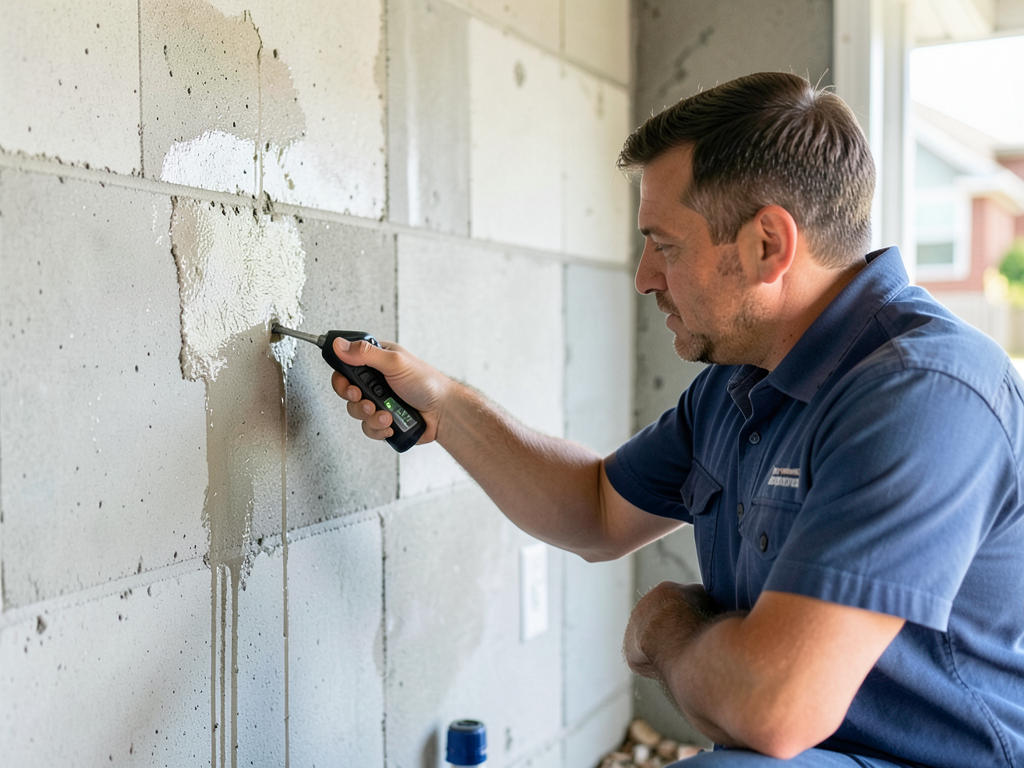
Managing Basement Moisture During the Humid Dog Days of a Buffalo Summer Your basement smells musty. The walls feel damp. You notice condensation on the windows even though it hasn’t rained in days. Buffalo summers…
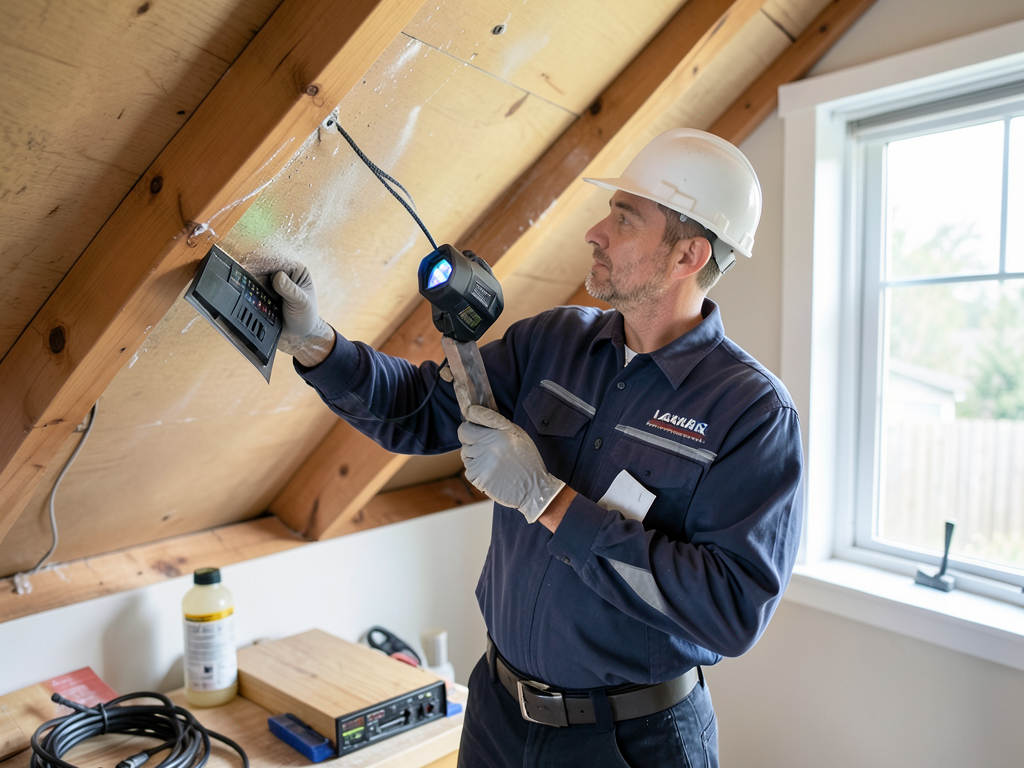
Why High Humidity in Your Lackawanna Attic is a Recipe for Structural Rot High attic…

Protecting Your Home Office Electronics After a Water Leak in Your Snyder Spare Room Water…
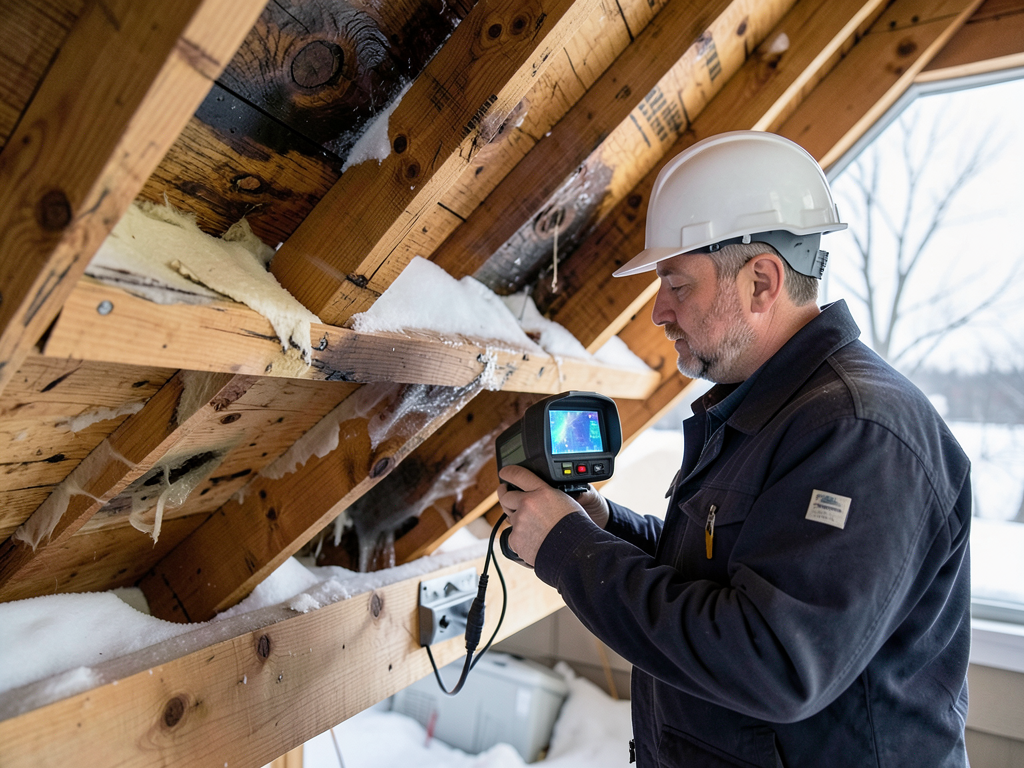
How to Tell if a Small Roof Leak is Actually a Major Mold Risk in…
Water damage spreads every minute. Our Lancaster emergency crews respond within 60 minutes, 24 hours a day. Stop additional damage and start restoration now. Call Alpha Water Damage Restoration Buffalo at (716) 317-7717 for immediate dispatch. We handle insurance claims directly and bill most carriers, so you avoid upfront costs.