


West Seneca sits in the southern portion of Erie County where lake effect snow dumps massive precipitation loads each winter. When spring thaw arrives, the freeze-thaw cycles that punish homes throughout February and March create foundation cracks that channel snowmelt directly into basements. The clay-heavy soil common throughout neighborhoods near Cazenovia Creek holds water like a sponge, keeping foundations perpetually saturated during wet seasons.
Homes near South Buffalo and the Hamburg town line face additional risks from Cazenovia Creek flooding during rapid snowmelt events. The creek's watershed covers a large area, and when temperatures spike in March, runoff overwhelms storm drains throughout the Ebenezer and Gardenville areas. Basement flooding becomes common along streets near the creek corridor.
West Seneca's housing stock includes many ranch homes and split-levels built in the 1960s and 1970s. These structures often have foundation drainage systems that no longer function properly after 50 years of freeze-thaw damage. Sump pumps fail during power outages from winter storms. Interior pipe bursts spike when temperatures drop below zero, which happens regularly during January and February cold snaps that hit Western New York harder than most regions.
We operate from our location in Buffalo with dedicated response vehicles staged for rapid deployment throughout Erie County. When water invades your West Seneca property, our technicians arrive with truck-mounted extraction units capable of removing thousands of gallons per hour. We don't subcontract or dispatch the closest available crew. You get our trained team with our equipment every time.
Our approach focuses on complete structural drying, not just surface cleanup. We've seen too many restoration companies extract standing water, set a few fans, and leave before moisture levels in framing lumber and subfloors return to safe levels. That approach creates mold problems three weeks later. We use moisture meters to document readings in wall cavities, under flooring, and within structural elements. We don't leave until these readings confirm complete dryness.
Insurance coordination separates professional restoration from basic cleanup. We document damage with detailed photo records, moisture mapping, and thermal imaging that insurance adjusters need to process claims fairly. Our project managers communicate directly with your insurance company, providing the technical documentation that prevents claim disputes. We know what Erie County adjusters require because we work with them on West Seneca properties every week.
Experience with Western New York construction matters. West Seneca homes built in different decades require different drying strategies. A 1950s home with plaster walls needs different treatment than a 1990s home with drywall and fiberglass insulation. We understand local construction methods, know how water moves through these structures, and apply proven drying techniques specific to each building type common throughout West Seneca neighborhoods.

Our trucks deploy from Buffalo to reach West Seneca properties within one hour of your emergency call. Fast response prevents secondary damage that multiplies restoration costs. We arrive with extraction equipment ready to stop water damage immediately, not hours later when flooring and framing have absorbed maximum moisture.

We measure moisture levels in framing, subfloors, and wall cavities using calibrated meters. Our industrial dehumidifiers and air movers stay on site until readings confirm complete dryness. This prevents mold growth and structural damage that surface drying misses. We document moisture levels daily to verify complete remediation.
Our technicians photograph damage, create moisture maps, and provide thermal imaging reports that insurance adjusters require. We communicate directly with your insurance company throughout the restoration process. This documentation prevents claim disputes and ensures you receive the coverage you're entitled to for complete restoration of your West Seneca property.
We understand how lake effect weather, freeze-thaw cycles, and Erie County soil conditions create water damage in West Seneca homes. Our experience with local construction methods from different decades means we know how water moves through your specific structure and exactly what drying approach will work. Regional expertise prevents mistakes that generic restoration companies make.
Water damage restoration requires more than removing standing water. Complete remediation includes emergency water extraction, structural drying, dehumidification, mold prevention, content restoration, and reconstruction of damaged building materials. Alpha Water Damage Restoration Buffalo provides the full spectrum of water damage mitigation and restoration services for West Seneca residential and commercial properties.
Our service categories address different water damage scenarios. Emergency extraction stops active flooding. Structural drying remediates hidden moisture in building materials. Restoration and reconstruction rebuild damaged areas to pre-loss condition. Each category requires specialized equipment, technical knowledge, and experience with insurance requirements. We handle all phases in-house without subcontracting critical services to unknown third parties.
The water damage cleanup process varies based on water source, contamination level, and materials affected. Clean water from a supply line break requires different treatment than contaminated water from a sewer backup. We classify water damage according to industry standards, then apply appropriate remediation protocols. Our technicians hold certifications in water removal services and follow established procedures that ensure complete mitigation regardless of damage source or contamination category.
When water invades your property, immediate extraction prevents secondary damage to flooring, framing, and contents. Our truck-mounted pumps remove thousands of gallons per hour from flooded basements and living spaces. We extract water from carpeting, extract standing water from crawl spaces, and remove moisture from affected areas before it spreads. Rapid water removal services minimize restoration costs and reduce the risk of mold growth. Our extraction equipment handles clean water, contaminated water, and sewage backups. We respond 24/7 to stop flooding damage before it destroys your West Seneca property.
Water absorbed into framing, subfloors, and wall cavities requires professional drying equipment and monitoring. Our industrial dehumidifiers remove moisture from the air while air movers accelerate evaporation from structural materials. We measure moisture levels in wood framing, concrete, and other building materials daily. Thermal imaging reveals hidden moisture behind walls and under flooring. Complete structural drying prevents mold growth, wood rot, and long-term damage. We follow IICRC water damage remediation standards and maintain equipment on site until moisture readings return to normal levels throughout affected structures.
After complete drying, damaged materials require replacement and reconstruction. We remove unsalvageable drywall, insulation, flooring, and trim. Our reconstruction team rebuilds walls, installs new flooring, and completes finish work. Water damage cleanup includes mold remediation if growth occurred before our arrival. We restore kitchens, bathrooms, basements, and other affected spaces to pre-damage condition. Content cleaning services address furniture and personal items affected by water exposure. Our goal is complete restoration that returns your West Seneca property to normal, not temporary fixes that leave lasting damage.
West Seneca property owners face recurring water damage issues driven by regional weather patterns and local construction characteristics. Lake effect snow creates massive water volume during spring thaw. Aging infrastructure in older neighborhoods leads to pipe failures and foundation leaks. Understanding these common problems helps property owners recognize warning signs before minor moisture intrusion becomes major structural damage.
Basement flooding dominates water damage calls throughout West Seneca. Clay soil holds moisture against foundations, creating hydrostatic pressure that forces water through cracks and failed waterproofing. Sump pump failures during power outages allow rapid flooding during heavy rain or snowmelt. Foundation drainage systems installed decades ago no longer function properly. These conditions combine to make basement water intrusion one of the most frequent property damage issues in Erie County.
Freeze-thaw pipe bursts spike during severe cold. When temperatures drop below zero for extended periods, pipes in exterior walls, crawl spaces, and unheated areas freeze. The expansion cracks copper and PEX supply lines. When temperatures rise, these cracked pipes unleash floods that damage multiple rooms before anyone discovers the breach. Knowing these vulnerabilities helps property owners take preventive action before disaster strikes.
Clay soil throughout West Seneca stays saturated during spring thaw and heavy rain periods. This saturation creates hydrostatic pressure that forces water through foundation cracks, failed sealant, and deteriorated waterproofing membranes. Water enters through floor-wall joints, utility penetrations, and hairline cracks invisible from inside. Chronic basement moisture leads to mold growth, musty odors, and damaged stored items. Professional water extraction and structural drying address immediate flooding while identifying entry points that require permanent repair.
January and February cold snaps drop temperatures below zero for days. Pipes in exterior walls, crawl spaces, and unheated garages freeze solid. Ice expansion cracks supply lines, but the leak doesn't start until thaw occurs. Property owners discover the failure when water floods through ceilings, walls, and floors. A single burst pipe can discharge hundreds of gallons before shutoff, destroying drywall, flooring, and insulation. Immediate water removal prevents secondary damage and mold growth in affected walls and ceilings.
Sump pumps protect West Seneca basements from groundwater intrusion. When power fails during severe storms, pumps stop running and water rises rapidly in basement sumps. Most failures occur at the worst time when heavy rain or rapid snowmelt produces maximum water volume. A flooded basement can happen in minutes when pump systems fail. Battery backup systems prevent many failures, but pumps also fail mechanically. When failure occurs, professional extraction equipment removes water before it damages furnaces, water heaters, and stored belongings.
Rapid snowmelt and heavy rain overwhelm storm drains and sewer systems throughout older West Seneca neighborhoods. When municipal systems back up, sewage flows backward through floor drains into basements. Tree roots infiltrate aging sewer laterals, creating blockages that cause backups during high-flow periods. Sewage contains dangerous contaminants requiring specialized cleanup procedures. Professional remediation includes extracting contaminated water, removing affected materials, disinfecting surfaces, and ensuring complete sanitation. Sewage cleanup demands immediate response to protect health and prevent permanent contamination.
Your first call starts our emergency response. We gather essential information about your water damage situation, your property location in West Seneca, and any immediate safety concerns. Our dispatcher confirms your address and deploys the closest response vehicle while keeping you on the line to provide immediate guidance. You'll receive a call from the responding technician with an estimated arrival time, typically within 60 minutes for West Seneca properties.
Clear communication continues throughout the restoration process. You'll know what equipment we're using, why we're using it, and how long each phase will take. We explain moisture readings, show you thermal imaging results, and involve you in decisions about damaged materials. Our project managers provide daily updates during multi-day drying processes. You'll receive written documentation of all work performed, moisture readings, and photographic evidence of damage and restoration progress.
Insurance coordination happens automatically. We document everything insurance adjusters need to process your claim fairly. Our detailed reports include moisture maps, equipment logs, photographic evidence, and technical explanations of all remediation work. We communicate directly with your insurance company to answer questions and provide additional documentation. This takes the administrative burden off your shoulders during an already stressful situation. You focus on getting back to normal while we handle the technical and administrative details.
Our technician arrives at your West Seneca property with extraction equipment ready to deploy. The first priority is stopping ongoing damage by removing standing water and identifying the source. We assess the extent of water intrusion using moisture meters and thermal imaging. You'll receive an explanation of what happened, what areas are affected, and what steps are required for complete restoration. We answer all questions and address immediate concerns before beginning work. Emergency extraction starts immediately to prevent additional damage while we develop the complete restoration plan.
We photograph all damage before beginning work. Moisture readings are recorded in all affected areas and tracked daily throughout the drying process. You receive updates on drying progress, equipment placement, and timeline expectations. Our project managers remain accessible by phone to answer questions as they arise. We explain technical aspects in plain language, not industry jargon. You'll understand exactly what's happening at each phase. This documentation protects your interests during insurance claims and ensures nothing gets missed during restoration. Complete transparency builds trust and reduces stress during emergency situations.
We don't consider the job complete until moisture readings confirm all affected materials have returned to safe, dry levels. Final inspections verify that no hidden moisture remains in wall cavities, subfloors, or structural elements. You receive documentation showing before and after moisture readings that prove complete drying. If reconstruction is required, we complete all repairs to match existing finishes and return spaces to pre-loss condition. Our work meets insurance requirements and industry standards. You get results you can trust, not shortcuts that create problems later.
Every water damage situation is unique, but our systematic approach ensures complete remediation regardless of damage source or extent. This three-phase process addresses immediate damage, hidden moisture, and final restoration.
We arrive with truck-mounted pumps and portable extraction units. Standing water is removed from all affected areas using the most efficient equipment for each situation. Carpets are extracted using weighted wands that pull water from padding and subfloors. Flooded basements are pumped using high-volume equipment. We remove as much water as possible during this initial phase because extraction is far more efficient than evaporation. Contents are moved to dry areas. Safety hazards like electrical issues are identified. The goal is stopping ongoing damage and preparing for the drying phase.
Industrial dehumidifiers and air movers are positioned throughout affected areas. We create optimal drying conditions by controlling temperature, humidity, and airflow. Moisture meters track drying progress in walls, floors, and structural materials. Readings are recorded daily to document progress and identify any areas requiring additional attention. Thermal imaging reveals hidden moisture behind finished surfaces. Equipment runs continuously until all materials reach safe moisture levels. This phase typically requires three to five days depending on materials affected and extent of water intrusion. We adjust equipment placement as needed to ensure complete drying.
Once complete drying is verified, we remove damaged materials that cannot be salvaged. Drywall with wicking damage is cut out and replaced. Wet insulation is removed and replaced with new material. Flooring damaged beyond repair is replaced. Our reconstruction team rebuilds walls, installs new materials, and completes finish work. The goal is returning your property to pre-loss condition, not leaving visible reminders of water damage. Final cleaning removes dust and debris from reconstruction. Your West Seneca property is restored and ready for normal use.
Professional water damage restoration follows established industry standards, particularly those published by the Institute of Inspection, Cleaning and Restoration Certification. These standards define proper procedures for water extraction, structural drying, and moisture documentation. Understanding these technical requirements helps property owners recognize quality restoration work and avoid contractors who take shortcuts.
Water damage is classified into three categories based on contamination level. Category 1 involves clean water from supply lines or rain. Category 2 includes contaminated water from appliances, toilets, or washing machines. Category 3 is grossly contaminated water from sewage backups or flood water. Each category requires different safety protocols and disposal procedures. Proper classification ensures appropriate remediation methods and protects occupant health during cleanup.
Structural drying requires specific environmental conditions. Air temperature must be warm enough to promote evaporation. Relative humidity must be controlled through dehumidification. Air movement must be sufficient to carry evaporated moisture to dehumidifiers. These three factors work together to create efficient drying conditions. Simply running fans without dehumidification or heat will not produce complete drying. Professional restoration companies monitor these conditions and adjust equipment to maintain optimal drying environments.
Moisture documentation prevents disputes with insurance companies and verifies complete restoration. Initial moisture readings establish baseline damage levels. Daily readings track drying progress and identify problem areas. Final readings prove that materials have returned to safe moisture levels. This documentation is critical for insurance claims and protects property owners from contractors who declare jobs complete before drying is finished. Thermal imaging supplements moisture meter readings by revealing hidden moisture that surface measurements might miss. West Seneca properties with plaster walls or older construction methods require thermal imaging to detect moisture in wall cavities that meters cannot directly access.
The Institute of Inspection, Cleaning and Restoration Certification publishes industry standards for water damage remediation. These standards define proper extraction techniques, drying procedures, and documentation requirements. Certified technicians follow established protocols based on water category, affected materials, and contamination level. IICRC certification ensures restoration work meets insurance requirements and produces reliable results. These standards protect West Seneca property owners from improper remediation that creates long-term problems.
Restoration costs depend on water volume, affected materials, contamination level, and drying duration. Clean water affecting finished spaces costs less to remediate than sewage affecting multiple building layers. Equipment requirements increase with affected square footage. Materials that must be removed and replaced add reconstruction costs. Insurance typically covers sudden water damage from pipe bursts or appliance failures. Gradual damage from chronic leaks may not be covered. Our estimates detail all costs so property owners understand exactly what insurance should cover.
Emergency extraction happens immediately upon arrival. Structural drying typically requires three to five days depending on materials affected and seasonal humidity levels. Winter heating seasons dry faster than humid summer conditions. Reconstruction timelines depend on extent of material removal and replacement. A basement with removed drywall may require one week for reconstruction. Multiple rooms with flooring replacement may require two to three weeks. We provide realistic timelines based on specific damage, not optimistic estimates that create false expectations.
Professional moisture meters measure water content in wood, drywall, concrete, and other building materials. Initial readings establish damage extent. Daily readings track drying progress and verify equipment effectiveness. Final readings confirm complete drying before reconstruction begins. Thermal imaging cameras detect hidden moisture behind walls and under flooring. This documentation is required by insurance companies and protects property owners from incomplete drying. We maintain detailed logs showing moisture levels throughout affected areas from start to finish.
Professional water damage restoration guide for West Seneca NY properties. Explains emergency water extraction procedures, structural drying requirements, moisture documentation standards, and insurance coordination. Covers common water damage scenarios including basement flooding from foundation leaks, frozen pipe bursts, sump pump failures, and sewage backups. Details the complete restoration process from initial response through final reconstruction. Demonstrates proper water damage remediation techniques, equipment requirements, and timeline expectations specific to West Seneca homes and businesses. Alpha Water Damage Restoration Buffalo provides 60-minute emergency response serving all West Seneca neighborhoods and surrounding Erie County communities.
Alpha Water Damage Restoration Buffalo serves all West Seneca neighborhoods with the same rapid response and professional service. Our Buffalo location provides quick access to properties throughout the town, from Ebenezer in the south to the neighborhoods bordering Cheektowaga in the north. We respond to water damage emergencies in Gardenville, South Buffalo borders, and residential areas near Union Road and Seneca Street.
Properties near Cazenovia Creek face unique flooding risks during spring snowmelt and heavy rain events. Homes in the South Line area and neighborhoods near the Hamburg border require specialized foundation drainage solutions due to heavy clay soil conditions. We understand these geographic challenges because we work throughout these areas regularly. Ranch homes and split-levels built during the 1960s construction boom dominate many West Seneca neighborhoods. These structures share common water damage vulnerabilities including aging foundation waterproofing, deteriorated drainage systems, and plumbing that has reached end of service life.
Our response vehicles stage in Buffalo for rapid deployment to any West Seneca location. Properties along Transit Road, Seneca Street, and other major corridors receive the same fast response as homes in residential subdivisions. We serve commercial properties, apartment buildings, and single-family homes throughout the entire West Seneca area. Distance from our Buffalo base is measured in minutes, not miles, ensuring West Seneca receives true emergency response rather than delayed service.
The greater West Seneca metro area includes communities throughout southern Erie County. We serve adjacent areas including Orchard Park, Hamburg, Lackawanna, and South Buffalo. Properties near the Southgate Plaza area and neighborhoods extending toward Abbott Road receive identical service to those in central West Seneca locations. Our service territory covers all areas accessible within our 60-minute response commitment. When water damage strikes your property anywhere in or around West Seneca, our trucks deploy immediately with equipment ready to stop the damage.
Water damage challenges vary across West Seneca neighborhoods based on housing age, elevation, and proximity to waterways. Properties near Cazenovia Creek require rapid response during flooding events. Homes in areas with heavy clay soil face chronic basement moisture issues. Older neighborhoods with aging infrastructure experience more frequent pipe failures. We understand these neighborhood-specific patterns and arrive prepared with appropriate equipment and realistic assessments based on your property's location and construction characteristics.
Water damage restoration in West Seneca addresses flooding, leaks, and moisture problems in homes and businesses. Professional technicians extract standing water, dry affected areas, and prevent mold growth. The process includes assessment, water removal, dehumidification, cleaning, and repairs. West Seneca's climate brings heavy snow, spring thaw, and occasional storms, making properties vulnerable to water intrusion. Quick response matters because water spreads fast and causes structural damage within hours. Most restoration projects take three to seven days, depending on severity. Homeowners insurance often covers sudden water damage from burst pipes or storm flooding, but not gradual leaks or maintenance issues.
Response time determines the extent of damage to your West Seneca property. Water spreads through floors, walls, and belongings within minutes. After 24 hours, mold begins growing and drywall starts deteriorating. Within 48 hours, wood swells and metal corrodes. Professional restoration teams operate around the clock because delays increase damage exponentially. Call immediately when you notice water intrusion, even if the source seems small. Technicians arrive equipped with moisture meters, extraction tools, and industrial dryers. Early intervention saves belongings, reduces repair time, and prevents health hazards. Your quick action protects your investment and keeps restoration costs manageable.
West Seneca homes face unique water damage risks throughout the year. Winter freeze-thaw cycles burst pipes in walls and crawl spaces. Ice dams form on roofs, forcing meltwater under shingles and into attics. Spring brings rapid snowmelt and heavy rains, overwhelming drainage systems and basement waterproofing. Basements flood when sump pumps fail during power outages. Aging plumbing in older neighborhoods leaks behind walls. Poor grading directs rainwater toward foundations. Heavy summer storms overwhelm gutters and downspouts. Your property needs regular maintenance, proper insulation, and functional drainage to minimize these risks. Understanding local weather patterns helps you prepare.
Water damage restoration in West Seneca addresses flooding, leaks, and moisture problems in homes and businesses. Professional technicians extract standing water, dry affected areas, and prevent mold growth. The process includes assessment, water removal, dehumidification, cleaning, and repairs. West Seneca's climate brings heavy snow, spring thaw, and occasional storms, making properties vulnerable to water intrusion. Quick response matters because water spreads fast and causes structural damage within hours. Most restoration projects take three to seven days, depending on severity. Homeowners insurance often covers sudden water damage from burst pipes or storm flooding, but not gradual leaks or maintenance issues.
Response time determines the extent of damage to your West Seneca property. Water spreads through floors, walls, and belongings within minutes. After 24 hours, mold begins growing and drywall starts deteriorating. Within 48 hours, wood swells and metal corrodes. Professional restoration teams operate around the clock because delays increase damage exponentially. Call immediately when you notice water intrusion, even if the source seems small. Technicians arrive equipped with moisture meters, extraction tools, and industrial dryers. Early intervention saves belongings, reduces repair time, and prevents health hazards. Your quick action protects your investment and keeps restoration costs manageable.
West Seneca homes face unique water damage risks throughout the year. Winter freeze-thaw cycles burst pipes in walls and crawl spaces. Ice dams form on roofs, forcing meltwater under shingles and into attics. Spring brings rapid snowmelt and heavy rains, overwhelming drainage systems and basement waterproofing. Basements flood when sump pumps fail during power outages. Aging plumbing in older neighborhoods leaks behind walls. Poor grading directs rainwater toward foundations. Heavy summer storms overwhelm gutters and downspouts. Your property needs regular maintenance, proper insulation, and functional drainage to minimize these risks. Understanding local weather patterns helps you prepare.
Professional restoration follows a structured process to eliminate water and prevent future problems. Technicians first inspect your property with moisture meters and thermal cameras to map hidden water. They extract standing water with pumps and vacuums. Industrial dehumidifiers and air movers dry saturated materials for several days. Teams remove unsalvageable items like soaked carpet padding and damaged drywall. They clean and sanitize surfaces to prevent bacterial growth. Antimicrobial treatments stop mold before it starts. Final steps include monitoring moisture levels and repairing structural damage. This systematic approach ensures complete drying and safe occupancy.
Hidden moisture causes the most serious problems in West Seneca homes. Water travels through wall cavities, under flooring, and into insulation where you cannot see it. Moisture meters and infrared cameras detect these hidden pockets. Trapped water leads to mold growth, wood rot, and structural weakness. Your nose might detect musty odors before you see visible damage. Peeling paint, warped floors, and ceiling stains indicate moisture problems. Professional technicians check behind baseboards, inside cabinets, and within wall assemblies. They measure moisture content in building materials to ensure complete drying. Thorough inspection prevents future callbacks and health issues.
Mold becomes a concern within 24 to 48 hours after water exposure in West Seneca properties. The region's humidity, especially during summer months, accelerates mold growth. Spores exist everywhere but need moisture to colonize. Black, green, or white patches appear on walls, ceilings, and belongings. Musty odors signal active mold growth even when you see nothing. Mold damages building materials and triggers respiratory problems, allergies, and asthma. Professional restoration includes antimicrobial treatments and complete drying to prevent colonization. Remove wet porous materials like carpet and drywall within 48 hours. Proper ventilation and dehumidification stop mold before it spreads.
Your homeowners insurance typically covers sudden and accidental water damage in West Seneca. Burst pipes, storm flooding, and appliance malfunctions usually qualify for coverage. Policies exclude gradual damage from poor maintenance, like slow leaks or seepage. Sewer backups require separate coverage riders. Flood insurance through FEMA covers natural flooding events. Document everything with photos and videos before cleanup begins. Contact your insurance company immediately after securing the property. Keep receipts for emergency repairs and temporary housing. Restoration companies work directly with insurance adjusters to streamline claims. Understanding your policy limits and deductibles helps you prepare financially.
Water categories determine restoration approach and safety precautions. Clean water from supply lines and rain poses minimal health risks. Gray water from dishwashers, washing machines, and toilet bowls contains contaminants and bacteria. Black water from sewage backups and flooding carries dangerous pathogens and requires specialized handling. Restoration teams wear protective equipment when dealing with contaminated water. They dispose of porous materials exposed to black water and sanitize all surfaces. West Seneca properties near creeks or with older sewer systems face higher contamination risks. Never touch or walk through contaminated water. Professional assessment protects your health and ensures proper cleanup.
Prevention saves West Seneca homeowners from water damage stress and expense. Inspect your roof twice yearly for missing shingles and damaged flashing. Clean gutters and downspouts every spring and fall. Extend downspouts at least six feet from your foundation. Test your sump pump monthly and install a battery backup. Insulate pipes in unheated areas like crawl spaces and attics. Know where your main water shutoff valve sits. Replace washing machine hoses every five years. Install water detection alarms near appliances and in basements. Maintain proper grading around your foundation. These simple steps prevent most common water damage scenarios.
Choosing qualified restoration professionals protects your West Seneca property and investment. Look for companies with certified technicians trained in water damage restoration. They should respond within hours, not days. Ask about their equipment, including industrial dehumidifiers, moisture meters, and thermal cameras. Verify they handle insurance claims and provide detailed documentation. Local companies understand West Seneca's specific challenges like basement flooding and ice dam damage. Check online reviews and ask neighbors for recommendations. Professional teams explain their process, provide written estimates, and communicate throughout the project. Proper credentials and experience make the difference between complete restoration and lingering problems.
Professional restoration follows a structured process to eliminate water and prevent future problems. Technicians first inspect your property with moisture meters and thermal cameras to map hidden water. They extract standing water with pumps and vacuums. Industrial dehumidifiers and air movers dry saturated materials for several days. Teams remove unsalvageable items like soaked carpet padding and damaged drywall. They clean and sanitize surfaces to prevent bacterial growth. Antimicrobial treatments stop mold before it starts. Final steps include monitoring moisture levels and repairing structural damage. This systematic approach ensures complete drying and safe occupancy.
Hidden moisture causes the most serious problems in West Seneca homes. Water travels through wall cavities, under flooring, and into insulation where you cannot see it. Moisture meters and infrared cameras detect these hidden pockets. Trapped water leads to mold growth, wood rot, and structural weakness. Your nose might detect musty odors before you see visible damage. Peeling paint, warped floors, and ceiling stains indicate moisture problems. Professional technicians check behind baseboards, inside cabinets, and within wall assemblies. They measure moisture content in building materials to ensure complete drying. Thorough inspection prevents future callbacks and health issues.
Mold becomes a concern within 24 to 48 hours after water exposure in West Seneca properties. The region's humidity, especially during summer months, accelerates mold growth. Spores exist everywhere but need moisture to colonize. Black, green, or white patches appear on walls, ceilings, and belongings. Musty odors signal active mold growth even when you see nothing. Mold damages building materials and triggers respiratory problems, allergies, and asthma. Professional restoration includes antimicrobial treatments and complete drying to prevent colonization. Remove wet porous materials like carpet and drywall within 48 hours. Proper ventilation and dehumidification stop mold before it spreads.
Your homeowners insurance typically covers sudden and accidental water damage in West Seneca. Burst pipes, storm flooding, and appliance malfunctions usually qualify for coverage. Policies exclude gradual damage from poor maintenance, like slow leaks or seepage. Sewer backups require separate coverage riders. Flood insurance through FEMA covers natural flooding events. Document everything with photos and videos before cleanup begins. Contact your insurance company immediately after securing the property. Keep receipts for emergency repairs and temporary housing. Restoration companies work directly with insurance adjusters to streamline claims. Understanding your policy limits and deductibles helps you prepare financially.
Water categories determine restoration approach and safety precautions. Clean water from supply lines and rain poses minimal health risks. Gray water from dishwashers, washing machines, and toilet bowls contains contaminants and bacteria. Black water from sewage backups and flooding carries dangerous pathogens and requires specialized handling. Restoration teams wear protective equipment when dealing with contaminated water. They dispose of porous materials exposed to black water and sanitize all surfaces. West Seneca properties near creeks or with older sewer systems face higher contamination risks. Never touch or walk through contaminated water. Professional assessment protects your health and ensures proper cleanup.
Prevention saves West Seneca homeowners from water damage stress and expense. Inspect your roof twice yearly for missing shingles and damaged flashing. Clean gutters and downspouts every spring and fall. Extend downspouts at least six feet from your foundation. Test your sump pump monthly and install a battery backup. Insulate pipes in unheated areas like crawl spaces and attics. Know where your main water shutoff valve sits. Replace washing machine hoses every five years. Install water detection alarms near appliances and in basements. Maintain proper grading around your foundation. These simple steps prevent most common water damage scenarios.
Choosing qualified restoration professionals protects your West Seneca property and investment. Look for companies with certified technicians trained in water damage restoration. They should respond within hours, not days. Ask about their equipment, including industrial dehumidifiers, moisture meters, and thermal cameras. Verify they handle insurance claims and provide detailed documentation. Local companies understand West Seneca's specific challenges like basement flooding and ice dam damage. Check online reviews and ask neighbors for recommendations. Professional teams explain their process, provide written estimates, and communicate throughout the project. Proper credentials and experience make the difference between complete restoration and lingering problems.
Although we offer rapid mobile service across the entire Buffalo area and surrounding regions, we invite you to view our service area map to confirm our commitment to your community. We are always ready to deploy our expert teams directly to your residential or commercial property, ensuring the fastest possible response time when you need water damage restoration most, right where you are.
Address:
West Seneca, NY, 14224
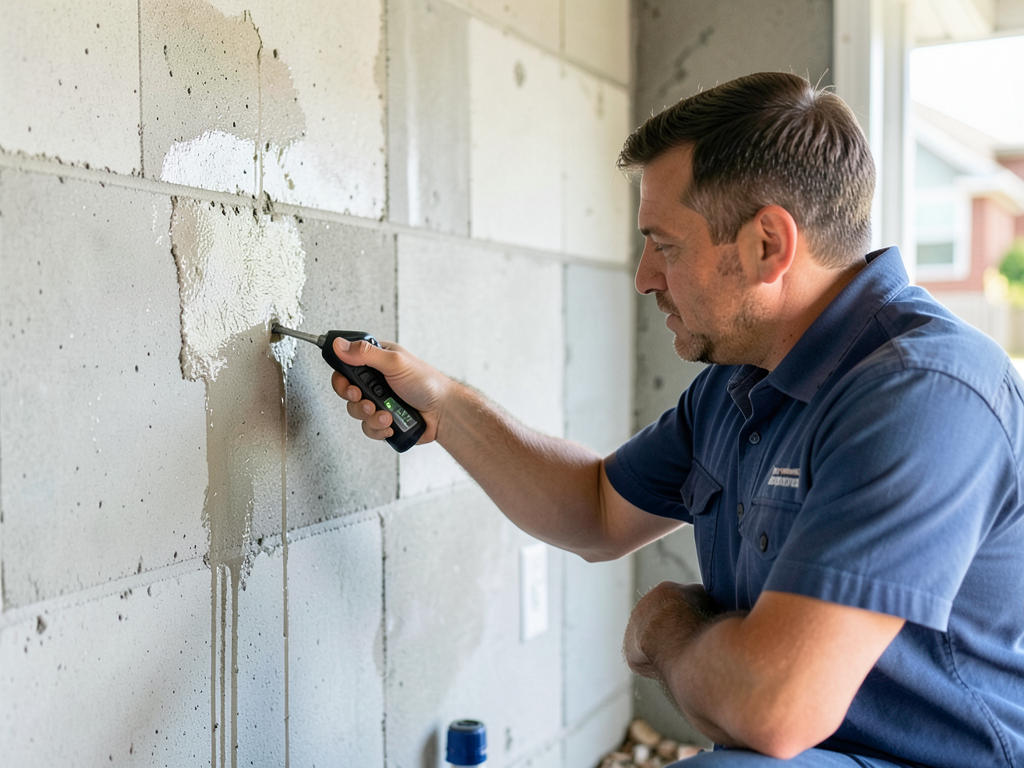
Managing Basement Moisture During the Humid Dog Days of a Buffalo Summer Your basement smells musty. The walls feel damp. You notice condensation on the windows even though it hasn’t rained in days. Buffalo summers…
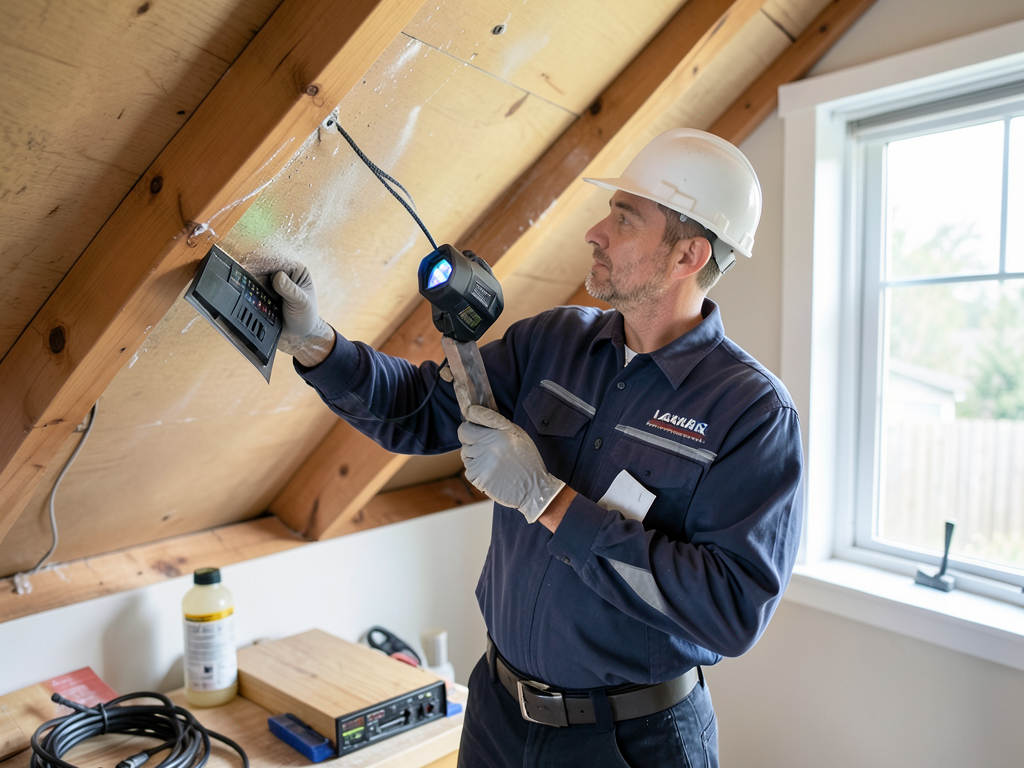
Why High Humidity in Your Lackawanna Attic is a Recipe for Structural Rot High attic…

Protecting Your Home Office Electronics After a Water Leak in Your Snyder Spare Room Water…
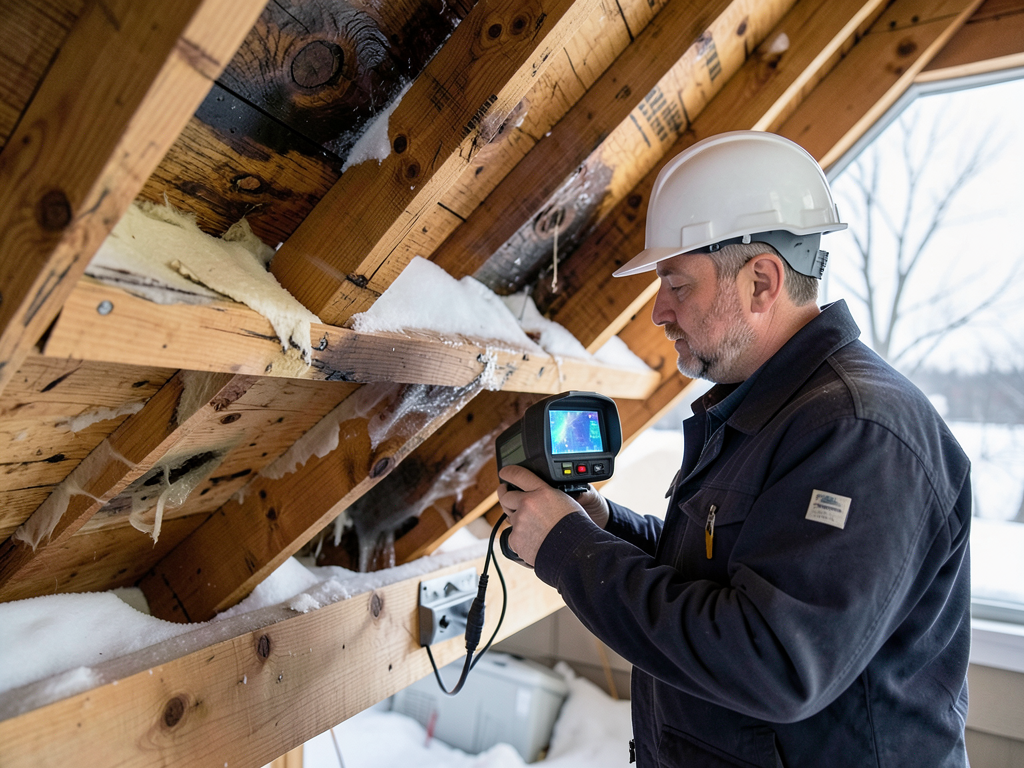
How to Tell if a Small Roof Leak is Actually a Major Mold Risk in…
Don't let water damage spread while you wait. Call Alpha Water Damage Restoration Buffalo now at (716) 317-7717 for immediate response to your West Seneca property. Our trucks are loaded and ready to deploy. Stop the damage before it gets worse.