


Cheektowaga sits in the Lake Erie snowbelt, and that geography creates water damage threats in every season. Winter brings heavy snow loads that pile up on roofs near Walden Galleria and throughout residential areas like the Cleveland Hill neighborhood. When temperatures swing during March and April thaw cycles, ice dams form along roof edges and gutters overflow. Meltwater finds its way into attics and walls.
Spring rains soak the clay-heavy soil common across Cheektowaga, putting pressure on basement foundations in older homes near Como Lake Park and along Harlem Road. Summer storms roll in fast from Lake Erie with heavy downpours that overwhelm aging storm drains and cause street flooding near the Thruway interchange.
The housing stock matters too. Many Cheektowaga homes were built between 1950 and 1970 with concrete block foundations and minimal waterproofing. Sump pumps fail during power outages. Washing machine hoses rupture. Water heaters leak in finished basements. The clay soil does not absorb water quickly, so exterior drainage problems turn into interior flooding. These conditions mean water damage can happen to any property at any time, and the response window is short before secondary damage sets in.
Alpha Water Damage Restoration Buffalo has operated in Cheektowaga for years, and we know what works in these properties. Our crews understand how water moves through concrete block foundations, how insulation holds moisture in ranch-style attics, and how finished basements trap humidity after flooding. We have dried out hundreds of Cheektowaga homes and commercial buildings from Maryvale to Pine Hill, and that experience means faster diagnosis and complete mitigation.
We keep three fully equipped emergency response trucks in the area with truck-mounted extraction units, air movers, dehumidifiers, and moisture detection equipment. When you call our dispatch line, a crew is moving toward your property while you are still on the phone. We arrive with everything needed to stop water damage progression immediately.
Insurance coordination is built into our process. We document damage with thermal imaging cameras and moisture meters, photograph every affected area, create detailed scope reports, and communicate directly with your adjuster. Most Cheektowaga homeowners have never filed a water damage claim before, and navigating that process during an emergency adds stress. We remove that burden. You get one point of contact who handles mitigation work and insurance paperwork simultaneously.
Our drying protocols follow IICRC S500 standards. We do not leave your property until moisture readings in walls, floors, and structural materials return to normal levels. That commitment prevents mold growth and protects your home value. We also work within your life. If you need to stay in the house during drying, we position equipment to maintain access to kitchens and bathrooms. If you need to leave, we secure the property and check it daily.

Our trucks are positioned across Cheektowaga to reach any property within one hour of your call. Fast response limits water migration into walls, flooring, and belongings. We extract standing water immediately and start structural drying before secondary damage occurs. Speed matters when every hour increases restoration costs and mold risk.

We bill your insurance company directly and handle all claim documentation. Our teams photograph damage, create moisture maps, and write detailed scope reports that adjusters accept. You pay only your deductible. We communicate with your carrier throughout the project so you are not caught between restoration work and claim approval.
Every technician on our crews holds IICRC Water Restoration Technician certification. They understand moisture dynamics, proper drying protocols, and antimicrobial treatment. We follow industry standards for equipment placement, air flow, and humidity control. Your property is restored correctly the first time with documented proof of dry conditions before we leave.
We have worked in Cheektowaga homes and businesses for years. We know the construction methods, foundation types, and drainage challenges specific to this area. That local experience means we identify hidden moisture problems that other companies miss and we dry properties faster because we understand how these buildings respond to water intrusion.
Alpha Water Damage Restoration Buffalo handles every aspect of water damage from initial emergency response through final repairs. Water intrusion creates different challenges depending on the source, location, and duration. A burst pipe in a finished basement requires different treatment than roof leak water that has migrated through insulation for weeks. We categorize water by contamination level and match our mitigation approach to the specific conditions in your property.
Our service range covers emergency water removal, structural drying, content restoration, antimicrobial treatment, deodorization, and full reconstruction. We manage residential and commercial projects of any size. Some jobs require only water extraction and drying. Others need wall removal, insulation replacement, and complete rebuild. We scale our response to match your situation.
The goal is always the same. Stop damage progression immediately, dry all structural materials to safe moisture levels, prevent mold growth, and restore your property to pre-loss condition. Our teams work through each phase methodically with constant moisture monitoring and documentation. You receive daily updates on drying progress and timeline. When we complete structural drying, our reconstruction crews can rebuild affected areas if needed, giving you a single point of responsibility from emergency through final walkthrough.
When flooding occurs, standing water must be removed within hours to prevent permanent damage to flooring, drywall, and belongings. Our crews arrive with truck-mounted extraction units that pull thousands of gallons per hour from basements, crawlspaces, and living areas. We remove carpets and padding if saturated, extract water from hardwood floors, and set up containment barriers to isolate affected areas. Emergency board-up and roof tarping protect your property from additional water intrusion while mitigation work proceeds.
Water migrates into wall cavities, subfloors, and insulation where it continues causing damage until properly dried. We use thermal imaging cameras to map moisture spread, then position commercial air movers and dehumidifiers to create optimal drying conditions. Our technicians monitor moisture levels daily in walls, ceilings, and flooring using non-invasive meters. Drying chambers and injection drying systems target moisture in hardwood floors and wall cavities without unnecessary demolition. We document moisture readings throughout the process and provide certification when materials return to acceptable levels.
Sewage backups and toilet overflows contain dangerous bacteria and pathogens that require specialized handling. Our crews wear protective equipment and follow strict containment protocols when removing contaminated water. We dispose of porous materials that cannot be safely sanitized, then clean and disinfect all hard surfaces with EPA-registered antimicrobials. Air scrubbers with HEPA filtration remove airborne contaminants during cleanup. After sanitization, we dry the structure completely and apply antimicrobial treatments to prevent microbial growth on building materials.
Cheektowaga property owners face water damage from multiple sources throughout the year. The climate creates seasonal threats while aging infrastructure and building materials increase vulnerability. Understanding these common problems helps property owners recognize warning signs and call for help before minor leaks become major disasters.
Basement flooding is the most frequent call we receive. Heavy spring rains overwhelm perimeter drains and sump pump systems. Power outages during storms disable sump pumps when they are needed most. Foundation cracks allow groundwater seepage during wet seasons. Once water enters a basement, it spreads across floors and wicks up drywall and insulation. Finished basements suffer the worst damage because water gets trapped behind wall coverings and under flooring.
Winter freeze-thaw cycles cause roof damage and ice dams. Snow accumulation on flat or low-slope roofs can exceed design loads. When snow melts, water backs up under shingles or finds gaps in flashing. Ice dams form when heat loss from attics melts snow that refreezes at roof edges, creating a dam that forces meltwater under roofing materials.
Plumbing failures happen without warning. Water heaters leak when tanks corrode. Supply lines burst when old galvanized pipes fail. Washing machine hoses rupture during fill cycles. These failures dump hundreds of gallons into homes before anyone notices. The water spreads fast through flooring and into walls below the leak source.
Heavy rain saturates Cheektowaga's clay soil and overwhelms foundation drainage systems. Sump pumps fail during power outages. Groundwater enters through foundation cracks and floor drains. Water spreads across basement floors and wicks into drywall, insulation, and stored belongings. Fast extraction and structural drying prevent mold growth and permanent damage to finished spaces.
Ice dams form along roof edges when snow melts and refreezes, forcing water under shingles and into attics. Meltwater stains ceilings, soaks insulation, and drips into wall cavities. The damage often goes unnoticed until stains appear or insulation becomes saturated. Thermal imaging reveals hidden moisture in roof decking and attic spaces before visible damage occurs.
Supply lines burst during cold snaps when pipes freeze in exterior walls or unheated areas. Water heaters leak when tanks corrode through. Washing machine hoses fail under constant pressure. These plumbing failures release hundreds of gallons into homes before shut-off valves are closed. Water migrates through flooring, ceiling assemblies, and wall cavities, requiring extensive drying and sometimes demolition.
Storm drainage systems in older Cheektowaga neighborhoods become overwhelmed during heavy rain events. Sewage backs up through floor drains into basements. Tree roots infiltrate aging sewer laterals and cause blockages. Sewage contains dangerous pathogens that require professional cleanup with proper safety equipment. Contaminated materials must be removed and all surfaces sanitized to protect occupant health.
Water damage creates chaos and stress. You need someone who responds immediately, explains what is happening, and takes control of the situation. Alpha Water Damage Restoration Buffalo operates with clear communication, fast response, and complete transparency from your first call through project completion.
When you call our emergency line, a live person answers 24 hours a day. Our dispatcher asks specific questions about the water source, affected areas, and immediate hazards. We send a crew while you are still on the phone and provide an estimated arrival time. You receive a call when the crew is ten minutes away.
Our crew leader introduces the team, inspects your property, and explains what needs to happen immediately. We walk you through the extraction process, drying timeline, and insurance documentation steps. You receive written estimates and moisture maps before major work begins. We never start services without your approval.
Throughout the drying process, our project manager contacts you daily with moisture reading updates and timeline adjustments. We explain equipment placement and why air movers and dehumidifiers are positioned in specific locations. If we discover hidden moisture or additional damage, we document it with photos and update the scope before proceeding. You always know what is happening and why.
We dispatch a crew to your property within 60 minutes of your call. Our crew leader performs a complete inspection to identify all affected areas and hidden moisture. We use thermal imaging cameras and moisture meters to map water spread through walls, ceilings, and flooring. You receive photos, moisture readings, and a written scope of work before extraction begins. We explain the entire process and answer all questions about timeline, equipment, and insurance coverage.
Our technicians visit your property daily to check moisture levels, adjust equipment, and document drying progress. You receive updates on moisture readings and estimated completion dates. We explain what the numbers mean and why certain areas take longer to dry. If we discover additional moisture or damage, we contact you immediately with photos and updated estimates. You speak with the same project manager throughout the job, never multiple people with conflicting information.
We do not remove equipment until moisture meters confirm that all structural materials have returned to normal levels. You receive a final moisture report with readings from every affected area. This documentation proves your property is completely dry and protects you from future mold claims. If reconstruction is needed, our crews can handle repairs, or we provide detailed reports for your contractor. Your insurance company receives complete documentation for claim closure.
We follow a proven three-phase process that stops damage immediately, dries all structural materials completely, and restores your property to pre-loss condition. Each phase includes specific steps with measurable outcomes and documented proof of completion.
Our crew arrives within 60 minutes with truck-mounted extraction units and portable pumps. We remove standing water from all affected areas, extract moisture from carpets and padding, and set up containment barriers to prevent water spread. Emergency services include roof tarping, board-up, and content pack-out if needed. We photograph all damage for insurance documentation and create an initial moisture map. This phase typically takes four to eight hours depending on water volume and property size.
We position commercial air movers and dehumidifiers to create optimal drying conditions in all affected areas. Our technicians use thermal imaging and moisture meters to track drying progress in walls, floors, and ceilings. We visit daily to record moisture readings, adjust equipment placement, and document conditions. Antimicrobial treatments prevent microbial growth on building materials. This phase takes three to seven days depending on materials affected and initial moisture levels.
We do not remove drying equipment until moisture meters confirm all materials have returned to industry-standard dry levels. You receive a final moisture report with readings from every monitored location. If reconstruction is needed, our licensed contractors rebuild affected areas including drywall, flooring, painting, and trim. We handle all final inspections and provide documentation for insurance claim closure. Your property is restored to pre-loss condition with guaranteed workmanship.
Professional water damage restoration follows strict industry standards developed by the Institute of Inspection Cleaning and Restoration Certification. These standards classify water damage by contamination level and establish protocols for safe mitigation, drying, and restoration. Understanding these categories helps property owners recognize when professional restoration is required and what to expect during the process.
Water damage is classified into three categories based on contamination. Category 1 is clean water from supply lines, rainwater, or melting snow. This water does not pose immediate health risks but becomes Category 2 if left standing for 48 hours as bacteria multiply. Category 2 is gray water from washing machines, dishwashers, or toilet bowls without feces. This water contains biological contamination that can cause illness. Category 3 is black water from sewage backups, toilet overflows with feces, or floodwater that has contacted soil. This water contains dangerous pathogens and requires specialized handling with safety equipment.
Material porosity determines restoration approach. Non-porous materials like metal, glass, and hard plastics can be cleaned and sanitized. Semi-porous materials like wood and concrete can be dried and restored if Category 1 water is involved but may require removal if contaminated. Porous materials like drywall, insulation, carpet padding, and upholstered furniture absorb water rapidly and cannot be effectively sanitized if exposed to Category 2 or 3 water.
The IICRC S500 Standard guides all restoration decisions. This standard establishes moisture content targets for different materials, equipment placement formulas for optimal air flow, and documentation requirements for proving structures are completely dry. Insurance companies and restoration professionals reference S500 when determining appropriate mitigation approaches and verifying complete drying. Following these standards protects property owners from future mold growth and ensures insurance claims are paid without dispute.
Moisture mapping uses thermal imaging cameras and penetrating moisture meters to identify all affected areas including hidden moisture in wall cavities and subfloors. This documentation creates a baseline that guides equipment placement and tracks drying progress. Psychrometry calculates the specific humidity and temperature conditions needed to achieve proper drying in different materials and environments.
Category 1 clean water comes from supply lines and poses no immediate health risk. Category 2 gray water contains biological contamination from appliances or fixtures. Category 3 black water includes sewage or floodwater with dangerous pathogens. Each category requires different handling protocols, safety equipment, and material removal decisions. Water category determines what can be saved and what must be discarded for health safety.
Water damage restoration costs vary based on water volume, contamination category, affected materials, and structure complexity. Finished basements cost more to restore than unfinished spaces because of drywall, flooring, and trim replacement. Category 3 sewage cleanup requires disposal of porous materials and extensive sanitization. Hidden moisture in wall cavities may require targeted demolition. Most insurance policies cover sudden water damage but exclude gradual leaks and maintenance issues.
Structural drying takes three to seven days depending on building materials, initial moisture levels, and environmental conditions. Concrete and masonry dry slower than wood framing. High humidity extends drying time. Proper drying cannot be rushed without risking mold growth. We monitor moisture daily and document progress. Equipment remains in place until meters confirm materials have reached acceptable moisture content levels specified in IICRC standards.
Homeowner policies typically cover sudden water damage from burst pipes, appliance failures, and roof leaks. Flood damage requires separate flood insurance. Insurance companies require detailed documentation including photos, moisture maps, equipment logs, and daily progress reports. We provide all documentation directly to your adjuster and bill your insurance company after deductible. Proper documentation prevents claim delays and ensures full coverage for eligible losses.
This video explains professional water damage restoration services in Cheektowaga, NY. Topics include emergency water extraction procedures, structural drying timelines, insurance claim documentation, and local water damage risks specific to Cheektowaga properties. The video covers IICRC restoration standards, moisture mapping techniques, and why immediate response prevents mold growth and secondary damage. Alpha Water Damage Restoration Buffalo provides 24/7 emergency services throughout Cheektowaga and Erie County with certified technicians and direct insurance billing.
Alpha Water Damage Restoration Buffalo provides emergency water damage services throughout Cheektowaga and the greater Buffalo metro area. We maintain response trucks positioned to reach any location within 60 minutes, and our crews know every neighborhood and building type across the region.
In Cheektowaga, we regularly serve properties from the Maryvale neighborhood in the western section through the Cleveland Hill area in the east. We respond to calls along Union Road near the Walden Galleria where commercial properties and apartment complexes face storm drainage challenges during heavy rains. The residential neighborhoods around Como Lake Park and Villa Park see frequent basement flooding during spring thaw cycles when groundwater tables rise. Homes along Harlem Road and Genesee Street in the central corridor often have older foundation systems that develop seepage problems during wet seasons.
The Pine Hill and Doyle neighborhoods in northern Cheektowaga contain many ranch-style homes built in the 1960s with concrete block foundations. These properties experience different water intrusion patterns than newer construction. We understand how water moves through these foundation types and where moisture hides in finished basements. The south Cheektowaga area near William Street and Thruway Plaza deals with street flooding during heavy storms because of aging storm sewer infrastructure.
Our service area extends throughout Erie County including West Seneca, Depew, Lancaster, and Amherst. We work in the City of Buffalo neighborhoods and surrounding suburbs. Each community has distinct building characteristics and water damage patterns. Older Buffalo homes near Delaware Park have different restoration needs than suburban split-levels in Clarence. We adapt our approach based on building age, construction methods, and local water table conditions.
Water damage does not respect municipal boundaries. If your property is within the greater Buffalo metro, we respond immediately regardless of location. Our goal is protecting every property we serve with the same urgency and expertise whether the call comes from a Cheektowaga ranch house, a West Seneca commercial building, or a historic Buffalo residence.
Most water damage restoration projects in Cheektowaga take 3 to 5 days. Simple cases with minimal water exposure finish faster. Extensive damage from flooding or sewage backups takes longer. The timeline depends on how much water entered your home, which materials got wet, and how quickly professionals started drying. Professionals extract water on day one, then run dehumidifiers and air movers for 2 to 4 days. They monitor moisture levels daily. Repairs and reconstruction add extra time after drying completes.
Water damage restoration expenses in Cheektowaga NY vary based on damage severity and affected square footage. Minor issues like small leaks cost less than major flooding. The pricing depends on how many rooms need drying, what equipment gets deployed, and whether repairs require mold remediation. Most restoration companies offer free inspections and provide detailed estimates before starting work. Getting quotes from multiple local providers helps you compare pricing. Your insurance policy often covers restoration expenses when the damage results from sudden incidents like burst pipes.
Most Cheektowaga homeowners insurance policies cover sudden and accidental water damage. Burst pipes, appliance malfunctions, and roof leaks from storms typically qualify for coverage. Gradual damage from slow leaks or maintenance neglect gets denied. Flood damage from rising water requires separate flood insurance. Read your policy carefully and contact your insurance agent immediately after water damage occurs. Document everything with photos and keep all receipts. Your restoration company helps you understand what your policy covers and assists with the claims process.
Most water damage restoration projects in Cheektowaga take 3 to 5 days. Simple cases with minimal water exposure finish faster. Extensive damage from flooding or sewage backups takes longer. The timeline depends on how much water entered your home, which materials got wet, and how quickly professionals started drying. Professionals extract water on day one, then run dehumidifiers and air movers for 2 to 4 days. They monitor moisture levels daily. Repairs and reconstruction add extra time after drying completes.
Water damage restoration expenses in Cheektowaga NY vary based on damage severity and affected square footage. Minor issues like small leaks cost less than major flooding. The pricing depends on how many rooms need drying, what equipment gets deployed, and whether repairs require mold remediation. Most restoration companies offer free inspections and provide detailed estimates before starting work. Getting quotes from multiple local providers helps you compare pricing. Your insurance policy often covers restoration expenses when the damage results from sudden incidents like burst pipes.
Most Cheektowaga homeowners insurance policies cover sudden and accidental water damage. Burst pipes, appliance malfunctions, and roof leaks from storms typically qualify for coverage. Gradual damage from slow leaks or maintenance neglect gets denied. Flood damage from rising water requires separate flood insurance. Read your policy carefully and contact your insurance agent immediately after water damage occurs. Document everything with photos and keep all receipts. Your restoration company helps you understand what your policy covers and assists with the claims process.
You need emergency water damage restoration in Cheektowaga if water actively flows into your home, covers your floors, or comes from contaminated sources like sewage. Call immediately if you see standing water, soaked ceilings, or wet walls. Water spreads quickly through building materials and causes mold growth within 24 to 48 hours. Burst pipes, flooding basements, and major appliance failures all require urgent response. Fast action prevents structural damage and reduces restoration expenses. Emergency services operate 24 hours daily for urgent situations.
Water damage restoration companies in Cheektowaga use industrial-grade water extractors to remove standing water quickly. High-powered air movers create airflow to speed evaporation. Commercial dehumidifiers pull moisture from the air and materials. Moisture meters measure water content in walls, floors, and ceilings. Thermal imaging cameras detect hidden water behind surfaces. Air scrubbers filter mold spores and contaminants. Companies also use antimicrobial treatments to prevent mold growth. Professional equipment works faster and more effectively than household fans and shop vacuums.
Whether you stay in your Cheektowaga home during water damage restoration depends on the damage extent and location. Minor water damage affecting one room allows you to stay home. Extensive damage throughout multiple rooms makes staying difficult. Loud equipment runs continuously for days. Contaminated water from sewage requires evacuation for health reasons. Major structural damage poses safety risks. Your restoration company assesses your situation and recommends the safest option. Some families stay with relatives or in hotels while work completes.
Preventing mold after water damage in Cheektowaga requires immediate action and thorough drying. Remove standing water within 24 hours. Run dehumidifiers and air movers to dry all wet materials completely. Remove porous materials like carpet padding and drywall if they stayed wet too long. Clean and disinfect all affected surfaces. Keep indoor humidity below 50 percent. Professional moisture monitoring confirms everything dried properly. Mold grows in damp conditions, so eliminating moisture stops its growth. Quick response makes the biggest difference in mold prevention.
Burst pipes cause the most water damage in Cheektowaga homes during winter months. Frozen pipes rupture when temperatures drop. Basement flooding from heavy rain and snowmelt ranks second. Aging washing machine hoses and water heater failures damage many homes annually. Roof leaks from ice dams allow water inside during winter. Sewer backups affect homes with older plumbing systems. Sump pump failures during storms flood basements. Regular maintenance and inspections catch problems before they cause serious damage. Winter pipe protection prevents the most common issue.
Yes, water damage restoration companies in Cheektowaga work directly with insurance adjusters. They document damage with photos and detailed reports. They provide estimates that match insurance requirements. Many companies bill your insurance directly after you pay your deductible. They communicate with adjusters throughout the restoration process. This cooperation speeds up your claim approval. Experienced restoration companies understand insurance procedures and help you get fair compensation. They attend inspection appointments with adjusters when needed. This support reduces your stress during the claims process.
Call a water damage restoration company in Cheektowaga immediately after discovering flood damage. Every hour of delay increases damage severity and restoration expenses. Water spreads through porous materials like drywall, insulation, and wood. Mold begins growing within 24 to 48 hours. Structural damage worsens as materials stay saturated. Most restoration companies offer 24-hour emergency response for urgent situations. Fast professional intervention saves your belongings and prevents extensive repairs. Even after hours or on weekends, emergency services respond quickly to minimize damage.
You need emergency water damage restoration in Cheektowaga if water actively flows into your home, covers your floors, or comes from contaminated sources like sewage. Call immediately if you see standing water, soaked ceilings, or wet walls. Water spreads quickly through building materials and causes mold growth within 24 to 48 hours. Burst pipes, flooding basements, and major appliance failures all require urgent response. Fast action prevents structural damage and reduces restoration expenses. Emergency services operate 24 hours daily for urgent situations.
Water damage restoration companies in Cheektowaga use industrial-grade water extractors to remove standing water quickly. High-powered air movers create airflow to speed evaporation. Commercial dehumidifiers pull moisture from the air and materials. Moisture meters measure water content in walls, floors, and ceilings. Thermal imaging cameras detect hidden water behind surfaces. Air scrubbers filter mold spores and contaminants. Companies also use antimicrobial treatments to prevent mold growth. Professional equipment works faster and more effectively than household fans and shop vacuums.
Whether you stay in your Cheektowaga home during water damage restoration depends on the damage extent and location. Minor water damage affecting one room allows you to stay home. Extensive damage throughout multiple rooms makes staying difficult. Loud equipment runs continuously for days. Contaminated water from sewage requires evacuation for health reasons. Major structural damage poses safety risks. Your restoration company assesses your situation and recommends the safest option. Some families stay with relatives or in hotels while work completes.
Preventing mold after water damage in Cheektowaga requires immediate action and thorough drying. Remove standing water within 24 hours. Run dehumidifiers and air movers to dry all wet materials completely. Remove porous materials like carpet padding and drywall if they stayed wet too long. Clean and disinfect all affected surfaces. Keep indoor humidity below 50 percent. Professional moisture monitoring confirms everything dried properly. Mold grows in damp conditions, so eliminating moisture stops its growth. Quick response makes the biggest difference in mold prevention.
Burst pipes cause the most water damage in Cheektowaga homes during winter months. Frozen pipes rupture when temperatures drop. Basement flooding from heavy rain and snowmelt ranks second. Aging washing machine hoses and water heater failures damage many homes annually. Roof leaks from ice dams allow water inside during winter. Sewer backups affect homes with older plumbing systems. Sump pump failures during storms flood basements. Regular maintenance and inspections catch problems before they cause serious damage. Winter pipe protection prevents the most common issue.
Yes, water damage restoration companies in Cheektowaga work directly with insurance adjusters. They document damage with photos and detailed reports. They provide estimates that match insurance requirements. Many companies bill your insurance directly after you pay your deductible. They communicate with adjusters throughout the restoration process. This cooperation speeds up your claim approval. Experienced restoration companies understand insurance procedures and help you get fair compensation. They attend inspection appointments with adjusters when needed. This support reduces your stress during the claims process.
Call a water damage restoration company in Cheektowaga immediately after discovering flood damage. Every hour of delay increases damage severity and restoration expenses. Water spreads through porous materials like drywall, insulation, and wood. Mold begins growing within 24 to 48 hours. Structural damage worsens as materials stay saturated. Most restoration companies offer 24-hour emergency response for urgent situations. Fast professional intervention saves your belongings and prevents extensive repairs. Even after hours or on weekends, emergency services respond quickly to minimize damage.
Although we offer rapid mobile service across the entire Buffalo area and surrounding regions, we invite you to view our service area map to confirm our commitment to your community. We are always ready to deploy our expert teams directly to your residential or commercial property, ensuring the fastest possible response time when you need water damage restoration most, right where you are.
Address:
Cheektowaga, NY, 14225
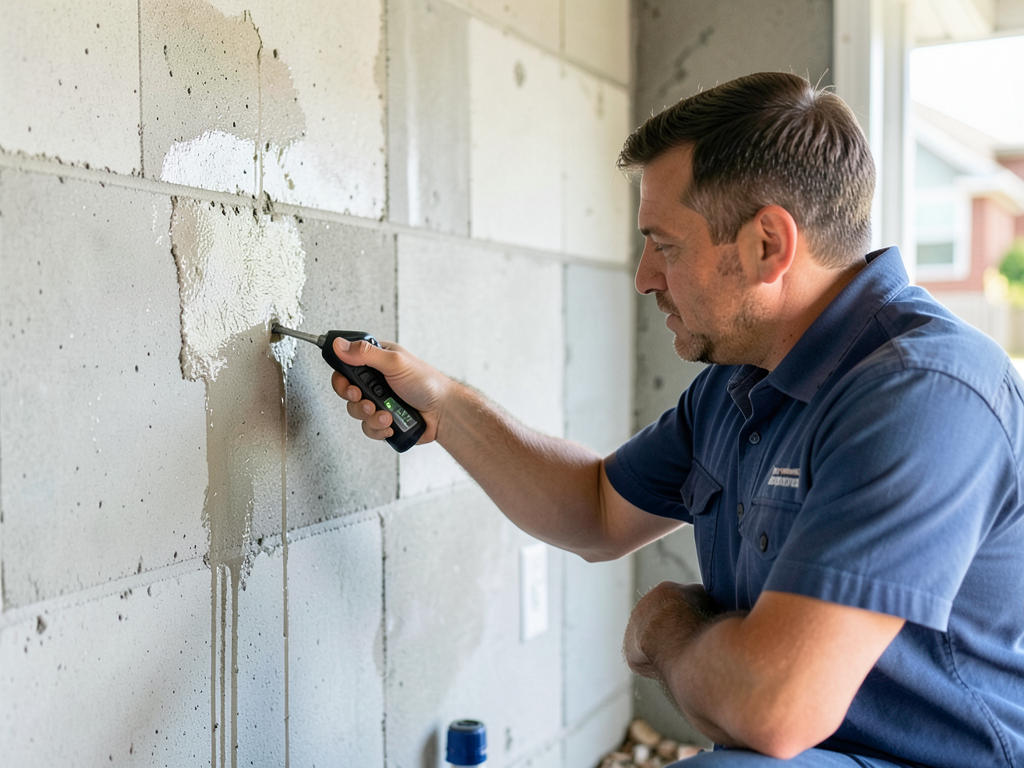
Managing Basement Moisture During the Humid Dog Days of a Buffalo Summer Your basement smells musty. The walls feel damp. You notice condensation on the windows even though it hasn’t rained in days. Buffalo summers…
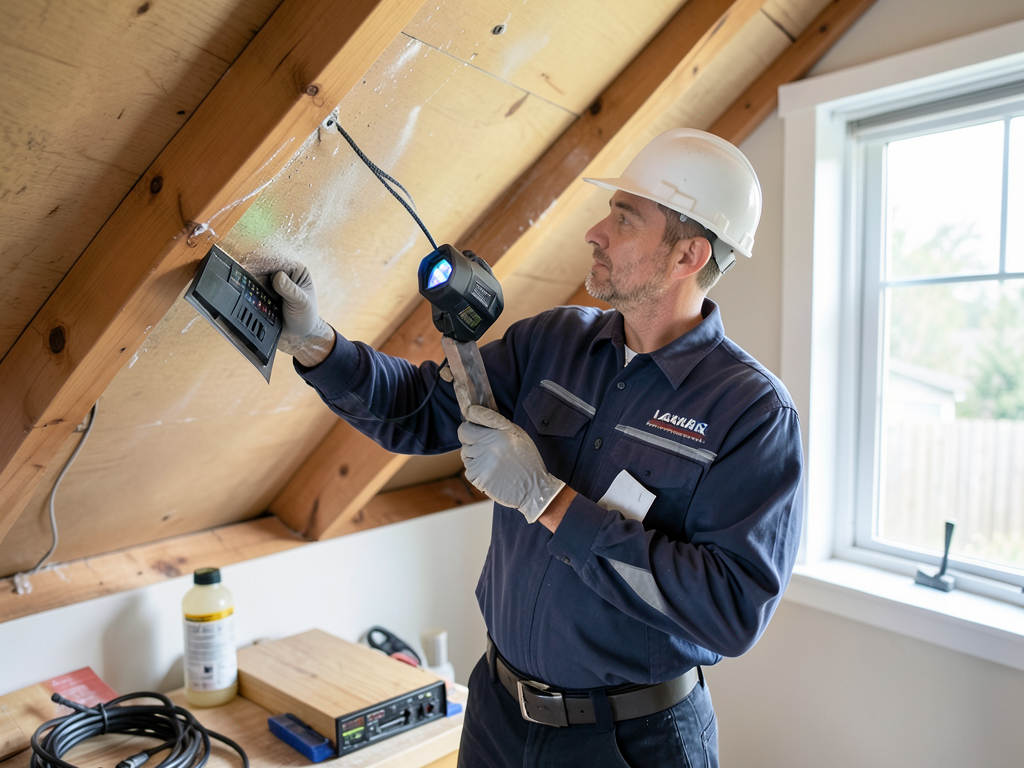
Why High Humidity in Your Lackawanna Attic is a Recipe for Structural Rot High attic…
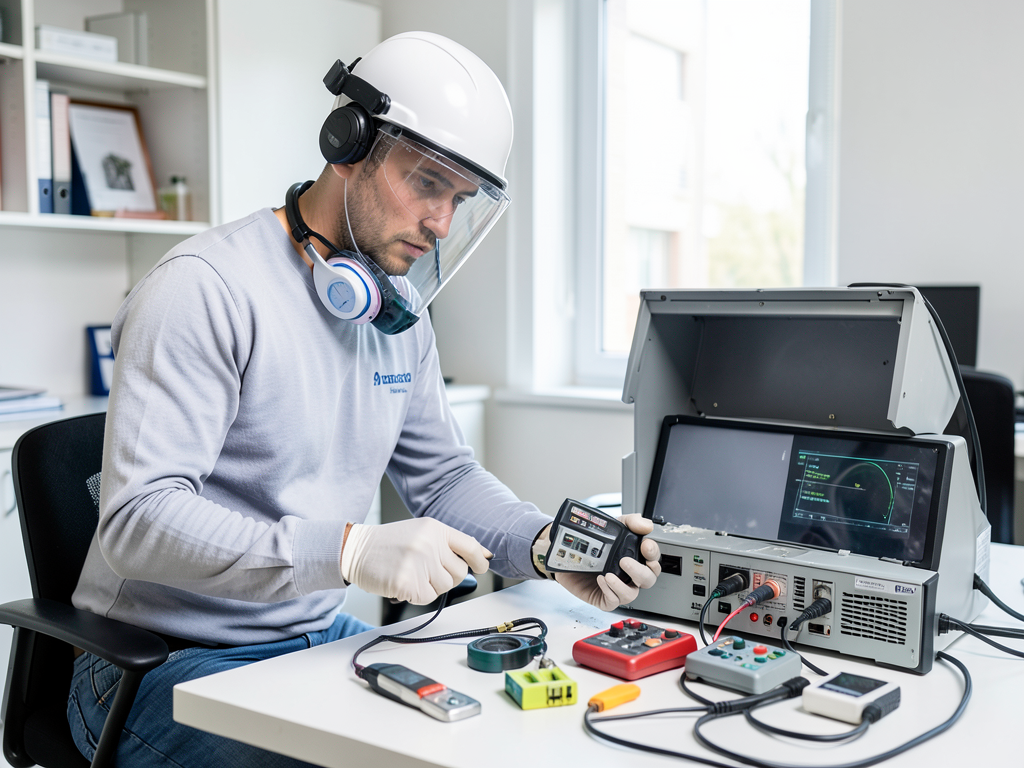
Protecting Your Home Office Electronics After a Water Leak in Your Snyder Spare Room Water…
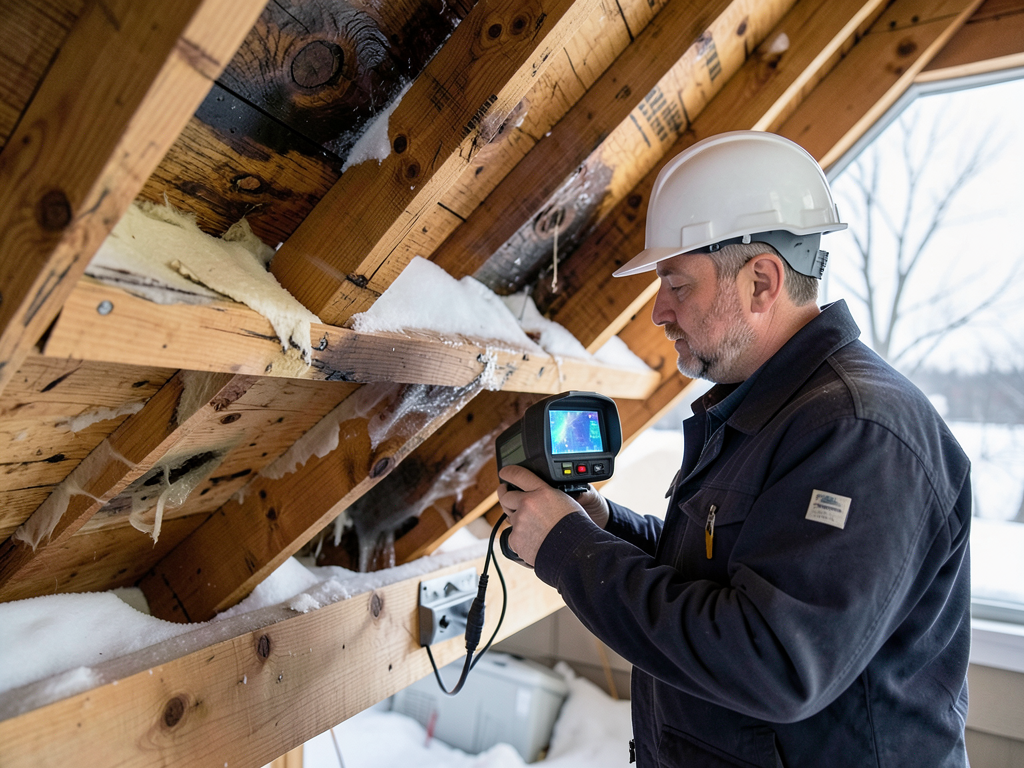
How to Tell if a Small Roof Leak is Actually a Major Mold Risk in…
Every hour of delay increases damage and restoration costs. Call Alpha Water Damage Restoration Buffalo now at (716) 317-7717 for emergency water removal and structural drying. Our crews respond 24/7 across Cheektowaga with the equipment and experience to stop damage and restore your property completely.