


Lackawanna sits along Lake Erie's shoreline where lake effect snow, rapid spring thaw cycles, and severe storms create constant water intrusion threats. Properties near Route 5 and along the lakefront deal with elevated groundwater tables that pressure basement walls and floor drains. The city's aging housing stock, much of it built for steel industry workers in the early 1900s, features stone foundations and outdated drainage systems that fail during heavy precipitation events.
Winter freeze-thaw cycles crack exterior walls and roof lines. Spring runoff overwhelms antiquated storm sewers in neighborhoods near the Old First Ward. Heavy lake effect snow loads on flat commercial roofs along Ridge Road lead to ice dam formations and interior ceiling leaks. Lackawanna's clay-rich soil expands when saturated, pushing against foundation walls and creating entry points for groundwater. Homes near Smokes Creek experience seasonal flooding that sends contaminated water into basements. The combination of severe weather patterns, lakefront geography, and older infrastructure means water damage happens fast and requires immediate professional intervention to prevent structural deterioration and mold colonization.
Alpha Water Damage Restoration Buffalo operates 24/7 with crews stationed near Lackawanna for rapid deployment to water emergencies. We understand how Lake Erie weather patterns create unique water damage scenarios that require specific equipment and techniques. Our technicians train on basement flood extraction in homes with stone foundations common throughout Lackawanna's historic neighborhoods. We maintain relationships with local insurance adjusters who handle claims in Erie County, speeding up your approval process and getting restoration work started faster.
Our truck-mounted extraction units and commercial dehumidifiers handle everything from burst pipe floods to storm surge damage along the lakefront. We document every phase of water removal and structural drying with moisture meters and thermal imaging to satisfy insurance requirements and prevent claim disputes. You get detailed daily reports showing drying progress and exactly what work we completed. We coordinate directly with your insurance company so you are not stuck making phone calls while water soaks into your walls and subfloors.
Lackawanna properties need fast response times because water damage accelerates in the humid lakefront environment. Mold begins growing within 48 hours of water exposure. We extract standing water within hours of your call and place drying equipment immediately to stop secondary damage. Our technicians know which Lackawanna neighborhoods experience basement flooding, roof leaks, and foundation seepage. We have seen every type of water damage scenario in this city and know exactly how to fix it.

Our crews respond within 60 minutes to water emergencies across Lackawanna. We arrive with truck-mounted extraction units, industrial dehumidifiers, and air movers to start water removal immediately. Standing water causes exponential damage every hour it remains in your property. Fast response prevents structural deterioration and mold growth.

We handle all communication with your insurance adjuster and provide detailed documentation they require for claim approval. You receive itemized reports with photos showing damage extent and restoration progress. We have worked with every major insurer operating in Erie County and understand their documentation standards. This speeds up your claim and gets you paid faster.
Our team holds IICRC certifications in water damage restoration and applied structural drying. We follow strict protocols for moisture mapping, extraction, and dehumidification. Every job gets managed according to industry standards that insurance companies recognize. Certified technicians know how to dry structures properly and prevent mold growth that causes claim complications later.
We know which Lackawanna neighborhoods flood during spring thaw, where lake effect snow causes ice dams, and how the city's older homes respond to water intrusion. This local knowledge means faster diagnosis and proper restoration techniques for your specific property type. We have restored water damage in homes across every Lackawanna neighborhood.
Alpha Water Damage Restoration Buffalo handles every phase of water damage recovery for Lackawanna properties. We respond to burst pipes, basement floods, roof leaks, sewage backups, and storm damage with the equipment and expertise needed for complete restoration. Our services include emergency water extraction, structural drying, dehumidification, mold prevention, and full reconstruction of damaged areas. We work on residential homes, commercial buildings, and industrial facilities throughout Lackawanna.
Each water damage scenario requires different techniques and equipment. A burst pipe flood needs immediate extraction and wall cavity drying. Storm damage may require roof tarping and exterior water diversion. Sewage backups demand contaminated material removal and antimicrobial treatment. We categorize water damage by contamination level and structural impact, then deploy the appropriate restoration protocol. Our technicians assess your specific situation and explain exactly what restoration work your property needs. We handle insurance documentation while executing the technical work required to dry your structure properly and prevent long-term problems.
Our crews arrive with truck-mounted extraction units that remove standing water from basements, crawl spaces, and flooded rooms within hours. We extract thousands of gallons quickly to stop damage progression. Immediate water removal prevents subfloor deterioration, wall wicking, and electrical hazards. We place commercial air movers and dehumidifiers immediately after extraction to begin structural drying. Emergency extraction services include furniture moving, content protection, and initial moisture mapping to identify all affected areas.
Water soaks into drywall, insulation, framing lumber, and subfloors where it causes hidden damage. We use thermal imaging and moisture meters to map water migration through your structure. Our drying equipment runs continuously until moisture levels return to normal standards. Wall cavities get opened when necessary to dry framing and insulation. We monitor drying progress daily with documented moisture readings. Proper structural drying prevents mold growth, wood rot, and material warping that causes expensive problems later.
After drying your structure completely, we rebuild damaged areas to pre-loss condition. This includes drywall replacement, flooring installation, painting, trim work, and any other reconstruction needed. We handle the entire restoration process from initial emergency response through final repairs. You get one company managing your complete recovery instead of coordinating multiple contractors. Our crews complete reconstruction work according to building codes and insurance specifications. Full restoration service returns your property to normal condition efficiently.
Lackawanna's lakefront location and older housing infrastructure create specific water damage vulnerabilities. Properties throughout the city face seasonal flooding risks, foundation seepage, and weather-related failures that require professional water damage restoration. Understanding these common problems helps property owners recognize damage early and call for help before minor leaks become major disasters.
Lake effect storms dump heavy snow that melts rapidly during temperature swings. Spring runoff overwhelms aging storm sewers and sends water into basements. Old homes with stone foundations and outdated waterproofing systems leak during heavy rain. Ice dams form on flat commercial roofs and cause interior water intrusion. These problems happen repeatedly across Lackawanna and require immediate professional response to prevent structural damage and mold contamination that threatens property value and occupant health.
High water tables near Lake Erie push groundwater through foundation walls and floor cracks. Sump pumps fail during power outages when you need them most. Basement floods damage furnaces, water heaters, electrical panels, and stored belongings. Standing water must get extracted immediately and foundations need proper waterproofing to prevent recurring problems.
Heavy lake effect snow creates ice formations that trap melting water on roofs. Water backs up under shingles and leaks into attics, insulation, and ceiling cavities. Ice dam damage appears as ceiling stains, wall discoloration, and dripping water inside your home. Roof leaks require immediate tarping, interior drying, and proper insulation repair to prevent recurrence.
Lackawanna's cold winters freeze water lines in exterior walls and unheated spaces. Frozen pipes burst without warning and flood homes with hundreds of gallons. Pipe burst floods damage multiple rooms and soak insulation inside walls. Emergency response must include immediate water extraction, pipe repair, and wall cavity drying to prevent mold growth in hidden spaces.
Old sewer lines throughout Lackawanna backup during heavy rain events. Sewage backups contaminate basements with dangerous bacteria and require specialized cleaning protocols. Contaminated materials must get removed and disposed of properly. Sewage cleanup demands antimicrobial treatment and complete structural sanitization to protect occupant health and meet insurance requirements.
Water damage creates panic and confusion. You need clear answers about what happens next and when your property returns to normal. Alpha Water Damage Restoration Buffalo follows a structured response process that stops damage immediately, communicates clearly throughout restoration, and delivers documented results that satisfy your insurance company.
When you call our emergency line, you speak directly with a restoration technician who asks specific questions about your water damage situation. We need to know the water source, how much standing water exists, and what areas got affected. This information determines what equipment we bring and how we approach your restoration. Our crews arrive fast and start working immediately because every hour matters when water soaks into your structure.
We answer emergency calls 24/7 and dispatch crews immediately to your Lackawanna property. You receive estimated arrival time when you call. Our technicians contact you while driving to your location to confirm details and answer questions. We understand water emergencies create stress and worry. You get direct phone numbers for the crew chief managing your restoration and can call anytime for updates. We explain exactly what work we are doing and why it matters for proper restoration.
We photograph and document all damage before starting restoration work. You receive detailed reports with moisture readings, equipment logs, and daily progress updates. This documentation gets provided directly to your insurance adjuster in the format they require. We handle all communication with your insurance company and explain coverage questions in plain language. Our goal is getting your claim approved quickly so restoration work proceeds without payment delays or disputes about what coverage includes.
We do not leave your property until it is completely dry and fully restored. Our crews run drying equipment until moisture readings return to normal standards. We provide final documentation showing your structure dried properly. After drying completion, our reconstruction team rebuilds damaged areas using quality materials and skilled workmanship. You get a fully restored property that meets building codes and looks like damage never happened.
We follow proven protocols that stop damage fast and restore your property completely. This process works for every water damage scenario from small leaks to major floods.
Our crew arrives and immediately assesses damage extent, water source, and safety hazards. We identify all affected areas using moisture meters and thermal imaging. Truck-mounted extraction units remove standing water within hours. We move furniture and belongings to dry areas and begin content protection. Commercial air movers and dehumidifiers get placed strategically to start structural drying immediately after extraction. You receive an initial damage report with photos documenting pre-restoration conditions for insurance purposes.
Drying equipment runs continuously while we monitor moisture levels daily. We document drying progress with recorded moisture readings that show water removal from structural materials. Wall cavities, insulation, and subfloors get dried using specialized techniques. We adjust equipment placement based on moisture readings to ensure complete drying. This phase takes three to seven days depending on damage extent and materials affected. You receive daily updates showing exactly how drying progresses and when we expect completion.
After confirming your structure dried completely, we begin reconstruction work. Damaged drywall, flooring, trim, and other materials get replaced. Our crews complete all repairs needed to return your property to pre-loss condition. We perform final inspection and provide documentation showing restoration completion. You receive warranty information covering our restoration work. Final reports get submitted to your insurance company confirming claim completion and proper restoration according to industry standards.
Professional water damage restoration follows strict technical standards established by the Institute of Inspection Cleaning and Restoration Certification. These standards define proper techniques for water extraction, structural drying, and contamination control. Alpha Water Damage Restoration Buffalo trains technicians according to IICRC S500 Standard for Professional Water Damage Restoration, which specifies procedures for different water categories and material classes.
Water damage gets categorized by contamination level. Category 1 clean water comes from supply lines and poses minimal health risk. Category 2 grey water contains contamination from appliances or toilet overflow. Category 3 black water involves sewage or flooding from outside sources and requires specialized handling protocols. Each category demands different safety equipment, cleaning procedures, and disposal methods. We identify water category immediately upon arrival and implement appropriate restoration protocols.
Structural materials get classified by porosity and drying difficulty. Class 1 affects low-porosity materials with minimal water absorption. Class 2 involves walls and structural materials with significant absorption. Class 3 includes ceiling cavities, insulation, and areas where water saturates from overhead. Class 4 covers specialty materials like hardwood, plaster, and concrete that require advanced drying techniques. Our technicians assess material class and deploy appropriate drying equipment based on these classifications.
Proper structural drying requires maintaining specific temperature and humidity levels while monitoring moisture content in building materials. We use psychrometric calculations to determine optimal dehumidification rates for your structure size and damage extent. Moisture meters measure water content in wood framing, drywall, and subfloors. We document moisture readings daily and continue drying until readings return to industry-accepted dry standards. This technical approach prevents mold growth and ensures complete restoration that satisfies insurance requirements and protects your property value.
Professional water damage restoration requires IICRC certification in Water Damage Restoration and Applied Structural Drying. These certifications verify technician knowledge of industry standards, safety protocols, and proper drying techniques. Insurance companies recognize IICRC credentials and require certified contractors for major water damage claims. Our technicians maintain current certifications through ongoing training in restoration science and emerging techniques.
Water damage restoration costs depend on damage extent, water category, affected materials, and drying time required. Category 3 sewage contamination costs more due to specialized cleaning and disposal requirements. Extensive structural drying increases equipment rental duration and labor hours. Hidden water migration into wall cavities and insulation adds to restoration complexity. Insurance typically covers water damage restoration when damage results from sudden accidents rather than gradual leaks or maintenance failures.
Structural drying takes three to seven days for most water damage situations. Large floods affecting multiple rooms may require ten days or longer. Dense materials like plaster walls and concrete floors dry slower than standard drywall. High humidity environments near Lake Erie extend drying time because dehumidifiers work harder to remove moisture. We monitor moisture levels daily and continue drying until readings confirm complete water removal from all structural materials.
Mold begins growing within 48 hours after water exposure. Fast extraction and immediate drying prevent mold colonization. We apply antimicrobial treatments to affected surfaces when appropriate. Proper dehumidification maintains humidity levels below 60 percent where mold cannot establish. Areas with existing mold growth require specialized remediation following EPA and IICRC guidelines. Preventing mold saves money and protects indoor air quality for building occupants.
Professional explanation of water damage restoration processes for Lackawanna, New York property owners. Covers emergency water extraction techniques, structural drying protocols, moisture monitoring procedures, and insurance coordination requirements. Details how Lake Erie weather patterns and aging infrastructure create water damage risks in Lackawanna homes and commercial buildings. Explains IICRC standards for water removal, contamination categories, and proper restoration timelines. Provides technical information about equipment, drying science, and mold prevention protocols used during professional water damage restoration.
Alpha Water Damage Restoration Buffalo responds to water emergencies throughout every Lackawanna neighborhood. We know the city's geography and understand how different areas face unique water damage risks based on location, elevation, and housing age. Properties along the Lake Erie shoreline near Route 5 experience storm surge and elevated groundwater issues that demand specialized waterproofing and rapid extraction capabilities. Homes in the Ridge Road corridor deal with roof damage from heavy lake effect snow accumulation.
The historic residential areas near Bethlehem Park contain older homes with stone foundations that leak during spring thaw cycles. We have restored water damage in homes throughout the neighborhood between South Park Avenue and Steelawanna Avenue where aging infrastructure contributes to recurring basement flooding. Properties near Smokes Creek face seasonal overflow conditions that send contaminated water into lower levels. Commercial buildings along Hamburg Turnpike require fast response to minimize business interruption and protect inventory.
Our crews know how to navigate Lackawanna streets quickly and arrive prepared for the specific challenges your neighborhood presents. We maintain equipment staging near the city for rapid deployment when water emergencies happen. Whether you are located in the residential neighborhoods south of Ridge Road, near the commercial district along Route 5, or in the lakefront areas facing Buffalo Harbor, we respond within an hour with the equipment needed for your specific water damage situation.
Lackawanna's proximity to Buffalo and Hamburg means we also serve properties throughout the greater Erie County region. We work regularly with insurance adjusters familiar with water damage patterns in Western New York. Our technicians understand how Great Lakes weather creates unique restoration requirements that contractors from other regions may not appreciate. This local knowledge translates into faster damage assessment, proper restoration techniques, and complete recovery that protects your property value in the Lackawanna real estate market.
Water damage restoration in Lackawanna involves removing water, drying affected areas, and repairing damage to your property. The process starts with an assessment to identify the water source and damage extent. Professionals extract standing water using pumps and vacuums, then deploy industrial dehumidifiers and air movers to dry structures. They monitor moisture levels in walls, floors, and ceilings to prevent mold growth. The final steps include cleaning, sanitizing, and restoring damaged materials. Quick action matters because water spreads fast and causes more destruction within hours. Most restoration projects take three to seven days depending on damage severity.
You face three categories of water damage in Lackawanna. Category 1 is clean water from broken pipes or supply lines. Category 2 is gray water from appliances like dishwashers or washing machines, containing some contaminants. Category 3 is black water from sewage backups or flooding, which poses serious health risks. Each category requires different treatment approaches and safety measures. Black water demands professional handling with protective equipment. The longer water sits, the more it degrades into higher categories. Your restoration approach depends on which category affects your property, with more severe contamination requiring extensive cleaning and disposal procedures.
Lackawanna's climate creates specific water damage risks for your property. Heavy snowfall and freeze-thaw cycles stress pipes and roofs during winter months. Spring brings rapid snowmelt and rain, overwhelming drainage systems and causing basement flooding. Ice dams form on roofs, forcing water under shingles. The proximity to Lake Erie increases humidity levels, slowing natural drying and promoting mold growth. Older homes in Lackawanna often have aging plumbing and insufficient waterproofing. You need to watch for foundation cracks, failing sump pumps, and roof damage. Regular maintenance and prompt repairs reduce your vulnerability to seasonal water intrusion problems.
Water damage restoration in Lackawanna involves removing water, drying affected areas, and repairing damage to your property. The process starts with an assessment to identify the water source and damage extent. Professionals extract standing water using pumps and vacuums, then deploy industrial dehumidifiers and air movers to dry structures. They monitor moisture levels in walls, floors, and ceilings to prevent mold growth. The final steps include cleaning, sanitizing, and restoring damaged materials. Quick action matters because water spreads fast and causes more destruction within hours. Most restoration projects take three to seven days depending on damage severity.
You face three categories of water damage in Lackawanna. Category 1 is clean water from broken pipes or supply lines. Category 2 is gray water from appliances like dishwashers or washing machines, containing some contaminants. Category 3 is black water from sewage backups or flooding, which poses serious health risks. Each category requires different treatment approaches and safety measures. Black water demands professional handling with protective equipment. The longer water sits, the more it degrades into higher categories. Your restoration approach depends on which category affects your property, with more severe contamination requiring extensive cleaning and disposal procedures.
Lackawanna's climate creates specific water damage risks for your property. Heavy snowfall and freeze-thaw cycles stress pipes and roofs during winter months. Spring brings rapid snowmelt and rain, overwhelming drainage systems and causing basement flooding. Ice dams form on roofs, forcing water under shingles. The proximity to Lake Erie increases humidity levels, slowing natural drying and promoting mold growth. Older homes in Lackawanna often have aging plumbing and insufficient waterproofing. You need to watch for foundation cracks, failing sump pumps, and roof damage. Regular maintenance and prompt repairs reduce your vulnerability to seasonal water intrusion problems.
Water damage creates dangerous conditions within 24 to 48 hours. Mold spores begin growing on damp surfaces, releasing allergens and toxins into your air. Wet electrical systems pose electrocution risks until power is shut off. Standing water weakens structural components like wooden beams and drywall. Contaminated water contains bacteria, viruses, and chemicals harmful to your health. Wet carpets and padding become breeding grounds for microorganisms. Slippery surfaces increase fall risks. You should wear protective gear when entering affected areas. Never touch electrical outlets or appliances in wet spaces. Professional restoration teams follow safety protocols to protect themselves and your household.
Your insurance coverage for water damage depends on the cause and your policy terms. Most homeowner policies cover sudden and accidental water damage like burst pipes or appliance malfunctions. They typically exclude gradual damage from poor maintenance or flooding from external sources. Flood insurance requires a separate policy through the National Flood Insurance Program. Document all damage with photos and videos before cleanup begins. Contact your insurance company immediately to report the loss. Keep receipts for emergency repairs and temporary housing. A restoration company helps you navigate the claims process and provides detailed documentation for your insurer.
Professional water damage restoration in Lackawanna uses specialized equipment you need for effective drying. Industrial-grade dehumidifiers remove moisture from air and materials. High-velocity air movers create airflow to accelerate evaporation. Moisture meters detect hidden water in walls and floors. Infrared cameras identify wet areas invisible to the naked eye. Truck-mounted or portable extraction units remove standing water quickly. Air scrubbers filter contaminants and odors from indoor air. Professionals understand how to position equipment for maximum efficiency. They monitor progress daily and adjust equipment placement. This technology prevents secondary damage and reduces restoration time compared to household fans and dehumidifiers.
Mold starts growing within 24 to 48 hours after water exposure in Lackawanna properties. High humidity and warm temperatures accelerate growth rates. You find mold on drywall, wood, carpet, insulation, and ceiling tiles. It appears as black, green, or white patches with a musty odor. Mold spreads through airborne spores, affecting your respiratory health. Restoration teams apply antimicrobial treatments to affected surfaces. They remove porous materials like carpet padding and insulation when contaminated. Controlling moisture is essential to prevent mold from returning. Air filtration removes spores during cleanup. Complete drying and proper ventilation keep your property mold-free after restoration.
You must act immediately when water damage occurs. First, shut off the water source if safe to do so. Turn off electricity to affected areas at the circuit breaker. Move valuable items and furniture to dry spaces. Remove standing water with mops, towels, or a wet vacuum. Open windows and doors to increase ventilation. Contact a restoration company within the first few hours. Document damage for insurance before moving items. Do not use regular vacuum cleaners on wet surfaces. Avoid walking through contaminated water. Quick response limits damage spread and reduces restoration costs. Waiting increases structural damage and mold growth risks.
Restoration duration depends on damage extent and affected materials. Minor incidents with small water volumes take two to three days. Moderate damage affecting multiple rooms requires four to seven days. Severe flooding or sewage backups need one to three weeks for complete restoration. Drying time varies based on humidity, temperature, and materials affected. Hardwood floors and plaster walls take longer to dry than vinyl flooring. Reconstruction after demolition adds more time to the project. Your restoration team provides a timeline after the initial assessment. They update you regularly as work progresses. Living elsewhere during major restoration keeps you safe and speeds completion.
Prevention saves you from costly water damage repairs. Inspect your roof twice yearly for missing shingles or damaged flashing. Clean gutters and downspouts to direct water away from your foundation. Test your sump pump before spring rains arrive. Replace washing machine hoses every five years. Insulate pipes in unheated spaces to prevent freezing. Install water detection alarms near appliances and in basements. Know where your main water shutoff valve is located. Maintain your water heater and replace it before failure. Grade soil away from your foundation. Address small leaks immediately before they become major problems.
Water damage creates dangerous conditions within 24 to 48 hours. Mold spores begin growing on damp surfaces, releasing allergens and toxins into your air. Wet electrical systems pose electrocution risks until power is shut off. Standing water weakens structural components like wooden beams and drywall. Contaminated water contains bacteria, viruses, and chemicals harmful to your health. Wet carpets and padding become breeding grounds for microorganisms. Slippery surfaces increase fall risks. You should wear protective gear when entering affected areas. Never touch electrical outlets or appliances in wet spaces. Professional restoration teams follow safety protocols to protect themselves and your household.
Your insurance coverage for water damage depends on the cause and your policy terms. Most homeowner policies cover sudden and accidental water damage like burst pipes or appliance malfunctions. They typically exclude gradual damage from poor maintenance or flooding from external sources. Flood insurance requires a separate policy through the National Flood Insurance Program. Document all damage with photos and videos before cleanup begins. Contact your insurance company immediately to report the loss. Keep receipts for emergency repairs and temporary housing. A restoration company helps you navigate the claims process and provides detailed documentation for your insurer.
Professional water damage restoration in Lackawanna uses specialized equipment you need for effective drying. Industrial-grade dehumidifiers remove moisture from air and materials. High-velocity air movers create airflow to accelerate evaporation. Moisture meters detect hidden water in walls and floors. Infrared cameras identify wet areas invisible to the naked eye. Truck-mounted or portable extraction units remove standing water quickly. Air scrubbers filter contaminants and odors from indoor air. Professionals understand how to position equipment for maximum efficiency. They monitor progress daily and adjust equipment placement. This technology prevents secondary damage and reduces restoration time compared to household fans and dehumidifiers.
Mold starts growing within 24 to 48 hours after water exposure in Lackawanna properties. High humidity and warm temperatures accelerate growth rates. You find mold on drywall, wood, carpet, insulation, and ceiling tiles. It appears as black, green, or white patches with a musty odor. Mold spreads through airborne spores, affecting your respiratory health. Restoration teams apply antimicrobial treatments to affected surfaces. They remove porous materials like carpet padding and insulation when contaminated. Controlling moisture is essential to prevent mold from returning. Air filtration removes spores during cleanup. Complete drying and proper ventilation keep your property mold-free after restoration.
You must act immediately when water damage occurs. First, shut off the water source if safe to do so. Turn off electricity to affected areas at the circuit breaker. Move valuable items and furniture to dry spaces. Remove standing water with mops, towels, or a wet vacuum. Open windows and doors to increase ventilation. Contact a restoration company within the first few hours. Document damage for insurance before moving items. Do not use regular vacuum cleaners on wet surfaces. Avoid walking through contaminated water. Quick response limits damage spread and reduces restoration costs. Waiting increases structural damage and mold growth risks.
Restoration duration depends on damage extent and affected materials. Minor incidents with small water volumes take two to three days. Moderate damage affecting multiple rooms requires four to seven days. Severe flooding or sewage backups need one to three weeks for complete restoration. Drying time varies based on humidity, temperature, and materials affected. Hardwood floors and plaster walls take longer to dry than vinyl flooring. Reconstruction after demolition adds more time to the project. Your restoration team provides a timeline after the initial assessment. They update you regularly as work progresses. Living elsewhere during major restoration keeps you safe and speeds completion.
Prevention saves you from costly water damage repairs. Inspect your roof twice yearly for missing shingles or damaged flashing. Clean gutters and downspouts to direct water away from your foundation. Test your sump pump before spring rains arrive. Replace washing machine hoses every five years. Insulate pipes in unheated spaces to prevent freezing. Install water detection alarms near appliances and in basements. Know where your main water shutoff valve is located. Maintain your water heater and replace it before failure. Grade soil away from your foundation. Address small leaks immediately before they become major problems.
Although we offer rapid mobile service across the entire Buffalo area and surrounding regions, we invite you to view our service area map to confirm our commitment to your community. We are always ready to deploy our expert teams directly to your residential or commercial property, ensuring the fastest possible response time when you need water damage restoration most, right where you are.
Address:
Lackawanna, NY, 14218
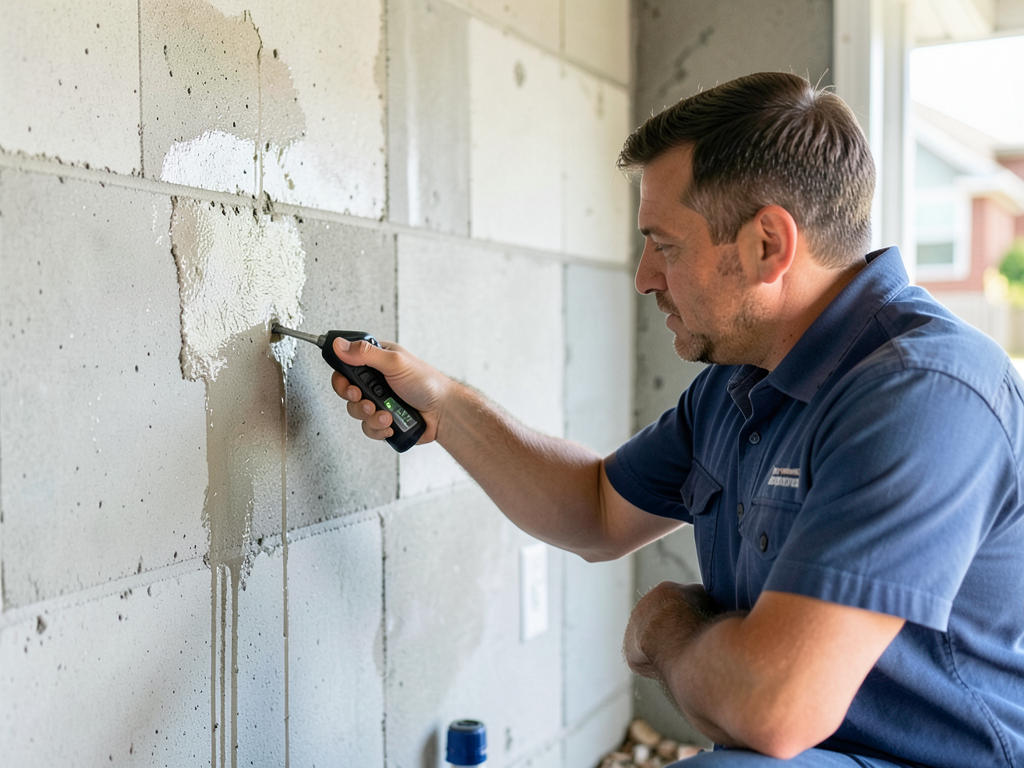
Managing Basement Moisture During the Humid Dog Days of a Buffalo Summer Your basement smells musty. The walls feel damp. You notice condensation on the windows even though it hasn’t rained in days. Buffalo summers…
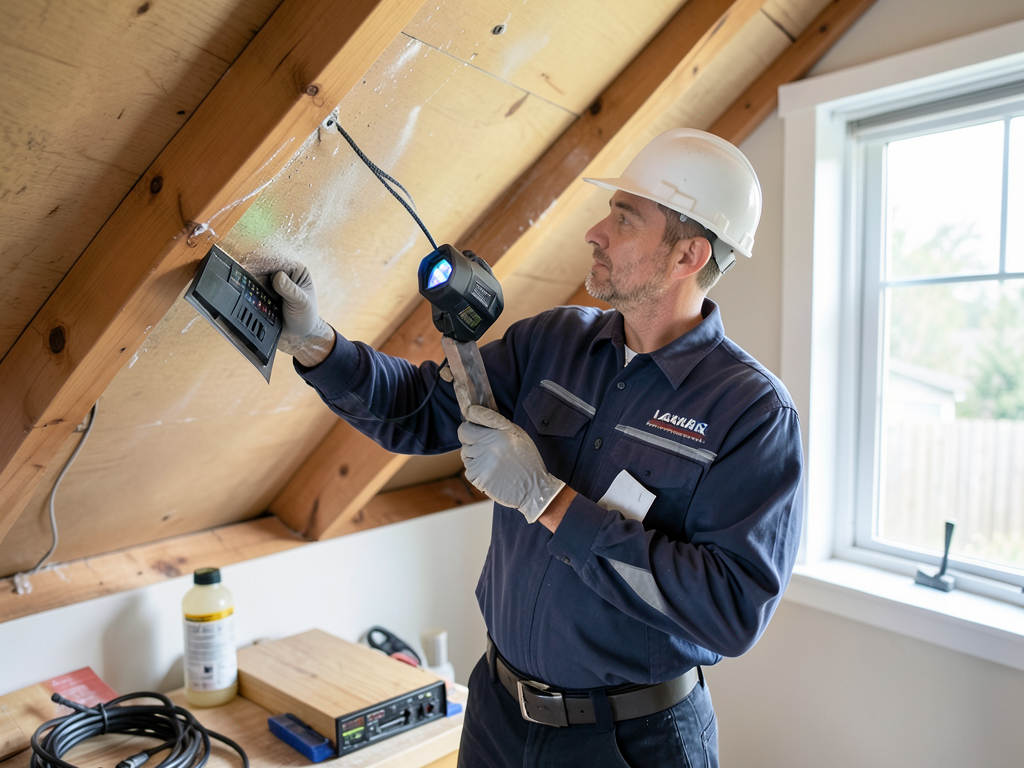
Why High Humidity in Your Lackawanna Attic is a Recipe for Structural Rot High attic…
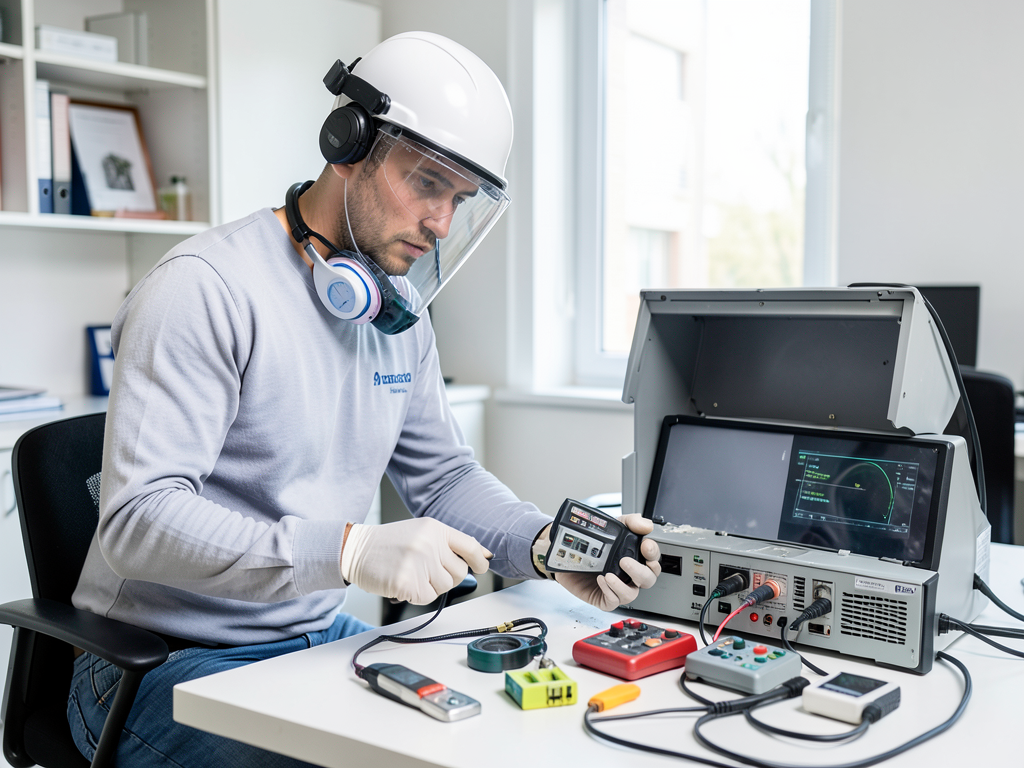
Protecting Your Home Office Electronics After a Water Leak in Your Snyder Spare Room Water…
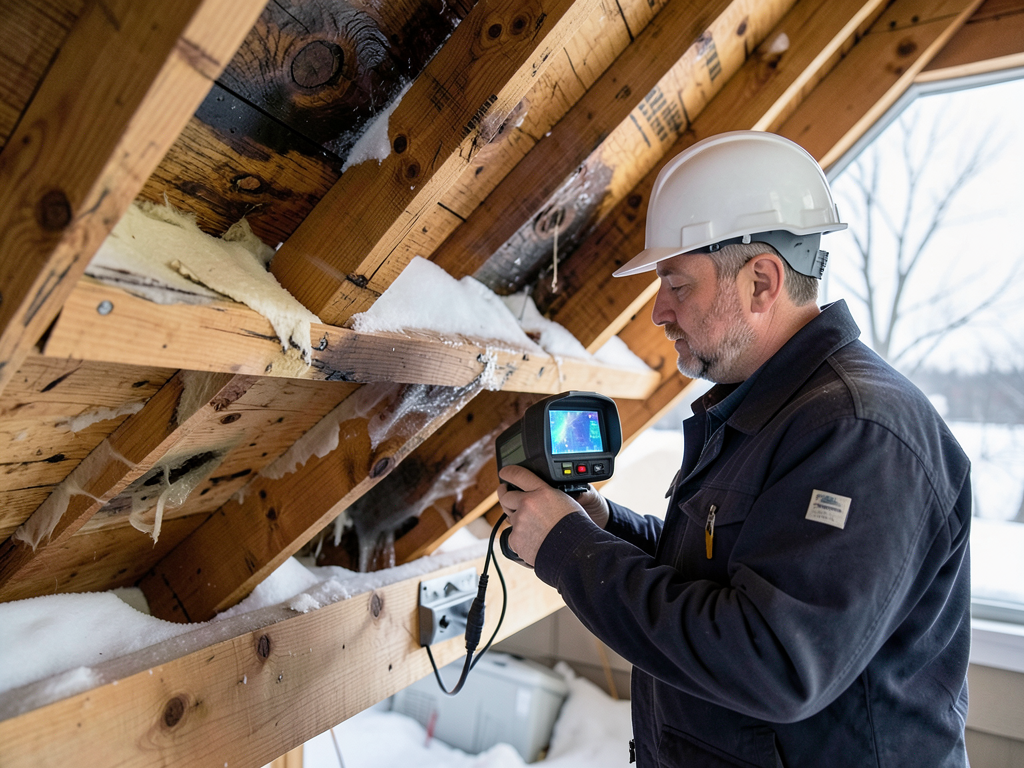
How to Tell if a Small Roof Leak is Actually a Major Mold Risk in…
Standing water damages your property more every hour. Our crews respond immediately to Lackawanna water emergencies 24/7. Call (716) 317-7717 now for fast extraction, complete structural drying, and full restoration. We coordinate directly with your insurance company while protecting your property.