
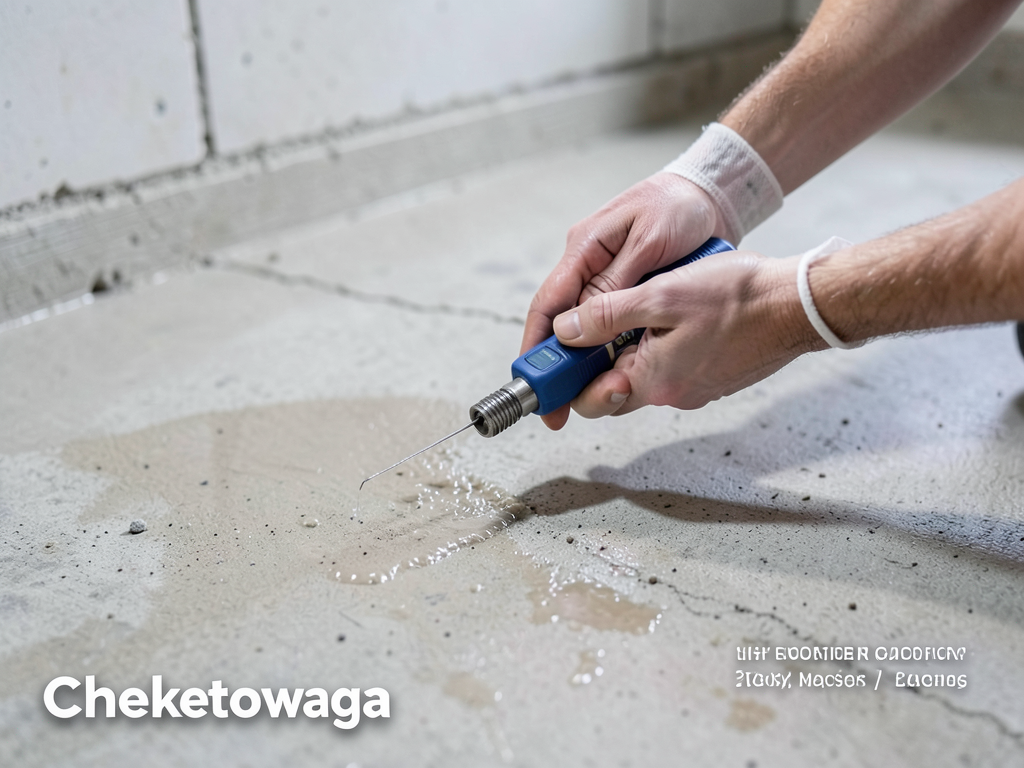
Why Your Basement Floor Paint is Bubbling and Peeling in Cheektowaga
Seeing bubbles under your basement floor paint in Cheektowaga is not just a cosmetic problem. It is usually a sign of moisture pushing up through your concrete slab. In Western New York, where heavy clay soils and high water tables are common, this can mean serious water intrusion that needs immediate attention. Repairing water damage from frozen pipes in Clarence.
Paint bubbling happens when moisture vapor from the ground gets trapped under the coating. The vapor pressure builds until it pushes the paint away from the concrete. This is especially common in older Cheektowaga homes built on clay-rich soil that holds water and creates hydrostatic pressure against your foundation. Commercial water damage and drying experts in Downtown Buffalo.
Before you scrape and repaint, you need to know what is causing the problem. Ignoring it can lead to mold growth, weakened concrete, and expensive structural repairs. The good news is that with the right diagnosis and treatment, you can stop the bubbling and protect your basement for years. EPA mold information.
How Moisture Gets Under Your Basement Floor
Concrete is not waterproof. It is a porous material that allows water vapor to pass through. When the ground around your home is saturated, hydrostatic pressure forces moisture up through the slab. This is called vapor transmission and is the main reason paint fails on basement floors. Safe basement water removal services in Lancaster NY.
Several factors make this worse in Cheektowaga. The area sits near Lake Erie, where the water table is naturally high. Clay soil does not drain well, so water stays in the ground longer after rain or snowmelt. Older homes often have no vapor barrier under the slab, leaving concrete exposed to ground moisture.. Read more about Managing Basement Moisture During the Humid Dog Days of a Buffalo Summer.
Efflorescence is another sign of moisture problems. It looks like white powder on the concrete surface. This happens when water moves through the slab and leaves behind dissolved salts. If you see efflorescence along with bubbling paint, you have a moisture transmission issue that needs more than a new coat of paint.
Improper concrete curing can also cause problems. If the slab was poured during wet weather or not given enough time to dry, moisture remains trapped inside. This makes the surface more likely to bubble when covered with paint.
How to Test for Moisture Under Your Basement Floor
Before doing anything else, test your concrete for moisture. The plastic sheet test is a simple way to see if vapor is coming through. Cut a piece of clear plastic about two feet square. Tape all edges to the floor so no air can get in or out. Leave it for 24 to 48 hours.
If the concrete under the plastic turns dark or water droplets form on the underside, moisture is moving through the slab. This means the bubbling paint is a symptom of a bigger problem. You should not apply new paint until the moisture source is controlled.
A moisture meter can give you a more precise reading. These tools measure the moisture content in the concrete. Readings above four percent mean the slab is too wet for paint. Some meters can also show how deep the moisture is, which helps determine if the problem is surface-level or coming from below.
Another test is the calcium chloride test. You place a sealed dish of calcium chloride on the floor and cover it with a plastic dome. After 60 to 72 hours, you weigh the dish. The weight gain shows how much moisture passed through the slab. This test is often required before applying epoxy coatings in commercial settings.
Why Buffalo’s Climate Makes Basement Floors More Vulnerable
Buffalo’s weather creates unique challenges for basement floors. Heavy spring rains and rapid snowmelt from Lake Effect storms saturate the ground quickly. When the ground is frozen, melting snow has nowhere to go. Water pressure builds against your foundation and forces moisture up through the slab.
Freeze-thaw cycles also damage concrete over time. Water enters small cracks, freezes, and expands. This breaks down the concrete and makes it more porous. Once the surface is weakened, moisture vapor transmission increases and paint bubbling becomes more likely.
Summers in Western New York are humid. Warm air holds more moisture, which can condense on cool basement floors. If your basement is not properly ventilated, this condensation adds to the moisture load. Combined with hydrostatic pressure from saturated soil, it creates the perfect conditions for paint failure.
Older Cheektowaga neighborhoods often have combined sewer systems. During heavy rain, these systems can back up. If water rises around your foundation, it increases pressure on the slab and makes moisture problems worse. Homes near Cayuga Creek or the Buffalo Sewer Authority mains are especially at risk during major storms.
Professional Solutions vs. DIY Fixes
If testing shows high moisture levels, repainting is not the answer. You need to address the source of the water. For minor surface moisture, a silicate-based sealer can help. These sealers penetrate the concrete and create a barrier inside the pores. They work best when moisture levels are low to moderate.
For moderate moisture, an epoxy coating with a moisture vapor transmission (MVT) rating may work. These coatings are designed to handle some moisture but are not a permanent fix if water pressure is high. They can fail if the source of moisture is not controlled. How to handle a sewage backup in your Orchard Park home.
When moisture levels are high or hydrostatic pressure is present, you need professional remediation. This may include installing an interior drainage system, adding a sump pump, or applying a waterproofing membrane under new flooring. These solutions address the root cause rather than just the symptom.
DIY fixes like scraping off bubbles and applying waterproof paint often fail within months. The moisture is still there, and the new coating will bubble again. Professional moisture mapping can show exactly where water is entering and help you choose the right long-term solution.
If you see mold or mildew along with bubbling paint, stop all work and call a professional immediately. Mold can spread quickly in damp basements and create health hazards. A certified mold remediation specialist can test for airborne spores and remove contamination safely.
Preventing Future Basement Floor Problems
Prevention starts with controlling water around your home. Clean gutters and downspouts regularly so water flows away from the foundation. Extend downspouts at least six feet from the house. Grade soil so it slopes away from the foundation at a rate of one inch per foot for the first six feet.
Check your sump pump every six months. Pour water into the pit to make sure it turns on and drains properly. Replace the pump every five to seven years. A failed sump pump during a storm can lead to basement flooding and major damage.
Seal cracks in your foundation walls and floor. Even small cracks can let in moisture. Use hydraulic cement for active leaks or epoxy injection for structural cracks. This reduces the pathways for water to enter your basement.
Consider installing a vapor barrier under new flooring. This is a plastic sheet that blocks moisture from rising through the slab. It is especially important in basements with high humidity or a history of moisture problems. Some barriers are designed to work under epoxy coatings for added protection.
Improve basement ventilation to reduce condensation. Use a dehumidifier during humid months to keep relative humidity below 60 percent. This helps prevent mold growth and reduces the moisture load on your floor. If your basement feels damp, run the dehumidifier continuously until humidity levels stabilize.
Regular inspections can catch problems early. Look for new cracks, efflorescence, or musty odors. Check around plumbing fixtures for leaks. The sooner you find a moisture issue, the easier and less expensive it is to fix.
When to Call a Water Damage Professional
Call a professional if you see any of these signs: bubbling paint over a large area, standing water, active leaks, mold growth, or high moisture meter readings. These indicate that water is actively entering your basement and needs immediate attention.
Water damage restoration specialists can perform moisture mapping to find hidden leaks. They use infrared cameras to detect temperature differences that indicate moisture behind walls or under floors. This technology can find problems that are not visible to the naked eye.
If your basement has flooded before, even once, you are at higher risk for recurring problems. A professional can evaluate your drainage system and recommend upgrades. This might include French drains, exterior waterproofing, or improved grading around your home.
Insurance companies often require professional documentation for water damage claims. A certified restoration company can provide detailed reports, photos, and moisture readings. This helps ensure your claim is processed quickly and completely. How to Handle Insurance Claims.
Health concerns are another reason to call a professional. If anyone in your home has respiratory issues, allergies, or asthma, mold in your basement can make symptoms worse. Professional remediation removes the source of contamination and helps protect your family’s health.
Comparing Repair Options
| Repair Option | Best For | Cost Range | Effectiveness |
|---|---|---|---|
| Silicate Sealer | Low moisture, minor bubbling | $1-3 per square foot | Moderate |
| Epoxy Coating | Moderate moisture, cosmetic fix | $3-7 per square foot | Low to Moderate |
| Interior Drainage | High moisture, hydrostatic pressure | $5,000-15,000 | High |
| Sump Pump Installation | Active water intrusion | $1,500-4,000 | High |
| Vapor Barrier | Prevention under new flooring | $0.50-2 per square foot | High |
Frequently Asked Questions
Can I just paint over the bubbles?
No. Painting over bubbles traps moisture and will cause the new paint to fail quickly. You must fix the moisture source first.
How long does moisture testing take?
The plastic sheet test takes 24-48 hours. Moisture meter readings are instant but should be done at multiple locations for accuracy.
Will a dehumidifier stop the bubbling?
A dehumidifier helps with condensation but will not stop hydrostatic pressure from pushing moisture up through the slab. You need to address the source of water intrusion.
Is bubbling paint covered by insurance?
Coverage depends on the cause. If bubbling results from a sudden pipe break or flood, it may be covered. If it is from long-term moisture issues, it is usually not covered.
How can I tell if I have mold under the paint?
Look for musty odors, dark spots, or fuzzy growth when you scrape a bubble. If you suspect mold, stop work and call a professional for testing.
Take Action Before the Next Storm
Bubbling basement floor paint is your home telling you there is a moisture problem. In Cheektowaga, where heavy clay soils and high water tables are common, this is not something to ignore. The longer you wait, the more expensive the repairs become.
If you have bubbling paint, efflorescence, or musty odors in your basement, call (716) 317-7717 today. Our certified water damage restoration specialists can diagnose the problem, test for moisture, and recommend the right solution for your home. Do not wait until the next heavy rain or snowmelt to find out how bad the problem really is.
Pick up the phone and call (716) 317-7717 now to schedule your inspection. Protect your home and your family’s health before minor moisture becomes major damage. For more information, visit IICRC water damage standards.
{
“@context”: “https://schema.org”,
“@type”: “BlogPosting”,
“headline”: “Why Your Basement Floor Paint is Bubbling and Peeling in Cheektowaga”,
“description”: “Find out why basement floor paint bubbles in Cheektowaga homes and what it means for your foundation. Learn to diagnose moisture issues before they cause major damage.”,
“wordCount”: 1883,
“datePublished”: “2026-05-28T10:50:00.000Z”,
“dateModified”: “2026-05-28T10:50:00.000Z”,
“inLanguage”: “en-US”,
“mainEntityOfPage”: {
“@type”: “WebPage”,
“@id”: “https://alphawaterdamagerestorationbuffalo.com”
},
“publisher”: {
“@type”: “LocalBusiness”,
“name”: “Alpha Water Damage Restoration Buffalo”,
“url”: “https://alphawaterdamagerestorationbuffalo.com”
},
“author”: {
“@type”: “Organization”,
“name”: “Alpha Water Damage Restoration Buffalo”,
“url”: “https://alphawaterdamagerestorationbuffalo.com”
},
“image”: {
“@type”: “ImageObject”,
“url”: “https://alphawaterdamagerestorationbuffalo.com/wp-content/uploads/2026/03/why-your-basement-floor-paint-is-bubbling-and-peel-1.png”
}
}
{
“@context”: “https://schema.org”,
“@type”: “LocalBusiness”,
“name”: “Alpha Water Damage Restoration Buffalo”,
“url”: “https://alphawaterdamagerestorationbuffalo.com”,
“address”: {
“@type”: “PostalAddress”,
“addressLocality”: “Buffalo”
},
“areaServed”: {
“@type”: “City”,
“name”: “Buffalo”
}
}
{
“@context”: “https://schema.org”,
“@type”: “FAQPage”,
“mainEntity”: [
{
“@type”: “Question”,
“name”: “Can I just paint over the bubbles?”,
“acceptedAnswer”: {
“@type”: “Answer”,
“text”: “No. Painting over bubbles traps moisture and will cause the new paint to fail quickly. You must fix the moisture source first.”
}
},
{
“@type”: “Question”,
“name”: “How long does moisture testing take?”,
“acceptedAnswer”: {
“@type”: “Answer”,
“text”: “The plastic sheet test takes 24-48 hours. Moisture meter readings are instant but should be done at multiple locations for accuracy.”
}
},
{
“@type”: “Question”,
“name”: “Will a dehumidifier stop the bubbling?”,
“acceptedAnswer”: {
“@type”: “Answer”,
“text”: “A dehumidifier helps with condensation but will not stop hydrostatic pressure from pushing moisture up through the slab. You need to address the source of water intrusion.”
}
},
{
“@type”: “Question”,
“name”: “Is bubbling paint covered by insurance?”,
“acceptedAnswer”: {
“@type”: “Answer”,
“text”: “Coverage depends on the cause. If bubbling results from a sudden pipe break or flood, it may be covered. If it is from long-term moisture issues, it is usually not covered.”
}
},
{
“@type”: “Question”,
“name”: “How can I tell if I have mold under the paint?”,
“acceptedAnswer”: {
“@type”: “Answer”,
“text”: “Look for musty odors, dark spots, or fuzzy growth when you scrape a bubble. If you suspect mold, stop work and call a professional for testing.”
}
}
]
}
{
“@context”: “https://schema.org”,
“@type”: “BreadcrumbList”,
“itemListElement”: [
{
“@type”: “ListItem”,
“position”: 1,
“name”: “Home”,
“item”: “https://alphawaterdamagerestorationbuffalo.com”
},
{
“@type”: “ListItem”,
“position”: 2,
“name”: “Blog”,
“item”: “https://alphawaterdamagerestorationbuffalo.com/blog”
},
{
“@type”: “ListItem”,
“position”: 3,
“name”: “Why Your Basement Floor Paint is Bubbling and Peeling in Cheektowaga”
}
]
}
{
“@context”: “https://schema.org”,
“@type”: “Service”,
“serviceType”: “Water Damage Restoration”,
“provider”: {
“@type”: “LocalBusiness”,
“name”: “Alpha Water Damage Restoration Buffalo”,
“url”: “https://alphawaterdamagerestorationbuffalo.com”
},
“areaServed”: {
“@type”: “City”,
“name”: “Buffalo”
},
“description”: “Find out why basement floor paint bubbles in Cheektowaga homes and what it means for your foundation. Learn to diagnose moisture issues before they cause major damage.”
}