
Why Your Basement Smells Like Rotten Eggs After a Heavy Buffalo Rainstorm
That unmistakable rotten egg smell in your basement after a heavy rainstorm is more than just unpleasant. It’s your home’s way of telling you something is wrong. In Buffalo’s unique climate and aging infrastructure, that sulfur odor often signals sewer gas intrusion, a serious issue that can affect your health and property. Safe basement water removal services in Lancaster NY.
When heavy rain saturates Buffalo’s clay-heavy soil and overwhelms our combined sewer systems, water seeks the path of least resistance. Sometimes that path leads directly into your basement through cracks, floor drains, or dried-out P-traps. The result? Hydrogen sulfide gas seeping into your living space, creating that characteristic rotten egg smell. Repairing water damage from frozen pipes in Clarence.
Before we dive into solutions, let’s address the most critical question: Is this sewer gas or a natural gas leak?
Safety First: Is it Sewer Gas or a Natural Gas Leak?
The rotten egg smell could be hydrogen sulfide from sewer gas or mercaptan added to natural gas for leak detection. Here’s how to tell the difference:
- Sewer gas smell is typically stronger near floor drains, basement bathrooms, or laundry areas
- Natural gas leaks often come with a hissing sound and may be accompanied by dead houseplants
- If you suspect a gas leak, evacuate immediately and call National Fuel at 1-800-444-3130
Sewer gas exposure can cause headaches, dizziness, nausea, and respiratory issues. Long-term exposure to hydrogen sulfide is particularly dangerous. When in doubt, ventilate the area and call a professional immediately.
Why Rain Triggers Sulfur Odors in Buffalo Basements
Buffalo’s unique geography and infrastructure create perfect conditions for sewer gas intrusion during heavy rainfall. Our city sits on clay-heavy soil that doesn’t drain well, combined with a high water table near Lake Erie. When heavy rain falls, several things happen: Commercial water damage and drying experts in Downtown Buffalo.
- Hydrostatic pressure increases against foundation walls
- The combined sewer system becomes overwhelmed
- Water backs up through older sewer laterals
- Dried-out P-traps allow gas to bypass normal barriers
The Buffalo Sewer Authority manages over 900 miles of sewer lines, many dating back to the early 1900s. During heavy rain events, this aging infrastructure struggles to handle the volume, creating pressure that forces sewer gases into homes through the path of least resistance. How to handle a sewage backup in your Orchard Park home.
4 Common Culprits for the ‘Rotten Egg’ Smell
Understanding the source of your basement’s sulfur smell helps determine the right solution. Here are the four most common causes we see in Buffalo homes:. Read more about Keeping Your Basement Window Wells from Turning into Bathtubs During Heavy Buffalo Rain.
1. Dry P-traps and Floor Drains
P-traps are U-shaped pipes designed to hold water and create a seal that blocks sewer gases. When these dry out from infrequent use or evaporation, gases can freely enter your basement. This is especially common in:. Read more about Managing Water Runoff When Your Neighbor’s Yard Drains Into Your West Seneca Property.
- Guest bathrooms or basement toilets that aren’t used regularly
- Floor drains in laundry rooms or utility areas
- Basement shower drains that haven’t been used in months
2. Cracked Sewer Laterals
The sewer lateral is the pipe connecting your home to the main sewer line. Buffalo’s freeze-thaw cycles and shifting clay soil can cause these pipes to crack over time. During heavy rain, water pressure forces gases through these cracks into your basement.. Read more about Why You Keep Finding Pink Slime in Your Buffalo Bathroom and How to Get Rid of It.
3. Back-pitched Pipes
Pipes should slope slightly toward the sewer main to ensure proper drainage. When pipes settle or were installed incorrectly, they can develop negative slopes that trap water and debris, creating perfect conditions for biofilm buildup and gas production.
4. Biofilm Buildup in Drains
Organic matter accumulates in drain pipes over time, forming a slimy biofilm that produces hydrogen sulfide gas. Heavy rain can dislodge this buildup, releasing concentrated odors into your basement.. Read more about Managing Basement Moisture During the Humid Dog Days of a Buffalo Summer.
Buffalo-Specific Environmental Factors
Buffalo’s climate and geology create unique challenges for basement odor control. Our region experiences:. Read more about The Challenges of Drying Out Finished Basements in Hamlin Park Bungalows.
- Heavy clay soils that expand when wet and contract when dry, putting stress on pipes
- High water table levels, especially near Lake Erie and the Niagara River
- Combined sewer overflow (CSO) systems that discharge during heavy rain events
- Freeze-thaw cycles that cause soil movement and pipe damage
The Buffalo Green Code addresses some of these issues, but many older homes in neighborhoods like North Buffalo, South Buffalo, and the West Side still struggle with outdated plumbing systems. The Erie County Department of Health recommends regular inspection of basement plumbing in older homes, especially those built before 1970. EPA Sewer Systems Information.
DIY Fixes vs. When to Call a Restoration Expert
Not every sulfur smell requires professional intervention. Here’s how to determine whether you can handle it yourself or need expert help: How to Handle Insurance Claims.
DIY Solutions for Minor Issues
If the smell is mild and you’ve identified a dry P-trap or floor drain, try these steps:
- Flush all basement drains with water for 30 seconds
- Pour a mixture of baking soda and vinegar down drains, wait 15 minutes, then flush with hot water
- Check and clean your sump pump and pit
- Ensure your backwater valve is functioning properly
For ongoing prevention, pour a few cups of mineral oil down floor drains every few months to slow evaporation.
When to Call Alpha Water Damage Restoration
Call us immediately if you experience:
- Strong, persistent sulfur odors that don’t respond to DIY fixes
- Evidence of sewage backup or water damage
- Multiple drains showing signs of slow drainage or gurgling
- Health symptoms like headaches, nausea, or respiratory issues
- Suspected foundation cracks or structural issues
Professional intervention is crucial when dealing with Category 3 water damage (black water containing sewage), which requires specialized equipment and IICRC S500 standard procedures for proper remediation.
Professional Diagnosis and Remediation Process
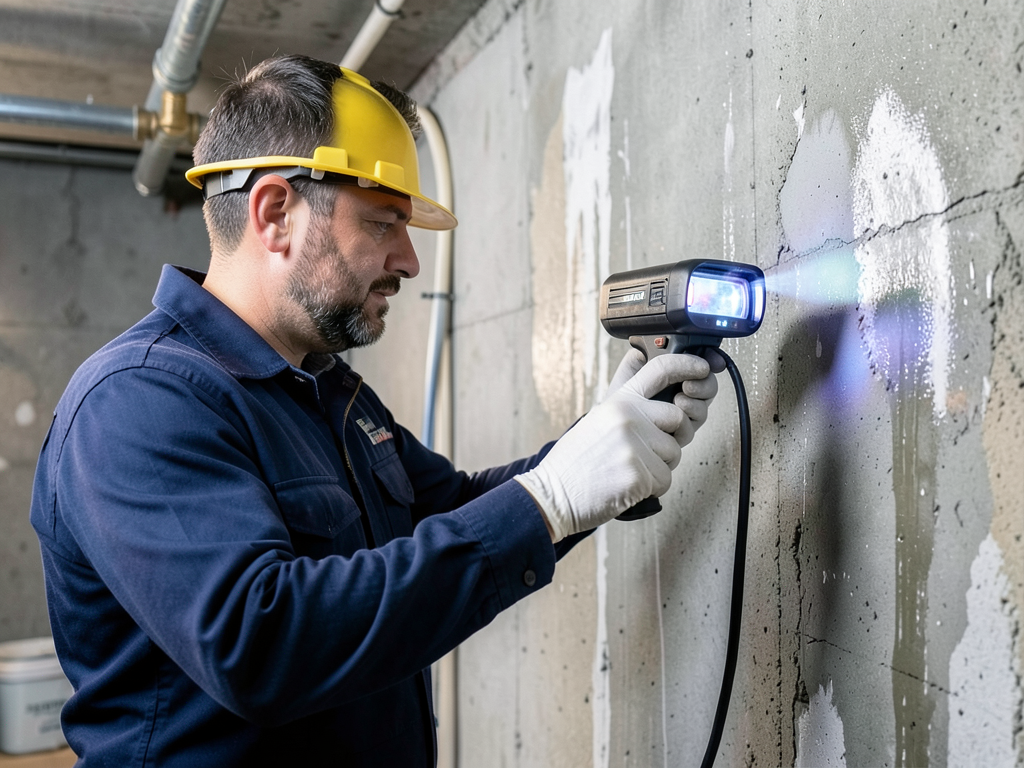
When you call Alpha Water Damage Restoration, here’s what our certified technicians do:
- Comprehensive inspection using moisture meters and thermal imaging
- Smoke testing to identify cracks and leaks in sewer lines
- Water damage assessment and documentation for insurance
- Professional-grade cleaning and sanitization
- Structural drying using industrial air movers and dehumidifiers
- Final testing to ensure all odors and moisture are eliminated
Our process follows IICRC S500 standards for water damage restoration, ensuring your basement is not just odor-free but also safe and structurally sound.
Preventing Future Sewer Gas Issues
Prevention is always better than remediation. Here are steps Buffalo homeowners can take to prevent future sewer gas issues:
- Install backwater valves to prevent sewer backup during heavy rain
- Schedule annual plumbing inspections, especially for homes over 50 years old
- Maintain proper grading around your foundation to direct water away
- Consider installing a secondary sump pump system for added protection
- Replace old clay or cast iron sewer laterals with modern PVC piping
The Buffalo Sewer Authority offers a Lateral Rebuild Program that provides financial assistance for replacing damaged sewer laterals in qualifying properties.
Insurance Coverage for Sewer Backup and Water Damage
Standard homeowner’s insurance policies typically don’t cover sewer backup damage. You need a separate sewer backup rider, which costs between $50-150 annually depending on your coverage level.
When filing a claim for sewer backup or water damage:
- Document everything with photos and videos before cleanup begins
- Keep all receipts for emergency services and repairs
- Obtain a written assessment from a certified restoration company
- Contact your insurance agent immediately after discovering the damage
Alpha Water Damage Restoration works directly with insurance companies to streamline the claims process and ensure you receive proper compensation for covered damages.
Health Risks of Hydrogen Sulfide Exposure
Hydrogen sulfide is more than just a nuisance odor. At low concentrations, it causes eye and respiratory irritation. At higher levels, it can cause:
- Headaches and dizziness
- Nausea and vomiting
- Coughing and difficulty breathing
- Fatigue and loss of concentration
According to the CDC, prolonged exposure to hydrogen sulfide can lead to more serious health issues, including neurological effects and respiratory damage. Children, elderly individuals, and those with respiratory conditions are particularly vulnerable. CDC Hydrogen Sulfide Safety Information.
Local Resources and Support
Buffalo residents dealing with persistent sewer gas issues can access several local resources:
- Buffalo Sewer Authority Customer Service: (716) 847-2400
- Erie County Department of Health Environmental Health Division: (716) 961-6800
- New York State Department of Environmental Conservation: (716) 851-7000
For immediate assistance with sewer gas odors or water damage, call Alpha Water Damage Restoration at (716) 317-7717. We’re available 24/7 for emergency response throughout Buffalo and the surrounding Western New York area.
Frequently Asked Questions
Why does my basement only smell after heavy rain?
Heavy rain increases hydrostatic pressure on your foundation and overwhelms the sewer system. This pressure forces gases through cracks, dried P-traps, or back through floor drains that would normally remain sealed.
Can I just mask the smell with air fresheners?
No. Masking the odor doesn’t address the underlying health hazard. Sewer gas contains toxic compounds that can cause serious health issues. You need to identify and eliminate the source of the gas.
How much does professional sewer gas remediation cost?
Costs vary based on the extent of the problem. Simple P-trap repairs might cost $150-300, while comprehensive sewer line repairs can range from $2,000-10,000. We provide free inspections and detailed quotes before any work begins.
Will this problem come back after it’s fixed?
With proper repairs and preventive maintenance, sewer gas issues should not return. However, Buffalo’s aging infrastructure means some homes may experience recurring problems, especially during extreme weather events.
Is sewer gas dangerous for my pets?
Yes. Pets are often more sensitive to hydrogen sulfide than humans. Small animals like birds can be particularly vulnerable to even low concentrations of sewer gas. If you smell sulfur, ensure pets have access to fresh air immediately.
Take Action Before the Next Storm Hits
That rotten egg smell in your basement isn’t just unpleasant—it’s a warning sign that could indicate serious health hazards and property damage. Buffalo’s unique climate and aging infrastructure make our homes particularly vulnerable to sewer gas intrusion during heavy rain events.
Don’t wait for the next storm to hit. Call Alpha Water Damage Restoration at (716) 317-7717 today for a comprehensive inspection. Our certified technicians will identify the source of the odor, assess any water damage, and provide a clear plan for remediation.
We’re available 24/7 because we know water damage and sewer gas issues don’t wait for business hours. Protect your home, your health, and your peace of mind with professional help from Western New York’s trusted water damage restoration experts.
Remember: that sulfur smell could be more than just an odor—it could be a sign of serious problems lurking beneath your floors. Let us help you breathe easier and live safer.
Call (716) 317-7717 now to schedule your inspection before the next heavy rainstorm hits Buffalo.
{
“@context”: “https://schema.org”,
“@type”: “BlogPosting”,
“headline”: “Why Your Basement Smells Like Rotten Eggs After a Heavy Buffalo Rainstorm”,
“description”: “Learn why your Buffalo basement smells like sulfur after heavy rain and how to fix it. Discover the causes of sewer gas and when to call a professional.”,
“wordCount”: 1778,
“datePublished”: “2026-05-31T15:21:00.000Z”,
“dateModified”: “2026-05-31T15:21:00.000Z”,
“inLanguage”: “en-US”,
“mainEntityOfPage”: {
“@type”: “WebPage”,
“@id”: “https://alphawaterdamagerestorationbuffalo.com”
},
“publisher”: {
“@type”: “LocalBusiness”,
“name”: “Alpha Water Damage Restoration Buffalo”,
“url”: “https://alphawaterdamagerestorationbuffalo.com”
},
“author”: {
“@type”: “Organization”,
“name”: “Alpha Water Damage Restoration Buffalo”,
“url”: “https://alphawaterdamagerestorationbuffalo.com”
},
“image”: {
“@type”: “ImageObject”,
“url”: “https://alphawaterdamagerestorationbuffalo.com/wp-content/uploads/2026/03/why-your-basement-smells-like-rotten-eggs-after-a-1.png”
}
}
{
“@context”: “https://schema.org”,
“@type”: “LocalBusiness”,
“name”: “Alpha Water Damage Restoration Buffalo”,
“url”: “https://alphawaterdamagerestorationbuffalo.com”,
“address”: {
“@type”: “PostalAddress”,
“addressLocality”: “Buffalo”
},
“areaServed”: {
“@type”: “City”,
“name”: “Buffalo”
}
}
{
“@context”: “https://schema.org”,
“@type”: “FAQPage”,
“mainEntity”: [
{
“@type”: “Question”,
“name”: “Safety First: Is it Sewer Gas or a Natural Gas Leak?”,
“acceptedAnswer”: {
“@type”: “Answer”,
“text”: “The rotten egg smell could be hydrogen sulfide from sewer gas or mercaptan added to natural gas for leak detection. Here’s how to tell the difference:”
}
},
{
“@type”: “Question”,
“name”: “Why does my basement only smell after heavy rain?”,
“acceptedAnswer”: {
“@type”: “Answer”,
“text”: “Heavy rain increases hydrostatic pressure on your foundation and overwhelms the sewer system. This pressure forces gases through cracks, dried P-traps, or back through floor drains that would normally remain sealed.”
}
},
{
“@type”: “Question”,
“name”: “Can I just mask the smell with air fresheners?”,
“acceptedAnswer”: {
“@type”: “Answer”,
“text”: “No. Masking the odor doesn’t address the underlying health hazard. Sewer gas contains toxic compounds that can cause serious health issues. You need to identify and eliminate the source of the gas.”
}
},
{
“@type”: “Question”,
“name”: “How much does professional sewer gas remediation cost?”,
“acceptedAnswer”: {
“@type”: “Answer”,
“text”: “Costs vary based on the extent of the problem. Simple P-trap repairs might cost $150-300, while comprehensive sewer line repairs can range from $2,000-10,000. We provide free inspections and detailed quotes before any work begins.”
}
},
{
“@type”: “Question”,
“name”: “Will this problem come back after it’s fixed?”,
“acceptedAnswer”: {
“@type”: “Answer”,
“text”: “With proper repairs and preventive maintenance, sewer gas issues should not return. However, Buffalo’s aging infrastructure means some homes may experience recurring problems, especially during extreme weather events.”
}
},
{
“@type”: “Question”,
“name”: “Is sewer gas dangerous for my pets?”,
“acceptedAnswer”: {
“@type”: “Answer”,
“text”: “Yes. Pets are often more sensitive to hydrogen sulfide than humans. Small animals like birds can be particularly vulnerable to even low concentrations of sewer gas. If you smell sulfur, ensure pets have access to fresh air immediately.”
}
}
]
}
{
“@context”: “https://schema.org”,
“@type”: “BreadcrumbList”,
“itemListElement”: [
{
“@type”: “ListItem”,
“position”: 1,
“name”: “Home”,
“item”: “https://alphawaterdamagerestorationbuffalo.com”
},
{
“@type”: “ListItem”,
“position”: 2,
“name”: “Blog”,
“item”: “https://alphawaterdamagerestorationbuffalo.com/blog”
},
{
“@type”: “ListItem”,
“position”: 3,
“name”: “Why Your Basement Smells Like Rotten Eggs After a Heavy Buffalo Rainstorm”
}
]
}
{
“@context”: “https://schema.org”,
“@type”: “Service”,
“serviceType”: “Water Damage Restoration”,
“provider”: {
“@type”: “LocalBusiness”,
“name”: “Alpha Water Damage Restoration Buffalo”,
“url”: “https://alphawaterdamagerestorationbuffalo.com”
},
“areaServed”: {
“@type”: “City”,
“name”: “Buffalo”
},
“description”: “Learn why your Buffalo basement smells like sulfur after heavy rain and how to fix it. Discover the causes of sewer gas and when to call a professional.”
}