
Understanding Why Some Wet Insulation Must Be Tossed While Other Types Can Be Dried
When insulation gets wet, the decision to save or replace it isn’t just about cost—it’s about your family’s health and your home’s structural integrity. In Buffalo’s climate, where heavy snow, ice dams, and basement flooding are common, understanding which insulation types can be salvaged is critical for making the right restoration decision. Safe basement water removal services in Lancaster NY.
Wet insulation creates a perfect environment for mold growth within 24-48 hours. The moisture becomes trapped in the material, preventing proper drying and creating conditions where harmful microorganisms thrive. Some insulation types absorb water like a sponge, while others resist moisture penetration. This fundamental difference determines whether your insulation can be saved or must be completely removed. Repairing water damage from frozen pipes in Clarence.
The key factors that determine salvageability include the water source, how long the insulation remained wet, the material’s moisture absorption rate, and whether the insulation has compressed or lost its R-value. Clean water from a pipe burst has different implications than contaminated water from a sewage backup or flood. Commercial water damage and drying experts in Downtown Buffalo.
Why Wet Insulation Creates Serious Health Risks
Wet insulation becomes a breeding ground for mold, mildew, and bacteria that can cause respiratory problems, allergic reactions, and other health issues. The dark, warm environment inside your walls or attic provides ideal conditions for these microorganisms to multiply rapidly.
Fiberglass insulation, while resistant to mold growth itself, can trap organic debris that becomes food for mold spores. Once contaminated, the insulation must be removed to prevent spores from spreading throughout your home’s air system. Cellulose insulation, made from recycled paper, is particularly vulnerable because it’s essentially food for mold and can support rapid growth.
The health risks extend beyond just mold. Wet insulation can harbor bacteria from contaminated water sources, creating odors and potentially harmful air quality issues. In Buffalo’s humid summers, these problems can persist long after the initial water event, making professional assessment essential.. Read more about The Difference Between Gray Water and Black Water and Why it Matters for Your Family.
How Water Affects Different Insulation Materials
Each insulation type responds differently to water exposure, which is why a one-size-fits-all approach to restoration doesn’t work. Understanding these differences helps you make informed decisions about your property’s recovery.
Fiberglass batts typically repel water initially but can become saturated if submerged or exposed to prolonged moisture. The glass fibers themselves don’t support mold growth, but the paper backing and any organic debris trapped in the material can create problems. Once fiberglass loses its fluffiness and compresses, it loses its insulating properties permanently.
Cellulose insulation, made from recycled paper products, acts like a sponge when wet. It clumps, loses its fire-retardant properties, and creates an ideal environment for mold growth. Even if it appears to dry out, the material’s structure is permanently compromised, and it can’t maintain its original R-value.
Mineral wool, made from rock or slag, is naturally water-resistant and can often be salvaged if dried quickly. The material doesn’t support mold growth and maintains its structure when wet, making it one of the more forgiving insulation types during water events.. Read more about Why Rental Fans From a Big Box Store Often Fail to Dry Your Marilla Basement.
Spray foam insulation creates a moisture barrier that prevents water from penetrating beyond the surface. This makes it highly resistant to water damage, though the outer layer may need cleaning or treatment if contaminated.
Buffalo’s Climate Makes Wet Insulation More Common
Buffalo’s unique weather patterns create specific vulnerabilities for home insulation. Lake Effect snow can lead to ice dam formation on roofs, causing water to back up under shingles and saturate attic insulation. The freeze-thaw cycles common in Western New York can cause pipes to burst, flooding walls and ceilings with water.
Spring snowmelt combined with heavy rains often overwhelms drainage systems, leading to basement flooding that can saturate insulation in walls and floors. The region’s high humidity levels, especially during summer months, can slow the drying process, allowing mold to establish itself before homeowners realize there’s a problem.. Read more about Managing High Humidity in South Park Crawlspaces During the Muggy Buffalo Summer.
Older homes in neighborhoods like Allentown, Elmwood Village, and North Buffalo often have plaster walls with limited vapor barriers, making them particularly susceptible to moisture migration. The combination of aging infrastructure and Buffalo’s climate creates a perfect storm for insulation damage. Restoring your Elmwood Village home after a major water leak.
Professional Assessment: The Critical First Step
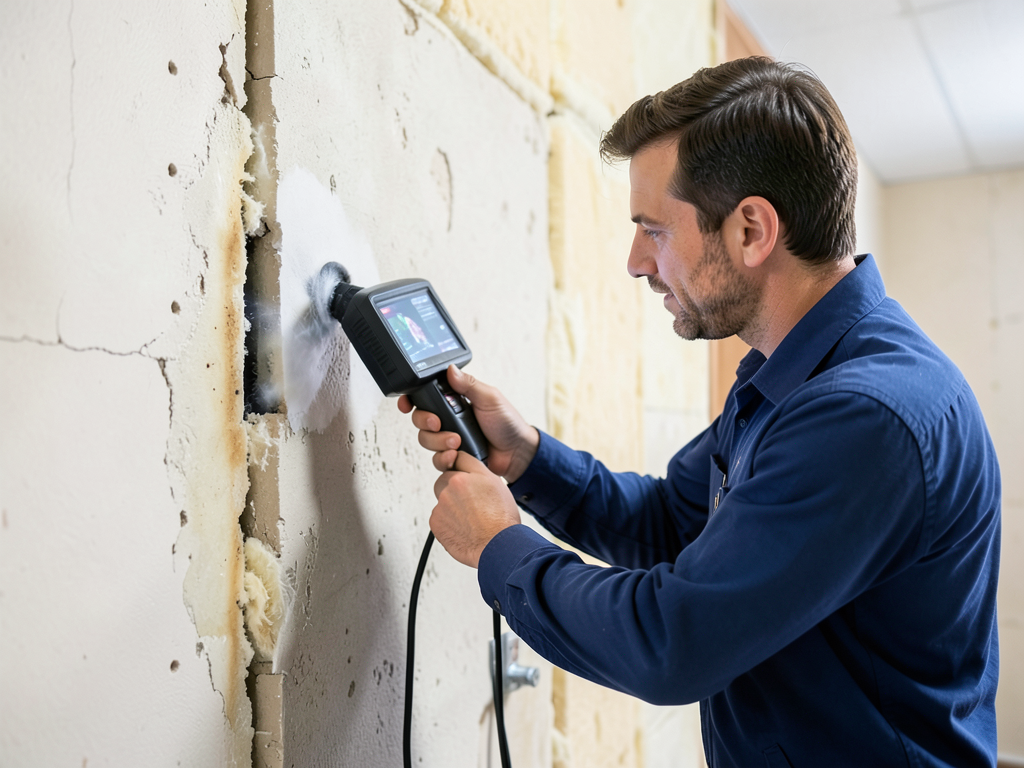
Before deciding whether to save or replace insulation, a professional assessment is essential. Water damage restoration experts use specialized equipment to detect moisture levels that aren’t visible to the naked eye. Thermal imaging cameras can reveal temperature variations that indicate wet areas behind walls or in ceilings.
Moisture meters measure the actual water content in materials, providing objective data about whether insulation can be salvaged. These tools can detect moisture deep within wall cavities where surface drying might give a false sense of security. In Buffalo homes, where many structures have multiple layers of building materials, this thorough assessment is crucial.
Professional assessment also includes checking for structural damage that might not be immediately apparent. Wet insulation can cause wood framing to swell, warp, or begin rotting. The weight of saturated insulation can cause ceiling sagging, creating safety hazards that need immediate attention.
The Professional Removal Process
When insulation must be removed, the process requires specialized equipment and techniques to prevent contamination spread. HEPA-filtered vacuums capture microscopic particles during removal, preventing mold spores and other contaminants from entering your home’s air system. EPA Mold Remediation Guidelines.
Containment barriers isolate the work area, protecting the rest of your home from dust and debris. Negative air pressure systems ensure that contaminated air flows out of the home rather than spreading to clean areas. This level of protection is essential when dealing with potentially hazardous materials.
Proper disposal is regulated under New York State Department of Environmental Conservation guidelines. Contaminated insulation must be bagged and removed according to specific protocols to prevent environmental contamination and ensure compliance with local regulations.
When Drying Is Possible: The Restoration Approach
Some insulation types can be saved through professional drying techniques when addressed quickly. High-volume air movers create airflow that accelerates evaporation, while commercial dehumidifiers remove moisture from the air, preventing it from being reabsorbed by the insulation.
Heat drying can be effective for certain materials, though it must be carefully controlled to prevent damage to surrounding structures. The key is rapid response—the longer insulation remains wet, the less likely it can be successfully restored.
Monitoring during the drying process ensures that moisture levels return to acceptable ranges. This involves regular moisture meter readings and visual inspections to confirm that no hidden pockets of moisture remain that could lead to future problems.
Insurance Considerations for Wet Insulation
Insurance coverage for wet insulation depends on the water source and your specific policy. Sudden and accidental damage from burst pipes or appliance failures is typically covered, while gradual damage or flooding may require separate coverage.
Documenting the damage thoroughly helps with insurance claims. This includes photographs of the affected areas, moisture readings, and professional assessments. Many restoration companies work directly with insurance adjusters to streamline the claims process and ensure proper coverage.
Understanding your policy’s coverage limits and deductibles helps you make informed decisions about restoration versus replacement. In some cases, the cost difference between drying and replacing insulation may be minimal when considering the long-term risks of keeping compromised material.
Preventing Future Insulation Damage
Prevention strategies vary by insulation type and home design. Proper attic ventilation prevents ice dam formation by maintaining consistent roof temperatures. This is particularly important in Buffalo, where heavy snow loads are common.
Installing water leak detection systems can provide early warning of plumbing failures before they cause extensive damage. These systems can automatically shut off water supply when leaks are detected, minimizing damage to insulation and other building materials.
Regular roof inspections identify potential problems before they lead to water intrusion. Checking for damaged flashing, missing shingles, or compromised seals around vents and chimneys can prevent the water damage that leads to insulation problems.
Cost Factors in Insulation Restoration
The cost of addressing wet insulation varies significantly based on several factors. The extent of the damage, the type of insulation affected, and whether removal or restoration is required all impact the final cost.
Accessibility plays a major role in pricing. Insulation in crawl spaces or tight attic areas requires more labor and specialized equipment than easily accessible wall cavities. The presence of asbestos in older homes can significantly increase costs due to required safety protocols.
Emergency response often carries premium pricing, but the cost of delayed action can be much higher. Mold remediation, structural repairs, and comprehensive restoration typically cost far more than prompt insulation removal or drying.
Environmental and Health Compliance Standards
Professional insulation removal and restoration must comply with EPA guidelines for mold remediation and hazardous material handling. The EPA’s Mold Remediation in Schools and Commercial Buildings guide provides standards that apply to residential work as well.
New York State labor law requires specific licensing for mold remediation work, ensuring that technicians are trained in proper safety protocols and contamination control. This protects both workers and homeowners from exposure to potentially harmful materials.
Proper disposal of contaminated materials prevents environmental contamination and ensures compliance with local regulations. Many insulation materials can be recycled if they’re not contaminated, reducing the environmental impact of restoration work.
Making the Right Decision for Your Home
The decision to save or replace wet insulation should be based on professional assessment rather than cost alone. While replacement may seem expensive initially, the long-term costs of keeping compromised insulation can be much higher.
Consider the age and condition of your existing insulation. If it’s nearing the end of its useful life, replacement might be more cost-effective than restoration. New insulation also provides an opportunity to upgrade to more efficient materials, potentially reducing your energy costs.
The source of the water damage matters significantly. Clean water from a supply line break has different implications than contaminated water from a sewage backup or flood. The contamination level often determines whether any restoration is possible. How to handle a sewage backup in your Orchard Park home.
Professional Help When You Need It Most
Water damage doesn’t wait for convenient hours, and neither should your response. Professional restoration services offer 24/7 emergency response to minimize damage and begin the restoration process as quickly as possible.
Experienced technicians understand the unique challenges of Buffalo’s climate and building styles. They can identify problems that might be missed by less experienced contractors and provide solutions that address both immediate damage and long-term prevention.
The right restoration partner doesn’t just fix the immediate problem—they help you understand how to prevent future issues and protect your investment in your home.
Frequently Asked Questions
How long does wet insulation take to dry naturally?
Wet insulation can take weeks to months to dry naturally, if it dries at all. The trapped moisture creates conditions where mold can grow within 24-48 hours, making natural drying impractical for most situations. Professional drying equipment can reduce this time to days while preventing mold growth.
Can I just replace the wet sections of insulation?
Partial replacement is rarely effective because moisture often spreads beyond visible wet areas. The surrounding insulation may be damp enough to support mold growth even if it doesn’t appear wet. Complete removal and replacement ensures all compromised material is eliminated.
Will my homeowners insurance cover wet insulation removal?
Coverage depends on your policy and the water source. Sudden and accidental damage from plumbing failures is typically covered, while flooding usually requires separate coverage. Review your policy or consult with your insurance provider to understand your specific coverage.
How can I tell if my insulation is wet without removing walls?
Professional moisture meters and thermal imaging can detect wet insulation without destructive testing. Signs you might notice include musty odors, increased allergy symptoms, higher energy bills, or visible water stains on ceilings or walls. If you suspect a problem, professional assessment is recommended.
Is wet insulation dangerous to my health?
Yes, wet insulation can pose serious health risks. Within 24-48 hours, mold can begin growing in wet insulation, releasing spores that can cause respiratory problems, allergic reactions, and other health issues. Contaminated insulation can also harbor bacteria from sewage or floodwater.
- Emergency Response
Call for professional assessment within 24 hours of water exposure to prevent mold growth.
- Moisture Detection
Have technicians use thermal imaging and moisture meters to identify all affected areas.
- Material Evaluation
Determine which insulation types can be saved based on material composition and contamination level.
- Containment Setup
Establish barriers to prevent cross-contamination during removal or drying processes.
- Removal or Restoration
Either remove contaminated insulation or begin professional drying process based on assessment.
- Post-Remediation Testing
Verify that moisture levels are acceptable and no mold growth has occurred.
Call (716) 317-7717 today to schedule your professional insulation assessment before mold has a chance to grow. Our certified technicians are ready to help you make the right decision for your home’s safety and your family’s health. For more information, visit NYS DEC Waste Disposal Regulations.
{
“@context”: “https://schema.org”,
“@type”: “BlogPosting”,
“headline”: “Understanding Why Some Wet Insulation Must Be Tossed While Other Types Can Be Dried”,
“description”: “Learn why certain insulation types must be replaced after water damage while others can be saved. Expert guide for Buffalo homeowners facing wet insulation issues.”,
“wordCount”: 2177,
“datePublished”: “2026-05-07T12:42:00.000Z”,
“dateModified”: “2026-05-07T12:42:00.000Z”,
“inLanguage”: “en-US”,
“mainEntityOfPage”: {
“@type”: “WebPage”,
“@id”: “https://alphawaterdamagerestorationbuffalo.com”
},
“publisher”: {
“@type”: “LocalBusiness”,
“name”: “Alpha Water Damage Restoration Buffalo”,
“url”: “https://alphawaterdamagerestorationbuffalo.com”
},
“author”: {
“@type”: “Organization”,
“name”: “Alpha Water Damage Restoration Buffalo”,
“url”: “https://alphawaterdamagerestorationbuffalo.com”
},
“image”: {
“@type”: “ImageObject”,
“url”: “https://alphawaterdamagerestorationbuffalo.com/wp-content/uploads/2026/03/understanding-why-some-wet-insulation-must-be-toss-1.png”
}
}
{
“@context”: “https://schema.org”,
“@type”: “LocalBusiness”,
“name”: “Alpha Water Damage Restoration Buffalo”,
“url”: “https://alphawaterdamagerestorationbuffalo.com”,
“address”: {
“@type”: “PostalAddress”,
“addressLocality”: “Buffalo”
},
“areaServed”: {
“@type”: “City”,
“name”: “Buffalo”
}
}
{
“@context”: “https://schema.org”,
“@type”: “FAQPage”,
“mainEntity”: [
{
“@type”: “Question”,
“name”: “How long does wet insulation take to dry naturally?”,
“acceptedAnswer”: {
“@type”: “Answer”,
“text”: “Wet insulation can take weeks to months to dry naturally, if it dries at all. The trapped moisture creates conditions where mold can grow within 24-48 hours, making natural drying impractical for most situations. Professional drying equipment can reduce this time to days while preventing mold growth.”
}
},
{
“@type”: “Question”,
“name”: “Can I just replace the wet sections of insulation?”,
“acceptedAnswer”: {
“@type”: “Answer”,
“text”: “Partial replacement is rarely effective because moisture often spreads beyond visible wet areas. The surrounding insulation may be damp enough to support mold growth even if it doesn’t appear wet. Complete removal and replacement ensures all compromised material is eliminated.”
}
},
{
“@type”: “Question”,
“name”: “Will my homeowners insurance cover wet insulation removal?”,
“acceptedAnswer”: {
“@type”: “Answer”,
“text”: “Coverage depends on your policy and the water source. Sudden and accidental damage from plumbing failures is typically covered, while flooding usually requires separate coverage. Review your policy or consult with your insurance provider to understand your specific coverage.”
}
},
{
“@type”: “Question”,
“name”: “How can I tell if my insulation is wet without removing walls?”,
“acceptedAnswer”: {
“@type”: “Answer”,
“text”: “Professional moisture meters and thermal imaging can detect wet insulation without destructive testing. Signs you might notice include musty odors, increased allergy symptoms, higher energy bills, or visible water stains on ceilings or walls. If you suspect a problem, professional assessment is recommended.”
}
},
{
“@type”: “Question”,
“name”: “Is wet insulation dangerous to my health?”,
“acceptedAnswer”: {
“@type”: “Answer”,
“text”: “Yes, wet insulation can pose serious health risks. Within 24-48 hours, mold can begin growing in wet insulation, releasing spores that can cause respiratory problems, allergic reactions, and other health issues. Contaminated insulation can also harbor bacteria from sewage or floodwater.”
}
}
]
}
{
“@context”: “https://schema.org”,
“@type”: “HowTo”,
“name”: “Steps for Wet Insulation Assessment”,
“step”: [
{
“@type”: “HowToStep”,
“position”: 1,
“name”: “Emergency Response”,
“text”: “Call for professional assessment within 24 hours of water exposure to prevent mold growth.”
},
{
“@type”: “HowToStep”,
“position”: 2,
“name”: “Moisture Detection”,
“text”: “Have technicians use thermal imaging and moisture meters to identify all affected areas.”
},
{
“@type”: “HowToStep”,
“position”: 3,
“name”: “Material Evaluation”,
“text”: “Determine which insulation types can be saved based on material composition and contamination level.”
},
{
“@type”: “HowToStep”,
“position”: 4,
“name”: “Containment Setup”,
“text”: “Establish barriers to prevent cross-contamination during removal or drying processes.”
},
{
“@type”: “HowToStep”,
“position”: 5,
“name”: “Removal or Restoration”,
“text”: “Either remove contaminated insulation or begin professional drying process based on assessment.”
},
{
“@type”: “HowToStep”,
“position”: 6,
“name”: “Post-Remediation Testing”,
“text”: “Verify that moisture levels are acceptable and no mold growth has occurred.”
}
],
“image”: “https://alphawaterdamagerestorationbuffalo.com/wp-content/uploads/2026/03/understanding-why-some-wet-insulation-must-be-toss-1.png”
}
{
“@context”: “https://schema.org”,
“@type”: “BreadcrumbList”,
“itemListElement”: [
{
“@type”: “ListItem”,
“position”: 1,
“name”: “Home”,
“item”: “https://alphawaterdamagerestorationbuffalo.com”
},
{
“@type”: “ListItem”,
“position”: 2,
“name”: “Blog”,
“item”: “https://alphawaterdamagerestorationbuffalo.com/blog”
},
{
“@type”: “ListItem”,
“position”: 3,
“name”: “Understanding Why Some Wet Insulation Must Be Tossed While Other Types Can Be Dried”
}
]
}
{
“@context”: “https://schema.org”,
“@type”: “Service”,
“serviceType”: “Water Damage Restoration”,
“provider”: {
“@type”: “LocalBusiness”,
“name”: “Alpha Water Damage Restoration Buffalo”,
“url”: “https://alphawaterdamagerestorationbuffalo.com”
},
“areaServed”: {
“@type”: “City”,
“name”: “Buffalo”
},
“description”: “Learn why certain insulation types must be replaced after water damage while others can be saved. Expert guide for Buffalo homeowners facing wet insulation issues.”
}