
Why Rental Fans From a Big Box Store Often Fail to Dry Your Marilla Basement
When Marilla basements flood from heavy snowmelt or spring storms, homeowners often reach for the nearest box fan or rent a consumer-grade air mover from a big box store. These fans move air but lack the technical specifications needed to actually dry structural materials. The difference between consumer and professional equipment becomes critical within the first 24-48 hours when mold growth begins. Safe basement water removal services in Lancaster NY.
Marilla’s unique geography creates specific drying challenges. The area sits on heavy clay soils that retain moisture, and many homes have older foundations with porous stone or concrete block walls. When water enters these basements, it doesn’t just sit on the floor—it migrates into wall cavities, under flooring, and into the foundation itself. Consumer fans simply cannot generate the airflow volume and pressure needed to pull moisture from these materials. Repairing water damage from frozen pipes in Clarence.
Professional restoration equipment operates on principles of psychrometrics—the science of drying. Industrial centrifugal air movers produce 3,000+ cubic feet per minute (CFM) of airflow at high static pressure, while consumer fans typically deliver only 300-500 CFM at low pressure. This technical difference means professional equipment can push air through carpet padding, under hardwood floors, and into wall cavities where consumer fans cannot reach.. Read more about Why Your Sump Pump Alarm is Chirping and What it Means for Your Hamburg Basement.
The safety factor also matters significantly. Consumer fans use standard motors not designed for wet environments, creating electrical hazards in flooded spaces. Professional restoration equipment includes GFCI protection and sealed motors rated for continuous operation in high-moisture conditions. Additionally, professional units can be daisy-chained together without overloading residential circuits—a common problem when homeowners try to run multiple consumer fans.
Time becomes the enemy after water intrusion. The IICRC S500 Standard for Professional Water Damage Restoration states that materials must begin drying within 24 hours to prevent secondary damage. Consumer fans often run for days without achieving proper moisture levels, while professional equipment can reduce drying times by 60-70% through proper placement and monitoring. Commercial water damage and drying experts in Downtown Buffalo.
Understanding these technical differences helps Marilla homeowners make informed decisions when facing water damage emergencies. The initial cost savings of renting consumer equipment often results in longer drying times, potential mold growth, and ultimately higher restoration costs.
Technical Comparison: CFM, Static Pressure, and Amperage
Professional restoration air movers and consumer fans differ dramatically in their technical specifications. These numbers translate directly to drying effectiveness in real-world conditions.
| Specification | Professional Restoration Air Mover | Consumer Box Fan |
|---|---|---|
| CFM (Airflow) | 3,000 – 4,000 | 300 – 500 |
| Static Pressure (inches H2O) | 2.0 – 3.5 | 0.1 – 0.3 |
| Amp Draw | 2.0 – 3.0 | 0.5 – 1.0 |
| Motor Type | Sealed, GFCI protected | Standard, open |
| Noise Level (dB) | 65 – 70 | 50 – 60 |
Static pressure represents the fan’s ability to push air through resistance—carpet, under flooring, or into wall cavities. Professional equipment generates 10-15 times more static pressure than consumer fans, allowing it to move air where it’s needed most. This difference becomes critical when drying subfloors or forcing air through saturated materials.
Amp draw affects circuit loading. Professional air movers are designed to run on standard 15-amp circuits with built-in safety margins. Consumer fans often cause circuit breakers to trip when multiple units run simultaneously—a common frustration during large-scale drying operations.
The Physics of Drying: Why Your Box Fan Won’t Stop Mold
Water damage restoration relies on understanding moisture movement through materials. When materials get wet, moisture exists in three forms: surface water, free water within the material, and bound water within the molecular structure.
Consumer fans primarily address surface water through evaporation. However, they cannot create the conditions needed to remove free or bound water. Professional equipment uses the principle of vapor pressure differential—creating conditions where moisture moves from wet materials to the surrounding air.
The boundary layer effect explains another limitation. When air moves across a wet surface, a thin layer of humid air forms immediately above the surface, slowing further evaporation. Professional air movers create turbulent airflow that breaks up this boundary layer continuously, while consumer fans create laminar flow that allows the boundary layer to reform.
Temperature also plays a crucial role. Professional drying setups often include indirect-fired heaters that raise material temperatures to 85-90°F, accelerating molecular movement and moisture release. Consumer fans provide no temperature control, limiting their effectiveness in cold basements common in Marilla during spring flooding seasons.. Read more about Cleaning Your Sump Pump Pit to Prevent Basement Floods in West Seneca.
The psychrometric chart guides professional drying strategies. Technicians monitor temperature, relative humidity, and dew point to determine optimal drying conditions. Consumer fans operate blindly, often creating conditions that slow rather than accelerate drying.
Safety and Efficiency: Daisy-Chaining and GFCI Protection
Electrical safety becomes paramount in water-damaged environments. The National Electrical Code (NEC) Article 590.4 requires GFCI protection for all electrical equipment used in wet locations. Consumer fans typically lack this protection, creating shock hazards when used in flooded basements.
Professional restoration equipment includes built-in GFCI protection and sealed motor housings rated for continuous operation in high-moisture environments. These units can safely operate in standing water up to certain depths without electrical hazards.
Daisy-chaining capability represents another critical difference. Professional air movers include power outlets that allow multiple units to connect to a single circuit without overloading. This feature enables technicians to create airflow patterns that maximize drying efficiency across large areas.
Consumer fans lack daisy-chaining capability, forcing homeowners to use multiple circuits or extension cords. This limitation often results in tripped breakers, creating frustrating delays during critical drying periods. Additionally, consumer extension cords may not be rated for continuous operation in wet conditions.
Heat generation also differs significantly. Professional equipment includes thermal overload protection that prevents overheating during extended operation. Consumer fans may overheat when run continuously for days, creating fire hazards in already compromised structures.
When to Call a Buffalo Restoration Expert
Certain water damage scenarios require professional intervention regardless of equipment availability. Category 3 water damage—sewage backups, flooding from rivers or streams, or water from beyond the toilet trap—contains harmful pathogens that require specialized handling and disinfection procedures. How to handle a sewage backup in your Orchard Park home.
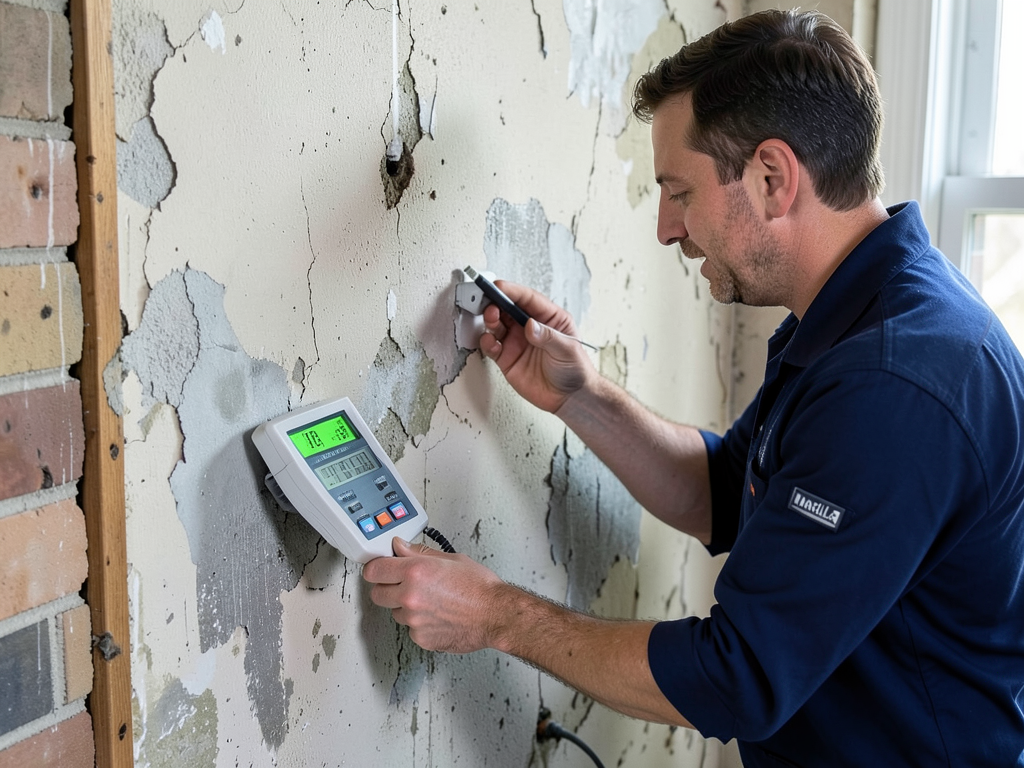
Water that has migrated behind walls or under flooring creates hidden moisture pockets that consumer fans cannot address. Professional moisture meters and thermal imaging cameras locate these areas, ensuring complete drying and preventing mold growth in concealed spaces.
Time sensitivity matters significantly. The EPA and CDC both state that mold can begin growing within 24-48 hours of water exposure. Professional restoration teams can typically arrive within hours of notification, while homeowners spending time shopping for equipment lose critical response time.
Insurance compliance represents another consideration. Many insurance policies require professional mitigation to validate claims. DIY attempts using consumer equipment may result in claim denials if secondary damage occurs due to inadequate drying. How to Handle Insurance Claims.
Structural considerations also matter. Water-damaged materials like drywall, insulation, and subflooring require specific drying protocols. Professional technicians understand when materials can be saved versus when removal becomes necessary to prevent further damage.
Marilla’s specific conditions—clay soil, older foundations, and seasonal flooding patterns—create scenarios where professional equipment and expertise provide the best outcomes. The initial cost of professional service often proves less expensive than extended DIY attempts that result in mold growth or structural damage.
Frequently Asked Questions
How long does it take to dry a flooded basement with professional equipment?
Professional drying typically requires 3-5 days for complete moisture removal, depending on the extent of flooding and materials affected. Consumer fans often run for 7-10 days without achieving proper dryness levels.
Can I use my household fans if I’m on a tight budget?
Household fans may help with surface water but cannot address moisture trapped in walls, under floors, or within structural materials. The risk of mold growth and extended drying times often results in higher overall costs.
What’s the difference between axial and centrifugal air movers?
Axial fans move large volumes of air in a straight path, similar to box fans. Centrifugal air movers use a wheel design to create high static pressure, allowing them to push air through obstacles like carpet and into wall cavities.
Do I need a dehumidifier along with air movers?
Yes. Air movers evaporate moisture from materials, but dehumidifiers remove that moisture from the air. Professional drying always uses both types of equipment working together for optimal results.
Will my homeowner’s insurance cover professional water damage restoration?
Most standard policies cover sudden water damage from burst pipes or appliance failures. Coverage for flooding typically requires separate flood insurance. Professional restoration companies often assist with insurance documentation.
Additional Resources
For more information about water damage restoration standards and safety guidelines, visit these authoritative sources:
- EPA Mold Guide – Environmental Protection Agency guidelines for mold prevention and cleanup
- CDC Mold Information – Centers for Disease Control recommendations for mold exposure and remediation
- IICRC S500 Standards – Institute of Inspection Cleaning and Restoration Certification professional standards
Don’t let inadequate equipment turn a water emergency into a mold disaster. Call (716) 317-7717 today to schedule your inspection. Our certified technicians can assess your situation and provide the professional drying equipment and expertise needed to protect your Marilla home.
Pick up the phone and call (716) 317-7717 before the next storm hits. Every hour counts when water threatens your home’s structure and your family’s health.
{
“@context”: “https://schema.org”,
“@type”: “BlogPosting”,
“headline”: “Why Rental Fans From a Big Box Store Often Fail to Dry Your Marilla Basement”,
“description”: “Discover why consumer-grade fans can’t handle Marilla basement flooding. Learn the technical differences in CFM, static pressure, and safety that make professional drying equipment essential.”,
“wordCount”: 1556,
“datePublished”: “2026-05-05T11:24:00.000Z”,
“dateModified”: “2026-05-05T11:24:00.000Z”,
“inLanguage”: “en-US”,
“mainEntityOfPage”: {
“@type”: “WebPage”,
“@id”: “https://alphawaterdamagerestorationbuffalo.com”
},
“publisher”: {
“@type”: “LocalBusiness”,
“name”: “Alpha Water Damage Restoration Buffalo”,
“url”: “https://alphawaterdamagerestorationbuffalo.com”
},
“author”: {
“@type”: “Organization”,
“name”: “Alpha Water Damage Restoration Buffalo”,
“url”: “https://alphawaterdamagerestorationbuffalo.com”
},
“image”: {
“@type”: “ImageObject”,
“url”: “https://alphawaterdamagerestorationbuffalo.com/wp-content/uploads/2026/03/why-rental-fans-from-a-big-box-store-often-fail-to-1.png”
}
}
{
“@context”: “https://schema.org”,
“@type”: “LocalBusiness”,
“name”: “Alpha Water Damage Restoration Buffalo”,
“url”: “https://alphawaterdamagerestorationbuffalo.com”,
“address”: {
“@type”: “PostalAddress”,
“addressLocality”: “Buffalo”
},
“areaServed”: {
“@type”: “City”,
“name”: “Buffalo”
}
}
{
“@context”: “https://schema.org”,
“@type”: “FAQPage”,
“mainEntity”: [
{
“@type”: “Question”,
“name”: “How long does it take to dry a flooded basement with professional equipment?”,
“acceptedAnswer”: {
“@type”: “Answer”,
“text”: “Professional drying typically requires 3-5 days for complete moisture removal, depending on the extent of flooding and materials affected. Consumer fans often run for 7-10 days without achieving proper dryness levels.”
}
},
{
“@type”: “Question”,
“name”: “Can I use my household fans if I’m on a tight budget?”,
“acceptedAnswer”: {
“@type”: “Answer”,
“text”: “Household fans may help with surface water but cannot address moisture trapped in walls, under floors, or within structural materials. The risk of mold growth and extended drying times often results in higher overall costs.”
}
},
{
“@type”: “Question”,
“name”: “What’s the difference between axial and centrifugal air movers?”,
“acceptedAnswer”: {
“@type”: “Answer”,
“text”: “Axial fans move large volumes of air in a straight path, similar to box fans. Centrifugal air movers use a wheel design to create high static pressure, allowing them to push air through obstacles like carpet and into wall cavities.”
}
},
{
“@type”: “Question”,
“name”: “Do I need a dehumidifier along with air movers?”,
“acceptedAnswer”: {
“@type”: “Answer”,
“text”: “Yes. Air movers evaporate moisture from materials, but dehumidifiers remove that moisture from the air. Professional drying always uses both types of equipment working together for optimal results.”
}
},
{
“@type”: “Question”,
“name”: “Will my homeowner’s insurance cover professional water damage restoration?”,
“acceptedAnswer”: {
“@type”: “Answer”,
“text”: “Most standard policies cover sudden water damage from burst pipes or appliance failures. Coverage for flooding typically requires separate flood insurance. Professional restoration companies often assist with insurance documentation.”
}
}
]
}
{
“@context”: “https://schema.org”,
“@type”: “BreadcrumbList”,
“itemListElement”: [
{
“@type”: “ListItem”,
“position”: 1,
“name”: “Home”,
“item”: “https://alphawaterdamagerestorationbuffalo.com”
},
{
“@type”: “ListItem”,
“position”: 2,
“name”: “Blog”,
“item”: “https://alphawaterdamagerestorationbuffalo.com/blog”
},
{
“@type”: “ListItem”,
“position”: 3,
“name”: “Why Rental Fans From a Big Box Store Often Fail to Dry Your Marilla Basement”
}
]
}
{
“@context”: “https://schema.org”,
“@type”: “Service”,
“serviceType”: “Water Damage Restoration”,
“provider”: {
“@type”: “LocalBusiness”,
“name”: “Alpha Water Damage Restoration Buffalo”,
“url”: “https://alphawaterdamagerestorationbuffalo.com”
},
“areaServed”: {
“@type”: “City”,
“name”: “Buffalo”
},
“description”: “Discover why consumer-grade fans can’t handle Marilla basement flooding. Learn the technical differences in CFM, static pressure, and safety that make professional drying equipment essential.”
}