
Telling the Difference Between Ice Dams and Simple Roof Leaks in Elma
When water appears on your ceiling during a Buffalo winter, panic sets in fast. Is it a simple roof leak that needs a patch job, or a dangerous ice dam causing hidden structural damage? The answer determines whether you need a roofer or an emergency water damage restoration team. In Elma’s heavy Lake Effect snow zones, this distinction saves thousands in repair costs and prevents dangerous mold growth. EPA Mold Guidelines.
Ice dams form when heat escapes through your attic, melting snow on the roof. The water runs down to the cold eaves and refreezes, creating a barrier that forces water under shingles and into your walls. A standard roof leak typically comes from a single point of failure like damaged flashing or missing shingles. Understanding the difference means you can take the right emergency steps before the next storm hits. Repairing water damage from frozen pipes in Clarence.
The Quick Diagnostic: 3 Ways to Tell the Difference Immediately
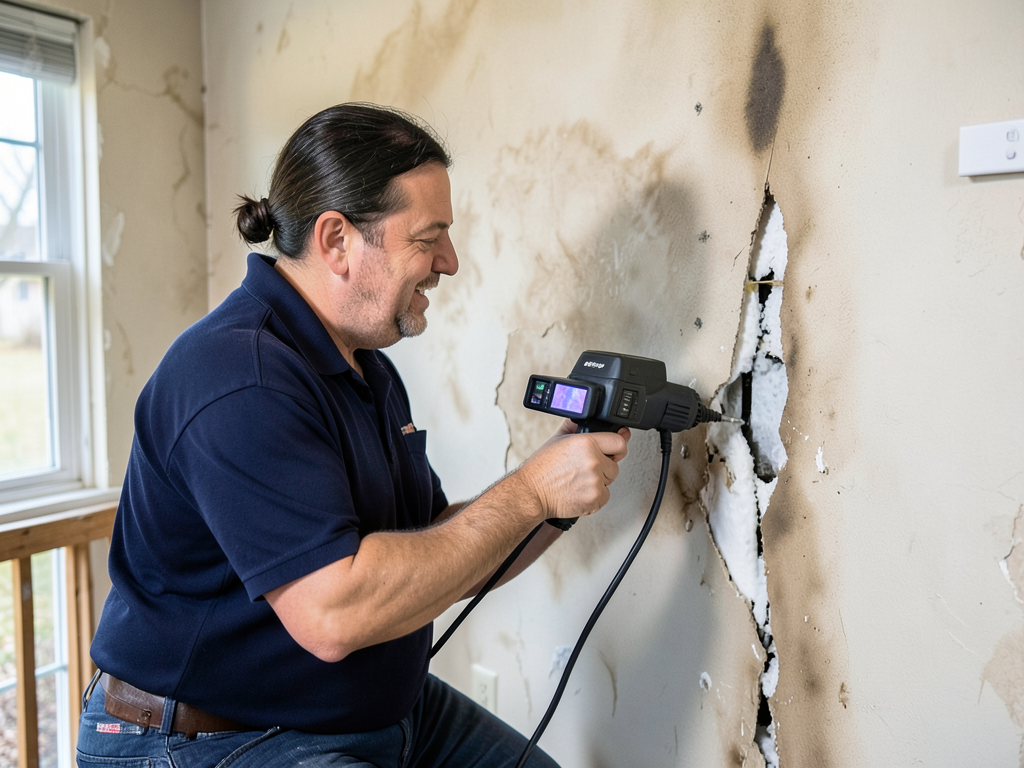
Before you call anyone, check these three signs to identify what you’re dealing with. The location of the water damage tells a story. Ice dams typically cause water to back up at exterior walls and along the roof edge. Standard leaks usually create isolated ceiling spots away from walls. Commercial water damage and drying experts in Downtown Buffalo.
Look outside at your roof edge. Are there large icicles hanging from the gutters, or do you see a thick ridge of ice along the eaves? These are classic ice dam signatures. A simple leak rarely creates visible exterior ice formations.
Feel the affected wall or ceiling. Ice dam damage often feels cold and wet along exterior walls because the water is actively moving through frozen paths. A standard leak typically feels warmer since it’s coming from inside the roof structure. Safe basement water removal services in Lancaster NY.
What is an Ice Dam? (The Physics of Buffalo Winters)
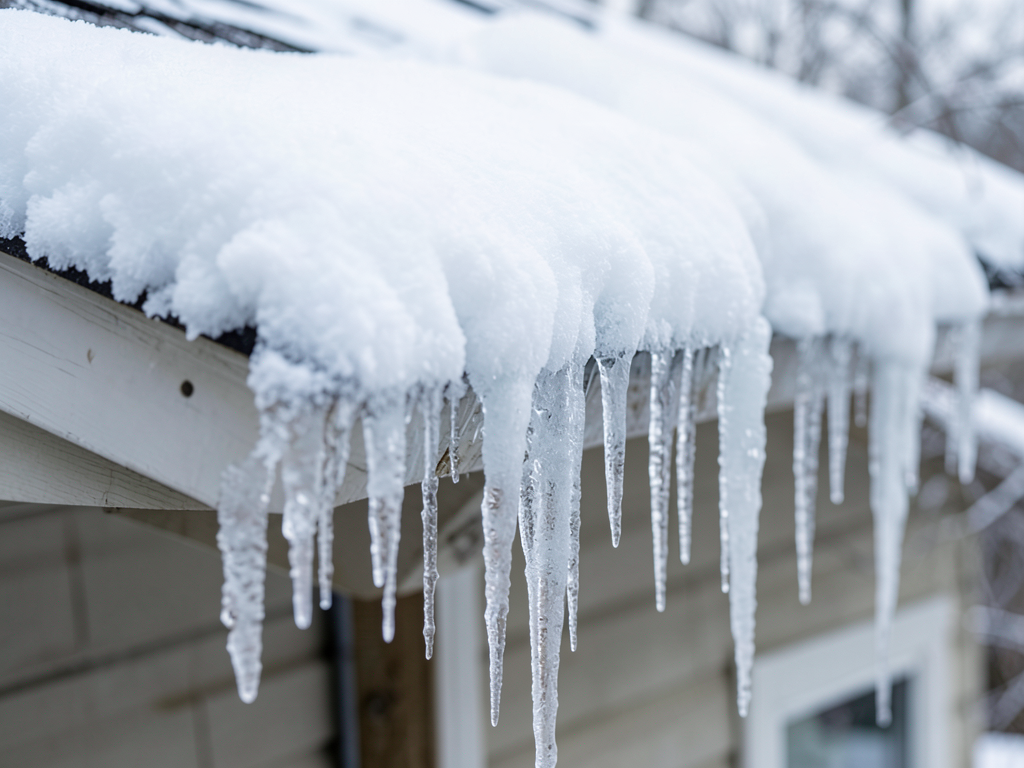
Ice dams form through a specific thermal cycle unique to Western New York’s climate. When heavy snow covers your roof and indoor heat escapes through inadequate attic insulation, the bottom layer of snow melts. This water flows down to the cold eaves where temperatures hover near freezing. New York State Building Code.
The water refreezes at the roof edge, creating a growing ice barrier. As this barrier builds, it traps additional meltwater, forcing it under shingles and into your home. The process accelerates during freeze-thaw cycles common in Elma’s winter weather patterns.. Read more about Identifying Water Stains Around Your Fireplace Before They Ruin Your North Buffalo Living Room.
According to the New York State Uniform Fire Prevention and Building Code, attics in Zone 5 (which includes Erie County) require minimum R-49 insulation to prevent heat loss. Many older Elma homes built before modern energy codes have R-19 or less, creating perfect conditions for ice dam formation.. Read more about Understanding Why Some Wet Insulation Must Be Tossed While Other Types Can Be Dried.
Common Causes of Standard Roof Leaks in WNY
Standard roof leaks in Elma typically stem from different failure points than ice dams. Aging asphalt shingles lose their protective granules and crack under freeze-thaw stress. Wind-driven rain exploits these weaknesses, especially on older homes with 20+ year old roofing.
Flashing failures around chimneys, vents, and skylights create direct water entry points. In Elma’s older neighborhoods, many homes have original flashing that has corroded or separated from the roof surface. The freeze-thaw cycles accelerate this deterioration.
Valley areas where roof planes meet are particularly vulnerable. Debris accumulation in these channels prevents proper water flow, leading to ponding and eventual penetration through worn roofing materials.
Comparison Table: Symptoms, Locations, and Severity
| Symptom | Ice Dam | Roof Leak |
|---|---|---|
| Water Location | Exterior walls, ceiling corners near walls | Central ceiling areas, isolated spots |
| Exterior Signs | Large icicles, ice ridge along eaves | No visible ice formations |
| Temperature Pattern | Cold, wet along walls | Warmer, localized moisture |
| Damage Pattern | Streaks running down walls | Round ceiling spots or blisters |
| Repair Urgency | Emergency – water continues flowing | Can wait 24-48 hours |
The Hidden Danger: Secondary Water Damage and Mold
Ice dams create a unique secondary damage pattern that standard leaks rarely match. When water backs up behind an ice dam, it saturates insulation and wall cavities. In Elma’s humid spring conditions, this trapped moisture becomes a perfect mold breeding ground within 24-48 hours.
The moisture meter test reveals the difference. With ice dam damage, readings show high moisture levels extending 4-6 feet up from the floor along exterior walls. Standard leaks typically show concentrated moisture directly below the entry point.
Wall cavities affected by ice dams often require complete removal of drywall and insulation. The moisture penetrates deep into structural members, creating conditions for black mold growth that threatens indoor air quality and structural integrity.. Read more about Why Flat Roof Pooling is a Constant Threat to Small Shops in the Niagara District.
Immediate Steps: What to do Before the Restoration Pro Arrives
If you identify an active ice dam situation, safety comes first. Never attempt to knock down large icicles or chip away at ice dams with tools. This creates falling ice hazards and can damage shingles or gutters beyond repair.. Read more about How Buffalo First Time Homebuyers Can Spot Covered Up Water Damage.
Move furniture and valuables away from affected walls and ceilings. Place buckets under active drips and puncture small bubbles in ceiling paint to relieve water pressure. This prevents catastrophic ceiling collapse.
Document everything with photos and videos before cleanup begins. This documentation proves invaluable for insurance claims, especially when dealing with ice dam damage that may require structural repairs beyond simple water extraction. How to Handle Insurance Claims.
Long-term Prevention: Insulation and Ventilation Strategies
Preventing ice dams requires addressing the root cause: heat loss through your attic. The EPA recommends attic insulation levels of R-49 to R-60 for Buffalo’s climate zone. Many Elma homes need significant insulation upgrades to meet these standards.
Proper attic ventilation works with insulation to maintain cold roof temperatures. Soffit vents draw in cold air while ridge vents allow warm air to escape. This continuous airflow keeps the entire roof surface near outdoor temperatures, preventing the freeze-thaw cycle that creates ice dams.
Heat tape installation along roof edges provides temporary protection but doesn’t address underlying insulation problems. For lasting results, combine proper insulation with adequate ventilation and consider professional roof ice melt systems for severe problem areas.
When to Call a Professional vs. a Roofer
The water damage restoration decision tree is simple: active water intrusion with potential structural damage requires immediate professional restoration services. If you see water actively spreading, hear dripping in walls, or notice ceiling sagging, call (716) 317-7717 immediately. Choosing a Restoration Company.
For isolated ceiling spots with no active water flow, a roofing inspection may suffice. However, if the leak appears during heavy snow or freezing conditions, ice dam formation is likely, requiring restoration expertise to address both the immediate water damage and prevent recurrence.
Insurance coverage differs significantly between the two scenarios. Standard roof leaks from maintenance issues often fall under maintenance exclusions. Ice dam damage caused by inadequate insulation may be covered as a sudden event, especially when it affects multiple areas of your home.
Professional Steaming vs. Chemical Melts: What Works Best
Professional ice dam removal uses low-pressure steam at 250-300 degrees Fahrenheit to safely melt ice without damaging roofing materials. This method prevents the thermal shock that can crack shingles or warp metal roofing components.
Chemical ice melts containing calcium chloride can damage aluminum gutters, kill vegetation, and create hazardous conditions for pets. The runoff also corrodes metal flashing and can stain concrete walkways and driveways.
Professional restoration companies use thermal imaging cameras to identify hidden moisture pockets behind walls. This technology reveals the full extent of ice dam damage that isn’t visible to the naked eye, ensuring complete drying and preventing future mold problems.
Interior Signs: Wall Staining, Wet Insulation, and Bubbling Paint
Ice dam damage creates distinctive interior patterns. Water travels along exterior wall studs, creating vertical streaks that widen as they move downward. The staining often appears tan or brown, unlike the yellow or gray patterns from roof leaks.
Baseboards and trim near affected areas often show early signs of water damage. The paint bubbles or peels away from the surface as moisture accumulates behind the finish materials. In severe cases, drywall tape separates from corners as the joint compound loses adhesion.
Attic inspection reveals the source. With ice dams, you’ll find wet insulation near the eaves and possibly standing water in the attic space. Standard leaks typically show localized wet spots directly below the roof penetration point.
Exterior Signs: Icicle Patterns and Gutter Displacement
Ice dam formations create predictable exterior patterns. Large, thick icicles hanging from gutters indicate significant ice buildup behind them. The icicles often form in rows, following the pattern of heat loss through the roof structure.
Gutters affected by ice dams may pull away from the fascia board as ice expansion forces them outward. The weight of solid ice can bend aluminum gutters or snap vinyl sections completely off the roof edge.
Roof valleys accumulate ice differently than eaves. Ice in valleys often indicates ventilation problems rather than insulation issues, as these areas naturally collect snow and experience different thermal dynamics than the roof edges.
Buffalo Winter Freeze-Thaw Cycles: The Perfect Storm
Elma’s position in the Lake Effect snow belt creates ideal conditions for ice dam formation. The combination of heavy snowfall, rapid temperature fluctuations, and persistent cloud cover keeps roofs in a constant state of thermal stress.
Freeze-thaw cycles occur when daytime temperatures rise above freezing while nighttime temperatures drop below. This daily pattern repeats throughout the winter, gradually building ice dams even on well-insulated homes if ventilation is inadequate.
The January thaw phenomenon common in Western New York can suddenly release massive amounts of meltwater from existing ice dams. This sudden release often causes the most severe interior flooding as water rushes through previously blocked pathways.
Cost of Inaction: Estimated Repair Costs for Drywall vs. Structural Timber
Delaying ice dam damage repair multiplies costs exponentially. Initial water staining on drywall might cost $500-1,000 to repair. However, if moisture penetrates into wall cavities and causes mold growth, remediation costs jump to $3,000-8,000 for a single affected wall.
Structural timber damage represents the highest cost scenario. When water saturates wall studs and floor joists for extended periods, replacement becomes necessary. This type of damage can exceed $15,000-25,000 in a typical Elma home, especially in finished basements or multi-story structures.
Insurance claim data shows that homes with documented ice dam prevention measures (proper insulation, ventilation) receive claim approvals 70% more frequently than homes without such documentation. Prevention documentation serves as proof of proper home maintenance.
Frequently Asked Questions
How can I tell if my ceiling leak is from an ice dam or a roof leak?
Ice dam leaks typically appear along exterior walls and create vertical streaks, while roof leaks form isolated ceiling spots away from walls. Ice dams also create visible exterior ice formations along the eaves that roof leaks don’t produce.
Should I call a roofer or water damage restoration company first?
If water is actively spreading or you see signs of structural damage like ceiling sagging, call a water damage restoration company immediately at (716) 317-7717. For isolated ceiling spots with no active water flow, a roofing inspection may be sufficient.
Will my homeowners insurance cover ice dam damage?
Insurance coverage varies by policy, but ice dam damage caused by inadequate insulation is often covered as a sudden event. Document all damage with photos and contact your insurance company promptly after discovering the issue.
How long does it take for mold to grow after ice dam water intrusion?
Mold can begin growing within 24-48 hours in the warm, humid conditions typical of Buffalo homes. This is why immediate water extraction and drying are critical when dealing with ice dam damage.
Can I prevent ice dams with heat cables along my roof edge?
Heat cables provide temporary protection but don’t address the underlying insulation and ventilation problems that cause ice dams. For lasting prevention, proper attic insulation to R-49 and adequate ventilation are essential.
Take Action Before the Next Storm Hits
Don’t wait until water is pouring through your ceiling to identify the problem. Understanding the difference between ice dams and roof leaks could save your home from catastrophic damage. If you’re seeing any of the warning signs described in this article, immediate action is crucial.
Pick up the phone and call (716) 317-7717 before the next storm hits. Our emergency response team serves Elma and all of Western New York with 24/7 availability. We’ll diagnose the source of your water intrusion, prevent further damage, and work directly with your insurance company to get your home restored quickly and completely.
Remember, ice dam damage doesn’t wait for business hours, and neither do we. Every hour of delay allows water to spread deeper into your home’s structure, increasing repair costs and mold risk. Call now to protect your home and your family’s health.
{
“@context”: “https://schema.org”,
“@type”: “BlogPosting”,
“headline”: “Telling the Difference Between Ice Dams and Simple Roof Leaks in Elma”,
“description”: “Learn to identify ice dams vs roof leaks in Elma’s harsh winters. Our Buffalo experts explain the key differences and when to call for emergency water damage restoration.”,
“wordCount”: 2130,
“datePublished”: “2026-04-29T07:26:00.000Z”,
“dateModified”: “2026-04-29T07:26:00.000Z”,
“inLanguage”: “en-US”,
“mainEntityOfPage”: {
“@type”: “WebPage”,
“@id”: “https://alphawaterdamagerestorationbuffalo.com”
},
“publisher”: {
“@type”: “LocalBusiness”,
“name”: “Alpha Water Damage Restoration Buffalo”,
“url”: “https://alphawaterdamagerestorationbuffalo.com”
},
“author”: {
“@type”: “Organization”,
“name”: “Alpha Water Damage Restoration Buffalo”,
“url”: “https://alphawaterdamagerestorationbuffalo.com”
},
“image”: {
“@type”: “ImageObject”,
“url”: “https://alphawaterdamagerestorationbuffalo.com/wp-content/uploads/2026/03/telling-the-difference-between-ice-dams-and-simple-1.png”
}
}
{
“@context”: “https://schema.org”,
“@type”: “LocalBusiness”,
“name”: “Alpha Water Damage Restoration Buffalo”,
“url”: “https://alphawaterdamagerestorationbuffalo.com”,
“address”: {
“@type”: “PostalAddress”,
“addressLocality”: “Buffalo”
},
“areaServed”: {
“@type”: “City”,
“name”: “Buffalo”
}
}
{
“@context”: “https://schema.org”,
“@type”: “FAQPage”,
“mainEntity”: [
{
“@type”: “Question”,
“name”: “How can I tell if my ceiling leak is from an ice dam or a roof leak?”,
“acceptedAnswer”: {
“@type”: “Answer”,
“text”: “Ice dam leaks typically appear along exterior walls and create vertical streaks, while roof leaks form isolated ceiling spots away from walls. Ice dams also create visible exterior ice formations along the eaves that roof leaks don’t produce.”
}
},
{
“@type”: “Question”,
“name”: “Should I call a roofer or water damage restoration company first?”,
“acceptedAnswer”: {
“@type”: “Answer”,
“text”: “If water is actively spreading or you see signs of structural damage like ceiling sagging, call a water damage restoration company immediately at (716) 317-7717. For isolated ceiling spots with no active water flow, a roofing inspection may be sufficient.”
}
},
{
“@type”: “Question”,
“name”: “Will my homeowners insurance cover ice dam damage?”,
“acceptedAnswer”: {
“@type”: “Answer”,
“text”: “Insurance coverage varies by policy, but ice dam damage caused by inadequate insulation is often covered as a sudden event. Document all damage with photos and contact your insurance company promptly after discovering the issue.”
}
},
{
“@type”: “Question”,
“name”: “How long does it take for mold to grow after ice dam water intrusion?”,
“acceptedAnswer”: {
“@type”: “Answer”,
“text”: “Mold can begin growing within 24-48 hours in the warm, humid conditions typical of Buffalo homes. This is why immediate water extraction and drying are critical when dealing with ice dam damage.”
}
},
{
“@type”: “Question”,
“name”: “Can I prevent ice dams with heat cables along my roof edge?”,
“acceptedAnswer”: {
“@type”: “Answer”,
“text”: “Heat cables provide temporary protection but don’t address the underlying insulation and ventilation problems that cause ice dams. For lasting prevention, proper attic insulation to R-49 and adequate ventilation are essential.”
}
}
]
}
{
“@context”: “https://schema.org”,
“@type”: “BreadcrumbList”,
“itemListElement”: [
{
“@type”: “ListItem”,
“position”: 1,
“name”: “Home”,
“item”: “https://alphawaterdamagerestorationbuffalo.com”
},
{
“@type”: “ListItem”,
“position”: 2,
“name”: “Blog”,
“item”: “https://alphawaterdamagerestorationbuffalo.com/blog”
},
{
“@type”: “ListItem”,
“position”: 3,
“name”: “Telling the Difference Between Ice Dams and Simple Roof Leaks in Elma”
}
]
}
{
“@context”: “https://schema.org”,
“@type”: “Service”,
“serviceType”: “Water Damage Restoration”,
“provider”: {
“@type”: “LocalBusiness”,
“name”: “Alpha Water Damage Restoration Buffalo”,
“url”: “https://alphawaterdamagerestorationbuffalo.com”
},
“areaServed”: {
“@type”: “City”,
“name”: “Buffalo”
},
“description”: “Learn to identify ice dams vs roof leaks in Elma’s harsh winters. Our Buffalo experts explain the key differences and when to call for emergency water damage restoration.”
}