
How Buffalo First Time Homebuyers Can Spot Covered Up Water Damage
Buying your first home in Buffalo is exciting but nerve-wracking. You’re probably focused on the neighborhood, the schools, and the kitchen layout. But hidden water damage can turn your dream home into a financial nightmare. The good news is you can learn to spot the warning signs before you sign on the dotted line.. Read more about Identifying Water Stains Around Your Fireplace Before They Ruin Your North Buffalo Living Room.
Water damage in Western New York homes often hides behind fresh paint, under new flooring, or in basement corners that sellers hope you won’t check. Our freeze-thaw cycles, Lake Effect snow, and aging infrastructure create perfect conditions for moisture problems that can cost thousands to fix. This guide will show you exactly what to look for so you can make an informed decision and avoid buying someone else’s water problems.. Read more about Cleaning Your Sump Pump Pit to Prevent Basement Floods in West Seneca.
Why Early Detection is Critical in Western New York
Buffalo’s unique climate creates specific water damage risks that don’t exist in other parts of the country. Our annual 94 inches of snow doesn’t just melt slowly in spring—it creates sudden pressure on foundations when temperatures spike. The freeze-thaw cycles we experience 40-50 times per year cause pipes to expand and contract, creating microscopic cracks that eventually leak.. Read more about Fixing Poor Yard Grading to Stop Water from Pooling Against Your Tonawanda Foundation.
The average cost to repair hidden water damage in a Buffalo home ranges from $2,500 to $15,000 depending on severity. But that’s just the immediate repair. If moisture sits for more than 48-72 hours, mold begins growing. Black mold remediation in Western New York homes typically costs $3,000 to $6,000 more. The longer you wait, the more expensive it gets. EPA mold guidelines.
Western New York’s clay-heavy soil also plays a role. When this soil gets saturated, it expands and puts pressure on foundation walls. This hydrostatic pressure causes basement walls to bow inward, creating cracks that let water seep in during the next heavy rain. Many first-time buyers don’t realize that a home’s age in Buffalo directly correlates with its water damage risk—homes built before 1980 often lack proper moisture barriers that modern construction requires.. Read more about Why PEX Pipe Connections Often Fail and Flood Kitchens in Newer Clearview Developments.
7 Warning Signs of Hidden Water Damage
1. Unexplained Changes in Wall Texture or Paint
When water gets behind drywall or plaster, it causes the surface to bubble, warp, or crack. In Buffalo’s older homes with plaster walls, water damage often shows as a subtle rippling effect that’s easy to miss if you’re not looking for it. The paint may look fine from across the room but feel uneven or soft when you touch it.. Read more about Why Your Basement Floor Paint is Bubbling and Peeling in Cheektowaga.
Pay special attention to areas near windows, exterior doors, and ceiling corners. These spots are vulnerable to ice dam formation in winter. When snow melts on your roof and refreezes at the eaves, it creates a dam that forces water under shingles and into your walls. The damage often appears as discolored patches that sellers try to cover with touch-up paint.
Run your hand along walls in suspected areas. Water-damaged surfaces feel different—they might be slightly cooler to the touch or have a chalky texture where the paint is separating from the wall. In plaster walls common in Buffalo’s historic districts, water damage causes the plaster to separate from the lath underneath, creating a hollow sound when you tap it gently.. Read more about Why Your Ductwork Might Be Spraying Mold Spores Throughout Your Kensington Home.
2. Musty Odors and the Presence of Mold Spores
Your nose knows. Musty, earthy smells in basements, closets, or near plumbing fixtures are often the first sign of hidden moisture problems. In Buffalo’s humid summers, these odors become more pronounced as warm air holds more moisture and activates dormant mold spores.
Mold doesn’t always grow in visible spots. It thrives in dark, damp areas like inside wall cavities, under flooring, or in attic spaces with poor ventilation. The telltale sign is that distinctive musty smell—it’s actually microbial volatile organic compounds (MVOCs) that mold releases as it grows.
During your home inspection, pay attention to how the house smells when you first walk in versus after you’ve been there for 10-15 minutes. Sellers sometimes use air fresheners or scented candles to mask odors during showings. If the musty smell returns after the masking agents dissipate, you’ve likely found a water problem.
3. Sudden Spikes in Buffalo Water Bills
Before you even step foot in a potential home, check the water usage history. The Erie County Water Authority provides 12-month usage data that can reveal hidden leaks. A sudden spike in water usage without a corresponding increase in occupants is a major red flag.
Hidden leaks in Buffalo homes often occur in supply lines to toilets, under kitchen sinks, or in the main water line where it enters the basement. These leaks can waste 50-200 gallons per day without showing obvious signs on the surface. Over a month, that’s 1,500-6,000 gallons—enough to cause significant structural damage and show up on your water bill.. Read more about Signs Your Chimney Flashing is Leaking and Ruining Your East Aurora Ceiling.
Ask the seller for water bills from the past year. Look for patterns. A consistent baseline with one unusually high month suggests a leak that was repaired. Multiple high months suggest an ongoing problem. Also check for seasonal patterns—higher usage in winter might indicate a pipe that’s slowly leaking and then freezing, causing intermittent problems.
4. Warped Flooring and Sagging Ceilings
Water causes wood and composite materials to expand, contract, and eventually warp. In Buffalo homes, this often shows up as buckling hardwood floors, cupped floorboards, or laminate that’s separating at the seams. These changes happen gradually, so sellers might not notice them in day-to-day living.
Pay special attention to flooring near exterior doors, windows, and in basements. These areas are most vulnerable to moisture intrusion from snowmelt, rain, or plumbing leaks. If you see flooring that looks newer in just one section of a room, that’s often a sign the seller replaced damaged material without fixing the underlying moisture problem.
Ceiling sagging is another critical warning sign. Water from roof leaks or upper-floor plumbing problems collects in ceiling cavities, saturating drywall or plaster until it loses structural integrity. In severe cases, you might see actual water stains or discoloration. But often, the first sign is a subtle dip or uneven surface that catches the light differently.
5. Foundation Cracks and Efflorescence
Not all foundation cracks are created equal. Hairline cracks less than 1/8 inch wide are common in Buffalo’s older homes and usually aren’t serious. But horizontal cracks, stair-step cracks in block foundations, or cracks wider than 1/4 inch indicate structural problems that often involve water pressure.. Read more about How Porous Brick Foundations in Older South Buffalo Homes Lead to Seepage.
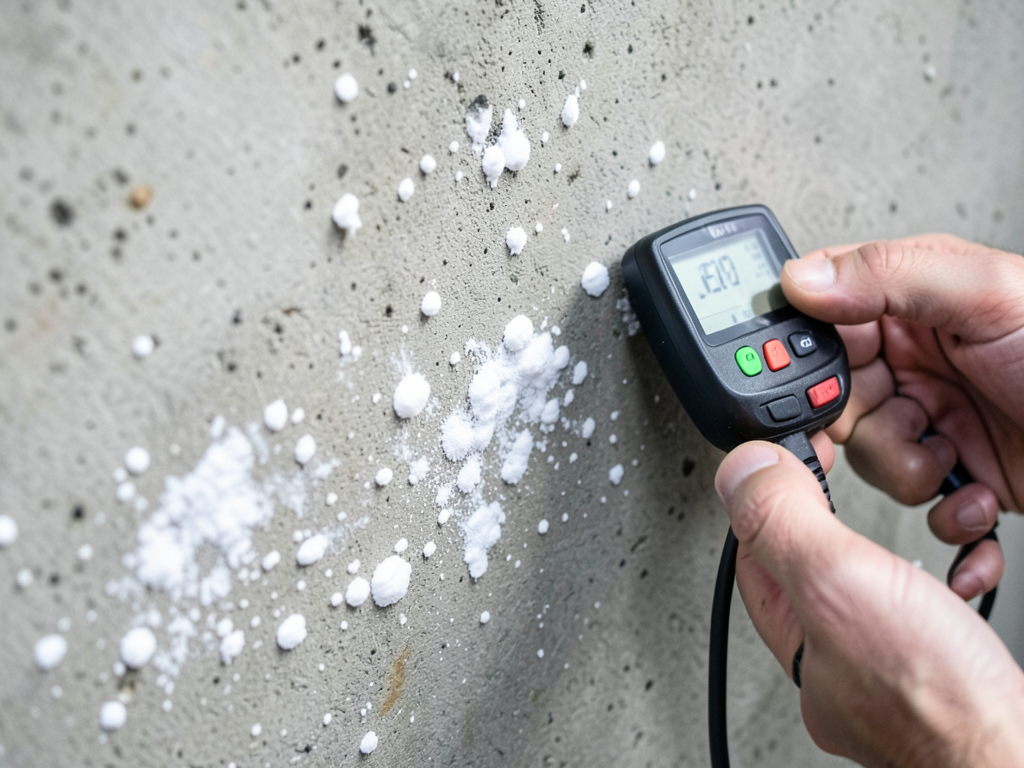
Efflorescence is a white, powdery substance that appears on concrete or masonry when water evaporates and leaves behind mineral deposits. It’s common on Buffalo basement walls during spring thaw when groundwater levels are highest. While efflorescence itself isn’t harmful, it indicates that water is moving through your foundation—the same water that can cause mold, rot, and structural damage.
Check the basement walls and floor for both cracks and efflorescence. Run your fingers along suspected areas. Efflorescence feels slightly gritty and wipes off easily, while mold feels slimy or fuzzy. Also look for rust stains on metal fixtures or appliances—these indicate prolonged moisture exposure even if you don’t see standing water.
6. Window and Door Frame Deterioration
Buffalo’s freeze-thaw cycles are particularly hard on window and door frames. Water seeps into small cracks, freezes, expands, and eventually causes the wood to rot from the inside out. By the time you see visible damage, the problem is usually severe.
Check window sills for soft spots by pressing firmly with your finger. If the wood feels spongy or crumbles, rot has set in. Look for peeling paint around frames—this often indicates moisture is getting behind the paint layer. In vinyl or aluminum-clad windows, check for separation at the corners where water can penetrate.
Doors that stick or don’t close properly might seem like a simple alignment issue, but they can also indicate foundation movement caused by water damage. As foundations shift due to hydrostatic pressure, door frames become misaligned. This is especially common in Buffalo homes built on clay soil that expands when wet.
7. HVAC System Red Flags
Your home’s heating and cooling system can reveal hidden water problems. Check the furnace area for rust on the heat exchanger or water heater. Rust indicates moisture exposure and suggests the area has been damp for an extended period.
Look at the air conditioner condensate drain line. If it’s clogged or the drain pan is rusty, water may be backing up and causing moisture problems. In Buffalo’s humid summers, a properly functioning AC system removes significant moisture from the air. If the system isn’t working correctly, that moisture stays in your home.
Also check the area around your water heater. Look for corrosion on the tank, water stains on the floor, or a rusty pressure relief valve. Water heaters in Buffalo homes often fail due to the mineral content in our water and the temperature fluctuations they experience during power outages and seasonal changes.
The Buffalo Factor: Regional Red Flags (Snowmelt & Frozen Pipes)
Buffalo’s specific climate creates water damage risks that homeowners in other regions never face. Understanding these local factors can help you spot problems that might not trigger alarms elsewhere.
Lake Effect snow is unique to our region. When this heavy, wet snow accumulates on roofs, it creates enormous weight—up to 20 pounds per cubic foot when wet. This weight can cause structural damage and create ice dams that force water under shingles. Check attic spaces for signs of roof leaks, especially near the eaves where ice dams form.
Our rapid freeze-thaw cycles are particularly damaging. When temperatures swing from 30°F to 50°F in a single day—common in March and April—any water in cracks or crevices expands as it freezes. This freeze-thaw action can split concrete, separate caulking, and force water into places it couldn’t penetrate when liquid.
Buffalo’s high water table is another regional factor. Areas near Lake Erie and the Niagara River often have groundwater within 10-15 feet of the surface. This means basement water problems aren’t just about rain—they’re about constant pressure from below. If a home has a sump pump, ask when it was installed and whether it runs continuously or only during heavy rain.
Finally, consider the age of Buffalo’s housing stock. Nearly 60% of homes in the city were built before 1950. These homes often lack modern moisture barriers, have outdated plumbing, and may have been modified multiple times, creating hidden pathways for water intrusion. A 100-year-old home in Allentown or the West Side requires different scrutiny than a 20-year-old home in the suburbs.
DIY Inspection vs. Professional Moisture Mapping
You can perform a basic inspection yourself, but professional moisture mapping uses technology that reveals what your eyes can’t see. Understanding the difference helps you decide when to call in experts.
DIY inspection involves visual examination, touch tests, and smell checks. You’re looking for the warning signs we’ve discussed: discoloration, warping, musty odors, and visible moisture. This approach costs nothing but your time and can reveal obvious problems. However, it misses hidden issues behind walls or under floors.
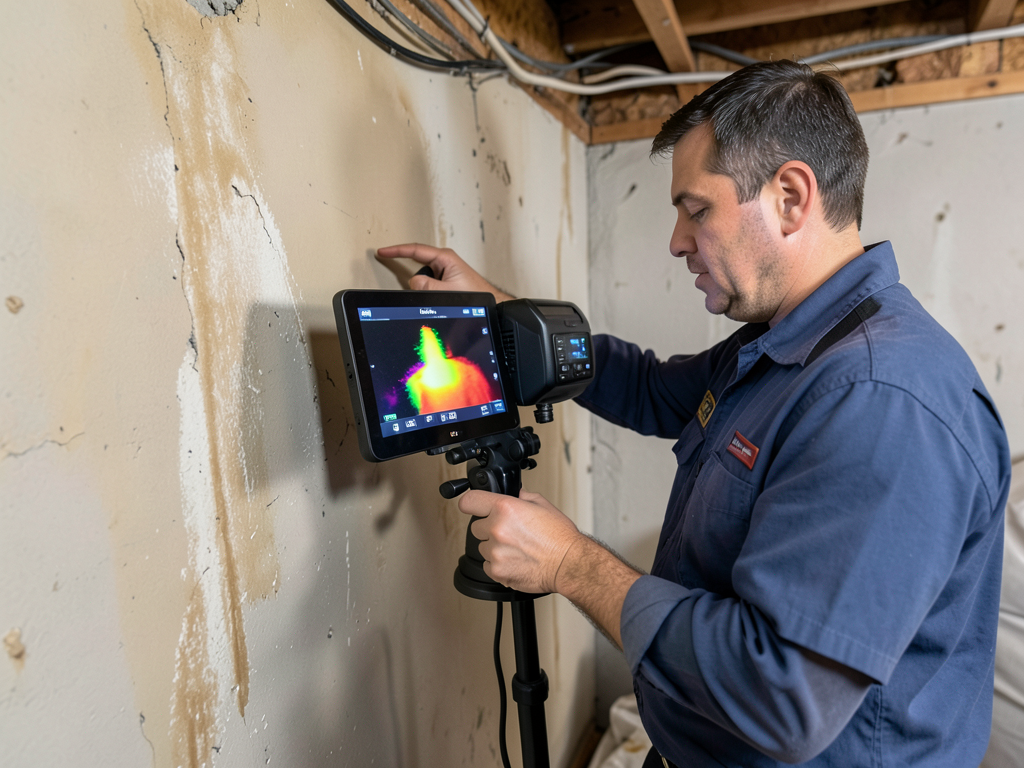
Professional moisture mapping uses infrared cameras, moisture meters, and hygrometers to detect water you can’t see. These tools measure temperature differences that indicate moisture presence, test specific materials for water content, and measure air humidity levels. A professional inspection typically costs $300-500 but can save you from buying a home with $10,000+ in hidden damage.. Read more about Managing High Humidity in South Park Crawlspaces During the Muggy Buffalo Summer.
The key decision point is when to upgrade from DIY to professional. If your basic inspection reveals multiple warning signs, if the home is over 50 years old, or if it’s in a flood-prone area, professional testing is worth the investment. Also consider professional testing if you’re buying a foreclosure or short sale, as these properties often have deferred maintenance that hides water damage.
Professional inspectors in Buffalo should be certified by the International Association of Certified Home Inspectors (InterNACHI) or the American Society of Home Inspectors (ASHI). Ask about their experience with older Buffalo homes specifically—the inspection needs for a 1920s Colonial in Parkside differ significantly from a 2000s ranch in Orchard Park.
When to Call a Buffalo Water Restoration Expert
Sometimes you discover water damage that’s beyond your DIY capabilities. Knowing when to call a professional can prevent minor issues from becoming major disasters.
Call a professional immediately if you find active water leaks, standing water, or visible mold growth covering more than 10 square feet. These situations require specialized equipment and knowledge to address safely. Also call if you discover water damage in multiple rooms or on multiple floors—this suggests a systemic problem rather than a localized issue.
Time is critical with water damage. The EPA states that mold can begin growing within 24-48 hours of water exposure. In Buffalo’s humid climate, this timeline can be even shorter during summer months. If you discover water damage during your inspection period, don’t wait to see if it dries out on its own—call a professional immediately.
Professional water restoration companies in Buffalo should be certified by the Institute of Inspection, Cleaning and Restoration Certification (IICRC). This certification ensures they follow industry standards for water damage restoration, including proper drying techniques, moisture monitoring, and mold prevention. IICRC certification.
Ask potential restoration companies about their experience with insurance claims. Many Buffalo homeowners discover that professional restoration companies can often bill insurance directly, saving you the hassle of upfront payment and reimbursement. Also inquire about their emergency response times—water damage gets worse the longer it sits. How to Handle Insurance Claims.
Finally, get multiple opinions if you receive a high estimate. Water damage restoration is both science and art, and different professionals might recommend different approaches. However, be wary of anyone who suggests simply painting over water damage or installing new materials without addressing the moisture source—this is a temporary fix that will fail. Choosing a Restoration Company.
Frequently Asked Questions
What’s the most common hidden water damage in Buffalo homes?
Ice dam damage is the most common hidden water problem in Buffalo. When snow melts on your roof and refreezes at the eaves, it creates a dam that forces water under shingles and into your walls. This damage often hides behind drywall for months before showing visible signs.
How much does professional water damage inspection cost in Buffalo?
Professional moisture inspections in Buffalo typically cost $300-500. This includes thermal imaging, moisture meter testing, and a detailed report. Some companies offer free basic inspections but charge for comprehensive moisture mapping with specialized equipment.
Can I negotiate the price if I find water damage during inspection?
Yes, discovering water damage gives you leverage to negotiate. You can ask for a price reduction, request repairs before closing, or ask for a closing cost credit to cover repairs. The specific approach depends on your market conditions and the severity of the damage.
How long do I have to report water damage to my insurance company?
Most insurance policies require you to report water damage within 14-30 days of discovery. However, the sooner you report it, the better. Delayed reporting can give insurance companies grounds to deny claims based on negligence or gradual damage rather than sudden events.
Should I walk away from a house with minor water damage?
Not necessarily. Minor water damage that’s been properly repaired isn’t a deal-breaker. The key is understanding the source, ensuring it’s been fixed, and verifying there’s no hidden mold or structural damage. A professional inspection can help you make this determination.
What questions should I ask the seller about past water damage?
Ask specifically about past leaks, floods, or moisture problems. Request documentation of any repairs, including contractor invoices and warranty information. Also ask about the age of major systems like the roof, plumbing, and HVAC, as these are common sources of water damage.
How can I tell if water damage is old or new?
Old water damage often shows as yellowed stains, brittle materials, or mold that’s no longer active. New damage typically has darker stains, softer materials, and may still be wet to the touch. Professional moisture meters can definitively determine if materials are currently wet.
Does homeowners insurance cover hidden water damage?
It depends on the cause. Sudden, accidental damage like burst pipes is usually covered. Gradual damage from poor maintenance or long-term leaks is typically not covered. Ice dam damage coverage varies by policy—some insurers in Buffalo require separate ice dam endorsements.
What’s the difference between water damage and flood damage?
Water damage typically comes from internal sources like plumbing leaks or roof failures. Flood damage comes from external water sources like rising rivers or surface water entering your home. Flood damage requires separate flood insurance, which is particularly important in Buffalo’s flood-prone areas near waterways.
How do I find a reputable water damage restoration company in Buffalo?
Look for IICRC certification, check online reviews, and ask for references from past clients. Verify they’re licensed in Erie County and carry proper insurance. Local companies familiar with Buffalo’s specific climate challenges often provide better service than national chains.
Can water damage affect my home’s resale value?
Yes, unrepaired water damage can significantly reduce your home’s value and make it harder to sell. Even repaired damage can affect value if not documented properly. Always keep records of water damage repairs, including before/after photos and contractor documentation.
What should I do if I discover water damage after closing?
First, document everything with photos and notes. Check your purchase agreement for any seller disclosures or warranties. If the seller knowingly concealed damage, you might have legal recourse. Contact your home inspector to see if they missed something during the inspection.
How long does water damage restoration take?
Minor restoration might take 2-3 days. Major restoration involving structural repairs can take 2-6 weeks. The timeline depends on the extent of damage, materials needed, and whether you’re doing insurance claims. Emergency drying to prevent mold growth should start within 24-48 hours of water exposure.
Is it safe to buy a house with mold from past water damage?
It can be safe if the mold has been properly remediated by certified professionals. Ask for documentation of the remediation process, including post-remediation testing that shows mold levels are back to normal. Never buy a house with active mold growth without professional remediation first.
What are the signs of foundation water damage?
Signs include horizontal cracks in basement walls, bowing walls, sticking doors or windows, uneven floors, and water stains on foundation walls. In Buffalo’s clay soil, foundation movement from hydrostatic pressure is a common source of these problems.
How can I prevent water damage in my new Buffalo home?
Install proper drainage around your foundation, maintain your roof and gutters, insulate pipes to prevent freezing, and consider a sump pump if you’re in a high-water table area. Regular maintenance and prompt attention to small issues prevents major water damage.
What’s the best time of year to check for water damage in Buffalo?
Spring is ideal because snowmelt reveals drainage problems, and the wet season shows how your home handles moisture. However, checking in late winter can reveal ice dam damage. The key is looking during or right after wet weather when problems are most likely to show.
Should I get a separate mold inspection?
If your basic inspection reveals signs of water damage or if the home is over 30 years old, a separate mold inspection is worth the cost. Mold inspections typically cost $300-400 and can identify hidden mold that general home inspectors might miss.
What does water damage do to home insurance rates?
Past water damage claims can increase your insurance rates by 20-50% or result in non-renewal depending on the severity and frequency. Some insurers in Buffalo’s high-risk areas may require higher deductibles for water damage claims or exclude certain types of water damage entirely.
How do I know if water damage is covered by the seller’s insurance?
Seller’s insurance typically only covers damage that occurs before closing. Once you own the home, you’re responsible for any new damage. However, if the seller concealed known damage or made fraudulent disclosures, you might have recourse through legal channels rather than insurance.
What’s the difference between Category 1, 2, and 3 water damage?
Category 1 is clean water from broken pipes or rainwater. Category 2 is gray water from washing machines or dishwashers. Category 3 is black water from sewage or flooding with contaminants. Category 3 requires professional remediation and poses serious health risks.
Can water damage cause electrical problems?
Yes, water and electricity are extremely dangerous together. Water can corrode electrical connections, cause short circuits, and create fire hazards. If you discover water near electrical panels or outlets, turn off power to that area and call both an electrician and water damage professional immediately.
What should I look for in a home inspection report regarding water damage?
Look for mentions of moisture levels, signs of past leaks, the condition of the roof, plumbing system age, and any recommendations for further evaluation. Pay special attention to any items marked as safety hazards or requiring immediate attention.
Buying your first home in Buffalo doesn’t have to be scary. With the right knowledge about water damage warning signs and local climate factors, you can make informed decisions that protect your investment. Remember, the cost of a professional inspection is minimal compared to the cost of undiscovered water damage. When in doubt, call a professional. Your future self will thank you.
Ready to protect your investment? Call (716) 317-7717 today to schedule a professional moisture inspection before you buy. Don’t let hidden water damage turn your dream home into a financial nightmare.
- Visual Inspection
Check walls, ceilings, and floors for discoloration, warping, or bubbling paint. Pay special attention to areas near plumbing fixtures and exterior walls.
- Smell Test
Walk through the home and notice any musty or earthy odors, especially in basements, closets, and near bathrooms. Musty smells often indicate hidden moisture problems.
- Touch Examination
Feel walls and floors for soft spots, cool areas, or uneven textures. Water-damaged materials often feel different from surrounding areas.
- Check Utility Records
Review water bills for unusual spikes in usage that might indicate hidden leaks. The Erie County Water Authority can provide historical usage data.
- Foundation Assessment
Examine basement walls for cracks, efflorescence, or water stains. Look for signs of hydrostatic pressure like bowing walls or horizontal cracks.
- Professional Testing
If you find multiple warning signs or the home is over 50 years old, invest in professional moisture mapping with thermal imaging and moisture meters.
Additional Resources
Learn more about specific water damage issues in Buffalo:
- Repairing water damage from frozen pipes in Clarence
- Commercial water damage and drying experts in Downtown Buffalo
- Restoring your Elmwood Village home after a major water leak
- Safe basement water removal services in Lancaster NY
- How to handle a sewage backup in your Orchard Park home
Need immediate help? Don’t wait until it’s too late. Call (716) 317-7717 now for emergency water damage assessment and restoration services in Buffalo and surrounding areas.
{
“@context”: “https://schema.org”,
“@type”: “BlogPosting”,
“headline”: “How Buffalo First Time Homebuyers Can Spot Covered Up Water Damage”,
“description”: “Learn to detect hidden water damage in Buffalo homes before you buy. Discover 7 warning signs, local climate risks, and when to call a professional inspector.”,
“wordCount”: 3815,
“datePublished”: “2026-05-03T15:31:00.000Z”,
“dateModified”: “2026-05-03T15:31:00.000Z”,
“inLanguage”: “en-US”,
“mainEntityOfPage”: {
“@type”: “WebPage”,
“@id”: “https://alphawaterdamagerestorationbuffalo.com”
},
“publisher”: {
“@type”: “LocalBusiness”,
“name”: “Alpha Water Damage Restoration Buffalo”,
“url”: “https://alphawaterdamagerestorationbuffalo.com”
},
“author”: {
“@type”: “Organization”,
“name”: “Alpha Water Damage Restoration Buffalo”,
“url”: “https://alphawaterdamagerestorationbuffalo.com”
},
“image”: {
“@type”: “ImageObject”,
“url”: “https://alphawaterdamagerestorationbuffalo.com/wp-content/uploads/2026/03/how-buffalo-first-time-homebuyers-can-spot-covered-1.png”
}
}
{
“@context”: “https://schema.org”,
“@type”: “LocalBusiness”,
“name”: “Alpha Water Damage Restoration Buffalo”,
“url”: “https://alphawaterdamagerestorationbuffalo.com”,
“address”: {
“@type”: “PostalAddress”,
“addressLocality”: “Buffalo”
},
“areaServed”: {
“@type”: “City”,
“name”: “Buffalo”
}
}
{
“@context”: “https://schema.org”,
“@type”: “FAQPage”,
“mainEntity”: [
{
“@type”: “Question”,
“name”: “What’s the most common hidden water damage in Buffalo homes?”,
“acceptedAnswer”: {
“@type”: “Answer”,
“text”: “Ice dam damage is the most common hidden water problem in Buffalo. When snow melts on your roof and refreezes at the eaves, it creates a dam that forces water under shingles and into your walls. This damage often hides behind drywall for months before showing visible signs.”
}
},
{
“@type”: “Question”,
“name”: “How much does professional water damage inspection cost in Buffalo?”,
“acceptedAnswer”: {
“@type”: “Answer”,
“text”: “Professional moisture inspections in Buffalo typically cost $300-500. This includes thermal imaging, moisture meter testing, and a detailed report. Some companies offer free basic inspections but charge for comprehensive moisture mapping with specialized equipment.”
}
},
{
“@type”: “Question”,
“name”: “Can I negotiate the price if I find water damage during inspection?”,
“acceptedAnswer”: {
“@type”: “Answer”,
“text”: “Yes, discovering water damage gives you leverage to negotiate. You can ask for a price reduction, request repairs before closing, or ask for a closing cost credit to cover repairs. The specific approach depends on your market conditions and the severity of the damage.”
}
},
{
“@type”: “Question”,
“name”: “How long do I have to report water damage to my insurance company?”,
“acceptedAnswer”: {
“@type”: “Answer”,
“text”: “Most insurance policies require you to report water damage within 14-30 days of discovery. However, the sooner you report it, the better. Delayed reporting can give insurance companies grounds to deny claims based on negligence or gradual damage rather than sudden events.”
}
},
{
“@type”: “Question”,
“name”: “Should I walk away from a house with minor water damage?”,
“acceptedAnswer”: {
“@type”: “Answer”,
“text”: “Not necessarily. Minor water damage that’s been properly repaired isn’t a deal-breaker. The key is understanding the source, ensuring it’s been fixed, and verifying there’s no hidden mold or structural damage. A professional inspection can help you make this determination.”
}
},
{
“@type”: “Question”,
“name”: “What questions should I ask the seller about past water damage?”,
“acceptedAnswer”: {
“@type”: “Answer”,
“text”: “Ask specifically about past leaks, floods, or moisture problems. Request documentation of any repairs, including contractor invoices and warranty information. Also ask about the age of major systems like the roof, plumbing, and HVAC, as these are common sources of water damage.”
}
},
{
“@type”: “Question”,
“name”: “How can I tell if water damage is old or new?”,
“acceptedAnswer”: {
“@type”: “Answer”,
“text”: “Old water damage often shows as yellowed stains, brittle materials, or mold that’s no longer active. New damage typically has darker stains, softer materials, and may still be wet to the touch. Professional moisture meters can definitively determine if materials are currently wet.”
}
},
{
“@type”: “Question”,
“name”: “Does homeowners insurance cover hidden water damage?”,
“acceptedAnswer”: {
“@type”: “Answer”,
“text”: “It depends on the cause. Sudden, accidental damage like burst pipes is usually covered. Gradual damage from poor maintenance or long-term leaks is typically not covered. Ice dam damage coverage varies by policy—some insurers in Buffalo require separate ice dam endorsements.”
}
},
{
“@type”: “Question”,
“name”: “What’s the difference between water damage and flood damage?”,
“acceptedAnswer”: {
“@type”: “Answer”,
“text”: “Water damage typically comes from internal sources like plumbing leaks or roof failures. Flood damage comes from external water sources like rising rivers or surface water entering your home. Flood damage requires separate flood insurance, which is particularly important in Buffalo’s flood-prone areas near waterways.”
}
},
{
“@type”: “Question”,
“name”: “How do I find a reputable water damage restoration company in Buffalo?”,
“acceptedAnswer”: {
“@type”: “Answer”,
“text”: “Look for IICRC certification, check online reviews, and ask for references from past clients. Verify they’re licensed in Erie County and carry proper insurance. Local companies familiar with Buffalo’s specific climate challenges often provide better service than national chains.”
}
},
{
“@type”: “Question”,
“name”: “Can water damage affect my home’s resale value?”,
“acceptedAnswer”: {
“@type”: “Answer”,
“text”: “Yes, unrepaired water damage can significantly reduce your home’s value and make it harder to sell. Even repaired damage can affect value if not documented properly. Always keep records of water damage repairs, including before/after photos and contractor documentation.”
}
},
{
“@type”: “Question”,
“name”: “What should I do if I discover water damage after closing?”,
“acceptedAnswer”: {
“@type”: “Answer”,
“text”: “First, document everything with photos and notes. Check your purchase agreement for any seller disclosures or warranties. If the seller knowingly concealed damage, you might have legal recourse. Contact your home inspector to see if they missed something during the inspection.”
}
},
{
“@type”: “Question”,
“name”: “How long does water damage restoration take?”,
“acceptedAnswer”: {
“@type”: “Answer”,
“text”: “Minor restoration might take 2-3 days. Major restoration involving structural repairs can take 2-6 weeks. The timeline depends on the extent of damage, materials needed, and whether you’re doing insurance claims. Emergency drying to prevent mold growth should start within 24-48 hours of water exposure.”
}
},
{
“@type”: “Question”,
“name”: “Is it safe to buy a house with mold from past water damage?”,
“acceptedAnswer”: {
“@type”: “Answer”,
“text”: “It can be safe if the mold has been properly remediated by certified professionals. Ask for documentation of the remediation process, including post-remediation testing that shows mold levels are back to normal. Never buy a house with active mold growth without professional remediation first.”
}
},
{
“@type”: “Question”,
“name”: “What are the signs of foundation water damage?”,
“acceptedAnswer”: {
“@type”: “Answer”,
“text”: “Signs include horizontal cracks in basement walls, bowing walls, sticking doors or windows, uneven floors, and water stains on foundation walls. In Buffalo’s clay soil, foundation movement from hydrostatic pressure is a common source of these problems.”
}
},
{
“@type”: “Question”,
“name”: “How can I prevent water damage in my new Buffalo home?”,
“acceptedAnswer”: {
“@type”: “Answer”,
“text”: “Install proper drainage around your foundation, maintain your roof and gutters, insulate pipes to prevent freezing, and consider a sump pump if you’re in a high-water table area. Regular maintenance and prompt attention to small issues prevents major water damage.”
}
},
{
“@type”: “Question”,
“name”: “What’s the best time of year to check for water damage in Buffalo?”,
“acceptedAnswer”: {
“@type”: “Answer”,
“text”: “Spring is ideal because snowmelt reveals drainage problems, and the wet season shows how your home handles moisture. However, checking in late winter can reveal ice dam damage. The key is looking during or right after wet weather when problems are most likely to show.”
}
},
{
“@type”: “Question”,
“name”: “Should I get a separate mold inspection?”,
“acceptedAnswer”: {
“@type”: “Answer”,
“text”: “If your basic inspection reveals signs of water damage or if the home is over 30 years old, a separate mold inspection is worth the cost. Mold inspections typically cost $300-400 and can identify hidden mold that general home inspectors might miss.”
}
},
{
“@type”: “Question”,
“name”: “What does water damage do to home insurance rates?”,
“acceptedAnswer”: {
“@type”: “Answer”,
“text”: “Past water damage claims can increase your insurance rates by 20-50% or result in non-renewal depending on the severity and frequency. Some insurers in Buffalo’s high-risk areas may require higher deductibles for water damage claims or exclude certain types of water damage entirely.”
}
},
{
“@type”: “Question”,
“name”: “How do I know if water damage is covered by the seller’s insurance?”,
“acceptedAnswer”: {
“@type”: “Answer”,
“text”: “Seller’s insurance typically only covers damage that occurs before closing. Once you own the home, you’re responsible for any new damage. However, if the seller concealed known damage or made fraudulent disclosures, you might have recourse through legal channels rather than insurance.”
}
},
{
“@type”: “Question”,
“name”: “What’s the difference between Category 1, 2, and 3 water damage?”,
“acceptedAnswer”: {
“@type”: “Answer”,
“text”: “Category 1 is clean water from broken pipes or rainwater. Category 2 is gray water from washing machines or dishwashers. Category 3 is black water from sewage or flooding with contaminants. Category 3 requires professional remediation and poses serious health risks.”
}
},
{
“@type”: “Question”,
“name”: “Can water damage cause electrical problems?”,
“acceptedAnswer”: {
“@type”: “Answer”,
“text”: “Yes, water and electricity are extremely dangerous together. Water can corrode electrical connections, cause short circuits, and create fire hazards. If you discover water near electrical panels or outlets, turn off power to that area and call both an electrician and water damage professional immediately.”
}
},
{
“@type”: “Question”,
“name”: “What should I look for in a home inspection report regarding water damage?”,
“acceptedAnswer”: {
“@type”: “Answer”,
“text”: “Look for mentions of moisture levels, signs of past leaks, the condition of the roof, plumbing system age, and any recommendations for further evaluation. Pay special attention to any items marked as safety hazards or requiring immediate attention.”
}
}
]
}
{
“@context”: “https://schema.org”,
“@type”: “HowTo”,
“name”: “How to Spot Hidden Water Damage”,
“step”: [
{
“@type”: “HowToStep”,
“position”: 1,
“name”: “Visual Inspection”,
“text”: “Check walls, ceilings, and floors for discoloration, warping, or bubbling paint. Pay special attention to areas near plumbing fixtures and exterior walls.”
},
{
“@type”: “HowToStep”,
“position”: 2,
“name”: “Smell Test”,
“text”: “Walk through the home and notice any musty or earthy odors, especially in basements, closets, and near bathrooms. Musty smells often indicate hidden moisture problems.”
},
{
“@type”: “HowToStep”,
“position”: 3,
“name”: “Touch Examination”,
“text”: “Feel walls and floors for soft spots, cool areas, or uneven textures. Water-damaged materials often feel different from surrounding areas.”
},
{
“@type”: “HowToStep”,
“position”: 4,
“name”: “Check Utility Records”,
“text”: “Review water bills for unusual spikes in usage that might indicate hidden leaks. The Erie County Water Authority can provide historical usage data.”
},
{
“@type”: “HowToStep”,
“position”: 5,
“name”: “Foundation Assessment”,
“text”: “Examine basement walls for cracks, efflorescence, or water stains. Look for signs of hydrostatic pressure like bowing walls or horizontal cracks.”
},
{
“@type”: “HowToStep”,
“position”: 6,
“name”: “Professional Testing”,
“text”: “If you find multiple warning signs or the home is over 50 years old, invest in professional moisture mapping with thermal imaging and moisture meters.”
}
],
“image”: “https://alphawaterdamagerestorationbuffalo.com/wp-content/uploads/2026/03/how-buffalo-first-time-homebuyers-can-spot-covered-1.png”
}
{
“@context”: “https://schema.org”,
“@type”: “BreadcrumbList”,
“itemListElement”: [
{
“@type”: “ListItem”,
“position”: 1,
“name”: “Home”,
“item”: “https://alphawaterdamagerestorationbuffalo.com”
},
{
“@type”: “ListItem”,
“position”: 2,
“name”: “Blog”,
“item”: “https://alphawaterdamagerestorationbuffalo.com/blog”
},
{
“@type”: “ListItem”,
“position”: 3,
“name”: “How Buffalo First Time Homebuyers Can Spot Covered Up Water Damage”
}
]
}
{
“@context”: “https://schema.org”,
“@type”: “Service”,
“serviceType”: “Water Damage Restoration”,
“provider”: {
“@type”: “LocalBusiness”,
“name”: “Alpha Water Damage Restoration Buffalo”,
“url”: “https://alphawaterdamagerestorationbuffalo.com”
},
“areaServed”: {
“@type”: “City”,
“name”: “Buffalo”
},
“description”: “Learn to detect hidden water damage in Buffalo homes before you buy. Discover 7 warning signs, local climate risks, and when to call a professional inspector.”
}