
Why You Keep Finding Pink Slime in Your Buffalo Bathroom and How to Get Rid of It
If you keep finding that stubborn pink slime in your Buffalo bathroom, you’re not alone. That slimy pink residue that appears in your toilet bowl, shower corners, and sink drains isn’t actually mold at all. It’s a common bacteria called Serratia marcescens that thrives in our Western New York bathrooms. This bacteria feeds on mineral deposits, soap scum, and the moist environment created by Buffalo’s high humidity levels and older plumbing systems.
The good news is that while unsightly and potentially concerning, this pink bacteria is usually harmless to healthy individuals. However, it can cause problems for people with weakened immune systems and may indicate underlying moisture issues in your home. Understanding what you’re dealing with is the first step to getting rid of it for good.
What is Pink Mold? (The Science of Serratia Marcescens)
Despite being called “pink mold” by most homeowners, that pink slime in your bathroom is actually a bacterium called Serratia marcescens. This airborne bacteria thrives in moist environments and feeds on mineral deposits, soap residue, and the phosphorus and fatty substances found in personal care products.
The bacteria appears pink or reddish because it produces a pigment called prodigiosin. In Western New York homes, it commonly grows in toilet bowls, shower corners, sink drains, and bathtub tiles where moisture accumulates. The bacteria enters your home through open windows, doors, or even on your skin and clothing.
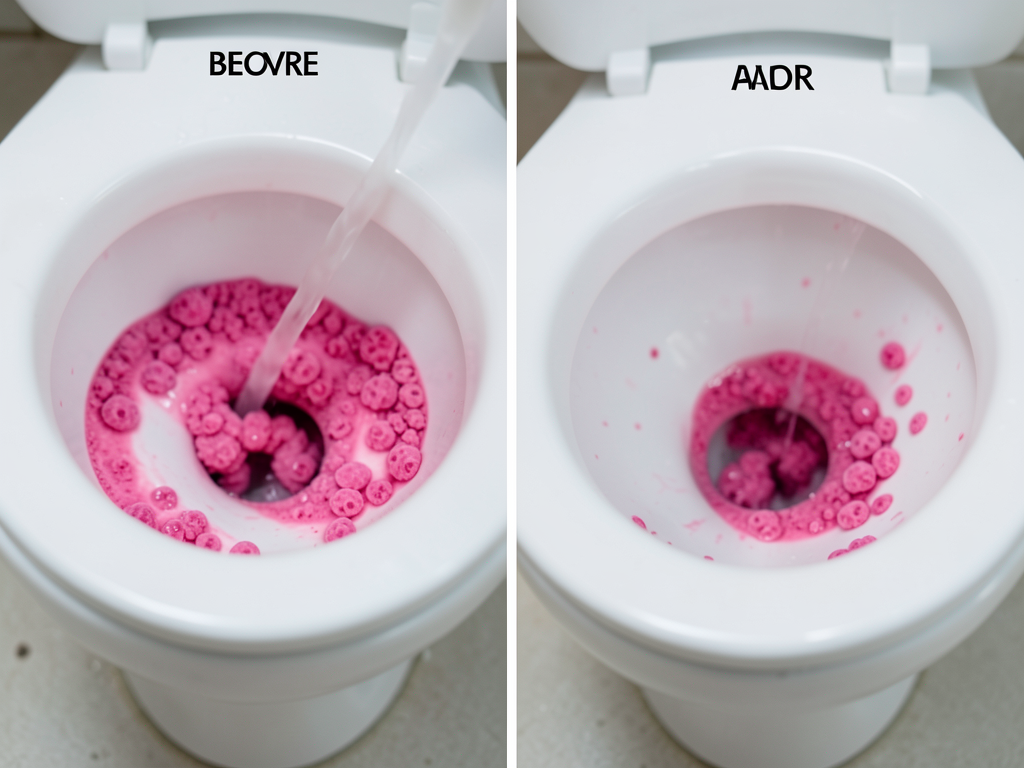
Buffalo’s older housing stock, particularly in neighborhoods like Allentown and the West Side, often has plumbing systems that create perfect conditions for bacterial growth. The combination of hard water from Lake Erie, mineral-rich soil, and the temperature fluctuations common to our region creates an ideal breeding ground for this persistent bacteria. Repairing water damage from frozen pipes in Clarence.
Health Risks: Is Pink Mold Dangerous to Your Family?
While Serratia marcescens isn’t as dangerous as black mold, it can still pose health risks, especially for vulnerable individuals. The bacteria can cause urinary tract infections, respiratory infections, and wound infections in people with compromised immune systems, the elderly, or young children.
People with chronic lung conditions, those undergoing chemotherapy, or individuals with open wounds are at higher risk of developing infections from exposure to this bacteria. The bacteria can also cause eye infections if it comes into contact with the eyes, particularly in contact lens wearers.
In healthy individuals, the primary concern is usually aesthetic rather than medical. However, the presence of pink slime often indicates excessive moisture in your bathroom, which could be creating conditions for more dangerous mold growth behind walls or under flooring.
The Erie County Health Department recommends addressing persistent moisture issues promptly, as they can lead to more serious indoor air quality problems. If you notice the pink slime spreading rapidly or appearing in unusual locations like HVAC vents, it may be time to call a professional. EPA mold information.
Why Buffalo Homes Are Prone to Pink Mold
Buffalo’s unique climate and geography create perfect conditions for pink bacteria growth. Our proximity to Lake Erie means we deal with high humidity levels, especially during summer months when temperatures can reach the 80s and 90s with high moisture content in the air.
The freeze-thaw cycles common in Western New York also contribute to the problem. When temperatures fluctuate dramatically, as they often do in Buffalo during spring and fall, condensation forms on cold surfaces like toilet tanks and shower walls. This moisture, combined with the mineral content in our water, creates an ideal environment for bacterial growth. Commercial water damage and drying experts in Downtown Buffalo.
Many Buffalo homes, particularly those built before 1980 in neighborhoods like North Buffalo and Black Rock, have older plumbing systems with galvanized pipes that can accumulate mineral deposits. These deposits provide food for Serratia marcescens, allowing it to establish colonies that are difficult to eliminate completely.
The New York State Department of Health reports that homes in areas with hard water are more likely to experience persistent bacterial growth in bathrooms. Buffalo’s water, while safe to drink, contains higher levels of calcium and magnesium that contribute to soap scum formation – a primary food source for pink bacteria. Safe basement water removal services in Lancaster NY.
How to Safely Remove Pink Mold: A Step-by-Step Guide
Removing pink slime requires more than just wiping it away. The bacteria forms a biofilm that protects it from simple cleaning methods. Here’s how to effectively eliminate it from your Buffalo bathroom:
- Gather Your Supplies
You’ll need white vinegar, baking soda, a spray bottle, scrub brushes, rubber gloves, and clean cloths. Avoid using bleach alone, as it doesn’t effectively penetrate the biofilm.
- Prepare the Area
Ventilate the bathroom by opening windows or running the exhaust fan. Put on rubber gloves to protect your skin from the bacteria and cleaning solutions.
- Apply Vinegar Solution
Mix equal parts white vinegar and warm water in a spray bottle. Spray the affected areas thoroughly and let sit for 10-15 minutes. The acetic acid in vinegar breaks down the biofilm.
- Scrub Thoroughly
Using a stiff brush, scrub all affected surfaces including toilet bowls, shower corners, and sink drains. Pay special attention to grout lines and caulking where bacteria often hide.
- Rinse and Dry
Rinse all surfaces with clean water and dry thoroughly with clean cloths. Moisture is the enemy, so complete drying is essential.
For stubborn areas, create a paste using baking soda and water. Apply this paste to tough spots, let it sit for 15 minutes, then scrub and rinse. This combination of vinegar and baking soda creates a chemical reaction that helps break down the bacteria’s protective layer.
Never mix vinegar with commercial cleaners containing bleach, as this creates toxic chlorine gas. If you prefer commercial products, look for those containing hydrogen peroxide or citric acid, which are effective against Serratia marcescens.
When to Call a Professional Restoration Expert
While most pink slime can be handled with DIY methods, certain situations require professional intervention. If you’ve cleaned repeatedly but the pink bacteria keeps returning within days, you may have a larger moisture problem that needs expert attention. How to handle a sewage backup in your Orchard Park home.
Professional restoration becomes necessary when you notice pink slime spreading to unusual areas like inside walls, under flooring, or in your HVAC system. These locations suggest water intrusion that goes beyond simple bathroom moisture and could indicate leaks or condensation issues requiring immediate attention. Choosing a Restoration Company.
The presence of pink slime combined with musty odors, visible water stains, or peeling paint on walls indicates potential mold growth behind surfaces. In these cases, professional mold remediation may be necessary to prevent structural damage and health risks.
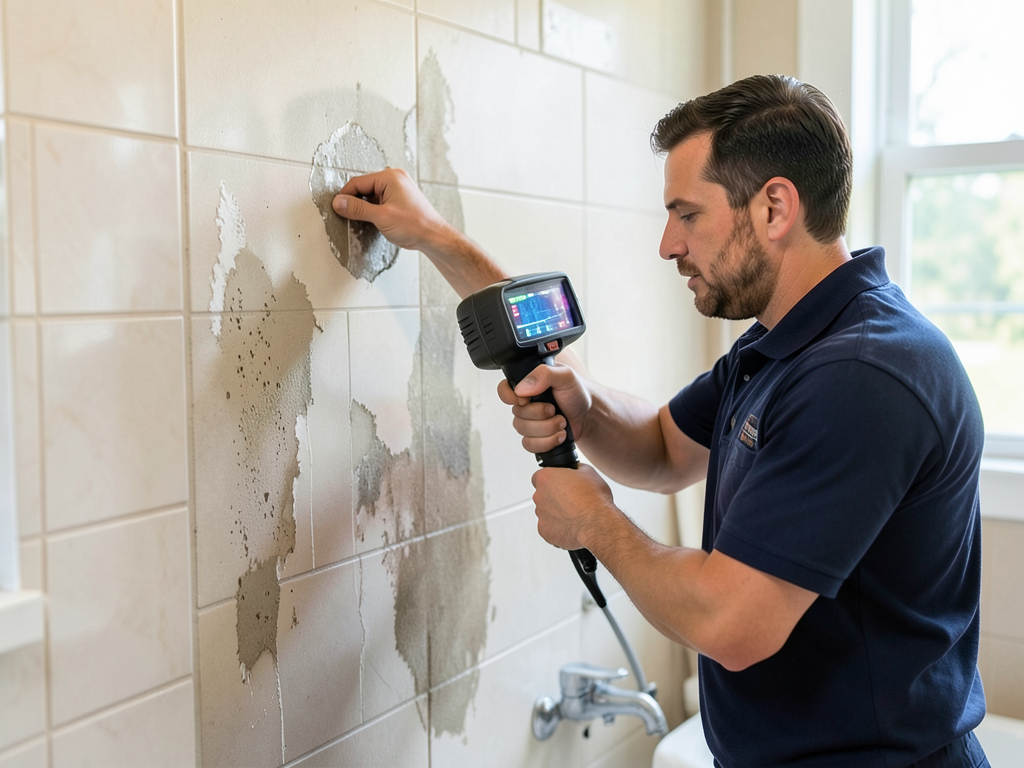
Alpha Water Damage Restoration Buffalo offers comprehensive moisture assessment services using thermal imaging and moisture meters to detect hidden water problems. Our certified technicians can identify the source of persistent moisture and recommend solutions that prevent recurring bacterial growth.
Call (716) 317-7717 today if you’re dealing with recurring pink slime or suspect hidden moisture problems in your Buffalo home. We provide 24/7 emergency response for water damage situations that can’t wait.
Prevention Tips for WNY Homeowners
Preventing pink bacteria growth requires controlling moisture and eliminating food sources. Start by improving ventilation in your bathroom. Run the exhaust fan during and for 30 minutes after showers, or open windows when weather permits to reduce humidity levels.
Install a dehumidifier in your bathroom if ventilation is limited. Keep humidity levels below 50% to create an environment where bacteria struggle to survive. In Buffalo’s humid summers, this step is particularly important for older homes with poor air circulation.
Clean your bathroom surfaces weekly with vinegar solution to prevent bacterial buildup. Pay special attention to toilet bowls, shower corners, and sink drains where moisture accumulates. After cleaning, dry these areas thoroughly with a clean cloth.
Consider installing a water softener if you have extremely hard water. The minerals in hard water contribute to soap scum formation, which feeds the bacteria. Many Buffalo homeowners in areas like Hamburg and Orchard Park have found this investment reduces bathroom cleaning frequency significantly.
Check for and repair any leaks promptly. Even small drips from faucets or shower heads create the moisture environment that allows pink bacteria to thrive. Inspect your bathroom regularly for signs of water damage or excessive moisture.
Replace old caulk and grout where bacteria often hide. Modern antimicrobial caulks are available that resist bacterial growth. This is especially important in older Buffalo homes where original caulking may have deteriorated over decades.
Comparing Pink Bacteria vs. Dangerous Mold Growth
Understanding the difference between pink bacteria and dangerous mold is crucial for Buffalo homeowners. Here’s a comparison to help you identify what you’re dealing with:
| Characteristic | Pink Bacteria (Serratia marcescens) | Dangerous Mold |
|---|---|---|
| Color | Pink, reddish, or orange | Black, green, brown, or white |
| Texture | Slimy or gelatinous | Fuzzy, powdery, or leathery |
| Location | Visible surfaces, toilet bowls, shower corners | Behind walls, under flooring, in HVAC systems |
| Health Risk | Low for healthy individuals | High, can cause serious respiratory issues |
| Removal Difficulty | Moderate, responds to vinegar cleaning | High, requires professional remediation |
| Recurrence | Common if moisture persists | Can spread rapidly if untreated |
If you’re unsure whether you’re dealing with pink bacteria or dangerous mold, it’s always best to consult a professional. Alpha Water Damage Restoration Buffalo offers free inspections to help you identify and address moisture problems before they become serious.
Frequently Asked Questions
Is pink slime in my toilet dangerous for my family?
For healthy individuals, pink slime is primarily an aesthetic concern rather than a serious health threat. However, people with weakened immune systems, the elderly, and young children may be at risk for urinary tract infections or respiratory issues. The presence of pink bacteria also indicates excessive moisture that could support more dangerous mold growth.
Why does pink slime keep coming back after I clean it?
Pink bacteria returns when moisture and food sources remain available. If your bathroom stays humid, soap scum builds up, or there are mineral deposits from hard water, the bacteria will continue to thrive. Persistent recurrence often indicates ventilation problems or hidden moisture sources that need professional assessment.
Can I use bleach to kill pink bacteria?
While bleach can kill surface bacteria, it doesn’t effectively penetrate the biofilm that protects Serratia marcescens. Vinegar is more effective because its acidic nature breaks down the biofilm. For best results, use a vinegar solution followed by thorough scrubbing and complete drying of all surfaces.
How is pink bacteria different from black mold?
Pink bacteria (Serratia marcescens) is a surface-dwelling organism that feeds on soap scum and mineral deposits, while black mold is a fungus that grows in hidden areas with chronic moisture problems. Black mold poses much higher health risks and requires professional remediation, while pink bacteria can usually be handled with proper cleaning techniques.
When should I call a professional about pink slime?
Call a professional if the pink slime spreads rapidly, appears in unusual locations like HVAC vents or inside walls, returns within days of cleaning, or is accompanied by musty odors or visible water damage. These signs indicate potential moisture problems that require expert assessment and remediation.
Don’t let pink slime take over your Buffalo bathroom. With proper cleaning techniques and moisture control, you can eliminate this persistent bacteria and prevent its return. Remember that recurring pink slime often signals larger moisture issues that could lead to more serious problems if left unaddressed.
If you’re struggling with persistent bathroom moisture or suspect hidden water damage in your Western New York home, contact Alpha Water Damage Restoration Buffalo at (716) 317-7717. Our certified technicians provide comprehensive moisture assessments and professional remediation services to keep your home safe and healthy.
Pick up the phone and call (716) 317-7717 before the next storm hits. Don’t wait until a small moisture problem becomes a major restoration project. Your family’s health and your home’s structural integrity depend on addressing water issues promptly and professionally.
Alpha Water Damage Restoration Buffalo serves all of Western New York with 24/7 emergency response, certified technicians, and comprehensive restoration services. We understand the unique challenges that Buffalo’s climate and older housing stock present, and we’re here to help you maintain a safe, healthy home environment. For more information, visit CDC mold FAQs.
{
“@context”: “https://schema.org”,
“@type”: “BlogPosting”,
“headline”: “Why You Keep Finding Pink Slime in Your Buffalo Bathroom and How to Get Rid of It”,
“description”: “Discover why pink slime keeps appearing in your Buffalo bathroom and learn proven removal methods. Local expert advice on Serratia marcescens bacteria and prevention.”,
“wordCount”: 2066,
“datePublished”: “2026-06-06T12:09:00.000Z”,
“dateModified”: “2026-06-06T12:09:00.000Z”,
“inLanguage”: “en-US”,
“mainEntityOfPage”: {
“@type”: “WebPage”,
“@id”: “https://alphawaterdamagerestorationbuffalo.com”
},
“publisher”: {
“@type”: “LocalBusiness”,
“name”: “Alpha Water Damage Restoration Buffalo”,
“url”: “https://alphawaterdamagerestorationbuffalo.com”
},
“author”: {
“@type”: “Organization”,
“name”: “Alpha Water Damage Restoration Buffalo”,
“url”: “https://alphawaterdamagerestorationbuffalo.com”
},
“image”: {
“@type”: “ImageObject”,
“url”: “https://alphawaterdamagerestorationbuffalo.com/wp-content/uploads/2026/03/why-you-keep-finding-pink-slime-in-your-buffalo-ba-1.png”
}
}
{
“@context”: “https://schema.org”,
“@type”: “LocalBusiness”,
“name”: “Alpha Water Damage Restoration Buffalo”,
“url”: “https://alphawaterdamagerestorationbuffalo.com”,
“address”: {
“@type”: “PostalAddress”,
“addressLocality”: “Buffalo”
},
“areaServed”: {
“@type”: “City”,
“name”: “Buffalo”
}
}
{
“@context”: “https://schema.org”,
“@type”: “FAQPage”,
“mainEntity”: [
{
“@type”: “Question”,
“name”: “Health Risks: Is Pink Mold Dangerous to Your Family?”,
“acceptedAnswer”: {
“@type”: “Answer”,
“text”: “While Serratia marcescens isn’t as dangerous as black mold, it can still pose health risks, especially for vulnerable individuals. The bacteria can cause urinary tract infections, respiratory infections, and wound infections in people with compromised immune systems, the elderly, or young children.”
}
},
{
“@type”: “Question”,
“name”: “Is pink slime in my toilet dangerous for my family?”,
“acceptedAnswer”: {
“@type”: “Answer”,
“text”: “For healthy individuals, pink slime is primarily an aesthetic concern rather than a serious health threat. However, people with weakened immune systems, the elderly, and young children may be at risk for urinary tract infections or respiratory issues. The presence of pink bacteria also indicates excessive moisture that could support more dangerous mold growth.”
}
},
{
“@type”: “Question”,
“name”: “Why does pink slime keep coming back after I clean it?”,
“acceptedAnswer”: {
“@type”: “Answer”,
“text”: “Pink bacteria returns when moisture and food sources remain available. If your bathroom stays humid, soap scum builds up, or there are mineral deposits from hard water, the bacteria will continue to thrive. Persistent recurrence often indicates ventilation problems or hidden moisture sources that need professional assessment.”
}
},
{
“@type”: “Question”,
“name”: “Can I use bleach to kill pink bacteria?”,
“acceptedAnswer”: {
“@type”: “Answer”,
“text”: “While bleach can kill surface bacteria, it doesn’t effectively penetrate the biofilm that protects Serratia marcescens. Vinegar is more effective because its acidic nature breaks down the biofilm. For best results, use a vinegar solution followed by thorough scrubbing and complete drying of all surfaces.”
}
},
{
“@type”: “Question”,
“name”: “How is pink bacteria different from black mold?”,
“acceptedAnswer”: {
“@type”: “Answer”,
“text”: “Pink bacteria (Serratia marcescens) is a surface-dwelling organism that feeds on soap scum and mineral deposits, while black mold is a fungus that grows in hidden areas with chronic moisture problems. Black mold poses much higher health risks and requires professional remediation, while pink bacteria can usually be handled with proper cleaning techniques.”
}
},
{
“@type”: “Question”,
“name”: “When should I call a professional about pink slime?”,
“acceptedAnswer”: {
“@type”: “Answer”,
“text”: “Call a professional if the pink slime spreads rapidly, appears in unusual locations like HVAC vents or inside walls, returns within days of cleaning, or is accompanied by musty odors or visible water damage. These signs indicate potential moisture problems that require expert assessment and remediation.”
}
}
]
}
{
“@context”: “https://schema.org”,
“@type”: “HowTo”,
“name”: “How to Remove Pink Bacteria from Bathroom Surfaces”,
“step”: [
{
“@type”: “HowToStep”,
“position”: 1,
“name”: “Gather Your Supplies”,
“text”: “You’ll need white vinegar, baking soda, a spray bottle, scrub brushes, rubber gloves, and clean cloths. Avoid using bleach alone, as it doesn’t effectively penetrate the biofilm.”
},
{
“@type”: “HowToStep”,
“position”: 2,
“name”: “Prepare the Area”,
“text”: “Ventilate the bathroom by opening windows or running the exhaust fan. Put on rubber gloves to protect your skin from the bacteria and cleaning solutions.”
},
{
“@type”: “HowToStep”,
“position”: 3,
“name”: “Apply Vinegar Solution”,
“text”: “Mix equal parts white vinegar and warm water in a spray bottle. Spray the affected areas thoroughly and let sit for 10-15 minutes. The acetic acid in vinegar breaks down the biofilm.”
},
{
“@type”: “HowToStep”,
“position”: 4,
“name”: “Scrub Thoroughly”,
“text”: “Using a stiff brush, scrub all affected surfaces including toilet bowls, shower corners, and sink drains. Pay special attention to grout lines and caulking where bacteria often hide.”
},
{
“@type”: “HowToStep”,
“position”: 5,
“name”: “Rinse and Dry”,
“text”: “Rinse all surfaces with clean water and dry thoroughly with clean cloths. Moisture is the enemy, so complete drying is essential.”
}
],
“image”: “https://alphawaterdamagerestorationbuffalo.com/wp-content/uploads/2026/03/why-you-keep-finding-pink-slime-in-your-buffalo-ba-1.png”
}
{
“@context”: “https://schema.org”,
“@type”: “BreadcrumbList”,
“itemListElement”: [
{
“@type”: “ListItem”,
“position”: 1,
“name”: “Home”,
“item”: “https://alphawaterdamagerestorationbuffalo.com”
},
{
“@type”: “ListItem”,
“position”: 2,
“name”: “Blog”,
“item”: “https://alphawaterdamagerestorationbuffalo.com/blog”
},
{
“@type”: “ListItem”,
“position”: 3,
“name”: “Why You Keep Finding Pink Slime in Your Buffalo Bathroom and How to Get Rid of It”
}
]
}
{
“@context”: “https://schema.org”,
“@type”: “Service”,
“serviceType”: “Water Damage Restoration”,
“provider”: {
“@type”: “LocalBusiness”,
“name”: “Alpha Water Damage Restoration Buffalo”,
“url”: “https://alphawaterdamagerestorationbuffalo.com”
},
“areaServed”: {
“@type”: “City”,
“name”: “Buffalo”
},
“description”: “Discover why pink slime keeps appearing in your Buffalo bathroom and learn proven removal methods. Local expert advice on Serratia marcescens bacteria and prevention.”
}