
The Challenges of Drying Out Finished Basements in Hamlin Park Bungalows
Finished basements in Hamlin Park bungalows trap moisture behind drywall and paneling creating unique drying challenges that standard water restoration methods cannot solve. Buffalo’s freeze-thaw cycles combined with heavy clay soil create hydrostatic pressure that forces water through foundation walls. When water reaches finished surfaces it becomes trapped behind vapor barriers and insulation creating perfect conditions for mold growth within 24-48 hours. Repairing water damage from frozen pipes in Clarence.
Hamlin Park homes built between 1900 and 1940 feature solid masonry foundations that absorb water differently than modern poured concrete. The plaster walls and wood lath common in these bungalows hold moisture longer than modern drywall. Water migrates through capillary action traveling several feet from the initial entry point making the true extent of damage difficult to assess without proper moisture mapping. Commercial water damage and drying experts in Downtown Buffalo.
Why Finished Basement Walls in Hamlin Park Are Different
The architectural heritage of Hamlin Park creates specific restoration challenges. These bungalows feature load-bearing masonry walls with plaster finishes that cannot be removed without structural risk. The finished basements often include wood paneling over original masonry creating multiple layers that trap moisture. When water enters these walls it travels horizontally through the wall cavity rather than draining downward. Safe basement water removal services in Lancaster NY.
Buffalo’s climate exacerbates these problems. Lake effect snow produces heavy spring melt that saturates the clay-heavy soil surrounding Hamlin Park homes. This soil expands when wet creating hydrostatic pressure against foundation walls. The pressure forces water through hairline cracks and mortar joints. Once inside the basement water becomes trapped behind finished surfaces.
The freeze-thaw cycle creates additional stress on foundation walls. Water that enters small cracks freezes and expands creating larger openings over time. This seasonal expansion and contraction weakens mortar joints and creates pathways for water intrusion. The problem becomes cyclical with each freeze-thaw season creating new entry points.
Moisture Detection in Older Buffalo Homes
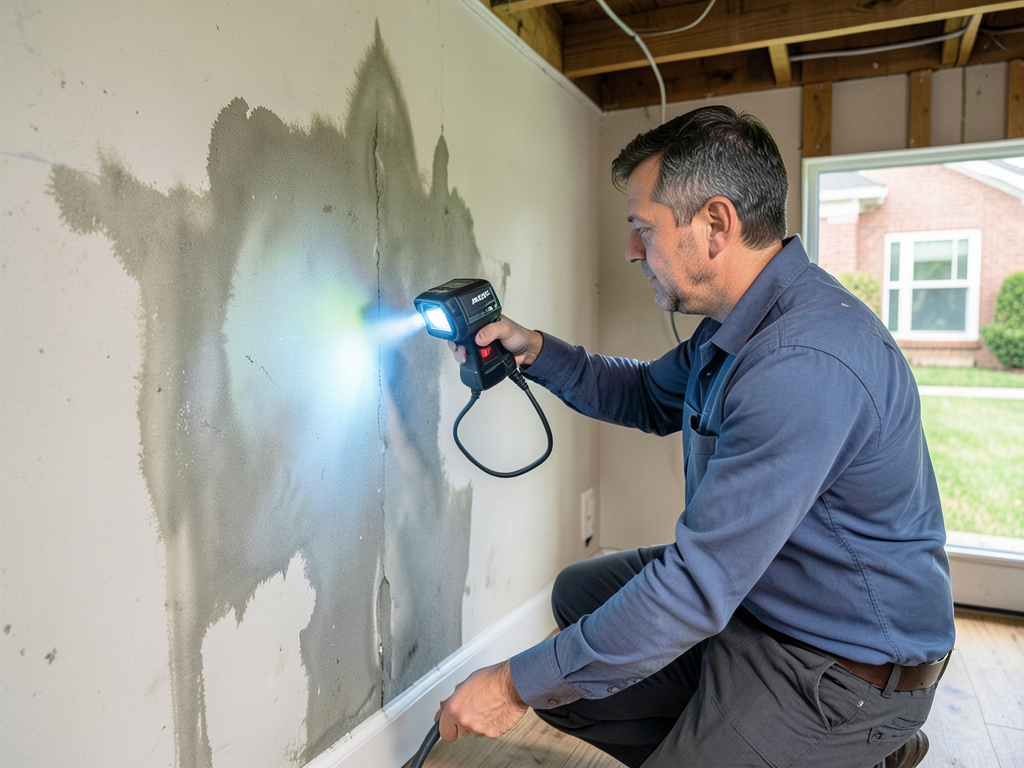
Thermal imaging cameras reveal temperature differences that indicate moisture presence behind walls. Wet materials conduct heat differently than dry materials creating visible patterns on infrared scans. These cameras detect moisture through multiple layers of wall covering something impossible to assess visually. The technology shows the full extent of water migration allowing targeted drying strategies.
Moisture meters measure electrical resistance in materials to determine water content. Wood materials should read below 12% moisture content for safe drying. Concrete and masonry readings vary by material type but generally should be below 5% for finished spaces. These readings establish baseline conditions and track drying progress over time.
Destructive testing provides the most accurate moisture readings but damages finished surfaces. Small core samples taken from walls reveal moisture content at specific depths. This method determines if water has penetrated beyond surface materials into structural components. The information guides decisions about whether to dry or remove affected materials.
Drying Strategies for Finished Basement Walls
High-velocity air movers create air movement across wet surfaces accelerating evaporation. These machines should direct airflow parallel to wall surfaces rather than pointing directly at walls. The air movement creates a boundary layer effect that pulls moisture from materials into the air. Proper placement requires understanding of wall construction and moisture migration patterns.
Low-grain refrigerant dehumidifiers remove moisture from the air preventing condensation on cold surfaces. These machines work most efficiently when paired with air movers creating a balanced drying system. The dehumidifiers must achieve specific humidity ratios based on temperature to effectively remove moisture from materials. This process requires monitoring and adjustment throughout the drying period.
Desiccant dehumidifiers work better in cold environments than refrigerant units. These machines use silica gel to absorb moisture from the air and can operate at temperatures below freezing. They work well in Buffalo basements during winter months when standard dehumidifiers lose efficiency. The trade-off is higher energy consumption and noise levels.
The Role of Vapor Barriers and Insulation
Vapor barriers installed between wall layers trap moisture creating conditions where water cannot escape. Many Hamlin Park basement renovations include plastic sheeting or foil-backed insulation that prevents moisture migration. When water enters these spaces it becomes trapped creating ideal conditions for mold growth. The barriers also prevent air circulation needed for effective drying.
Fiberglass insulation absorbs water like a sponge holding moisture against structural surfaces. The insulation loses its thermal properties when wet and becomes a breeding ground for mold spores. Water travels through fiberglass by capillary action moving horizontally through the material. This migration pattern creates hidden moisture pockets behind finished surfaces.
Closed-cell spray foam insulation resists water absorption but can trap moisture against structural surfaces. The foam creates an impermeable barrier that prevents moisture migration both in and out of wall cavities. While this prevents water damage to the insulation itself it can create conditions where structural materials remain wet indefinitely.
Category 1 vs Category 3 Water Damage
Category 1 water from clean sources like broken pipes or appliance failures poses the least health risk. This water can often be dried in place if addressed within 24-48 hours. The key factors are material porosity and exposure time. Non-porous materials like concrete can often be cleaned and dried while porous materials like drywall may need removal.
Category 3 water from sewage backups or flooding contains harmful bacteria and pathogens. This water requires complete removal of affected materials regardless of drying potential. The health risks associated with Category 3 water make thorough cleaning impossible. All porous materials including drywall carpet and insulation must be removed and replaced. How to handle a sewage backup in your Orchard Park home.
Category 2 water from washing machines or dishwashers falls between these extremes. This water contains some contaminants but is not as dangerous as sewage. The decision to dry or remove materials depends on exposure time material type and contamination level. Most Category 2 situations require antimicrobial treatment even when materials are dried in place.
Structural Considerations for Hamlin Park Homes
The load-bearing masonry walls in Hamlin Park bungalows cannot support the removal of large wall sections without proper shoring. This limitation affects drying strategies since removing walls to access moisture is not always possible. Alternative methods like wall cavity drying systems become necessary. These systems inject dry air into wall cavities through small access holes.
Older mortar joints in masonry walls become soft when wet losing structural integrity. This degradation occurs before visible signs of damage appear. The mortar must be allowed to dry completely before assessing whether repointing is necessary. Premature repairs trap moisture causing continued deterioration behind new mortar. EPA mold information.
Foundation movement creates additional challenges in older homes. Clay soil expansion and contraction causes foundation walls to shift slightly over time. This movement creates small gaps that allow water entry but also makes rigid repairs prone to failure. Flexible sealing methods that accommodate movement provide better long-term protection.
Preventing Future Water Intrusion
Exterior waterproofing prevents water from reaching foundation walls. This process involves excavating around the foundation applying waterproof membranes and installing drainage systems. The excavation must extend below the foundation footing to be effective. This work requires heavy equipment and can disturb landscaping and hardscaping around the home.
Interior drainage systems collect water that enters the basement and direct it to a sump pump. These systems typically consist of perforated pipe installed along the foundation perimeter. The pipe collects water and channels it to a sump pit where a pump removes it from the basement. This approach does not prevent water entry but manages it effectively.
Sump pump systems require backup power to function during electrical outages. Buffalo’s storm patterns often cause power failures during heavy rain when sump pumps are needed most. Battery backup systems provide several hours of operation during outages. Water-powered backup pumps offer unlimited runtime but require municipal water pressure to function.
Mold Prevention and Remediation
Mold growth begins within 24-48 hours of water exposure under favorable conditions. The combination of moisture organic materials and temperatures between 60-80 degrees creates ideal growth conditions. Hamlin Park basements often maintain these conditions year-round due to their construction and Buffalo’s climate. Early intervention prevents established mold colonies.
Antimicrobial treatments inhibit mold growth on treated surfaces. These treatments must be applied to all affected areas including hidden spaces behind walls and under flooring. The chemicals require proper application techniques and adequate contact time to be effective. Some antimicrobials provide residual protection preventing future growth for extended periods.
HEPA filtration removes mold spores from the air during remediation. These high-efficiency filters capture particles as small as 0.3 microns removing 99.97% of airborne contaminants. The filtration systems must run continuously during remediation to prevent cross-contamination. Proper containment prevents mold spores from spreading to unaffected areas of the home.
Insurance Considerations for Buffalo Homeowners
Standard homeowners insurance policies typically cover sudden water damage from plumbing failures. Coverage excludes groundwater intrusion through foundation walls and sewer backups unless specific endorsements are added. The distinction between covered and excluded damage often depends on the water source and entry method. Documentation of the water source becomes critical for claims. How to Handle Insurance Claims.
Sewer backup coverage requires separate endorsement on most policies. This coverage protects against damage from municipal sewer system failures or septic system backups. The cost of this endorsement varies by location and coverage limits. Homes in older Buffalo neighborhoods with combined sewer systems often benefit most from this coverage.
Flood insurance through the National Flood Insurance Program covers surface water entry but excludes sewer backups. This coverage is separate from standard homeowners insurance and has specific eligibility requirements. The policies cover damage from rising water regardless of the source but exclude water that enters through foundation walls or floors.
Working with Restoration Professionals
Certified restoration technicians follow IICRC S500 standards for water damage restoration. These standards establish procedures for water extraction drying and verification of results. The certification ensures technicians understand psychrometry the science of drying and can apply it correctly. This knowledge prevents secondary damage from improper drying techniques.
Moisture mapping documents the extent of water migration and guides the drying strategy. The process involves taking readings from multiple locations to create a moisture profile of affected areas. This documentation proves the effectiveness of drying efforts and supports insurance claims. The mapping must continue throughout the drying process to verify progress.
Documentation requirements for insurance claims include photos moisture readings and detailed work logs. The documentation must establish the cause of damage the extent of affected areas and the methods used to address the problem. This information supports the claim and prevents disputes over coverage or repair methods.
DIY vs Professional Restoration
Small water incidents affecting limited areas may be suitable for DIY restoration. The key factors are water category exposure time and material type. Clean water on non-porous surfaces that is addressed within 24 hours often responds to DIY methods. The restoration must include proper drying verification to prevent mold growth.
Professional restoration becomes necessary when water affects multiple rooms or involves contaminated sources. The cost of professional services often equals the cost of replacing materials damaged by improper DIY attempts. The expertise and equipment available to professionals prevent secondary damage and ensure complete restoration.
Time sensitivity makes DIY restoration risky for most homeowners. The 24-48 hour window for preventing mold growth passes quickly and most homeowners lack the equipment to dry materials effectively within this timeframe. Professional services provide 24/7 response preventing the escalation that occurs with delayed intervention.
Cost Factors in Basement Restoration
Restoration costs vary based on damage extent material types and required repairs. The average basement restoration in Buffalo ranges from $3000 to $10000 depending on these factors. Category 3 water damage costs more to remediate due to required material removal and disposal. The presence of finished materials increases costs since these must be replaced rather than repaired.
Insurance coverage affects out-of-pocket costs for restoration. Policies with high deductibles or limited coverage for water damage leave homeowners responsible for significant expenses. The cost of preventive measures like exterior waterproofing often equals one restoration event making these investments financially sound for homes with recurring issues.
Emergency service premiums apply to after-hours and weekend calls. These premiums reflect the cost of maintaining 24/7 response capability and the urgency of water damage response. The premium often pays for itself by preventing damage escalation that would occur during delayed response.
Local Building Codes and Regulations
Buffalo building codes require permits for basement finishing and waterproofing work. The codes specify requirements for egress windows electrical systems and moisture protection. These requirements ensure finished basements meet safety standards and building performance expectations. Permit requirements vary by project scope and may affect restoration approaches.
Erie County health department regulations govern mold remediation in finished spaces. These regulations require containment negative air pressure and proper disposal of contaminated materials. The regulations protect both workers and occupants from exposure to harmful contaminants. Compliance with these regulations affects restoration methods and costs.
The New York State Uniform Fire Prevention and Building Code establishes minimum standards for basement construction and finishing. These standards address fire safety emergency egress and structural requirements. Restoration work must comply with these standards even when repairing existing conditions that predate current code requirements.
Long-term Solutions for Hamlin Park Homes
Exterior foundation drainage systems provide the most effective long-term protection against water intrusion. These systems include footing drains waterproof membranes and proper grading around the foundation. The installation requires excavation around the entire foundation making it expensive but highly effective. The systems last 20-30 years with proper maintenance.
Interior waterproofing systems offer a less invasive alternative to exterior systems. These systems collect water that enters the basement and direct it to a sump pump. While not preventing water entry they manage it effectively preventing damage to finished spaces. The systems require less excavation and can be installed in occupied homes.
Foundation repair addresses structural issues that contribute to water intrusion. This work may include crack injection wall stabilization or complete foundation reconstruction. The repairs must address both the structural problem and provide waterproofing to prevent future issues. The cost of foundation repair varies widely based on the extent of damage and required repairs.
Emergency Response Planning
Emergency response plans include procedures for shutting off water supplies and beginning damage control. The plans should identify water shutoff locations and contact information for restoration services. Quick response prevents damage escalation and reduces restoration costs. The plans must be communicated to all household members and updated regularly.
Emergency supplies include water extraction equipment fans and dehumidifiers. These supplies allow immediate response to small incidents preventing escalation. The equipment must be properly maintained and accessible during emergencies. The cost of emergency supplies is minimal compared to the damage prevented by quick response.
Professional monitoring systems detect water leaks and alert homeowners automatically. These systems include water sensors that trigger alarms or send notifications to mobile devices. The early warning allows quick response preventing extensive damage. The systems cost several hundred dollars but provide peace of mind and potential damage prevention.
Environmental Considerations
Water damage restoration generates significant waste including wet materials and cleaning supplies. The disposal of these materials must follow local regulations for construction waste and contaminated materials. Some materials can be recycled reducing environmental impact. The restoration process should minimize waste through effective material recovery and recycling.
Energy consumption during drying operations affects both cost and environmental impact. High-efficiency equipment reduces energy usage while maintaining drying effectiveness. The equipment selection should balance drying speed energy consumption and environmental considerations. The environmental impact of extended drying operations often exceeds the impact of efficient restoration.
Antimicrobial treatments contain chemicals that must be used responsibly to prevent environmental contamination. The products should be selected for effectiveness and environmental safety. Application methods should minimize chemical usage while ensuring adequate coverage. The environmental impact of mold growth often exceeds the impact of responsible chemical use.
Frequently Asked Questions
How long does it take to dry out a finished basement?
The drying time depends on water volume material types and environmental conditions. Most finished basements require 3-5 days of active drying to reach safe moisture levels. The process includes water extraction air movement and dehumidification. Final moisture readings confirm when drying is complete.
Can I save my drywall if it gets wet?
Clean water on drywall can often be saved if addressed within 24-48 hours. The decision depends on water category exposure time and moisture content readings. Category 3 water requires drywall removal regardless of exposure time. Professional moisture testing determines salvageability.
How much does basement water damage restoration cost?
Restoration costs range from $3000 to $10000 for typical basement damage in Buffalo. Category 3 water damage costs more due to required material removal. Finished basements cost more to restore than unfinished spaces. Insurance coverage affects out-of-pocket expenses.
What should I do immediately after discovering basement water?
Stop the water source if possible and begin water extraction. Remove valuable items from affected areas and begin drying with fans and dehumidifiers. Contact a professional restoration service immediately. Quick response prevents mold growth and reduces restoration costs.
How can I prevent basement water damage?
Install proper exterior drainage maintain gutters and downspouts and grade soil away from foundation walls. Install a sump pump with battery backup and consider exterior waterproofing for recurring issues. Regular maintenance prevents most water intrusion problems.
Is mold always a concern with basement water damage?
Mold growth becomes likely within 24-48 hours of water exposure under favorable conditions. The risk depends on water category temperature and material types. Professional drying and antimicrobial treatment prevent mold growth when applied quickly. Category 3 water always requires mold prevention measures.
Do I need a permit for basement waterproofing?
Buffalo building codes require permits for most basement waterproofing and finishing work. The requirements depend on project scope and may include inspections. Permit requirements ensure work meets safety and building performance standards. Professional contractors typically handle permit requirements.
Conclusion
Finished basements in Hamlin Park bungalows require specialized restoration approaches due to their unique construction and Buffalo’s challenging climate. The combination of masonry foundations plaster walls and heavy clay soil creates conditions where water becomes trapped behind finished surfaces. Professional restoration services understand these challenges and apply appropriate drying strategies to prevent secondary damage.
Quick response prevents mold growth and reduces restoration costs. The 24-48 hour window for preventing mold growth passes quickly making professional 24/7 response valuable. The cost of professional restoration often equals the cost of replacing materials damaged by delayed DIY attempts. The expertise and equipment available to professionals prevent the secondary damage that occurs with improper drying techniques.
Preventive measures like exterior waterproofing and proper drainage systems provide long-term protection against water intrusion. These investments often equal the cost of one restoration event making them financially sound for homes with recurring issues. The unique characteristics of Hamlin Park homes require restoration approaches that respect their historical construction while providing modern moisture protection.
Call (716) 317-7717 today to schedule your inspection before the next storm hits. Our certified technicians understand the specific challenges of drying finished basements in Hamlin Park bungalows and can prevent the secondary damage that occurs with improper restoration methods.
Pick up the phone and call (716) 317-7717 before the next storm hits. Our team is ready to respond 24/7 to protect your finished basement from the unique water challenges facing Hamlin Park homes. For more information, visit FEMA flood insurance information.
{
“@context”: “https://schema.org”,
“@type”: “BlogPosting”,
“headline”: “The Challenges of Drying Out Finished Basements in Hamlin Park Bungalows”,
“description”: “Finished basements in Hamlin Park bungalows trap moisture behind drywall. Learn how Buffalo’s freeze-thaw cycles and clay soil create unique drying challenges.”,
“wordCount”: 3240,
“datePublished”: “2026-05-04T12:27:00.000Z”,
“dateModified”: “2026-05-04T12:27:00.000Z”,
“inLanguage”: “en-US”,
“mainEntityOfPage”: {
“@type”: “WebPage”,
“@id”: “https://alphawaterdamagerestorationbuffalo.com”
},
“publisher”: {
“@type”: “LocalBusiness”,
“name”: “Alpha Water Damage Restoration Buffalo”,
“url”: “https://alphawaterdamagerestorationbuffalo.com”
},
“author”: {
“@type”: “Organization”,
“name”: “Alpha Water Damage Restoration Buffalo”,
“url”: “https://alphawaterdamagerestorationbuffalo.com”
},
“image”: {
“@type”: “ImageObject”,
“url”: “https://alphawaterdamagerestorationbuffalo.com/wp-content/uploads/2026/03/the-challenges-of-drying-out-finished-basements-in-1.png”
}
}
{
“@context”: “https://schema.org”,
“@type”: “LocalBusiness”,
“name”: “Alpha Water Damage Restoration Buffalo”,
“url”: “https://alphawaterdamagerestorationbuffalo.com”,
“address”: {
“@type”: “PostalAddress”,
“addressLocality”: “Buffalo”
},
“areaServed”: {
“@type”: “City”,
“name”: “Buffalo”
}
}
{
“@context”: “https://schema.org”,
“@type”: “FAQPage”,
“mainEntity”: [
{
“@type”: “Question”,
“name”: “How long does it take to dry out a finished basement?”,
“acceptedAnswer”: {
“@type”: “Answer”,
“text”: “The drying time depends on water volume material types and environmental conditions. Most finished basements require 3-5 days of active drying to reach safe moisture levels. The process includes water extraction air movement and dehumidification. Final moisture readings confirm when drying is complete.”
}
},
{
“@type”: “Question”,
“name”: “Can I save my drywall if it gets wet?”,
“acceptedAnswer”: {
“@type”: “Answer”,
“text”: “Clean water on drywall can often be saved if addressed within 24-48 hours. The decision depends on water category exposure time and moisture content readings. Category 3 water requires drywall removal regardless of exposure time. Professional moisture testing determines salvageability.”
}
},
{
“@type”: “Question”,
“name”: “How much does basement water damage restoration cost?”,
“acceptedAnswer”: {
“@type”: “Answer”,
“text”: “Restoration costs range from $3000 to $10000 for typical basement damage in Buffalo. Category 3 water damage costs more due to required material removal. Finished basements cost more to restore than unfinished spaces. Insurance coverage affects out-of-pocket expenses.”
}
},
{
“@type”: “Question”,
“name”: “What should I do immediately after discovering basement water?”,
“acceptedAnswer”: {
“@type”: “Answer”,
“text”: “Stop the water source if possible and begin water extraction. Remove valuable items from affected areas and begin drying with fans and dehumidifiers. Contact a professional restoration service immediately. Quick response prevents mold growth and reduces restoration costs.”
}
},
{
“@type”: “Question”,
“name”: “How can I prevent basement water damage?”,
“acceptedAnswer”: {
“@type”: “Answer”,
“text”: “Install proper exterior drainage maintain gutters and downspouts and grade soil away from foundation walls. Install a sump pump with battery backup and consider exterior waterproofing for recurring issues. Regular maintenance prevents most water intrusion problems.”
}
},
{
“@type”: “Question”,
“name”: “Is mold always a concern with basement water damage?”,
“acceptedAnswer”: {
“@type”: “Answer”,
“text”: “Mold growth becomes likely within 24-48 hours of water exposure under favorable conditions. The risk depends on water category temperature and material types. Professional drying and antimicrobial treatment prevent mold growth when applied quickly. Category 3 water always requires mold prevention measures.”
}
},
{
“@type”: “Question”,
“name”: “Do I need a permit for basement waterproofing?”,
“acceptedAnswer”: {
“@type”: “Answer”,
“text”: “Buffalo building codes require permits for most basement waterproofing and finishing work. The requirements depend on project scope and may include inspections. Permit requirements ensure work meets safety and building performance standards. Professional contractors typically handle permit requirements.”
}
}
]
}
{
“@context”: “https://schema.org”,
“@type”: “BreadcrumbList”,
“itemListElement”: [
{
“@type”: “ListItem”,
“position”: 1,
“name”: “Home”,
“item”: “https://alphawaterdamagerestorationbuffalo.com”
},
{
“@type”: “ListItem”,
“position”: 2,
“name”: “Blog”,
“item”: “https://alphawaterdamagerestorationbuffalo.com/blog”
},
{
“@type”: “ListItem”,
“position”: 3,
“name”: “The Challenges of Drying Out Finished Basements in Hamlin Park Bungalows”
}
]
}
{
“@context”: “https://schema.org”,
“@type”: “Service”,
“serviceType”: “Water Damage Restoration”,
“provider”: {
“@type”: “LocalBusiness”,
“name”: “Alpha Water Damage Restoration Buffalo”,
“url”: “https://alphawaterdamagerestorationbuffalo.com”
},
“areaServed”: {
“@type”: “City”,
“name”: “Buffalo”
},
“description”: “Finished basements in Hamlin Park bungalows trap moisture behind drywall. Learn how Buffalo’s freeze-thaw cycles and clay soil create unique drying challenges.”
}