
How to Stop Condensation from Forming in the Attics of Converted Lofts in the Hydraulics District
Attic condensation in converted lofts creates serious moisture problems that damage insulation, rot wood framing, and promote toxic mold growth. The Hydraulics District’s historic industrial buildings present unique challenges when converted to residential spaces. Cold Lake Erie air meets warm interior heat through inadequate insulation creating perfect conditions for condensation to form on rafters and sheathing.. Read more about Why High Humidity in Your Lackawanna Attic is a Recipe for Structural Rot.
Buffalo’s extreme temperature swings between freezing winters and humid summers cause moisture to collect inside poorly ventilated attic spaces. When warm air from living areas rises into cold attic spaces, water vapor condenses on cold surfaces just like dew forms on grass. This moisture damage progresses rapidly in converted lofts where original industrial designs lacked proper vapor barriers and ventilation systems. Repairing water damage from frozen pipes in Clarence.
The good news is that attic condensation problems can be solved through proper insulation upgrades, ventilation improvements, and moisture control strategies. Understanding the science behind condensation helps homeowners identify warning signs early and take corrective action before expensive structural damage occurs.
Why Converted Lofts in Buffalo Are Prone to Condensation
Historic industrial buildings in the Hydraulics District were designed for manufacturing not residential living. These structures feature high ceilings, large open spaces, and minimal insulation between floors. When converted to lofts, these spaces retain their original thermal characteristics but now contain heat-generating living areas.
The fundamental problem lies in the temperature differential between warm interior spaces and cold attic areas. During Buffalo winters, indoor temperatures often reach 70°F while attic spaces drop to 20°F or lower. This 50-degree temperature difference creates ideal conditions for condensation when moisture-laden air contacts cold surfaces.
Lake Effect humidity compounds the problem. Buffalo’s proximity to Lake Erie means winter air carries significant moisture that becomes trapped inside buildings. When this humid air rises through ceiling gaps, light fixtures, and poorly sealed attic access points, it meets freezing attic surfaces and releases moisture as condensation.
Industrial building conversions often lack proper vapor barriers that residential construction requires. Original brick walls and timber framing allow moisture migration that modern building codes would prevent. Without vapor retarders, moisture moves freely between conditioned and unconditioned spaces.
5 Warning Signs of Attic Moisture Damage
Early detection prevents costly repairs. Watch for these five warning signs that indicate attic condensation problems in your converted loft: EPA Mold Guidelines.
- Damp or compressed insulation – Moisture destroys insulation R-value. Press insulation between rafters; if it feels wet or compressed, condensation has compromised its effectiveness.
- Dark staining on rafters and sheathing – Water marks appear as dark streaks on wood surfaces. These stains indicate active moisture problems requiring immediate attention.
- Peeling paint on interior ceilings – Moisture traveling through ceiling materials causes paint to bubble and peel. This surface damage signals deeper moisture issues above.
- Musty odors in upper floors – Mold and mildew produce distinctive musty smells. If upper floor rooms smell damp or earthy, attic moisture likely feeds mold growth.
- Icing on nails or roof sheathing – During extreme cold, moisture freezes on metal fasteners and wood surfaces. This frost melts during warm spells, causing water damage to ceiling materials below.
The Science of Condensation: Dew Points and Buffalo Weather
Understanding dew point explains why condensation forms in specific conditions. The dew point is the temperature at which air becomes saturated and releases moisture. When warm, humid air contacts surfaces below the dew point temperature, condensation occurs.
Buffalo’s climate creates challenging dew point conditions. Winter air often carries 70-80% relative humidity. When indoor air at 70°F with 40% relative humidity contacts attic surfaces at 30°F, the air cools below its dew point and releases moisture.
Thermal bridging accelerates condensation formation. Steel beams, metal fasteners, and uninsulated structural elements conduct cold from exterior surfaces to interior spaces. These cold spots create condensation points even when surrounding areas remain dry.
Interstitial condensation poses hidden dangers in converted lofts. Moisture can condense within wall cavities and roof assemblies where it remains invisible until significant damage occurs. This trapped moisture feeds mold growth and wood rot from inside out.. Read more about Fixing Hidden Water Damage from a Clogged AC Condensate Line in Williamsville.
Building science principles dictate that warm, moist air always moves toward cold, dry air. In winter, this means interior air migrates through ceiling penetrations toward the cold attic. Without proper air sealing, this moisture migration continues unchecked.
Long-Term Solutions for Moisture Control
Effective moisture control requires a comprehensive approach addressing insulation, ventilation, and air sealing. These three components work together to prevent condensation formation in converted loft attics.
Proper insulation creates the first defense against condensation. New York State Energy Code requires R-49 to R-60 insulation in attic spaces for Climate Zone 5/6 where Buffalo is located. This translates to 16-20 inches of fiberglass batts or 6-8 inches of spray foam insulation.
Ventilation removes moisture-laden air before condensation can form. Building codes require 1 square foot of net free ventilation area for every 150 square feet of attic space. This ventilation should be balanced between soffit and ridge vents to create continuous airflow.
Air sealing prevents moisture migration through ceiling penetrations. Common leak points include recessed light fixtures, plumbing vents, attic access hatches, and electrical wiring penetrations. Each gap allows warm air to escape into cold attic spaces.
Vapor retarders control moisture movement through building assemblies. Class II vapor retarders with permeance between 0.1 and 1.0 perms are required in Buffalo’s climate zone. These materials slow moisture migration while allowing some drying potential.
Dehumidification systems provide active moisture control in extreme cases. Whole-house dehumidifiers can maintain indoor relative humidity below 50%, reducing the moisture load on attic spaces.
When to Call a Buffalo Water Restoration Expert
Professional intervention becomes necessary when condensation problems cause visible damage or create health hazards. Understanding the threshold between DIY solutions and professional restoration helps homeowners make informed decisions. Choosing a Restoration Company.
Call for professional help when you discover active mold growth covering more than 10 square feet. The EPA recommends professional remediation for mold areas exceeding this threshold due to contamination risks and proper removal techniques required.
Structural damage indicates advanced moisture problems requiring expert assessment. Sagging roof decks, rotted rafters, or crumbling sheathing suggest moisture has compromised structural integrity. These conditions require immediate professional evaluation.
Persistent condensation despite DIY improvements signals complex moisture issues. When basic ventilation and insulation upgrades fail to solve problems, hidden moisture sources or building assembly failures may exist requiring professional diagnosis.
Insurance claims for water damage often require professional documentation. Restoration companies provide detailed damage assessments, moisture mapping, and repair documentation that insurance adjusters require for claim processing. Commercial water damage and drying experts in Downtown Buffalo.
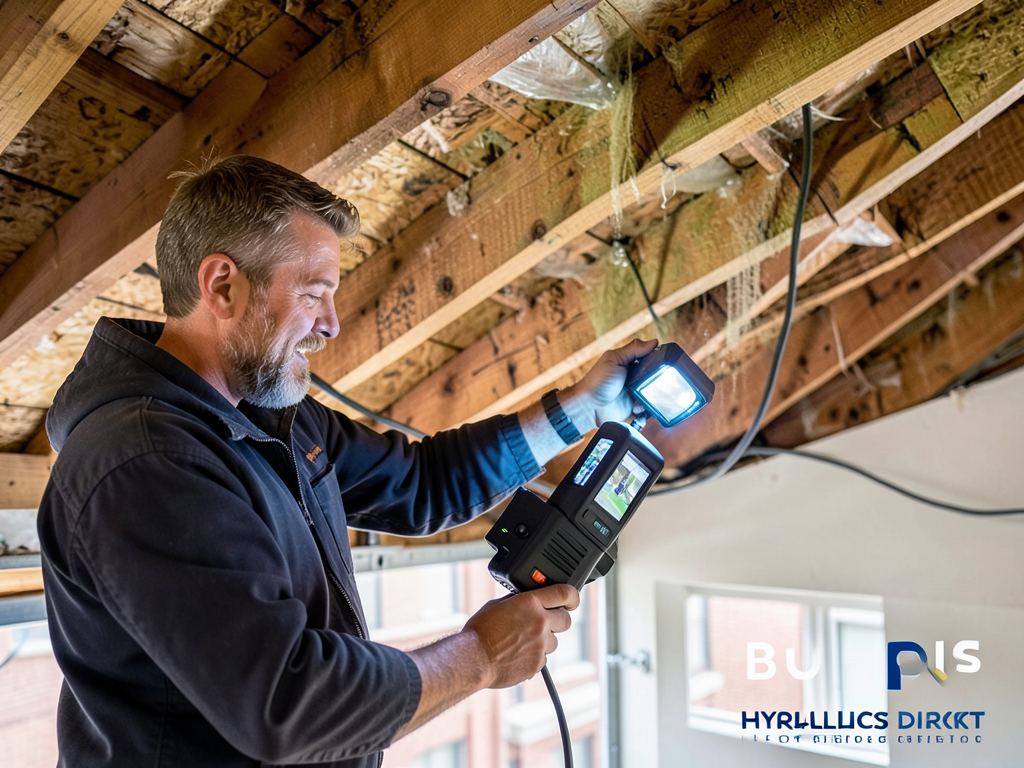
Professional moisture detection uses specialized equipment unavailable to homeowners. Thermal imaging cameras reveal temperature differentials indicating moisture presence. Moisture meters quantify water content in building materials. These diagnostic tools identify problems invisible to the naked eye. Safe basement water removal services in Lancaster NY.
Alpha Water Damage Restoration Buffalo provides 24/7 emergency response for severe moisture problems. Our certified technicians use industrial-grade dehumidifiers, air movers, and moisture detection equipment to restore damaged spaces quickly and completely.
Comparing Insulation Options for Converted Lofts
| Insulation Type | R-Value per Inch | Installation Method | Cost per Square Foot | Best Use |
|---|---|---|---|---|
| Fiberglass Batts | R-3.2 | Rolls between rafters | $1.50-2.50 | Standard attics |
| Cellulose Loose-Fill | R-3.7 | Blown into cavities | $2.00-3.00 | Irregular spaces |
| Spray Foam (Open Cell) | R-3.6 | Professional spray application | $3.50-4.50 | Air sealing critical |
| Spray Foam (Closed Cell) | R-6.5 | Professional spray application | $4.50-6.00 | Structural reinforcement |
Ventilation System Comparison
| Ventilation Type | Net Free Area | Installation Cost | Maintenance Needs | Climate Suitability |
|---|---|---|---|---|
| Ridge Vents | Continuous along peak | $3-5 per linear foot | Low (inspect annually) | Excellent for snow regions |
| Soffit Vents | Distributed along eaves | $5-8 per vent | Medium (clean regularly) | Essential for balanced airflow |
| Gable Vents | Individual units | $50-150 per vent | Low (inspect seasonally) | Limited effectiveness |
| Power Vents | Variable speed | $200-500 per unit | High (motor maintenance) | Good for extreme climates |
DIY Moisture Control Steps
- Inspect and Seal Air Leaks
Check ceiling penetrations around light fixtures, plumbing vents, and attic access points. Use spray foam or caulk to seal gaps larger than 1/4 inch.
- Upgrade Insulation
Install additional insulation to meet R-49 minimum requirements. Add unfaced fiberglass batts perpendicular to existing insulation for maximum effectiveness.
- Improve Ventilation
Ensure soffit vents are clear of insulation blockage. Install baffles to maintain airflow channels from eaves to ridge.
- Install Vapor Retarder
Apply Class II vapor retarder on warm side of insulation. This prevents moisture migration while allowing some drying capacity.
- Monitor Humidity Levels
Use hygrometers to track indoor relative humidity. Maintain levels between 30-50% to minimize condensation risk.
Professional Restoration Process
Professional restoration follows systematic procedures to address severe moisture damage. The process begins with comprehensive moisture assessment using thermal imaging and moisture meters to map affected areas.
Containment establishes isolation zones to prevent cross-contamination during remediation. Negative air pressure systems with HEPA filtration capture airborne mold spores and particulates during removal procedures.
Material removal addresses damaged components beyond repair. Saturated insulation, rotted wood, and mold-contaminated materials require careful removal and proper disposal following EPA guidelines.
Cleaning and disinfection eliminate remaining contaminants. EPA-registered antimicrobial treatments sanitize affected surfaces. HEPA vacuuming removes fine particulates from all surfaces within containment zones.
Drying and dehumidification remove residual moisture from building materials. Industrial dehumidifiers and air movers reduce moisture content to safe levels before reconstruction begins.
Reconstruction restores building assemblies to pre-loss condition. This includes installing new insulation, vapor barriers, and ventilation components meeting current building codes.
Preventing Future Condensation Problems
Prevention requires ongoing maintenance and monitoring. Regular attic inspections identify developing problems before they cause significant damage.
Seasonal maintenance addresses changing conditions throughout the year. Fall inspections prepare attics for winter condensation risks. Spring checks identify ice dam damage or moisture accumulation from melting snow.
Humidity monitoring provides early warning of developing problems. Smart hygrometers connected to home automation systems can alert homeowners when humidity levels approach condensation thresholds.
Proper attic access management prevents moisture migration. Install weatherstripped doors on attic access points and ensure they close tightly to minimize air leakage between conditioned and unconditioned spaces.
Roof maintenance prevents moisture intrusion from external sources. Clean gutters, repair damaged flashing, and ensure proper drainage away from foundation walls to minimize moisture loading on building assemblies.
Professional inspections every 2-3 years provide expert assessment of attic conditions. Certified building inspectors can identify developing problems and recommend preventive measures before damage occurs.
Local Building Code Requirements
New York State Uniform Fire Prevention and Building Code establishes minimum standards for attic insulation and ventilation. Buffalo’s Climate Zone 5/6 requires R-49 to R-60 insulation in attic spaces, exceeding national minimums.
NY State Energy Code Section 502.1.3 mandates specific R-values based on climate zones. Buffalo’s location in Zone 5/6 requires higher insulation levels than southern New York regions due to more extreme temperature variations. NY State Energy Code.
Ventilation requirements under Section 1203.2 specify 1/150 ratio of net free ventilation area to attic floor area. This can be reduced to 1/300 with vapor retarders and balanced ventilation systems.
Mold remediation licensing under NYS Labor Law Article 32 requires certification for contractors performing mold removal exceeding 10 square feet. This protects consumers from improper remediation practices.
Buffalo Green Code focuses on sustainable building practices but does not modify basic insulation and ventilation requirements for existing structures. Historic preservation considerations may affect exterior modifications in the Hydraulics District.
Cost Factors for Condensation Solutions
DIY improvements offer cost-effective solutions for minor condensation problems. Basic air sealing and insulation upgrades typically cost $500-1,500 depending on attic size and existing conditions.
Professional insulation installation ranges from $2,000-5,000 for complete attic retrofits. This includes removing old insulation, air sealing, installing new insulation, and adding ventilation improvements.
Ventilation system upgrades cost $1,000-3,000 depending on existing conditions and desired improvements. Ridge vent installation with new soffit vents represents typical upgrades for converted lofts.
Moisture damage repairs escalate costs significantly. Drywall replacement, insulation removal, and structural repairs can exceed $10,000 for extensive damage requiring professional restoration.
Preventive maintenance costs $200-500 annually for professional inspections and minor repairs. This investment prevents expensive damage repairs and extends building component lifespans.
Health Implications of Attic Moisture
Moisture problems create health hazards beyond structural damage. Mold growth produces allergens and mycotoxins that affect respiratory health, particularly for individuals with asthma or allergies.
Common mold species in damp attics include Aspergillus, Penicillium, and Stachybotrys (black mold). These organisms release spores and volatile organic compounds that trigger respiratory symptoms, headaches, and fatigue.
Children and elderly individuals face higher health risks from mold exposure. Developing immune systems and compromised respiratory function increase susceptibility to mold-related health effects.
Long-term exposure to damp indoor environments correlates with chronic respiratory conditions. Studies link prolonged mold exposure to increased asthma development and respiratory infections.
Professional remediation addresses both visible mold and hidden contamination. Proper containment, removal, and disinfection procedures eliminate health hazards while preventing cross-contamination to occupied spaces.
Air quality testing after remediation verifies successful cleanup. Independent testing laboratories can certify that indoor air quality meets safety standards for occupancy.
Energy Efficiency Benefits
Addressing attic condensation problems improves overall energy efficiency. Proper insulation and air sealing reduce heating and cooling costs while eliminating moisture-related damage.
Homeowners typically recover insulation upgrade costs through energy savings within 3-5 years. Buffalo’s cold winters make insulation investments particularly cost-effective compared to milder climates.
Reduced HVAC runtime extends equipment lifespan. When buildings maintain consistent temperatures with less energy input, heating and cooling systems experience less wear and require fewer repairs.
Improved comfort results from eliminating cold spots and drafts. Rooms above converted lofts often feel colder due to inadequate insulation. Proper upgrades eliminate these comfort issues.
Increased property values result from energy-efficient improvements. Home appraisers recognize insulation upgrades and moisture control measures as valuable enhancements that justify higher valuations.
Emergency Response for Severe Moisture Problems
Severe moisture problems require immediate professional intervention to prevent catastrophic damage. Emergency response teams provide 24/7 availability for urgent moisture situations.
Initial assessment includes moisture mapping to identify affected areas. Thermal imaging reveals temperature differentials indicating moisture presence behind walls and under flooring.
Emergency drying begins immediately to prevent further damage. Industrial dehumidifiers and air movers remove moisture from building materials before permanent damage occurs.
Content protection moves personal belongings and furnishings away from affected areas. Professional packing and storage prevent additional damage to valuable items.
Temporary repairs address immediate water intrusion sources. Emergency tarping, board-up services, and plumbing repairs stop ongoing moisture sources while permanent solutions are developed.
Insurance coordination handles claim documentation and adjuster communications. Professional restoration companies work directly with insurance providers to streamline claim processing and approval. How to handle a sewage backup in your Orchard Park home.
Frequently Asked Questions
How do I know if my attic has condensation problems?
Look for damp insulation, dark staining on rafters, peeling paint on ceilings below, musty odors, and frost on nails or roof sheathing during cold weather. These signs indicate active moisture problems requiring attention.
Can I fix attic condensation myself?
Minor condensation problems can be addressed through DIY air sealing, insulation upgrades, and ventilation improvements. However, extensive mold growth, structural damage, or persistent moisture issues require professional assessment and remediation.
How much does it cost to fix attic condensation?
DIY improvements typically cost $500-1,500. Professional insulation and ventilation upgrades range from $2,000-5,000. Severe moisture damage requiring restoration can exceed $10,000 depending on extent of repairs needed.
Will improving insulation alone solve my condensation problem?
Insulation alone rarely solves condensation issues. Effective moisture control requires a comprehensive approach including air sealing, proper ventilation, and vapor barrier installation. Each component addresses different aspects of moisture migration.
How long does professional attic restoration take?
Minor restoration projects typically complete within 3-5 days. Extensive mold remediation or structural repairs may require 1-2 weeks depending on damage extent and weather conditions affecting exterior work.
Conclusion
Attic condensation in converted lofts throughout Buffalo’s Hydraulics District creates serious moisture problems that damage structures and threaten occupant health. Understanding the science behind condensation formation helps homeowners identify problems early and implement effective solutions.
Successful moisture control requires addressing insulation, ventilation, and air sealing simultaneously. New York State Energy Code requirements provide minimum standards, but converted lofts often need upgrades exceeding code minimums due to their industrial origins.
Professional assessment becomes necessary when condensation causes visible damage or creates health hazards. Alpha Water Damage Restoration Buffalo provides expert moisture detection, remediation, and restoration services throughout the greater Buffalo area.
Don’t let attic condensation destroy your converted loft investment. Call (716) 317-7717 today to schedule your inspection. Our certified technicians will identify moisture problems and recommend effective solutions to protect your property and health.
Pick up the phone and call (716) 317-7717 before the next Buffalo winter storm hits. Early intervention prevents expensive damage and ensures your converted loft remains comfortable and safe for years to come.
{
“@context”: “https://schema.org”,
“@type”: “BlogPosting”,
“headline”: “How to Stop Condensation from Forming in the Attics of Converted Lofts in the Hydraulics District”,
“description”: “Discover expert solutions to prevent attic condensation in converted lofts throughout Buffalo’s Hydraulics District. Learn about insulation, ventilation, and moisture control.”,
“wordCount”: 2797,
“datePublished”: “2026-06-05T09:07:00.000Z”,
“dateModified”: “2026-06-05T09:07:00.000Z”,
“inLanguage”: “en-US”,
“mainEntityOfPage”: {
“@type”: “WebPage”,
“@id”: “https://alphawaterdamagerestorationbuffalo.com”
},
“publisher”: {
“@type”: “LocalBusiness”,
“name”: “Alpha Water Damage Restoration Buffalo”,
“url”: “https://alphawaterdamagerestorationbuffalo.com”
},
“author”: {
“@type”: “Organization”,
“name”: “Alpha Water Damage Restoration Buffalo”,
“url”: “https://alphawaterdamagerestorationbuffalo.com”
},
“image”: {
“@type”: “ImageObject”,
“url”: “https://alphawaterdamagerestorationbuffalo.com/wp-content/uploads/2026/03/how-to-stop-condensation-from-forming-in-the-attic-1.png”
}
}
{
“@context”: “https://schema.org”,
“@type”: “LocalBusiness”,
“name”: “Alpha Water Damage Restoration Buffalo”,
“url”: “https://alphawaterdamagerestorationbuffalo.com”,
“address”: {
“@type”: “PostalAddress”,
“addressLocality”: “Buffalo”
},
“areaServed”: {
“@type”: “City”,
“name”: “Buffalo”
}
}
{
“@context”: “https://schema.org”,
“@type”: “FAQPage”,
“mainEntity”: [
{
“@type”: “Question”,
“name”: “How do I know if my attic has condensation problems?”,
“acceptedAnswer”: {
“@type”: “Answer”,
“text”: “Look for damp insulation, dark staining on rafters, peeling paint on ceilings below, musty odors, and frost on nails or roof sheathing during cold weather. These signs indicate active moisture problems requiring attention.”
}
},
{
“@type”: “Question”,
“name”: “Can I fix attic condensation myself?”,
“acceptedAnswer”: {
“@type”: “Answer”,
“text”: “Minor condensation problems can be addressed through DIY air sealing, insulation upgrades, and ventilation improvements. However, extensive mold growth, structural damage, or persistent moisture issues require professional assessment and remediation.”
}
},
{
“@type”: “Question”,
“name”: “How much does it cost to fix attic condensation?”,
“acceptedAnswer”: {
“@type”: “Answer”,
“text”: “DIY improvements typically cost $500-1,500. Professional insulation and ventilation upgrades range from $2,000-5,000. Severe moisture damage requiring restoration can exceed $10,000 depending on extent of repairs needed.”
}
},
{
“@type”: “Question”,
“name”: “How long does professional attic restoration take?”,
“acceptedAnswer”: {
“@type”: “Answer”,
“text”: “Minor restoration projects typically complete within 3-5 days. Extensive mold remediation or structural repairs may require 1-2 weeks depending on damage extent and weather conditions affecting exterior work.”
}
}
]
}
{
“@context”: “https://schema.org”,
“@type”: “HowTo”,
“name”: “How to Control Attic Moisture”,
“step”: [
{
“@type”: “HowToStep”,
“position”: 1,
“name”: “Inspect and Seal Air Leaks”,
“text”: “Check ceiling penetrations around light fixtures, plumbing vents, and attic access points. Use spray foam or caulk to seal gaps larger than 1/4 inch.”
},
{
“@type”: “HowToStep”,
“position”: 2,
“name”: “Upgrade Insulation”,
“text”: “Install additional insulation to meet R-49 minimum requirements. Add unfaced fiberglass batts perpendicular to existing insulation for maximum effectiveness.”
},
{
“@type”: “HowToStep”,
“position”: 3,
“name”: “Improve Ventilation”,
“text”: “Ensure soffit vents are clear of insulation blockage. Install baffles to maintain airflow channels from eaves to ridge.”
},
{
“@type”: “HowToStep”,
“position”: 4,
“name”: “Install Vapor Retarder”,
“text”: “Apply Class II vapor retarder on warm side of insulation. This prevents moisture migration while allowing some drying capacity.”
},
{
“@type”: “HowToStep”,
“position”: 5,
“name”: “Monitor Humidity Levels”,
“text”: “Use hygrometers to track indoor relative humidity. Maintain levels between 30-50% to minimize condensation risk.”
}
],
“image”: “https://alphawaterdamagerestorationbuffalo.com/wp-content/uploads/2026/03/how-to-stop-condensation-from-forming-in-the-attic-1.png”
}
{
“@context”: “https://schema.org”,
“@type”: “BreadcrumbList”,
“itemListElement”: [
{
“@type”: “ListItem”,
“position”: 1,
“name”: “Home”,
“item”: “https://alphawaterdamagerestorationbuffalo.com”
},
{
“@type”: “ListItem”,
“position”: 2,
“name”: “Blog”,
“item”: “https://alphawaterdamagerestorationbuffalo.com/blog”
},
{
“@type”: “ListItem”,
“position”: 3,
“name”: “How to Stop Condensation from Forming in the Attics of Converted Lofts in the Hydraulics District”
}
]
}
{
“@context”: “https://schema.org”,
“@type”: “Service”,
“serviceType”: “Water Damage Restoration”,
“provider”: {
“@type”: “LocalBusiness”,
“name”: “Alpha Water Damage Restoration Buffalo”,
“url”: “https://alphawaterdamagerestorationbuffalo.com”
},
“areaServed”: {
“@type”: “City”,
“name”: “Buffalo”
},
“description”: “Discover expert solutions to prevent attic condensation in converted lofts throughout Buffalo’s Hydraulics District. Learn about insulation, ventilation, and moisture control.”
}