
How to spot a failing washing machine hose before it floods your Orchard Park home
A burst washing machine hose can release up to 500 gallons of water per hour into your Orchard Park home. That’s enough to fill a swimming pool in just a few hours. The rubber supply lines behind your washing machine are one of the most common causes of residential water damage in Western New York, yet most homeowners never think about them until disaster strikes. Repairing water damage from frozen pipes in Clarence.
Buffalo’s extreme temperature swings and hard water create unique stress on washing machine hoses. The rubber degrades faster here than in milder climates, and mineral buildup from our water supply accelerates wear on connections. A small investment in prevention today can save you thousands in restoration costs tomorrow. Commercial water damage and drying experts in Downtown Buffalo.
Understanding your washing machine’s water supply system
Your washing machine depends on two supply lines: one for hot water and one for cold. These connect from your home’s plumbing to the back of the machine through a valve assembly. When you start a cycle, the valves open to allow water flow. A third drain hose carries wastewater away during the spin cycle. Safe basement water removal services in Lancaster NY.
The supply hoses carry pressurized water constantly. Even when the machine is off, water pressure remains in the lines. This continuous pressure, combined with the vibration of the machine during operation, creates the perfect conditions for hose failure.. Read more about What to do when your Buffalo water heater starts making a high pitched whining noise.
Rubber vs. braided stainless steel hoses: what’s the difference
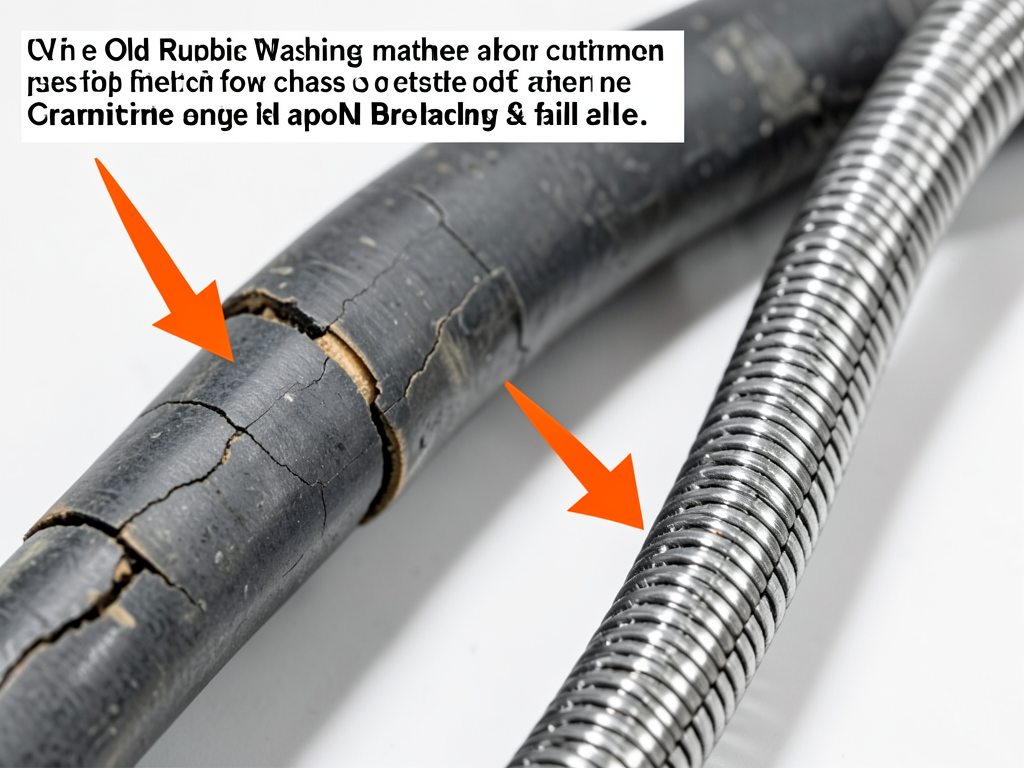
Standard rubber hoses have been the default for decades. They’re inexpensive but have a limited lifespan of 3-5 years. The rubber breaks down from constant pressure, heat exposure, and chemical reactions with minerals in your water.. Read more about Why a standard store bought dehumidifier isn’t enough for a flooded Hamburg basement.
Braided stainless steel hoses feature a rubber interior wrapped in a stainless steel mesh. This construction resists kinking, bursting, and corrosion. The steel braid distributes pressure evenly and prevents the catastrophic failures common with rubber hoses.
| Feature | Rubber Hoses | Braided Stainless Steel |
|---|---|---|
| Typical Lifespan | 3-5 years | 10+ years |
| Burst Pressure Rating | 150-200 PSI | 1,500+ PSI |
| Cost | $10-15 per hose | $25-40 per hose |
| Freeze Resistance | Poor | Excellent |
| Installation | Standard fittings | Standard fittings |
Warning signs your washing machine hose is failing
Most hose failures don’t happen suddenly. They develop over weeks or months. Learning to recognize the warning signs can prevent a flood.
Visual inspection should be part of your monthly home maintenance routine. Look for these red flags:
- Blistering or bubbling on the hose surface indicates internal degradation
- Cracks or splits in the rubber, especially near connection points
- Corrosion on metal fittings or braided steel mesh
- Moisture or rust stains around connection points
- Kinks or sharp bends that restrict water flow
- White powdery deposits from mineral buildup
Physical symptoms while the machine operates:
- Unusual vibration or movement of the machine
- Water pooling around the base during cycles
- Hissing sounds from supply connections
- Reduced water pressure to the machine
Buffalo’s unique water challenges
Western New York’s water contains high levels of calcium and magnesium. These minerals deposit inside your washing machine hoses over time, creating rough surfaces that accelerate rubber degradation. The deposits also restrict water flow, forcing your machine to work harder and increasing pressure on weak points.
Our freeze-thaw cycles create additional stress. When temperatures fluctuate rapidly, water inside partially filled hoses can freeze and expand. This expansion creates microscopic cracks that grow larger with each freeze cycle. Homes in Orchard Park’s older neighborhoods, particularly those built before 1980, often have supply lines in unheated basements or exterior walls that face these temperature extremes.
The Erie County Water Authority reports that water main breaks increase by 40% during rapid thaw periods. This municipal stress translates directly to household plumbing, including your washing machine supply lines.
Smart prevention technology
Modern leak detection systems can shut off your water supply automatically when they detect abnormal flow patterns. These devices connect between your home’s main supply and your washing machine.
Automatic shut-off valves use sensors to monitor water flow. If they detect continuous flow beyond a normal cycle length, they close the valve and sound an alarm. Some models connect to your smartphone via Wi-Fi, sending alerts even when you’re away from home.
Floor sensors placed under your washing machine detect the first signs of water accumulation. When moisture is detected, they trigger an alarm and can activate connected shut-off valves.
Smart water monitors integrate with home automation systems. They track normal water usage patterns and alert you to anomalies that might indicate a leak.
Installation and maintenance best practices
Proper installation extends hose life significantly. Leave 4-6 inches of space between the washing machine and the wall to prevent kinking. This also allows air circulation that keeps hoses cooler during operation.
Leveling your washing machine prevents excessive vibration that stresses supply connections. Use a bubble level to ensure the machine sits evenly on all four corners. Adjust the leveling feet until the bubble centers.
Check connections quarterly by gently tightening fittings. Hand-tight is sufficient – over-tightening can crack fittings or strip threads. Look for moisture around connections that might indicate slow leaks.
Replace hoses every 5 years regardless of appearance. The rubber degrades internally even when the exterior looks fine. Set a calendar reminder for the same month each year to make this routine.
Emergency response plan
Even with prevention, failures can occur. Knowing what to do in the first 60 seconds can minimize damage significantly.
- Locate the shut-off valve
Find the hot and cold water supply valves behind your washing machine. Turn both clockwise to stop water flow immediately.
- Unplug the machine
Disconnect electrical power to prevent shock hazards and stop the machine from trying to refill.
- Remove excess water
Use towels, mops, or a wet vacuum to remove standing water. The faster you remove it, the less damage occurs.
- Assess the damage
Check walls, flooring, and nearby items for water exposure. Water can travel along surfaces and cause hidden damage.
- Document everything
Take photos of the damage and the failed hose for insurance purposes before cleanup begins. How to Handle Insurance Claims.
When to call a professional
Some situations require immediate professional intervention. Call for help if you notice:
- Water that has penetrated walls, ceilings, or floors
- Musty odors indicating potential mold growth
- Water near electrical outlets or appliances
- Structural damage like warped flooring or sagging drywall
- Flooding that exceeds what you can safely clean up
Professional water damage restoration follows industry standards set by the IICRC S500. This standard ensures proper drying, prevents mold growth, and documents the restoration process for insurance claims. IICRC S500 Standard.
Insurance considerations
Most standard homeowners insurance policies cover sudden and accidental water damage from plumbing failures. However, they typically exclude damage from lack of maintenance or gradual leaks.
Document your prevention efforts. Keep receipts for new hoses, photos of your maintenance routine, and records of any professional inspections. This documentation proves you’ve maintained your home properly if you need to file a claim.
Some insurance companies offer premium discounts for installing leak detection systems. Check with your provider about potential savings for prevention technology.
Cost-benefit analysis
The average washing machine hose failure costs $5,000-$10,000 in damages when accounting for water removal, structural drying, flooring replacement, and potential mold remediation.
Prevention costs:
- Braided stainless steel hoses: $50-80
- Automatic shut-off valve: $150-300
- Floor sensors: $50-100
- Professional inspection: $100-200
Investing $300-500 in prevention technology and maintenance can save you from a $10,000 disaster. The return on investment is clear.
Local building code considerations
The New York State Uniform Fire Prevention and Building Code requires that washing machine installations include accessible shut-off valves. These valves must be operable without tools and located within 6 feet of the machine.
Buffalo’s Green Code emphasizes water conservation and damage prevention. While it doesn’t mandate specific hose types, it encourages installation of water-efficient appliances and leak prevention devices in all residential units.
Local plumbers must follow these codes when installing or replacing washing machine connections. Always verify that contractors are licensed and familiar with local requirements.
Monthly maintenance checklist
Set aside 15 minutes each month for washing machine maintenance:
- Inspect supply hoses for damage, bulging, or corrosion
- Check that the machine sits level and doesn’t vibrate excessively
- Clean the lint filter if your machine has one
- Run an empty hot water cycle with vinegar to clean internal components
- Verify that drain hose is securely connected and not kinked
Mark your calendar for hose replacement every five years, even if they appear fine. Internal degradation can’t always be seen from the outside.
Professional inspection benefits
A qualified plumber can identify issues that homeowners miss. During an inspection, they check:
- Water pressure levels that might stress your hoses
- Proper valve function and accessibility
- Drain system integrity
- Electrical connections and grounding
- Structural support for the machine
Inspections typically cost $100-150 but can identify problems before they cause damage. Many plumbers offer package deals that include hose replacement and valve upgrades.
Final thoughts
Your washing machine hoses work silently every day, but they need attention too. A few minutes of prevention each month can save you from the stress and expense of water damage restoration. Choosing a Restoration Company.
Buffalo’s climate creates unique challenges for household plumbing. Our temperature swings, hard water, and occasional power outages all contribute to hose stress. Understanding these local factors helps you make better prevention decisions.
Remember that water damage doesn’t just affect your laundry room. It can travel through walls, damage flooring, and create perfect conditions for mold growth. The faster you respond to a leak, the less damage occurs.
Prevention is always less expensive than restoration. Take action today to protect your Orchard Park home from washing machine water damage.
Frequently Asked Questions
How often should I replace my washing machine hoses?
Replace rubber washing machine hoses every 3-5 years, even if they look fine. Braided stainless steel hoses last 10+ years but should still be inspected annually. Set calendar reminders for replacement to avoid forgetting this important maintenance task.
Can I install braided stainless steel hoses myself?
Yes, installation is straightforward and requires only basic tools. Turn off the water supply, disconnect the old hoses, and attach the new ones hand-tight. Don’t over-tighten, as this can damage fittings. If you’re unsure, a plumber can install them in about 15 minutes.
Will my insurance cover washing machine hose damage?
Most standard homeowners policies cover sudden and accidental water damage from plumbing failures. However, they typically exclude damage from lack of maintenance or gradual leaks. Document your prevention efforts and keep receipts for new hoses to support any potential claims.
What’s the best way to prevent washing machine floods?
The most effective prevention combines quality hoses with automatic shut-off valves. Use braided stainless steel hoses and install a smart water shut-off system that detects abnormal flow patterns. Add floor sensors for backup detection. This three-layer approach provides the best protection.. Read more about Why smart leak detectors are a must for seasonal properties on Grand Island.
How can I tell if my washing machine is leaking slowly?
Look for water stains or mineral deposits around hose connections, musty odors near the machine, or unexpectedly high water bills. Check inside the machine for standing water after cycles complete. Slow leaks often go unnoticed until they cause significant damage or mold growth.
Should I turn off my washing machine water supply when away?
Yes, if you’ll be away for more than a few days, turn off the hot and cold water supply valves. This eliminates the risk of a hose failure while you’re gone. It takes just seconds to turn them back on when you return.
Don’t wait for a flood to take action. Call (716) 317-7717 today to schedule your washing machine hose inspection. Our Buffalo-based technicians can identify potential failures before they cause damage and recommend the best prevention solutions for your home.
Pick up the phone and call (716) 317-7717 before the next storm hits. A quick inspection now can prevent thousands in water damage later. Our team serves Orchard Park and all of Western New York with 24/7 emergency response when prevention isn’t enough. For more information, visit EPA WaterSense.
You may also find this helpful. How to tell if a dishwasher leak has already ruined your Grand Island kitchen subfloor.
{
“@context”: “https://schema.org”,
“@type”: “BlogPosting”,
“headline”: “How to spot a failing washing machine hose before it floods your Orchard Park home”,
“description”: “Learn the warning signs of a failing washing machine hose and prevent costly water damage in your Orchard Park home. Expert tips from Buffalo’s restoration specialists.”,
“wordCount”: 2022,
“datePublished”: “2026-03-27T09:08:00.000Z”,
“dateModified”: “2026-03-27T09:08:00.000Z”,
“inLanguage”: “en-US”,
“mainEntityOfPage”: {
“@type”: “WebPage”,
“@id”: “https://alphawaterdamagerestorationbuffalo.com”
},
“publisher”: {
“@type”: “LocalBusiness”,
“name”: “Alpha Water Damage Restoration Buffalo”,
“url”: “https://alphawaterdamagerestorationbuffalo.com”
},
“author”: {
“@type”: “Organization”,
“name”: “Alpha Water Damage Restoration Buffalo”,
“url”: “https://alphawaterdamagerestorationbuffalo.com”
},
“image”: {
“@type”: “ImageObject”,
“url”: “https://alphawaterdamagerestorationbuffalo.com/wp-content/uploads/2026/03/how-to-spot-a-failing-washing-machine-hose-before-1.png”
}
}
{
“@context”: “https://schema.org”,
“@type”: “LocalBusiness”,
“name”: “Alpha Water Damage Restoration Buffalo”,
“url”: “https://alphawaterdamagerestorationbuffalo.com”,
“address”: {
“@type”: “PostalAddress”,
“addressLocality”: “Buffalo”
},
“areaServed”: {
“@type”: “City”,
“name”: “Buffalo”
}
}
{
“@context”: “https://schema.org”,
“@type”: “FAQPage”,
“mainEntity”: [
{
“@type”: “Question”,
“name”: “How often should I replace my washing machine hoses?”,
“acceptedAnswer”: {
“@type”: “Answer”,
“text”: “Replace rubber washing machine hoses every 3-5 years, even if they look fine. Braided stainless steel hoses last 10+ years but should still be inspected annually. Set calendar reminders for replacement to avoid forgetting this important maintenance task.”
}
},
{
“@type”: “Question”,
“name”: “Can I install braided stainless steel hoses myself?”,
“acceptedAnswer”: {
“@type”: “Answer”,
“text”: “Yes, installation is straightforward and requires only basic tools. Turn off the water supply, disconnect the old hoses, and attach the new ones hand-tight. Don’t over-tighten, as this can damage fittings. If you’re unsure, a plumber can install them in about 15 minutes.”
}
},
{
“@type”: “Question”,
“name”: “Will my insurance cover washing machine hose damage?”,
“acceptedAnswer”: {
“@type”: “Answer”,
“text”: “Most standard homeowners policies cover sudden and accidental water damage from plumbing failures. However, they typically exclude damage from lack of maintenance or gradual leaks. Document your prevention efforts and keep receipts for new hoses to support any potential claims.”
}
},
{
“@type”: “Question”,
“name”: “What’s the best way to prevent washing machine floods?”,
“acceptedAnswer”: {
“@type”: “Answer”,
“text”: “The most effective prevention combines quality hoses with automatic shut-off valves. Use braided stainless steel hoses and install a smart water shut-off system that detects abnormal flow patterns. Add floor sensors for backup detection. This three-layer approach provides the best protection.”
}
},
{
“@type”: “Question”,
“name”: “How can I tell if my washing machine is leaking slowly?”,
“acceptedAnswer”: {
“@type”: “Answer”,
“text”: “Look for water stains or mineral deposits around hose connections, musty odors near the machine, or unexpectedly high water bills. Check inside the machine for standing water after cycles complete. Slow leaks often go unnoticed until they cause significant damage or mold growth.”
}
},
{
“@type”: “Question”,
“name”: “Should I turn off my washing machine water supply when away?”,
“acceptedAnswer”: {
“@type”: “Answer”,
“text”: “Yes, if you’ll be away for more than a few days, turn off the hot and cold water supply valves. This eliminates the risk of a hose failure while you’re gone. It takes just seconds to turn them back on when you return.”
}
}
]
}
{
“@context”: “https://schema.org”,
“@type”: “HowTo”,
“name”: “Emergency Washing Machine Leak Response”,
“step”: [
{
“@type”: “HowToStep”,
“position”: 1,
“name”: “Locate the shut-off valve”,
“text”: “Find the hot and cold water supply valves behind your washing machine. Turn both clockwise to stop water flow immediately.”
},
{
“@type”: “HowToStep”,
“position”: 2,
“name”: “Unplug the machine”,
“text”: “Disconnect electrical power to prevent shock hazards and stop the machine from trying to refill.”
},
{
“@type”: “HowToStep”,
“position”: 3,
“name”: “Remove excess water”,
“text”: “Use towels, mops, or a wet vacuum to remove standing water. The faster you remove it, the less damage occurs.”
},
{
“@type”: “HowToStep”,
“position”: 4,
“name”: “Assess the damage”,
“text”: “Check walls, flooring, and nearby items for water exposure. Water can travel along surfaces and cause hidden damage.”
},
{
“@type”: “HowToStep”,
“position”: 5,
“name”: “Document everything”,
“text”: “Take photos of the damage and the failed hose for insurance purposes before cleanup begins. How to Handle Insurance Claims.”
}
],
“image”: “https://alphawaterdamagerestorationbuffalo.com/wp-content/uploads/2026/03/how-to-spot-a-failing-washing-machine-hose-before-1.png”
}
{
“@context”: “https://schema.org”,
“@type”: “BreadcrumbList”,
“itemListElement”: [
{
“@type”: “ListItem”,
“position”: 1,
“name”: “Home”,
“item”: “https://alphawaterdamagerestorationbuffalo.com”
},
{
“@type”: “ListItem”,
“position”: 2,
“name”: “Blog”,
“item”: “https://alphawaterdamagerestorationbuffalo.com/blog”
},
{
“@type”: “ListItem”,
“position”: 3,
“name”: “How to spot a failing washing machine hose before it floods your Orchard Park home”
}
]
}
{
“@context”: “https://schema.org”,
“@type”: “Service”,
“serviceType”: “Water Damage Restoration”,
“provider”: {
“@type”: “LocalBusiness”,
“name”: “Alpha Water Damage Restoration Buffalo”,
“url”: “https://alphawaterdamagerestorationbuffalo.com”
},
“areaServed”: {
“@type”: “City”,
“name”: “Buffalo”
},
“description”: “Learn the warning signs of a failing washing machine hose and prevent costly water damage in your Orchard Park home. Expert tips from Buffalo’s restoration specialists.”
}