
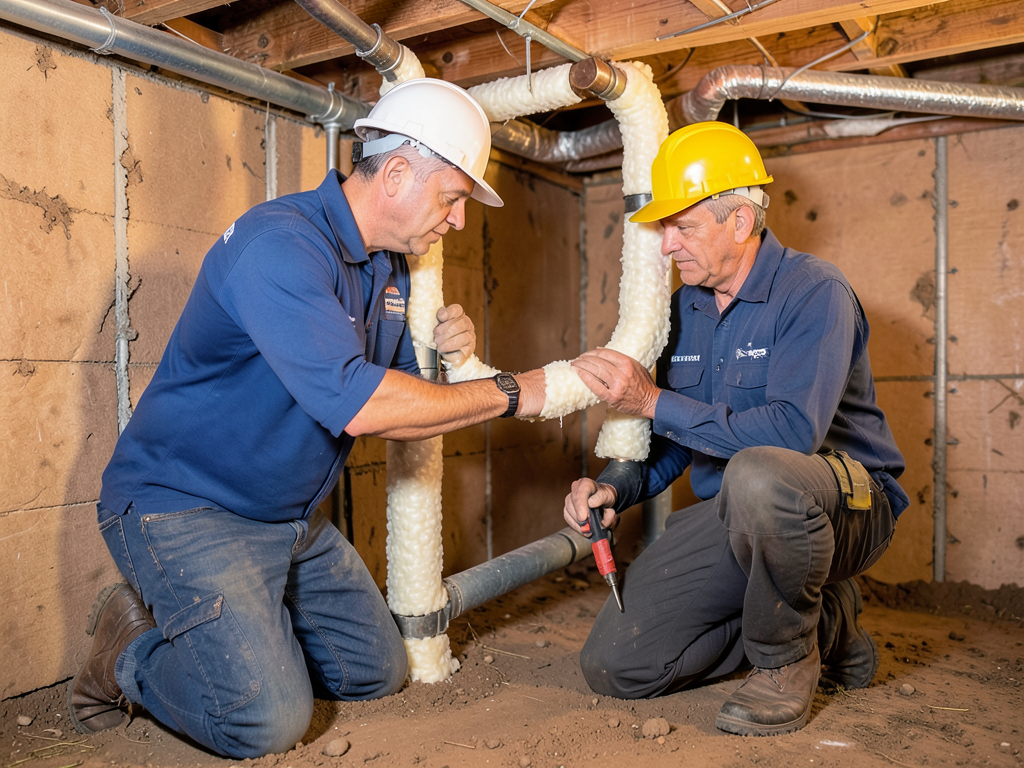
Simple ways to prevent your pipes from freezing in an unheated North Buffalo crawlspace
Buffalo’s brutal winters and lake-effect snow create a perfect storm for frozen pipes especially in older crawlspaces where cold air seeps through foundation vents and uninsulated rim joists. When temperatures drop below 20°F the stack effect in these spaces pulls frigid air upward creating sub-zero zones that can freeze pipes within hours. This guide shows you how to stop that from happening using proven techniques that work specifically for North Buffalo’s unique climate.
Why North Buffalo crawlspaces are at high risk
The combination of century-old homes and deep frost lines makes North Buffalo’s crawlspaces particularly vulnerable. Many homes near Hertel Avenue and the Delaware Park area were built with stone foundations and minimal insulation allowing cold air to penetrate easily. The area’s proximity to Lake Erie means rapid temperature swings are common with wind chills dropping well below zero during winter storms. These conditions combined with the stack effect where cold air rises through the home create a perfect environment for frozen pipes.
North Buffalo’s soil composition also plays a role. The heavy clay content retains moisture which freezes and expands putting additional pressure on foundation walls and creating cold spots that accelerate pipe freezing. Understanding these local factors is the first step in preventing costly water damage. Repairing water damage from frozen pipes in Clarence.
Step-by-step prevention checklist for North Buffalo crawlspaces
Preventing frozen pipes requires a systematic approach that addresses every potential entry point for cold air. Start by inspecting your crawlspace during daylight hours to identify gaps and cracks. Look for daylight coming through foundation walls which indicates areas that need sealing.
Seal all rim joists using expandable spray foam rated for outdoor use. This creates an airtight barrier between your home and the crawlspace. Next install a heavy-duty vapor barrier over the dirt floor to prevent ground moisture from contributing to the cold. Use 6-mil polyethylene sheeting secured with landscape fabric stakes.. Read more about Telling the Difference Between Ice Dams and Simple Roof Leaks in Elma.
Insulate all exposed pipes using foam pipe sleeves with a minimum R-value of 4.0. Pay special attention to pipes near exterior walls and those running along the crawlspace perimeter. For extreme cold snaps consider installing UL-listed heat tape on the most vulnerable sections. Make sure to follow manufacturer instructions exactly as improper installation can create fire hazards.
Close all foundation vents during winter months using insulated vent covers. This simple step can raise crawlspace temperatures by 10-15°F. Finally install a programmable space heater with a thermostat set to maintain temperatures above 40°F during extreme cold events.
The role of insulation: Fiberglass vs. closed-cell spray foam
Choosing the right insulation for your crawlspace makes a significant difference in preventing frozen pipes. Fiberglass batt insulation is inexpensive and easy to install but it absorbs moisture and loses effectiveness when wet. In Buffalo’s humid climate this can lead to mold growth and reduced thermal performance over time.
Closed-cell spray foam offers superior performance for crawlspace applications. With an R-value of 6.5 per inch it provides excellent thermal resistance while creating an air and moisture barrier. The foam adheres directly to foundation walls preventing air infiltration and condensation. It also resists mold growth and pests making it ideal for the damp conditions common in Western New York crawlspaces.
For North Buffalo homes the initial investment in spray foam insulation typically pays for itself within 3-5 years through energy savings and prevented pipe damage. The foam also helps stabilize crawlspace temperatures reducing the load on your home’s heating system during extreme cold snaps.
How to tell if your crawlspace pipes are already frozen
Recognizing the early signs of frozen pipes can prevent burst pipes and extensive water damage. The first indicator is often reduced water pressure or complete loss of water flow from faucets connected to crawlspace plumbing. You might hear unusual sounds like banging or whistling when turning on taps which indicates ice blocking water flow. Commercial water damage and drying experts in Downtown Buffalo.
Visually inspect accessible pipes for frost accumulation or bulging sections where ice has formed inside. Feel the pipes carefully if they are extremely cold to the touch they are likely frozen. Another warning sign is the smell of sewage or musty odors emanating from drains as ice blocks prevent proper venting. How to handle a sewage backup in your Orchard Park home.
Check your crawlspace temperature using a remote thermometer. If temperatures drop below 32°F for extended periods your pipes are at high risk. Pay attention to weather forecasts and take immediate action when extreme cold is predicted especially during the first deep freeze of the season when pipes are most vulnerable.
What to do if a pipe bursts
Despite your best prevention efforts pipes can still burst during extreme weather events. If you discover a burst pipe immediately shut off the main water supply valve to prevent further flooding. This valve is typically located near your water meter or where the main line enters your home. Safe basement water removal services in Lancaster NY.
Next remove any valuables or electronics from the affected area and begin removing standing water using mops buckets or a wet vacuum. Do not use electrical appliances in wet areas as this creates serious shock hazards. Document the damage with photos for insurance purposes before beginning cleanup. How to Handle Insurance Claims.
Call a professional water damage restoration company immediately. Time is critical as standing water can cause structural damage and promote mold growth within 24-48 hours. Professional restoration teams use industrial-grade equipment to extract water dry structures and prevent secondary damage. They can also help with insurance claims and ensure your home is properly restored to prevent future issues.. Read more about Restoring Water Damaged Foreclosures and Vacant Properties in Masten Park.
Protecting your crawlspace from Buffalo’s unique weather challenges
Buffalo’s climate presents specific challenges that require targeted solutions. The area’s high humidity levels mean crawlspaces are constantly battling moisture which can lead to pipe corrosion and reduced insulation effectiveness. Installing a dehumidifier with a built-in pump can maintain optimal humidity levels between 30-50% year-round.
Lake-effect snow and rapid temperature changes create freeze-thaw cycles that stress pipes and foundation walls. During these cycles pipes expand and contract which can loosen fittings and create leaks. Using flexible PEX piping instead of rigid copper in vulnerable areas can help pipes withstand these temperature fluctuations.
Heavy spring rains can overwhelm sump pumps and cause crawlspace flooding. Ensure your sump pump is properly sized for your home and has a battery backup system. Test the pump monthly by pouring water into the sump pit to verify it activates properly. Consider installing a water alarm that alerts you to flooding even when you’re away from home.
Local building codes and insulation requirements
Buffalo and Erie County follow the New York State Uniform Fire Prevention and Building Code which includes specific requirements for crawlspace insulation and ventilation. According to Section R408 of the Residential Code crawlspaces in climate zone 5 (which includes Buffalo) must have a minimum R-value of 19 for walls and R-30 for floors when insulation is installed between joists.
The code also requires proper vapor barriers and allows for unvented crawlspaces when specific moisture control measures are implemented. This includes continuous vapor barriers on floors and walls along with mechanical drying systems. Always check with your local building department before making major modifications to ensure compliance with current codes. EPA vapor barrier guidelines.
Professional water damage restoration companies understand these requirements and can ensure any repairs or modifications meet code standards. This is particularly important when dealing with insurance claims as non-compliant work may not be covered.
Emergency preparedness for extreme cold events
Preparing for extreme cold events can mean the difference between a minor inconvenience and major water damage. Create a winter emergency kit that includes pipe insulation materials heat tape and a battery-powered headlamp for crawlspace inspections. Keep contact information for your water utility and a licensed plumber readily available.
Monitor weather forecasts closely during winter months. When temperatures are predicted to drop below 20°F take preventive measures such as opening cabinet doors under sinks to allow warm air circulation and letting faucets drip slightly to keep water moving through pipes.
Consider installing smart home devices that monitor crawlspace temperature and humidity. These systems can send alerts to your phone if conditions approach freezing allowing you to take action before pipes freeze. Some advanced systems can even automatically activate space heaters when temperatures drop too low.
Cost comparison: Prevention vs. restoration
Investing in pipe freeze prevention is significantly less expensive than dealing with the aftermath of burst pipes. The table below compares typical costs for prevention measures versus professional water damage restoration.
| Prevention Measure | Typical Cost | Restoration Cost (if pipes burst) |
|---|---|---|
| Foam pipe insulation | $1-3 per linear foot | $2,000-5,000 for water extraction |
| UL-listed heat tape | $50-200 per 100 feet | $3,000-7,000 for structural drying |
| Closed-cell spray foam | $1.50-3.00 per board foot | $4,000-10,000 for mold remediation |
| Programmable space heater | $100-300 | $5,000-15,000 for complete restoration |
The numbers clearly show that prevention costs are a fraction of restoration expenses. Additionally prevention measures protect your home’s value and prevent the stress and disruption of major water damage events.
Professional inspection and maintenance services
While many prevention steps can be DIY projects some situations require professional expertise. A thorough crawlspace inspection can identify hidden issues like foundation cracks inadequate insulation or plumbing problems that might not be visible to homeowners.
Professional water damage restoration companies offer inspection services that include thermal imaging to detect cold spots moisture readings and comprehensive assessments of your crawlspace’s vulnerability to freezing. These inspections typically cost $200-400 but can identify problems that might cost thousands to repair if left unaddressed.
Annual maintenance contracts with local restoration companies can provide peace of mind. These services include seasonal inspections insulation checks and emergency response if pipes do freeze. Many companies offer 24/7 emergency service specifically for frozen pipe situations with response times under two hours for North Buffalo residents.
Frequently Asked Questions
How cold does it need to be for pipes to freeze in a crawlspace?
Pipes can begin freezing when crawlspace temperatures drop below 20°F especially if exposed to drafts or if water is not flowing. The actual freezing point depends on pipe material insulation and whether water is moving through the pipes.
Should I keep my crawlspace vents open during winter?
No. Closing foundation vents during winter prevents cold air from entering and can raise crawlspace temperatures by 10-15°F. Use insulated vent covers designed for this purpose rather than simply blocking the vents.
How long does it take for pipes to freeze in a crawlspace?
Under extreme conditions pipes can freeze within 3-6 hours of exposure to temperatures below 20°F. The actual time depends on pipe material insulation and whether water is flowing. Moving water freezes more slowly than standing water.
Can I use a regular space heater in my crawlspace?
Only use space heaters specifically designed for crawlspace or basement use. These units have safety features like tip-over protection and are rated for damp environments. Never use standard household space heaters in crawlspaces due to fire and moisture hazards.
What’s the best way to thaw frozen pipes?
Never use open flames or propane torches to thaw pipes. Use a hair dryer on low heat or wrap pipes with warm towels. Start thawing at the faucet end and work toward the frozen section. If you cannot locate the freeze or if pipes are inaccessible call a professional plumber.
Take action before the next freeze
Protecting your North Buffalo crawlspace pipes from freezing requires preparation but the effort is well worth avoiding the stress and expense of water damage. Start with a thorough inspection identify vulnerable areas and implement the prevention measures outlined in this guide.
Remember that Buffalo’s weather can change rapidly and the first deep freeze often catches homeowners unprepared. Taking action now can save you thousands of dollars and prevent the disruption of dealing with burst pipes and water damage.
For professional inspection services or emergency response call (716) 317-7717 today to schedule your inspection. Our team understands Buffalo’s unique climate challenges and can help ensure your home is protected before the next cold snap hits.
Don’t wait until it’s too late. Pick up the phone and call (716) 317-7717 before the next storm hits. We’re here 24/7 to help North Buffalo homeowners protect their properties from winter water damage. For more information, visit 2021 International Residential Code.
{
“@context”: “https://schema.org”,
“@type”: “BlogPosting”,
“headline”: “Simple ways to prevent your pipes from freezing in an unheated North Buffalo crawlspace”,
“description”: “Learn how to protect your North Buffalo crawlspace pipes from freezing with proven insulation, heat tape, and sealing techniques tailored for Buffalo’s harsh winters.”,
“wordCount”: 2069,
“datePublished”: “2026-04-12T06:58:00.000Z”,
“dateModified”: “2026-04-12T06:58:00.000Z”,
“inLanguage”: “en-US”,
“mainEntityOfPage”: {
“@type”: “WebPage”,
“@id”: “https://alphawaterdamagerestorationbuffalo.com”
},
“publisher”: {
“@type”: “LocalBusiness”,
“name”: “Alpha Water Damage Restoration Buffalo”,
“url”: “https://alphawaterdamagerestorationbuffalo.com”
},
“author”: {
“@type”: “Organization”,
“name”: “Alpha Water Damage Restoration Buffalo”,
“url”: “https://alphawaterdamagerestorationbuffalo.com”
},
“image”: {
“@type”: “ImageObject”,
“url”: “https://alphawaterdamagerestorationbuffalo.com/wp-content/uploads/2026/03/simple-ways-to-prevent-your-pipes-from-freezing-in-1.png”
}
}
{
“@context”: “https://schema.org”,
“@type”: “LocalBusiness”,
“name”: “Alpha Water Damage Restoration Buffalo”,
“url”: “https://alphawaterdamagerestorationbuffalo.com”,
“address”: {
“@type”: “PostalAddress”,
“addressLocality”: “Buffalo”
},
“areaServed”: {
“@type”: “City”,
“name”: “Buffalo”
}
}
{
“@context”: “https://schema.org”,
“@type”: “FAQPage”,
“mainEntity”: [
{
“@type”: “Question”,
“name”: “How cold does it need to be for pipes to freeze in a crawlspace?”,
“acceptedAnswer”: {
“@type”: “Answer”,
“text”: “Pipes can begin freezing when crawlspace temperatures drop below 20°F especially if exposed to drafts or if water is not flowing. The actual freezing point depends on pipe material insulation and whether water is moving through the pipes.”
}
},
{
“@type”: “Question”,
“name”: “Should I keep my crawlspace vents open during winter?”,
“acceptedAnswer”: {
“@type”: “Answer”,
“text”: “No. Closing foundation vents during winter prevents cold air from entering and can raise crawlspace temperatures by 10-15°F. Use insulated vent covers designed for this purpose rather than simply blocking the vents.”
}
},
{
“@type”: “Question”,
“name”: “How long does it take for pipes to freeze in a crawlspace?”,
“acceptedAnswer”: {
“@type”: “Answer”,
“text”: “Under extreme conditions pipes can freeze within 3-6 hours of exposure to temperatures below 20°F. The actual time depends on pipe material insulation and whether water is flowing. Moving water freezes more slowly than standing water.”
}
},
{
“@type”: “Question”,
“name”: “Can I use a regular space heater in my crawlspace?”,
“acceptedAnswer”: {
“@type”: “Answer”,
“text”: “Only use space heaters specifically designed for crawlspace or basement use. These units have safety features like tip-over protection and are rated for damp environments. Never use standard household space heaters in crawlspaces due to fire and moisture hazards.”
}
},
{
“@type”: “Question”,
“name”: “What’s the best way to thaw frozen pipes?”,
“acceptedAnswer”: {
“@type”: “Answer”,
“text”: “Never use open flames or propane torches to thaw pipes. Use a hair dryer on low heat or wrap pipes with warm towels. Start thawing at the faucet end and work toward the frozen section. If you cannot locate the freeze or if pipes are inaccessible call a professional plumber.”
}
}
]
}
{
“@context”: “https://schema.org”,
“@type”: “BreadcrumbList”,
“itemListElement”: [
{
“@type”: “ListItem”,
“position”: 1,
“name”: “Home”,
“item”: “https://alphawaterdamagerestorationbuffalo.com”
},
{
“@type”: “ListItem”,
“position”: 2,
“name”: “Blog”,
“item”: “https://alphawaterdamagerestorationbuffalo.com/blog”
},
{
“@type”: “ListItem”,
“position”: 3,
“name”: “Simple ways to prevent your pipes from freezing in an unheated North Buffalo crawlspace”
}
]
}
{
“@context”: “https://schema.org”,
“@type”: “Service”,
“serviceType”: “Water Damage Restoration”,
“provider”: {
“@type”: “LocalBusiness”,
“name”: “Alpha Water Damage Restoration Buffalo”,
“url”: “https://alphawaterdamagerestorationbuffalo.com”
},
“areaServed”: {
“@type”: “City”,
“name”: “Buffalo”
},
“description”: “Learn how to protect your North Buffalo crawlspace pipes from freezing with proven insulation, heat tape, and sealing techniques tailored for Buffalo’s harsh winters.”
}