
Common health symptoms of mold exposure for families living in damp Buffalo basements
Mold exposure can cause a wide range of health symptoms that often develop gradually in Buffalo homes with damp basements. Many families in Western New York experience respiratory issues, skin irritation, and other allergic reactions without realizing that hidden mold in their basements or crawl spaces may be the cause. The combination of Buffalo’s high humidity, lake effect moisture, and older housing stock creates conditions where mold can thrive behind walls, under flooring, and in poorly ventilated areas. Safe basement water removal services in Lancaster NY.
The most common symptoms include persistent coughing, wheezing, and shortness of breath, especially in children and elderly family members. You might notice increased asthma attacks, itchy eyes, runny nose, or skin rashes that seem to worsen when spending time in certain areas of your home. These symptoms can be particularly concerning for families with young children, elderly relatives, or anyone with pre-existing respiratory conditions like asthma or COPD.
Understanding these symptoms is crucial because mold exposure can lead to both immediate allergic reactions and long-term health effects. The mycotoxins produced by certain mold species, particularly Stachybotrys chartarum (commonly called black mold), can cause neurological symptoms including headaches, memory problems, and fatigue that many families mistake for other illnesses. If you’re experiencing these symptoms and live in a Buffalo home with a history of water damage or high humidity, professional mold inspection may be necessary to identify and address the underlying problem. Repairing water damage from frozen pipes in Clarence.
Common Signs of Mold-Related Illness
Mold-related health issues typically manifest in several ways, and the symptoms can vary significantly between individuals. Respiratory symptoms are often the first and most noticeable signs. These include chronic coughing that produces clear or white mucus, wheezing sounds when breathing, chest tightness, and difficulty catching your breath during normal activities. Many people experience these symptoms year-round rather than seasonally, which helps distinguish them from typical allergies.
Allergic reactions to mold can affect multiple body systems simultaneously. Skin symptoms often include red, itchy rashes that may develop into raised bumps or patches. These rashes frequently appear on areas of the body that come into contact with contaminated surfaces or clothing stored in affected areas. Eye symptoms include redness, watering, itching, and a burning sensation that can make reading or watching television uncomfortable. Commercial water damage and drying experts in Downtown Buffalo.
Neurological symptoms are particularly concerning and can be easily overlooked as separate health issues. These may include persistent headaches that don’t respond to typical pain relievers, difficulty concentrating or remembering simple tasks, dizziness, and unexplained fatigue that doesn’t improve with rest. Some families report that these symptoms seem to improve when they leave their home for extended periods, only to return upon returning. EPA Mold Resources.
Digestive issues can also indicate mold exposure, though they’re less commonly recognized. These symptoms include nausea, vomiting, diarrhea, and abdominal pain that may come and go without an apparent trigger. In severe cases, mold exposure can lead to more serious conditions like hypersensitivity pneumonitis, a condition where the lungs become inflamed due to an immune response to inhaled particles.
Why Buffalo’s Climate Increases Mold Risks
Buffalo’s unique climate creates perfect conditions for mold growth in residential properties throughout Erie County. The city experiences an average annual humidity level of 72%, with summer months often exceeding 80% relative humidity. This persistent moisture in the air provides the foundation mold needs to establish and spread within homes, particularly in basements and crawl spaces that lack proper ventilation.
Western New York’s lake effect weather patterns contribute significantly to indoor moisture problems. Cold air moving across Lake Erie picks up moisture and deposits it as heavy snowfall during winter months. When this snow melts in spring, it can overwhelm drainage systems and create hydrostatic pressure against foundation walls. This pressure forces water through even tiny cracks, creating damp conditions that persist long after visible water recedes.
The freeze-thaw cycles common in Buffalo from November through March cause additional problems. Water that enters foundation cracks during warmer periods freezes and expands, widening those cracks over time. This cycle creates entry points for moisture that can lead to mold growth behind walls and under flooring. Many older homes in neighborhoods like Allentown, Elmwood Village, and North Buffalo have stone or brick foundations that are particularly susceptible to this type of moisture intrusion. Restoring your Elmwood Village home after a major water leak.
Buffalo’s average annual precipitation of 40 inches, combined with heavy summer thunderstorms, means that sump pumps and drainage systems face constant pressure. When these systems fail or become overwhelmed, water can back up into basements where it creates ideal conditions for mold colonization. The city’s combined sewer overflow (CSO) systems, managed by the Buffalo Sewer Authority, can also contribute to basement flooding during extreme weather events.
Differentiating Between Allergies and Mold Exposure
Distinguishing between seasonal allergies and mold-related symptoms can be challenging since both conditions share many similar characteristics. Seasonal allergies typically follow predictable patterns, worsening during specific times of year when pollen counts are high. Mold-related symptoms, however, often persist year-round and may intensify when humidity levels rise or when your home experiences water intrusion events.
One key difference is the response to location changes. Allergy sufferers usually experience symptom relief when moving to different environments or when seasons change. Mold exposure symptoms often remain consistent regardless of outdoor conditions and may actually worsen when you’re in specific areas of your home, particularly basements, bathrooms, or rooms with known water damage.
The timing and progression of symptoms can also provide clues. Mold exposure often develops gradually over weeks or months as mold colonies establish themselves and produce increasing amounts of spores and mycotoxins. Seasonal allergies typically appear suddenly when triggers are present and resolve relatively quickly when exposure ends. If your symptoms have been gradually worsening over time or seem to intensify when your HVAC system runs, mold exposure becomes a more likely culprit.
Physical examination findings can help differentiate these conditions. Mold exposure often causes more severe respiratory symptoms, including wheezing and shortness of breath that may require medical intervention. Skin reactions to mold tend to be more persistent and may develop into chronic conditions if exposure continues. Allergic reactions typically produce more predictable patterns of sneezing, runny nose, and itchy eyes that respond to standard antihistamines.
Who is Most at Risk?
Certain populations face significantly higher risks from mold exposure due to their physiological characteristics or living situations. Children under six years old are particularly vulnerable because their immune systems are still developing and they spend more time playing on floors where mold spores concentrate. Their smaller body size means they receive higher relative doses of mycotoxins and spores per pound of body weight compared to adults.
Elderly family members, especially those over 65, face increased risks due to age-related changes in immune function and respiratory capacity. Many older adults have pre-existing conditions like COPD, heart disease, or diabetes that can be exacerbated by mold exposure. Additionally, elderly individuals may spend more time in their homes and have difficulty recognizing or reporting subtle symptom changes that could indicate mold-related health problems.
Individuals with compromised immune systems face the most severe risks from mold exposure. This includes people undergoing chemotherapy, those with HIV/AIDS, organ transplant recipients taking immunosuppressive medications, and individuals with chronic illnesses that affect immune function. For these populations, mold exposure can lead to serious opportunistic infections that may require hospitalization and intensive medical treatment.
People with pre-existing respiratory conditions like asthma, chronic bronchitis, or allergic rhinitis experience more severe symptoms when exposed to mold. Mold spores can trigger asthma attacks, increase the frequency of respiratory infections, and cause chronic inflammation that makes existing conditions harder to manage. The CDC reports that individuals with asthma are 40% more likely to experience severe symptoms in homes with visible mold or musty odors. CDC Mold Information.
Hidden Mold: Where It Hides in Buffalo Basements
Mold often grows in hidden areas of Buffalo basements where moisture accumulates but remains undetected for months or years. Behind drywall is one of the most common locations, particularly in finished basements where water damage may have occurred but was not properly remediated. Water that seeps through foundation walls or results from plumbing leaks creates perfect conditions for mold growth inside wall cavities, where it can spread extensively before becoming visible on surface materials.
Under flooring materials presents another hidden danger zone. Carpeting in basements can trap moisture from humidity or minor flooding, creating an ideal environment for mold growth beneath the carpet pad. Even seemingly waterproof materials like vinyl or laminate flooring can allow moisture to accumulate underneath, particularly if installed directly on concrete slabs without proper vapor barriers. Many Buffalo homes, especially those built before 1980, lack adequate moisture barriers that modern building codes require.
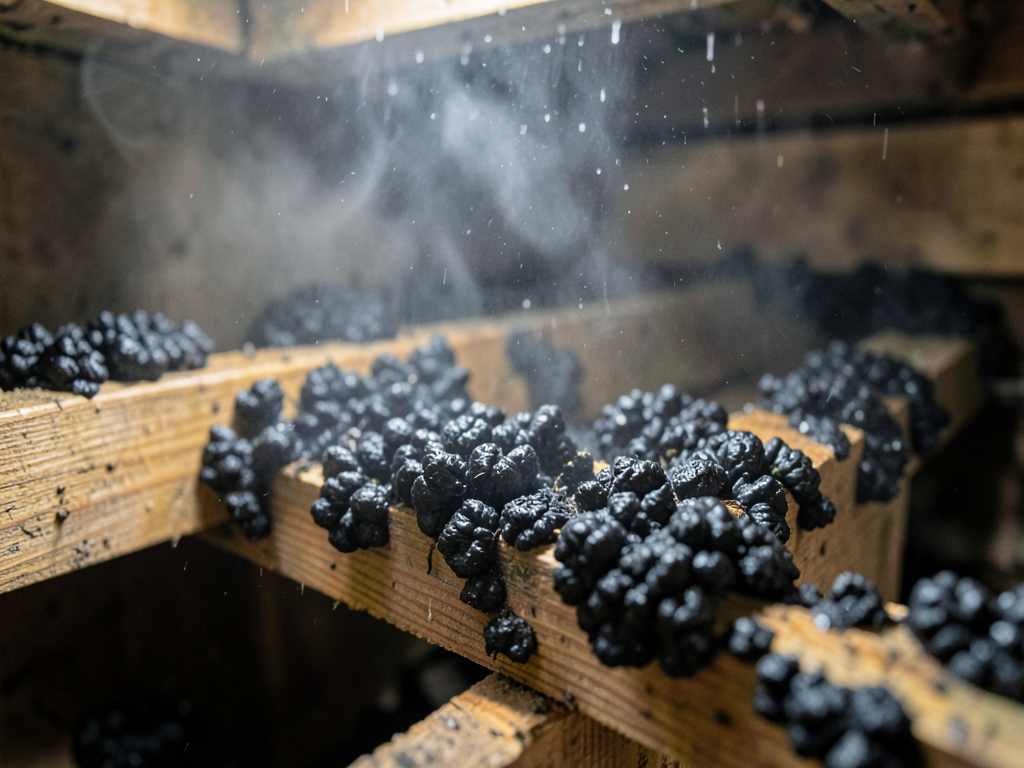
Inside HVAC systems and ductwork represents a particularly concerning hidden mold location. Buffalo’s climate requires both heating and cooling systems, and the temperature differential between conditioned air and basement environments can cause condensation on duct surfaces. This moisture, combined with dust and organic particles that accumulate in ductwork, creates perfect conditions for mold growth that then distributes spores throughout your entire home whenever the system operates.
Behind large appliances and furniture provides numerous hidden spots where mold can establish itself. Water heaters, washing machines, and dehumidifiers can leak slowly over time, creating damp conditions behind and underneath these appliances. Similarly, furniture placed against exterior basement walls can trap moisture against those walls, particularly in homes with poor insulation or where foundation walls experience temperature fluctuations.
Immediate Steps to Take if You Suspect Mold
If you’re experiencing symptoms that suggest mold exposure in your Buffalo home, taking immediate action can help protect your family’s health while you arrange for professional assessment. The first priority is reducing your exposure to potential mold sources. This means identifying and avoiding areas where symptoms seem worst, typically basements, bathrooms, or rooms with recent water damage. Keep bedroom doors closed and consider using HEPA air purifiers in sleeping areas to reduce spore concentrations while you sleep.
Documenting your symptoms and their patterns provides valuable information for both medical professionals and mold inspectors. Keep a daily log noting when symptoms occur, their severity, and any activities or locations that seem to trigger them. Take photographs of any visible mold growth, water stains, or areas with musty odors. This documentation helps establish the connection between your health issues and potential environmental causes, which can be important for insurance claims or medical treatment plans. How to Handle Insurance Claims.
Improving ventilation in your home can help reduce mold spore concentrations while you address the underlying problem. Open windows when outdoor humidity levels are low, use exhaust fans in bathrooms and kitchens, and ensure your clothes dryer vents properly to the outside. However, avoid using fans in areas where you suspect active mold growth, as this can spread spores to other parts of your home.
Contact your healthcare provider if symptoms are severe or persistent. Explain your concerns about potential mold exposure and bring your symptom documentation. Medical professionals can help determine whether your symptoms are mold-related and recommend appropriate treatments while you address the environmental issue. For severe respiratory symptoms or cases involving vulnerable populations like young children or elderly family members, seeking prompt medical attention is particularly important.
Professional Remediation vs. DIY
Deciding between professional mold remediation and do-it-yourself approaches depends on several factors specific to your Buffalo home’s situation. The New York State Department of Labor regulates mold assessment and remediation through Article 32 of the Labor Law, which requires specific licensing for professionals working on projects over 32 square feet. This regulation exists because improper mold removal can actually worsen the problem by spreading spores throughout your home.
DIY approaches might be appropriate for very small, isolated mold problems under 10 square feet that don’t involve contaminated HVAC systems or hidden growth. This could include surface mold on bathroom tiles or small patches on basement walls that result from minor humidity issues. However, even these situations require proper safety equipment including N-95 respirators, gloves, and eye protection, along with containment measures to prevent spore spread.
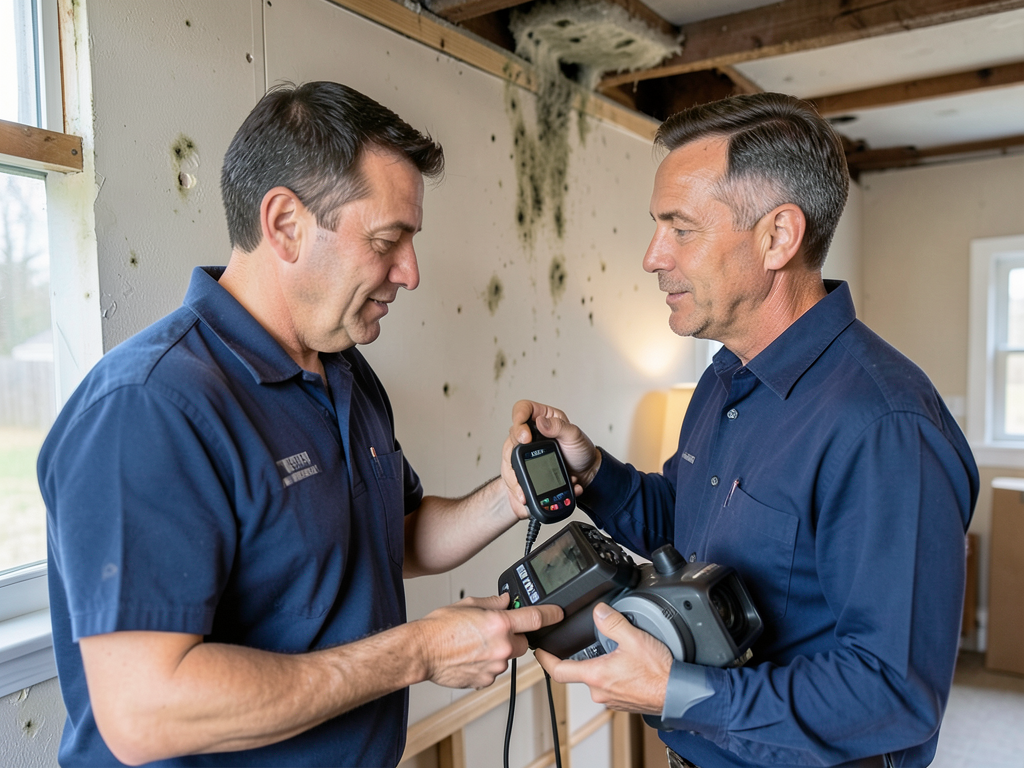
Professional remediation becomes necessary when mold covers larger areas, when you suspect hidden growth behind walls or under flooring, or when your home has experienced significant water damage. Professionals use specialized equipment like HEPA filtration systems, negative air machines, and moisture meters to identify and address all sources of mold growth. They also follow IICRC S520 standards for mold remediation, which ensures that the work addresses both visible mold and the underlying moisture problems that allowed it to grow.
The cost difference between DIY and professional remediation often reflects the scope of the problem rather than just the removal work. Professional services include thorough assessment to identify all mold sources, proper containment to protect your family during the process, and verification testing to ensure the problem is fully resolved. They also address underlying issues like poor drainage, foundation cracks, or HVAC problems that DIY approaches typically miss.
Frequently Asked Questions
How can I tell if my basement mold is toxic?
Not all mold is toxic, but visual identification is unreliable since many mold species look similar. The only way to determine if mold produces harmful mycotoxins is through professional testing. However, any mold growth in your home should be addressed regardless of species, as all molds can cause allergic reactions and respiratory issues.
How long does it take for mold to affect your health?
The timeline varies significantly based on individual sensitivity, mold species, and exposure levels. Some people experience symptoms within hours of exposure, while others may develop health issues over weeks or months of continuous exposure. Children and individuals with respiratory conditions often show symptoms more quickly than healthy adults.
Will my insurance cover mold remediation?
Coverage depends on your specific policy and the cause of the mold. Most standard homeowners policies exclude mold damage unless it results from a covered peril like a burst pipe. Some policies offer limited mold coverage as an add-on. Review your policy or consult with your insurance agent to understand your coverage options.
How much does professional mold testing cost in Buffalo?
Professional mold testing in the Buffalo area typically ranges from $300 to $800, depending on your home’s size and the number of samples needed. This cost usually includes both air and surface sampling, laboratory analysis, and a detailed report with recommendations for remediation if needed.
Can mold grow back after professional remediation?
Yes, mold can return if the underlying moisture problem isn’t addressed. Professional remediation includes identifying and fixing moisture sources, but ongoing maintenance like controlling humidity, fixing leaks promptly, and ensuring proper ventilation is essential to prevent recurrence. Most reputable companies offer warranties on their work when these preventive measures are followed.
- Identify Symptoms
Track respiratory issues, skin reactions, and neurological symptoms that worsen at home but improve when away.
- Document Problem Areas
Photograph visible mold, water damage, or musty odors in your basement and other affected areas.
- Improve Ventilation
Increase air circulation using fans and dehumidifiers while avoiding disturbance of suspected mold areas.
- Seek Professional Help
Contact a licensed mold inspector for assessment and a healthcare provider for symptom evaluation.
- Address Underlying Issues
Fix moisture sources like leaks, poor drainage, or humidity problems to prevent mold recurrence.
If you’re experiencing persistent health symptoms that seem to worsen in your home, don’t wait to take action. Mold exposure can cause serious health problems that affect your family’s quality of life and may lead to more severe conditions if left unaddressed. The unique climate conditions in Buffalo make many homes susceptible to hidden mold growth, particularly in basements and areas with previous water damage.
Professional mold inspection can identify whether your symptoms are related to mold exposure and determine the extent of any contamination in your home. Licensed inspectors use specialized equipment to detect hidden mold growth and assess moisture levels throughout your property. This assessment provides the information you need to make informed decisions about remediation and protecting your family’s health.
Call (716) 317-7717 today to schedule your professional mold inspection. Our experienced team understands the specific challenges that Buffalo’s climate creates for homeowners and can help you identify and address mold problems before they affect your family’s health. Don’t let another day pass with symptoms that could be resolved by addressing the underlying environmental cause in your home.
{
“@context”: “https://schema.org”,
“@type”: “BlogPosting”,
“headline”: “Common health symptoms of mold exposure for families living in damp Buffalo basements”,
“description”: “Learn the key health symptoms of mold exposure in Buffalo homes. Discover why Western New York’s climate increases risks and when to call for professional mold inspection.”,
“wordCount”: 2754,
“datePublished”: “2026-04-01T13:04:00.000Z”,
“dateModified”: “2026-04-01T13:04:00.000Z”,
“inLanguage”: “en-US”,
“mainEntityOfPage”: {
“@type”: “WebPage”,
“@id”: “https://alphawaterdamagerestorationbuffalo.com”
},
“publisher”: {
“@type”: “LocalBusiness”,
“name”: “Alpha Water Damage Restoration Buffalo”,
“url”: “https://alphawaterdamagerestorationbuffalo.com”
},
“author”: {
“@type”: “Organization”,
“name”: “Alpha Water Damage Restoration Buffalo”,
“url”: “https://alphawaterdamagerestorationbuffalo.com”
},
“image”: {
“@type”: “ImageObject”,
“url”: “https://alphawaterdamagerestorationbuffalo.com/wp-content/uploads/2026/03/common-health-symptoms-of-mold-exposure-for-famili-1.png”
}
}
{
“@context”: “https://schema.org”,
“@type”: “LocalBusiness”,
“name”: “Alpha Water Damage Restoration Buffalo”,
“url”: “https://alphawaterdamagerestorationbuffalo.com”,
“address”: {
“@type”: “PostalAddress”,
“addressLocality”: “Buffalo”
},
“areaServed”: {
“@type”: “City”,
“name”: “Buffalo”
}
}
{
“@context”: “https://schema.org”,
“@type”: “FAQPage”,
“mainEntity”: [
{
“@type”: “Question”,
“name”: “Who is Most at Risk?”,
“acceptedAnswer”: {
“@type”: “Answer”,
“text”: “Certain populations face significantly higher risks from mold exposure due to their physiological characteristics or living situations. Children under six years old are particularly vulnerable because their immune systems are still developing and they spend more time playing on floors where mold spores concentrate. Their smaller body size means they receive higher relative doses of mycotoxins and spores per pound of body weight compared to adults.”
}
},
{
“@type”: “Question”,
“name”: “How can I tell if my basement mold is toxic?”,
“acceptedAnswer”: {
“@type”: “Answer”,
“text”: “Not all mold is toxic, but visual identification is unreliable since many mold species look similar. The only way to determine if mold produces harmful mycotoxins is through professional testing. However, any mold growth in your home should be addressed regardless of species, as all molds can cause allergic reactions and respiratory issues.”
}
},
{
“@type”: “Question”,
“name”: “How long does it take for mold to affect your health?”,
“acceptedAnswer”: {
“@type”: “Answer”,
“text”: “The timeline varies significantly based on individual sensitivity, mold species, and exposure levels. Some people experience symptoms within hours of exposure, while others may develop health issues over weeks or months of continuous exposure. Children and individuals with respiratory conditions often show symptoms more quickly than healthy adults.”
}
},
{
“@type”: “Question”,
“name”: “Will my insurance cover mold remediation?”,
“acceptedAnswer”: {
“@type”: “Answer”,
“text”: “Coverage depends on your specific policy and the cause of the mold. Most standard homeowners policies exclude mold damage unless it results from a covered peril like a burst pipe. Some policies offer limited mold coverage as an add-on. Review your policy or consult with your insurance agent to understand your coverage options.”
}
},
{
“@type”: “Question”,
“name”: “How much does professional mold testing cost in Buffalo?”,
“acceptedAnswer”: {
“@type”: “Answer”,
“text”: “Professional mold testing in the Buffalo area typically ranges from $300 to $800, depending on your home’s size and the number of samples needed. This cost usually includes both air and surface sampling, laboratory analysis, and a detailed report with recommendations for remediation if needed.”
}
},
{
“@type”: “Question”,
“name”: “Can mold grow back after professional remediation?”,
“acceptedAnswer”: {
“@type”: “Answer”,
“text”: “Yes, mold can return if the underlying moisture problem isn’t addressed. Professional remediation includes identifying and fixing moisture sources, but ongoing maintenance like controlling humidity, fixing leaks promptly, and ensuring proper ventilation is essential to prevent recurrence. Most reputable companies offer warranties on their work when these preventive measures are followed.”
}
}
]
}
{
“@context”: “https://schema.org”,
“@type”: “HowTo”,
“name”: “How to Address Mold Health Concerns”,
“step”: [
{
“@type”: “HowToStep”,
“position”: 1,
“name”: “Identify Symptoms”,
“text”: “Track respiratory issues, skin reactions, and neurological symptoms that worsen at home but improve when away.”
},
{
“@type”: “HowToStep”,
“position”: 2,
“name”: “Document Problem Areas”,
“text”: “Photograph visible mold, water damage, or musty odors in your basement and other affected areas.”
},
{
“@type”: “HowToStep”,
“position”: 3,
“name”: “Improve Ventilation”,
“text”: “Increase air circulation using fans and dehumidifiers while avoiding disturbance of suspected mold areas.”
},
{
“@type”: “HowToStep”,
“position”: 4,
“name”: “Seek Professional Help”,
“text”: “Contact a licensed mold inspector for assessment and a healthcare provider for symptom evaluation.”
},
{
“@type”: “HowToStep”,
“position”: 5,
“name”: “Address Underlying Issues”,
“text”: “Fix moisture sources like leaks, poor drainage, or humidity problems to prevent mold recurrence.”
}
],
“image”: “https://alphawaterdamagerestorationbuffalo.com/wp-content/uploads/2026/03/common-health-symptoms-of-mold-exposure-for-famili-1.png”
}
{
“@context”: “https://schema.org”,
“@type”: “BreadcrumbList”,
“itemListElement”: [
{
“@type”: “ListItem”,
“position”: 1,
“name”: “Home”,
“item”: “https://alphawaterdamagerestorationbuffalo.com”
},
{
“@type”: “ListItem”,
“position”: 2,
“name”: “Blog”,
“item”: “https://alphawaterdamagerestorationbuffalo.com/blog”
},
{
“@type”: “ListItem”,
“position”: 3,
“name”: “Common health symptoms of mold exposure for families living in damp Buffalo basements”
}
]
}
{
“@context”: “https://schema.org”,
“@type”: “Service”,
“serviceType”: “Water Damage Restoration”,
“provider”: {
“@type”: “LocalBusiness”,
“name”: “Alpha Water Damage Restoration Buffalo”,
“url”: “https://alphawaterdamagerestorationbuffalo.com”
},
“areaServed”: {
“@type”: “City”,
“name”: “Buffalo”
},
“description”: “Learn the key health symptoms of mold exposure in Buffalo homes. Discover why Western New York’s climate increases risks and when to call for professional mold inspection.”
}