
What heavy Lake Erie winds mean for the siding and windows of your South Buffalo home
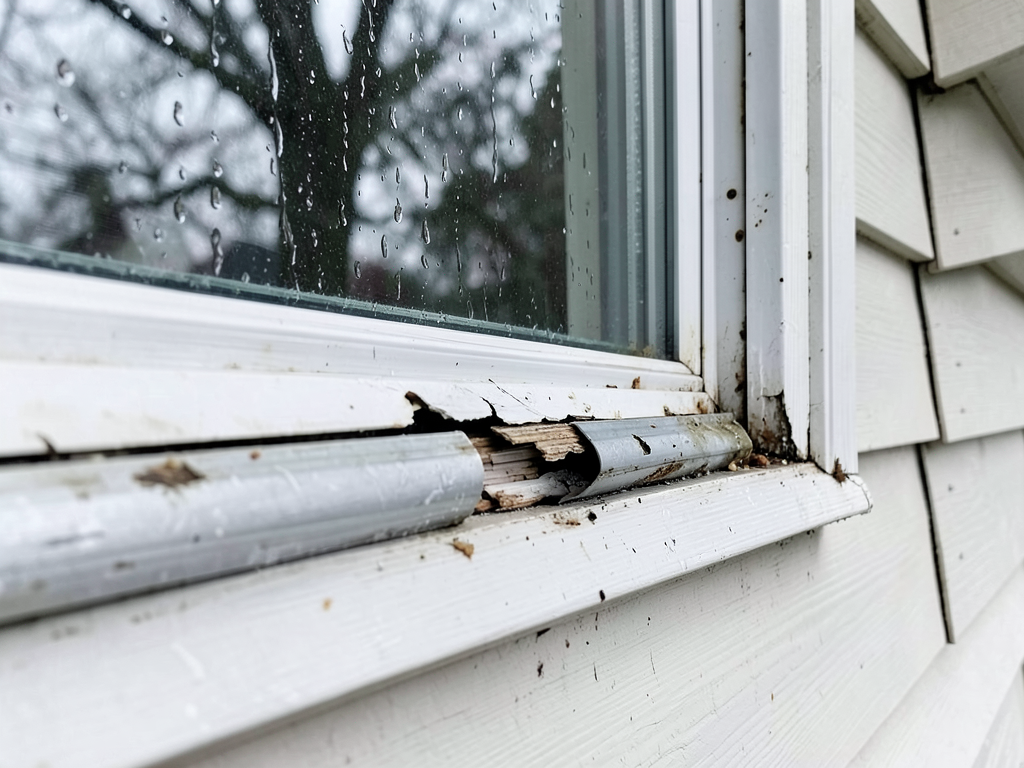
Strong winds off Lake Erie create more than just a chilly day in South Buffalo. When gusts exceed 40 mph, wind-driven rain can force water through tiny gaps in siding and window seals, leading to hidden rot, mold growth, and structural damage that may not show up for months. This article explains how Buffalo’s unique lake-effect wind patterns create vulnerabilities in your home’s exterior envelope and what you can do before the next storm hits. Repairing water damage from frozen pipes in Clarence.
How wind-driven rain enters your home
Wind-driven rain behaves differently than normal rainfall. When wind speeds reach 30-40 mph, rain no longer falls straight down. Instead, it moves horizontally, finding paths through gaps that would normally stay dry. In South Buffalo, where Lake Erie’s fetch creates some of the strongest sustained winds in the Northeast, this becomes a year-round concern.
Common entry points include:
- Siding joints where wind pressure pushes water upward
- Window flashing that lifts in high winds
- Soffit vents that allow rain to blow back into the attic
- Chimney caps that direct water sideways instead of down
The pressure differential created by wind can force water through even properly installed materials. A window rated for wind-driven rain at 15 mph may fail at 45 mph because the pressure on the windward side of your home can be three times higher than on the sheltered side. Commercial water damage and drying experts in Downtown Buffalo.

South Buffalo’s unique wind patterns and building vulnerabilities
South Buffalo sits in a particularly vulnerable position relative to Lake Erie. The open fetch across the lake allows winds to build momentum without interruption. When these winds hit the shoreline near Tifft Nature Preserve and continue inland, they maintain much of their force through neighborhoods like South Park, Seneca Street, and the Old First Ward.
Many homes in these areas were built between 1900 and 1950 with balloon-frame construction and single-pane windows. The original wood siding on these homes often has gaps from seasonal expansion and contraction that modern vinyl siding doesn’t experience. When combined with the high winds off the lake, these gaps become entry points for wind-driven rain.. Read more about Telling the Difference Between Ice Dams and Simple Roof Leaks in Elma.
The aging infrastructure of South Buffalo also contributes to the problem. Many homes still have their original mortar between bricks, which can crack and crumble over decades of freeze-thaw cycles. Wind-driven rain exploits these weaknesses, soaking into walls where it can’t dry out quickly.
Insurance coverage for wind-driven rain damage
Here’s where many South Buffalo homeowners face unexpected challenges. Standard homeowners insurance policies in New York State typically cover wind-driven rain damage, but only if the water enters through a direct opening created by the wind. If rain seeps through aging siding or poorly sealed windows without visible wind damage, your claim might be denied. Safe basement water removal services in Lancaster NY.
The key distinction: wind-driven rain damage requires proof that wind created an opening. Water that enters through normal wear and tear is considered maintenance-related, not storm-related. This is why documentation matters so much after a storm.
After a wind storm, take photos of any visible damage before making temporary repairs. Document the date and time, and note wind speeds if you have a weather app that recorded them. This evidence can make the difference between a covered claim and an out-of-pocket expense. EPA mold guidelines.
Common signs of wind-driven rain damage
Wind-driven rain damage often hides behind walls and under siding for weeks or months before becoming visible. By the time you see water stains on your ceiling or walls, the damage has already progressed significantly.
Early warning signs include:
- A musty odor in rooms that face the lake
- Peeling paint or bubbling wallpaper near windows
- Drafty feelings around windows even when closed
- Higher than normal humidity levels in your home
Thermal imaging can reveal moisture patterns behind walls before they become visible to the naked eye. This technology detects temperature differences caused by wet materials, which stay cooler than dry materials.
Professional restoration process for wind-driven rain damage
When wind-driven rain damages your South Buffalo home, the restoration process follows specific steps to ensure complete drying and prevent secondary damage like mold growth. Choosing a Restoration Company.
- Emergency Assessment and Containment
Our technicians arrive within 60 minutes to assess the extent of water intrusion. We identify all affected areas using moisture meters and thermal imaging cameras.
- Water Extraction and Drying
We remove standing water and set up commercial-grade dehumidifiers and air movers. The drying process typically takes 3-5 days depending on the extent of saturation.
- Structural Drying Verification
We use moisture meters to confirm that all materials have returned to acceptable moisture content levels before proceeding with repairs.
- Sanitization and Mold Prevention
We apply antimicrobial treatments to prevent mold growth, which can begin within 24-48 hours in Buffalo’s humid climate.
Prevention strategies for South Buffalo homes
While you can’t control Lake Erie’s winds, you can prepare your home to withstand them better. Several preventive measures can reduce your risk of wind-driven rain damage.
Start with a professional inspection of your home’s exterior envelope. Look for gaps around windows, deteriorating caulk, and damaged siding. Pay special attention to the windward side of your home, which typically faces west or northwest in South Buffalo.
Consider these upgrades:
- Install wind-rated windows with proper flashing
- Replace aging siding with materials rated for high wind zones
- Seal all exterior penetrations with high-quality caulk
- Install proper chimney caps that direct water away from the roof
Regular maintenance is crucial. Check your home’s exterior twice yearly, in spring and fall, when wind patterns shift. Clean gutters and downspouts to ensure water flows away from your foundation rather than backing up under your roof.
Local building codes and wind resistance standards
Buffalo’s building codes have evolved to address the region’s severe weather. The New York State Uniform Fire Prevention and Building Code requires homes in Erie County to meet specific wind resistance standards, particularly for roofing and siding installations.
Current standards require:
- Roofing materials rated for winds up to 90 mph
- Siding installations with wind load calculations for exposed areas
- Window flashing that meets International Building Code requirements for wind-driven rain
However, many older homes in South Buffalo predate these requirements. If your home was built before the 1980s, it may not meet current wind resistance standards despite being in good condition otherwise.
When to call a professional
Not all wind-driven rain issues require professional help, but certain situations demand immediate attention. Call a restoration professional if you notice:
- Water actively entering your home during a storm
- Visible mold growth within 72 hours of a wind event
- Structural damage to siding or roofing
- Musty odors that persist after drying out visible water
Time is critical when dealing with wind-driven rain. The longer moisture remains in your home’s structure, the more damage it causes and the more expensive the repairs become.
Cost factors for wind-driven rain restoration
Restoration costs vary widely based on the extent of damage and the materials affected. In South Buffalo, where many homes have plaster walls and original wood trim, restoration can be more complex than in newer construction.
Factors affecting cost include:
- Size of the affected area
- Type of materials damaged (drywall, plaster, hardwood, etc.)
- Whether mold remediation is needed
- Accessibility of damaged areas
- Urgency of the response (emergency services cost more)
Most insurance policies cover wind-driven rain damage, but you’ll need to pay your deductible. Some homeowners choose to handle minor damage themselves to avoid filing claims that could affect their premiums. How to handle a sewage backup in your Orchard Park home.
Long-term solutions for vulnerable homes
For South Buffalo homes that experience repeated wind-driven rain issues, long-term solutions may be more cost-effective than constant repairs. These solutions address the root causes rather than just the symptoms.
Consider whole-home weatherization, which includes air sealing, proper insulation, and moisture barriers. This approach not only reduces wind-driven rain infiltration but also improves energy efficiency and comfort year-round.
Another option is installing impact-resistant windows and doors designed for high-wind zones. While expensive upfront, these improvements can prevent thousands in water damage repairs over the life of your home.
Regular professional inspections can catch developing problems before they become emergencies. A qualified inspector can identify vulnerabilities in your home’s exterior envelope that you might miss during routine maintenance.
Emergency preparedness for wind storms
Being prepared for wind storms can minimize damage to your South Buffalo home. Before storm season, create an emergency kit that includes tarps, plastic sheeting, and waterproof tape to make temporary repairs if needed.
Know where your main water shutoff valve is located, and keep important documents in a waterproof container. If you’re away from home during a storm, arrange for a neighbor to check on your property if severe weather is forecast.
Consider installing a wind alarm or weather alert system that notifies you of approaching high winds. This advance warning can give you time to secure outdoor furniture and close vulnerable windows before the worst of the storm hits.
Local resources and support
South Buffalo residents have access to several local resources for dealing with wind-driven rain damage. The Erie County Department of Emergency Services provides weather alerts and storm preparedness information specific to our region’s weather patterns.
Local building supply stores often stock materials rated for high-wind zones, and many offer free consultations on weatherproofing your home. Some contractors specialize in storm damage repairs and understand the unique challenges of South Buffalo’s weather.
Community groups in South Buffalo often share information about reliable contractors and restoration services. Word-of-mouth recommendations from neighbors who’ve dealt with similar issues can be invaluable when choosing a restoration company.
Frequently Asked Questions
How long does wind-driven rain take to cause visible damage?
Wind-driven rain can cause hidden damage within hours, but visible signs often take days or weeks to appear. Moisture trapped behind walls creates perfect conditions for mold growth within 24-48 hours in Buffalo’s humid climate.
Can I prevent all wind-driven rain damage?
While you can’t prevent all wind-driven rain damage, proper maintenance and upgrades can significantly reduce your risk. Homes with modern weather-resistant barriers and properly installed windows experience far less damage than older homes with original materials.
Does homeowners insurance cover wind-driven rain damage?
Most standard policies cover wind-driven rain damage if wind created an opening in your home’s exterior. Damage from normal wear and tear or poor maintenance is typically not covered. Always document storm damage with photos before making repairs.
How can I tell if my home has wind-driven rain damage?
Signs include musty odors, peeling paint near windows, drafts around closed windows, and higher indoor humidity. Professional moisture detection equipment can find hidden damage before it becomes visible.
What should I do immediately after wind-driven rain enters my home?
Stop the water source if possible, remove valuables from affected areas, and call a professional restoration company. Quick response prevents mold growth and reduces restoration costs.
Take action before the next storm hits
Wind-driven rain damage in South Buffalo homes is a serious concern that requires both immediate action when problems occur and long-term prevention strategies. The combination of Lake Erie’s powerful winds and many homes’ aging exteriors creates a perfect storm for water intrusion.
Don’t wait until you see water stains on your ceiling. A professional inspection can identify vulnerabilities in your home’s exterior envelope before the next wind storm hits. We use thermal imaging and moisture meters to find hidden problems that visual inspections miss.
Call (716) 317-7717 today to schedule your home inspection. Our team understands South Buffalo’s unique weather challenges and can recommend specific solutions for your home’s vulnerabilities. Whether you need emergency restoration after a recent storm or want to prevent future damage, we’re here to help protect your home from Lake Erie’s winds.
Pick up the phone and call (716) 317-7717 before the next wind storm turns your home into a water damage statistic. Your home deserves protection that understands our local weather patterns and building challenges. For more information, visit FEMA wind damage prevention.
{
“@context”: “https://schema.org”,
“@type”: “BlogPosting”,
“headline”: “What heavy Lake Erie winds mean for the siding and windows of your South Buffalo home”,
“description”: “Learn how Lake Erie’s powerful winds drive rain into your South Buffalo siding and windows. Discover hidden damage risks and expert restoration solutions.”,
“wordCount”: 2026,
“datePublished”: “2026-04-06T07:06:00.000Z”,
“dateModified”: “2026-04-06T07:06:00.000Z”,
“inLanguage”: “en-US”,
“mainEntityOfPage”: {
“@type”: “WebPage”,
“@id”: “https://alphawaterdamagerestorationbuffalo.com”
},
“publisher”: {
“@type”: “LocalBusiness”,
“name”: “Alpha Water Damage Restoration Buffalo”,
“url”: “https://alphawaterdamagerestorationbuffalo.com”
},
“author”: {
“@type”: “Organization”,
“name”: “Alpha Water Damage Restoration Buffalo”,
“url”: “https://alphawaterdamagerestorationbuffalo.com”
},
“image”: {
“@type”: “ImageObject”,
“url”: “https://alphawaterdamagerestorationbuffalo.com/wp-content/uploads/2026/03/what-heavy-lake-erie-winds-mean-for-the-siding-and-1.png”
}
}
{
“@context”: “https://schema.org”,
“@type”: “LocalBusiness”,
“name”: “Alpha Water Damage Restoration Buffalo”,
“url”: “https://alphawaterdamagerestorationbuffalo.com”,
“address”: {
“@type”: “PostalAddress”,
“addressLocality”: “Buffalo”
},
“areaServed”: {
“@type”: “City”,
“name”: “Buffalo”
}
}
{
“@context”: “https://schema.org”,
“@type”: “FAQPage”,
“mainEntity”: [
{
“@type”: “Question”,
“name”: “How long does wind-driven rain take to cause visible damage?”,
“acceptedAnswer”: {
“@type”: “Answer”,
“text”: “Wind-driven rain can cause hidden damage within hours, but visible signs often take days or weeks to appear. Moisture trapped behind walls creates perfect conditions for mold growth within 24-48 hours in Buffalo’s humid climate.”
}
},
{
“@type”: “Question”,
“name”: “Can I prevent all wind-driven rain damage?”,
“acceptedAnswer”: {
“@type”: “Answer”,
“text”: “While you can’t prevent all wind-driven rain damage, proper maintenance and upgrades can significantly reduce your risk. Homes with modern weather-resistant barriers and properly installed windows experience far less damage than older homes with original materials.”
}
},
{
“@type”: “Question”,
“name”: “Does homeowners insurance cover wind-driven rain damage?”,
“acceptedAnswer”: {
“@type”: “Answer”,
“text”: “Most standard policies cover wind-driven rain damage if wind created an opening in your home’s exterior. Damage from normal wear and tear or poor maintenance is typically not covered. Always document storm damage with photos before making repairs.”
}
},
{
“@type”: “Question”,
“name”: “How can I tell if my home has wind-driven rain damage?”,
“acceptedAnswer”: {
“@type”: “Answer”,
“text”: “Signs include musty odors, peeling paint near windows, drafts around closed windows, and higher indoor humidity. Professional moisture detection equipment can find hidden damage before it becomes visible.”
}
}
]
}
{
“@context”: “https://schema.org”,
“@type”: “HowTo”,
“name”: “Professional Wind-Driven Rain Restoration Process”,
“step”: [
{
“@type”: “HowToStep”,
“position”: 1,
“name”: “Emergency Assessment and Containment”,
“text”: “Our technicians arrive within 60 minutes to assess the extent of water intrusion. We identify all affected areas using moisture meters and thermal imaging cameras.”
},
{
“@type”: “HowToStep”,
“position”: 2,
“name”: “Water Extraction and Drying”,
“text”: “We remove standing water and set up commercial-grade dehumidifiers and air movers. The drying process typically takes 3-5 days depending on the extent of saturation.”
},
{
“@type”: “HowToStep”,
“position”: 3,
“name”: “Structural Drying Verification”,
“text”: “We use moisture meters to confirm that all materials have returned to acceptable moisture content levels before proceeding with repairs.”
},
{
“@type”: “HowToStep”,
“position”: 4,
“name”: “Sanitization and Mold Prevention”,
“text”: “We apply antimicrobial treatments to prevent mold growth, which can begin within 24-48 hours in Buffalo’s humid climate.”
}
],
“image”: “https://alphawaterdamagerestorationbuffalo.com/wp-content/uploads/2026/03/what-heavy-lake-erie-winds-mean-for-the-siding-and-1.png”
}
{
“@context”: “https://schema.org”,
“@type”: “BreadcrumbList”,
“itemListElement”: [
{
“@type”: “ListItem”,
“position”: 1,
“name”: “Home”,
“item”: “https://alphawaterdamagerestorationbuffalo.com”
},
{
“@type”: “ListItem”,
“position”: 2,
“name”: “Blog”,
“item”: “https://alphawaterdamagerestorationbuffalo.com/blog”
},
{
“@type”: “ListItem”,
“position”: 3,
“name”: “What heavy Lake Erie winds mean for the siding and windows of your South Buffalo home”
}
]
}
{
“@context”: “https://schema.org”,
“@type”: “Service”,
“serviceType”: “Water Damage Restoration”,
“provider”: {
“@type”: “LocalBusiness”,
“name”: “Alpha Water Damage Restoration Buffalo”,
“url”: “https://alphawaterdamagerestorationbuffalo.com”
},
“areaServed”: {
“@type”: “City”,
“name”: “Buffalo”
},
“description”: “Learn how Lake Erie’s powerful winds drive rain into your South Buffalo siding and windows. Discover hidden damage risks and expert restoration solutions.”
}