
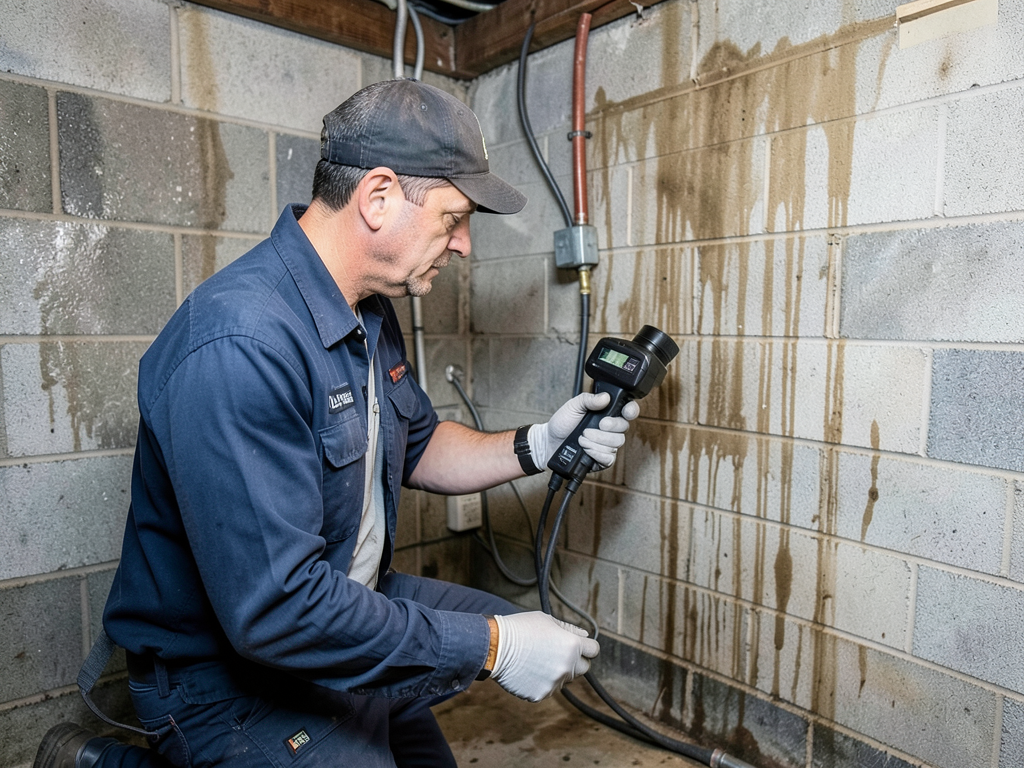
The difference between foundation seepage and a plumbing leak in your Woodlawn basement
Water in your basement creates immediate stress and confusion. You see water pooling on the floor but don’t know if it’s coming from outside through your foundation walls or from a broken pipe inside. This guide helps Woodlawn homeowners identify the source of basement water so you can take the right action fast. Repairing water damage from frozen pipes in Clarence.
Foundation seepage happens when groundwater pressure pushes water through your basement walls and floor. A plumbing leak comes from pressurized pipes inside or under your home. The key difference: foundation seepage often appears after rain or snowmelt and affects multiple areas, while plumbing leaks usually show up as a consistent wet spot near fixtures or pipes. EPA Mold Guidelines.
Woodlawn’s heavy clay soil and proximity to Buffalo’s frequent precipitation create unique challenges. When spring snowmelt hits or summer thunderstorms roll through, your basement faces increased hydrostatic pressure from saturated ground pushing against foundation walls. Understanding this local context helps you diagnose your specific problem. Safe basement water removal services in Lancaster NY.
How to tell if water comes from your foundation or plumbing
Start with these simple diagnostic steps. First, check when the water appears. Foundation seepage typically follows rain events or rapid snowmelt from Lake Erie’s weather patterns. Plumbing leaks happen regardless of weather and often worsen when you use water fixtures. Commercial water damage and drying experts in Downtown Buffalo.
Next, examine the water’s location. Foundation water often enters at the cove joint where walls meet floor or through visible cracks. Plumbing water concentrates near sinks, toilets, water heaters, or along pipe paths in walls and ceilings.. Read more about The real dangers of ignoring foundation cracks in Sloan during the spring thaw.
Look for these visual clues. Foundation seepage often leaves white mineral deposits called efflorescence on concrete walls. Plumbing leaks rarely cause efflorescence but may show rust stains or mold growth near fixtures.
Visual indicators of foundation seepage
Efflorescence appears as white, chalky powder on basement walls. This happens when water carries dissolved minerals through concrete and leaves them behind as it evaporates. In Woodlawn’s older homes near Main Street, you’ll often see efflorescence on cinder block foundations from the 1950s and 1960s.. Read more about What to do when your Buffalo water heater starts making a high pitched whining noise.
Water stains on walls typically start at the bottom and work upward, following the path of least resistance through porous concrete. You might notice damp spots that grow larger after heavy rain or when snow melts rapidly from Buffalo’s unpredictable spring weather.. Read more about Why your Cheektowaga yard drainage might be the reason your basement stays damp.
Crack patterns reveal important information. Hairline cracks that leak only during wet weather indicate hydrostatic pressure forcing water through foundation weaknesses. These cracks often seal themselves when soil dries out.
Visual indicators of plumbing leaks
Plumbing leaks create concentrated wet areas rather than widespread dampness. You might see water dripping from pipes, pooling under fixtures, or creating soft spots in drywall. The water often has a distinct color or smell depending on what’s leaking.
Water heater leaks typically create large puddles directly under the tank. Supply line leaks often show as damp spots on walls or ceilings near bathrooms and kitchens. Drain line leaks might create sewage odors along with water. How to handle a sewage backup in your Orchard Park home.
Check your water meter when all fixtures are off. If the meter continues running, you have a plumbing leak somewhere in your system.
Common water sources in Woodlawn basements
Woodlawn’s location in Buffalo’s eastern suburbs creates specific water intrusion patterns. The area’s heavy clay soil, common in Erie County, expands when wet and creates enormous pressure against foundation walls.
Spring snowmelt poses a particular threat. When temperatures rise rapidly after a Lake Effect snow event, thousands of gallons of water can saturate the soil around your foundation within hours. Your sump pump system needs to handle this surge capacity. How to Handle Insurance Claims.
Window well drainage failures often cause basement flooding in Woodlawn homes. When gutters overflow or downspouts direct water toward your foundation, window wells can fill like small swimming pools and leak through window frames.
Foundation seepage patterns in Woodlawn
Older Woodlawn homes built before 1980 often have cinder block foundations that are more susceptible to seepage than modern poured concrete. These blocks have hollow cores that can fill with water during heavy saturation events.
The cove joint where your basement floor meets walls represents a common entry point. This joint isn’t sealed against water pressure from below. During wet seasons, hydrostatic pressure can force water up through this seam across your entire basement perimeter.
Floor cracks in Woodlawn basements often result from soil expansion and contraction. Clay soil swells when wet and shrinks when dry, creating pressure cycles that crack basement floors and create pathways for groundwater.
Plumbing leak sources in Woodlawn homes
Many Woodlawn homes built in the 1960s and 1970s have galvanized steel supply pipes reaching the end of their useful life. These pipes corrode from the inside out, creating weak points that burst without warning.
Water heaters in older homes often fail during peak usage periods. When Buffalo’s winter temperatures drop below zero, the temperature difference between cold supply water and hot tank water creates stress that can rupture aging tanks.
Sump pump discharge lines can freeze in winter, causing backups that appear like foundation seepage but actually originate from internal plumbing systems. This happens when discharge pipes run along exterior walls without proper insulation.
The dye test: Confirming your water source
When you can’t determine the water source visually, a simple dye test provides definitive answers. This method works for both foundation and plumbing diagnostics.
For suspected plumbing leaks, add food coloring to toilet tanks, sink drains, or floor drains. If colored water appears in your basement without recent rain, you’ve confirmed a plumbing connection. Use dark colors like red or green for clear visibility.
For foundation testing, professional restoration companies use non-toxic fluorescent dyes that show up under black light. These dyes get introduced to the ground around your foundation through drilled access points. Any water entering your basement glows under ultraviolet light, confirming groundwater intrusion.
The dye test costs around $200-300 but prevents thousands in unnecessary repairs by identifying the true water source before you invest in solutions.
Buffalo building codes and basement water issues
New York State Uniform Fire Prevention and Building Code requires specific waterproofing measures for basements, particularly in areas with high water tables like Erie County. Section 1203.3 addresses dampproofing and waterproofing requirements for below-grade walls. New York State Uniform Fire Prevention and Building Code Section 1203.3.
Buffalo’s Green Code emphasizes stormwater management and requires proper grading away from foundations. Homes built after 2017 must demonstrate compliance with these drainage requirements during permitting.
For homes in flood-prone areas, including parts of Woodlawn near Ransom Road, the code mandates sump pump installation with battery backup systems. These requirements help prevent the type of widespread basement flooding that occurred during the 2019 spring melt-off.
When to call a professional immediately
Some water situations require emergency professional response. Call (716) 317-7717 right now if you notice:
- Water near electrical panels, outlets, or appliances
- Sewer-like odors accompanying the water
- Water that’s been present for more than 24-48 hours
- Visible mold growth or musty odors
- Structural cracks wider than 1/4 inch
- Water affecting multiple rooms or levels
Category 3 water (contaminated with sewage or chemicals) requires immediate professional remediation following IICRC S500 standards. This water type poses serious health risks and requires specialized equipment and disposal procedures.
Standing water deeper than one inch should never be addressed with household vacuums or shop vacs. The risk of electrical shock and contamination makes professional extraction essential.
Professional diagnostic methods we use
At Alpha Water Damage Restoration, we employ several diagnostic tools that go beyond what homeowners can access. Our moisture meters measure water content in materials without causing damage, helping us map the extent of water migration.
Infrared cameras detect temperature differences that reveal hidden moisture patterns. Wet areas appear cooler on camera because evaporation draws heat from surrounding materials. This technology helps us find water behind walls and under floors without demolition.
Thermal hygrometers measure air moisture content and temperature, helping us determine if condensation contributes to your basement moisture problems. Buffalo’s humid summers can create condensation issues even in well-sealed basements.
We also use borescopes to inspect wall cavities and drain lines. These small cameras let us see inside pipes and wall spaces to identify leak sources without cutting into finished surfaces.
Preventing future water issues
Whether you’re dealing with foundation seepage or plumbing leaks, prevention saves money and stress. For foundation issues, ensure your yard slopes away from your home at a minimum 6-inch drop over 10 feet. This simple grading fix costs around $500-1,000 but prevents thousands in water damage.
Clean gutters and extend downspouts at least 6 feet from your foundation. In Woodlawn’s mature neighborhoods with large trees, gutter cleaning needs to happen twice yearly to prevent overflow during heavy rains.
Install a battery backup for your sump pump. Buffalo’s power outages during storms often coincide with the exact conditions that overwhelm sump systems. A $300 backup system prevents catastrophic flooding.
For plumbing prevention, insulate pipes in unheated areas and consider replacing galvanized steel supply lines before they fail. The average cost of repiping a Woodlawn home ranges from $3,000-8,000 but prevents emergency service calls at 2 AM.
Cost comparison: Foundation vs plumbing repairs
| Repair Type | Typical Cost Range | Duration | DIY Potential |
|---|---|---|---|
| Foundation Crack Injection | $500-3,000 | 1-2 days | Low |
| Exterior Waterproofing | $5,000-15,000 | 3-7 days | None |
| Sump Pump Replacement | $800-2,500 | 1 day | Medium |
| Plumbing Pipe Repair | $150-1,000 | 2-8 hours | Low-Medium |
| Water Heater Replacement | $1,000-2,500 | 2-4 hours | Low |
| Drain Line Repair | $500-3,000 | 1-3 days | None |
Foundation repairs typically cost more but address systemic issues affecting your entire basement. Plumbing repairs usually cost less but may need repeating if underlying pipe deterioration exists throughout your home.
Insurance considerations for basement water
Standard homeowners insurance policies in New York cover sudden plumbing failures but exclude groundwater intrusion through foundations. This distinction affects how insurance handles your claim.
A burst pipe causing basement flooding typically receives full coverage minus your deductible. Foundation seepage from heavy rain or snowmelt usually requires separate flood insurance or specialized endorsements.
Document everything when water appears. Take photos before cleanup, save receipts for emergency services, and keep damaged items for adjuster inspection. This documentation speeds claim processing and maximizes your recovery.
Alpha Water Damage Restoration works directly with insurance companies, providing the documentation and estimates they require. We understand the difference between covered and excluded damage types and can help you navigate these distinctions.
Frequently Asked Questions
How can I tell if my basement water is from rain or a pipe?
Check timing and location. Rain-related water appears after precipitation and affects multiple areas near walls. Pipe leaks happen regardless of weather and concentrate near fixtures or pipe runs. A dye test provides definitive answers.
Is foundation seepage covered by homeowners insurance?
Typically no. Standard policies exclude groundwater intrusion through foundations. You need separate flood insurance or specific endorsements for this coverage. Burst pipes causing sudden water release usually receive coverage.
How much does it cost to fix a leaky basement?
Costs range from $500 for simple crack injection to $15,000+ for comprehensive exterior waterproofing. Plumbing leak repairs typically cost $150-3,000 depending on location and severity. A professional inspection helps determine the right solution for your specific situation.
Can I fix basement water myself?
Minor plumbing leaks might be DIY-able if you have plumbing experience. Foundation seepage usually requires professional equipment and expertise. Any water near electrical systems or sewage needs professional handling for safety reasons.
How long before mold grows in wet basement areas?
Mold can begin growing within 24-48 hours in warm, moist conditions. This makes rapid water removal essential. Professional drying equipment can prevent mold growth even in severe water events when deployed quickly.
- Check timing and weather
Note when water appears and recent weather conditions. Foundation seepage follows rain or snowmelt; plumbing leaks occur regardless of weather.
- Examine water location
Foundation water often enters at cove joints or through cracks. Plumbing water concentrates near fixtures or pipe paths.
- Look for visual clues
Efflorescence indicates foundation seepage. Rust stains or mold near fixtures suggest plumbing issues.
- Perform dye test if needed
Add food coloring to drains or use professional dyes to confirm water sources definitively.
- Check water meter
If meter runs when all fixtures are off, you have a plumbing leak somewhere in the system.
Take action before your basement problem worsens
Water in your basement never fixes itself. Small foundation seepage or minor plumbing leaks grow into major structural damage, mold infestations, and costly repairs when ignored. Woodlawn’s clay soil and Buffalo’s weather patterns create conditions where basement water problems escalate quickly.
Don’t guess about your water source. A professional inspection costs less than emergency repairs and provides peace of mind. Our team at Alpha Water Damage Restoration has served Buffalo homeowners for years, handling everything from simple pipe repairs to comprehensive foundation waterproofing.
Call (716) 317-7717 today to schedule your basement water inspection. We’ll identify the source, explain your options, and provide a clear path forward. Whether you need emergency water removal or preventive waterproofing, we’re ready to help protect your Woodlawn home from water damage.
Pick up the phone and call (716) 317-7717 before the next storm hits. Quick action prevents expensive repairs and protects your home’s value. Our team is standing by to help you solve your basement water problems for good.
You may also find this helpful. How to spot a failing washing machine hose before it floods your Orchard Park home.
{
“@context”: “https://schema.org”,
“@type”: “BlogPosting”,
“headline”: “The difference between foundation seepage and a plumbing leak in your Woodlawn basement”,
“description”: “Learn how to identify if water in your Woodlawn basement comes from foundation seepage or a plumbing leak. Get expert tips for Buffalo homeowners from Alpha Water Damage Restoration.”,
“wordCount”: 2247,
“datePublished”: “2026-03-19T13:37:00.000Z”,
“dateModified”: “2026-03-19T13:37:00.000Z”,
“inLanguage”: “en-US”,
“mainEntityOfPage”: {
“@type”: “WebPage”,
“@id”: “https://alphawaterdamagerestorationbuffalo.com”
},
“publisher”: {
“@type”: “LocalBusiness”,
“name”: “Alpha Water Damage Restoration Buffalo”,
“url”: “https://alphawaterdamagerestorationbuffalo.com”
},
“author”: {
“@type”: “Organization”,
“name”: “Alpha Water Damage Restoration Buffalo”,
“url”: “https://alphawaterdamagerestorationbuffalo.com”
},
“image”: {
“@type”: “ImageObject”,
“url”: “https://alphawaterdamagerestorationbuffalo.com/wp-content/uploads/2026/03/the-difference-between-foundation-seepage-and-a-pl-1.png”
}
}
{
“@context”: “https://schema.org”,
“@type”: “LocalBusiness”,
“name”: “Alpha Water Damage Restoration Buffalo”,
“url”: “https://alphawaterdamagerestorationbuffalo.com”,
“address”: {
“@type”: “PostalAddress”,
“addressLocality”: “Buffalo”
},
“areaServed”: {
“@type”: “City”,
“name”: “Buffalo”
}
}
{
“@context”: “https://schema.org”,
“@type”: “FAQPage”,
“mainEntity”: [
{
“@type”: “Question”,
“name”: “How can I tell if my basement water is from rain or a pipe?”,
“acceptedAnswer”: {
“@type”: “Answer”,
“text”: “Check timing and location. Rain-related water appears after precipitation and affects multiple areas near walls. Pipe leaks happen regardless of weather and concentrate near fixtures or pipe runs. A dye test provides definitive answers.”
}
},
{
“@type”: “Question”,
“name”: “Is foundation seepage covered by homeowners insurance?”,
“acceptedAnswer”: {
“@type”: “Answer”,
“text”: “Typically no. Standard policies exclude groundwater intrusion through foundations. You need separate flood insurance or specific endorsements for this coverage. Burst pipes causing sudden water release usually receive coverage.”
}
},
{
“@type”: “Question”,
“name”: “How much does it cost to fix a leaky basement?”,
“acceptedAnswer”: {
“@type”: “Answer”,
“text”: “Costs range from $500 for simple crack injection to $15,000+ for comprehensive exterior waterproofing. Plumbing leak repairs typically cost $150-3,000 depending on location and severity. A professional inspection helps determine the right solution for your specific situation.”
}
},
{
“@type”: “Question”,
“name”: “Can I fix basement water myself?”,
“acceptedAnswer”: {
“@type”: “Answer”,
“text”: “Minor plumbing leaks might be DIY-able if you have plumbing experience. Foundation seepage usually requires professional equipment and expertise. Any water near electrical systems or sewage needs professional handling for safety reasons.”
}
},
{
“@type”: “Question”,
“name”: “How long before mold grows in wet basement areas?”,
“acceptedAnswer”: {
“@type”: “Answer”,
“text”: “Mold can begin growing within 24-48 hours in warm, moist conditions. This makes rapid water removal essential. Professional drying equipment can prevent mold growth even in severe water events when deployed quickly.”
}
}
]
}
{
“@context”: “https://schema.org”,
“@type”: “HowTo”,
“name”: “How to identify basement water source”,
“step”: [
{
“@type”: “HowToStep”,
“position”: 1,
“name”: “Check timing and weather”,
“text”: “Note when water appears and recent weather conditions. Foundation seepage follows rain or snowmelt; plumbing leaks occur regardless of weather.”
},
{
“@type”: “HowToStep”,
“position”: 2,
“name”: “Examine water location”,
“text”: “Foundation water often enters at cove joints or through cracks. Plumbing water concentrates near fixtures or pipe paths.”
},
{
“@type”: “HowToStep”,
“position”: 3,
“name”: “Look for visual clues”,
“text”: “Efflorescence indicates foundation seepage. Rust stains or mold near fixtures suggest plumbing issues.”
},
{
“@type”: “HowToStep”,
“position”: 4,
“name”: “Perform dye test if needed”,
“text”: “Add food coloring to drains or use professional dyes to confirm water sources definitively.”
},
{
“@type”: “HowToStep”,
“position”: 5,
“name”: “Check water meter”,
“text”: “If meter runs when all fixtures are off, you have a plumbing leak somewhere in the system.”
}
],
“image”: “https://alphawaterdamagerestorationbuffalo.com/wp-content/uploads/2026/03/the-difference-between-foundation-seepage-and-a-pl-1.png”
}
{
“@context”: “https://schema.org”,
“@type”: “BreadcrumbList”,
“itemListElement”: [
{
“@type”: “ListItem”,
“position”: 1,
“name”: “Home”,
“item”: “https://alphawaterdamagerestorationbuffalo.com”
},
{
“@type”: “ListItem”,
“position”: 2,
“name”: “Blog”,
“item”: “https://alphawaterdamagerestorationbuffalo.com/blog”
},
{
“@type”: “ListItem”,
“position”: 3,
“name”: “The difference between foundation seepage and a plumbing leak in your Woodlawn basement”
}
]
}
{
“@context”: “https://schema.org”,
“@type”: “Service”,
“serviceType”: “Water Damage Restoration”,
“provider”: {
“@type”: “LocalBusiness”,
“name”: “Alpha Water Damage Restoration Buffalo”,
“url”: “https://alphawaterdamagerestorationbuffalo.com”
},
“areaServed”: {
“@type”: “City”,
“name”: “Buffalo”
},
“description”: “Learn how to identify if water in your Woodlawn basement comes from foundation seepage or a plumbing leak. Get expert tips for Buffalo homeowners from Alpha Water Damage Restoration.”
}