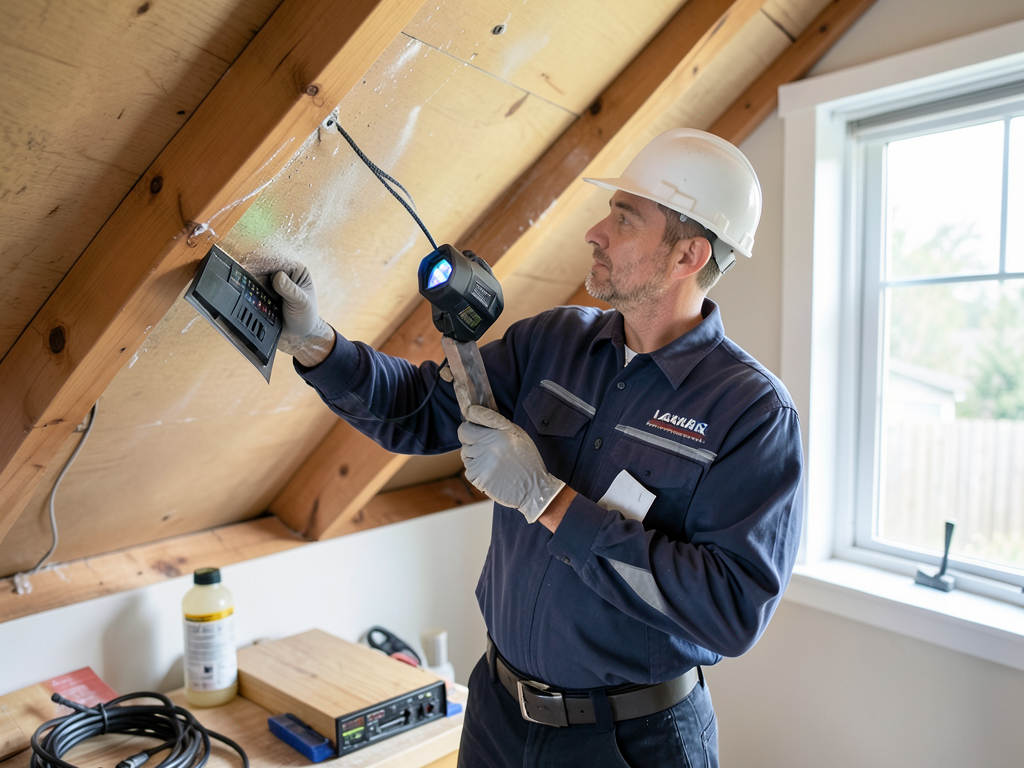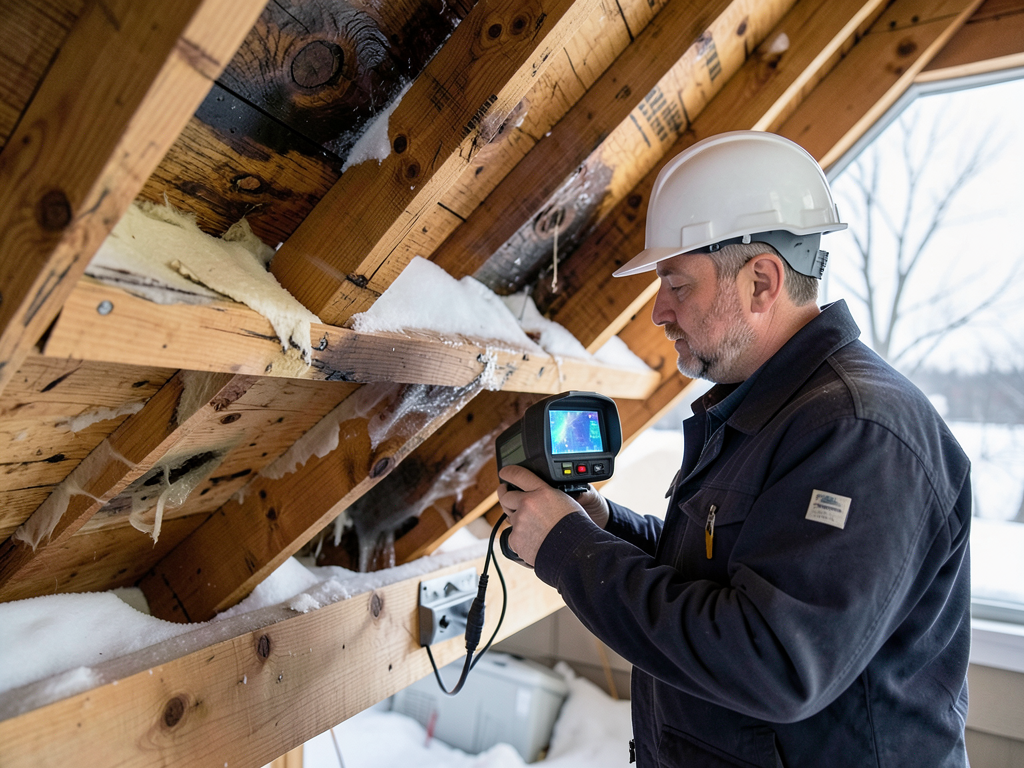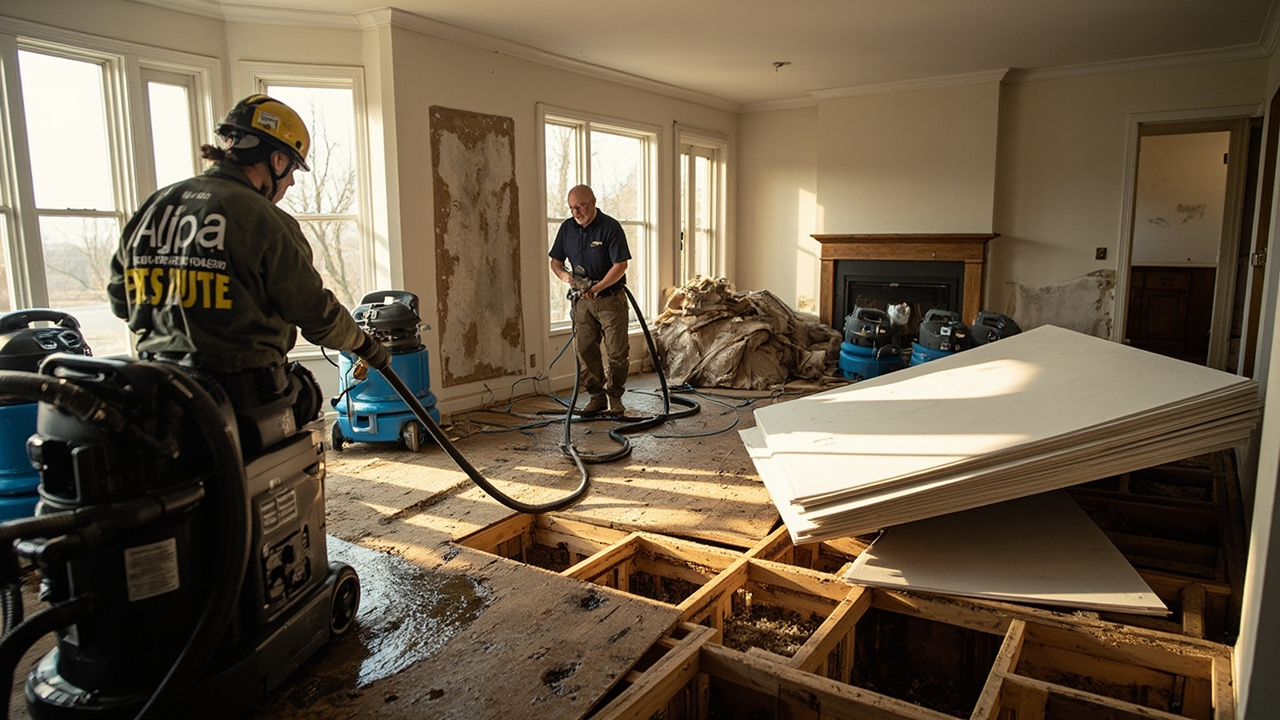
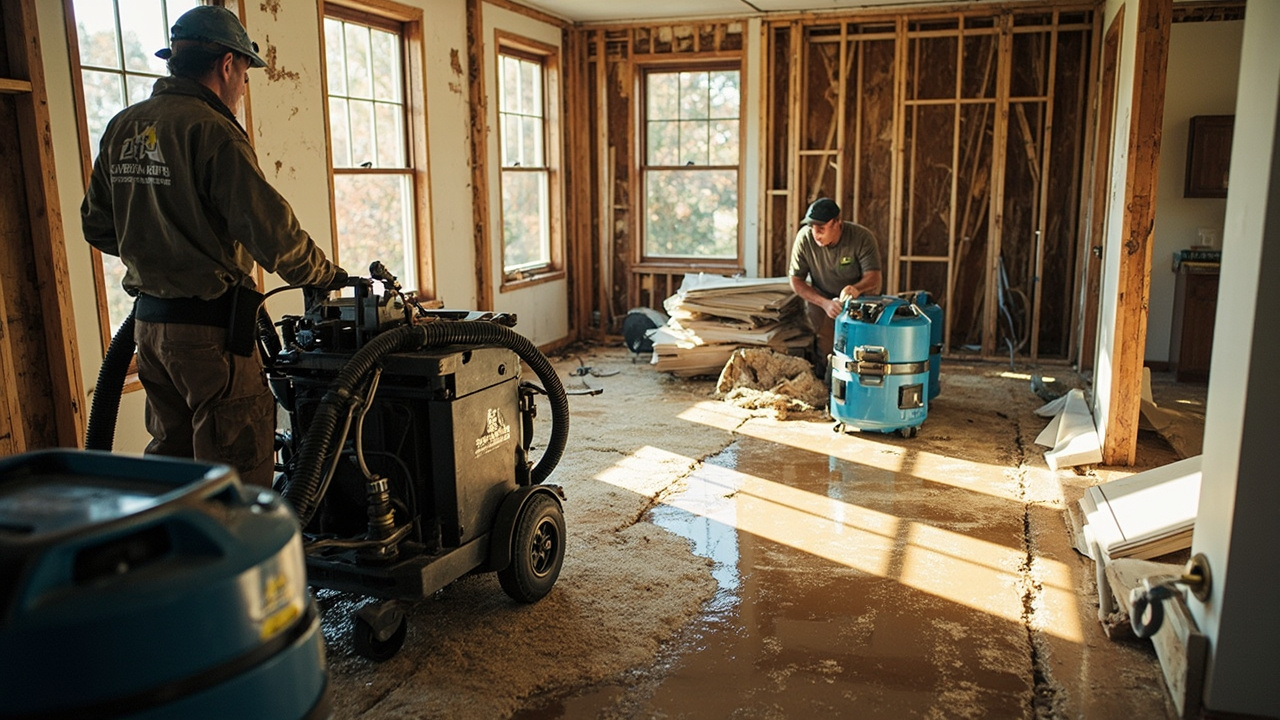
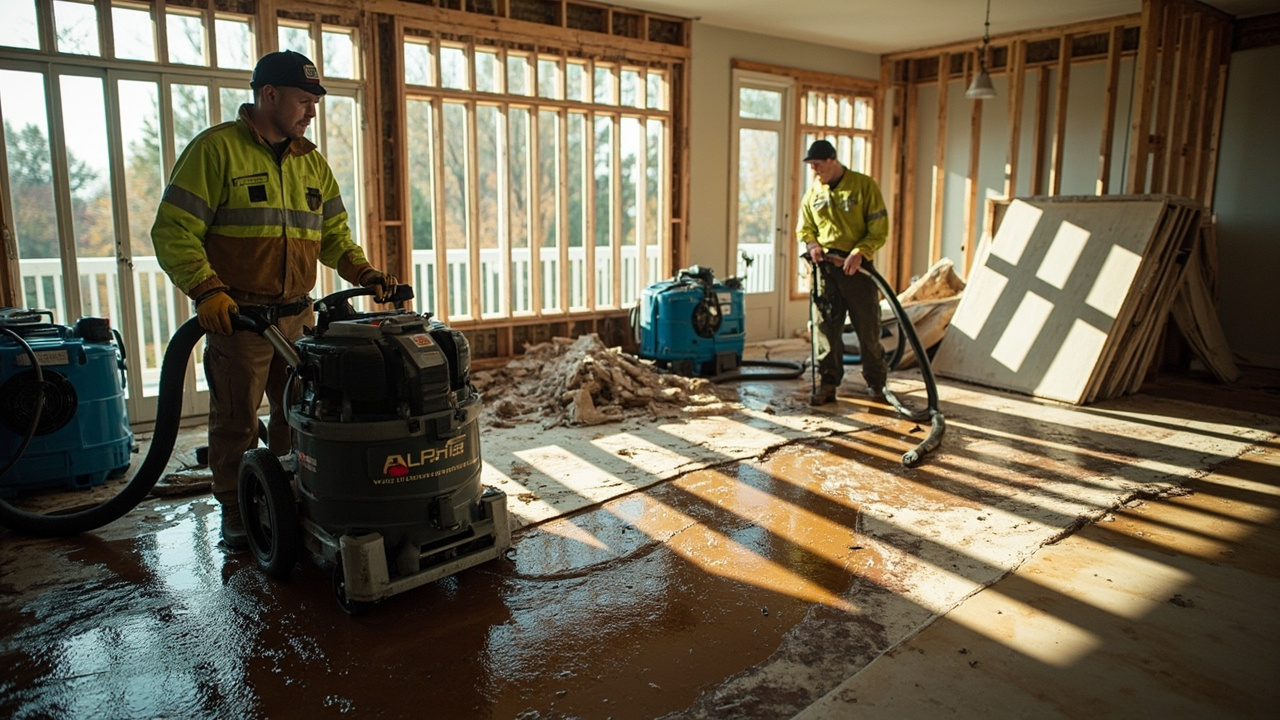
Buffalo experiences temperature swings from below zero to above 40 degrees within 24 hours during winter months. These freeze-thaw cycles burst pipes in exterior walls and create ice dams that force water under shingles. The difference between water mitigation and restoration becomes critical when frozen pipes burst at 2 AM on a Sunday. Immediate mitigation prevents water from spreading through ceiling joists into insulation. Delayed response allows moisture to saturate drywall and subflooring, expanding restoration scope and costs. Lake Erie's humidity keeps building materials damp longer than drier climates. Water damage mitigation vs restoration timelines extend in Buffalo because complete drying takes additional days. Rushing into reconstruction before proper drying verification creates mold growth behind new walls.
Buffalo's housing stock includes thousands of pre-1950 homes with plaster walls, hardwood floors, and knob-and-tube wiring. Water remediation vs restoration requires different approaches for historic materials compared to modern construction. Local contractors understand how Buffalo's clay soil shifts foundations and creates basement seepage patterns. We work within preservation guidelines for historic districts while meeting current safety codes. National franchises apply generic protocols that ignore Buffalo's unique construction characteristics. Our team trains specifically on Western New York building methods and materials. That local expertise prevents costly mistakes when mitigation vs reconstruction decisions determine project outcomes. Insurance adjusters trust Buffalo-based contractors who document according to regional standards and understand Erie County claim processing requirements.