menu

Condensation on Windows & Walls in Buffalo – Expert Diagnosis and Permanent Moisture Solutions

Alpha Water Damage Restoration Buffalo identifies the root cause of window sweating and moisture buildup on walls, then implements targeted solutions to prevent mold growth and structural damage in your home.

Slider Image 1
Slider Image 2
Slider Image 3
Slider Image 4
Slider Image 5
Slider Image 7
Slider Image 8
Slider Image 9
Slider Image 10
Slider Image 11

Why Buffalo Homes Battle Constant Moisture Problems

You wake up to weeping window panes every morning. Damp drywall patches appear on your exterior walls. Interior glass condensation obscures your view during winter months. This is not normal wear and tear. This is a moisture control failure, and Buffalo's climate makes it worse.

Buffalo's geography creates a perfect storm for condensation issues. Lake Erie generates high humidity levels year-round. Winter temperatures drop fast, creating extreme temperature differentials between your warm interior and the frozen outdoors. This differential forces water vapor to condense on the coldest surfaces in your home: windows and exterior walls.

The problem compounds in older Buffalo neighborhoods like Elmwood Village and North Buffalo, where homes were built before modern vapor barrier standards. Single-pane windows, inadequate insulation, and poor ventilation turn your walls into moisture magnets. The water you see dripping down your windows is not just annoying. It is saturating your window sills, seeping into wall cavities, and feeding mold colonies you cannot see yet.

Moisture buildup on walls signals deeper issues. Your HVAC system may be oversized, creating short cycling that fails to dehumidify. Your bathroom and kitchen exhaust fans may vent into your attic instead of outside. Your crawlspace may lack proper encapsulation, pumping ground moisture into your living space. Each scenario requires a different fix, and guessing wrong wastes money while the damage spreads.

Window sweating is not a cosmetic problem. It is a warning system telling you that moisture levels inside your home exceed safe thresholds. Ignore it, and you will face mold remediation bills, rotted framing, and failed paint that costs thousands to repair.

Why Buffalo Homes Battle Constant Moisture Problems
How We Identify and Eliminate Interior Condensation Sources

How We Identify and Eliminate Interior Condensation Sources

Alpha Water Damage Restoration Buffalo does not spray dehumidifiers at symptoms. We use building science to find where moisture enters, where it accumulates, and why your home cannot shed it naturally.

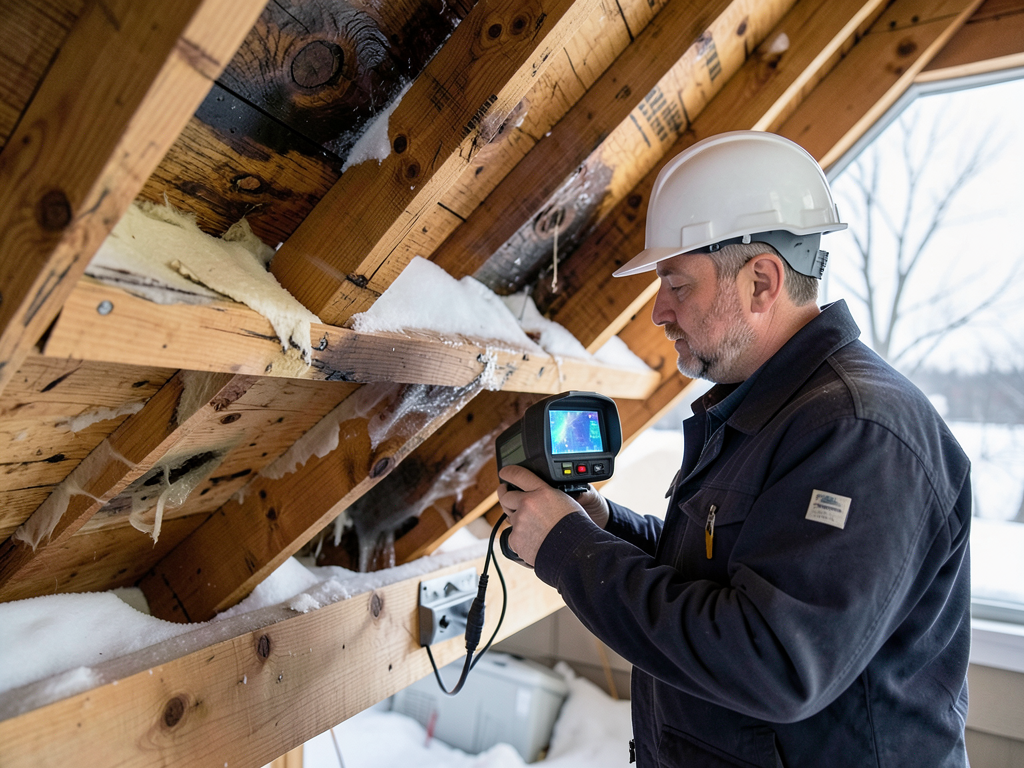
We start with psychrometric testing. This measures temperature, relative humidity, and dew point in each room. When indoor air hits a surface colder than the dew point, condensation forms. We map your home's thermal envelope with infrared cameras, identifying cold spots where insulation fails or air leaks occur. These cold zones are condensation magnets.

Next, we trace moisture sources. We check crawlspace vapor emissions with moisture meters. We verify that dryer vents, bathroom fans, and kitchen exhausts discharge outside, not into attics or wall cavities. We inspect window glazing seals and check if condensation occurs between double-pane glass layers, indicating seal failure. We measure air exchange rates to determine if your home is too tight, trapping moisture inside without adequate fresh air intake.

For damp drywall patches, we perform non-invasive moisture mapping. We scan walls with penetrating moisture meters that detect water content behind finishes. This tells us if moisture comes from exterior infiltration, plumbing leaks, or interior condensation. We do not cut holes until we know exactly where the problem lives.

Our solutions target root causes. If your windows sweat because of humidity imbalance, we calculate proper dehumidification capacity and specify equipment placement. If exterior walls condensate because of missing vapor barriers, we recommend controlled ventilation or vapor-permeable wall treatments. If your HVAC system short cycles, we right-size equipment or adjust controls. Every recommendation is specific to your building envelope performance, not generic advice copied from the internet.

What Happens During a Condensation Assessment

Condensation on Windows & Walls in Buffalo – Expert Diagnosis and Permanent Moisture Solutions
01

Building Diagnostics

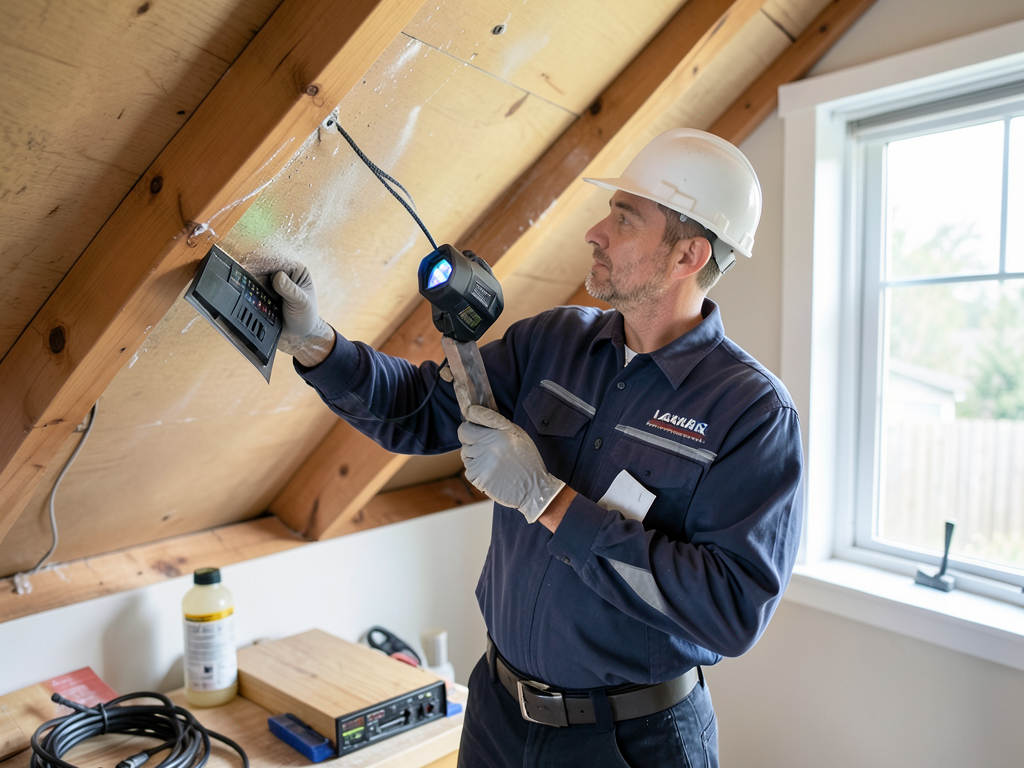
We arrive with psychrometers, infrared cameras, and moisture meters. We measure indoor humidity levels, map surface temperatures on windows and walls, and identify thermal bridging where cold penetrates your envelope. This data reveals why condensation forms in specific locations. We document findings with thermal images that show exactly where your building envelope fails.
02

Source Identification

We trace moisture back to its origin. We check ventilation pathways, inspect vapor barriers in crawlspaces and attics, and verify HVAC performance. We test for hidden leaks behind walls using non-invasive scanning. We measure air exchange rates to determine if your home traps moisture or lacks adequate fresh air intake. This step separates condensation from actual water intrusion.
03

Solution Planning

We deliver a prioritized action plan. High-priority items stop active moisture damage. Medium-priority fixes improve long-term building performance. We specify equipment capacities, installation locations, and expected outcomes. You receive a written report with thermal images, moisture readings, and clear explanations of each recommendation. No upselling. No generic solutions. Just engineered fixes for your specific condensation problem.

Why Buffalo Homeowners Trust Our Moisture Control Expertise

Buffalo's housing stock presents unique moisture challenges. Homes built before 1970 lack modern vapor barriers. The freeze-thaw cycles create expansion and contraction that opens gaps in building envelopes. Lake-effect snow dumps moisture on roofs and walls for months. Generic moisture advice from national websites fails here because it ignores local building methods and climate realities.

Alpha Water Damage Restoration Buffalo specializes in cold-climate moisture control. We understand how Buffalo's temperature swings create condensation risk. We know which local builders used tar paper versus modern house wrap. We recognize the signs of failed original insulation in balloon-framed homes common in Allentown and the Fruit Belt. This local knowledge prevents misdiagnosis.

We work within Buffalo's building code requirements. When we recommend ventilation improvements, we ensure compliance with mechanical code standards. When we specify vapor barriers, we match them to your wall assembly to prevent trapping moisture in the wrong location. Incorrect vapor barrier placement makes condensation worse, and we have fixed dozens of failed DIY attempts.

Our diagnostic equipment exceeds industry standards. Thermal cameras reveal temperature differentials invisible to the eye. Penetrating moisture meters detect water content deep in wall cavities without destructive testing. Psychrometers provide lab-grade humidity measurements. This technology costs more than basic tools, but it prevents guessing and reduces unnecessary demolition.

We also coordinate with your existing contractors. If your roofer needs to address ice dam issues contributing to condensation, we provide documentation. If your HVAC contractor needs our moisture load calculations, we share data. Moisture problems cross multiple trades, and we bridge the communication gaps that lead to incomplete repairs.

You get documentation you can use. Our reports include thermal images, moisture maps, and written explanations. Insurance companies accept our findings when moisture damage leads to claims. Future buyers and home inspectors see that issues were professionally addressed.

What to Expect From Our Condensation Service

Response Time

We schedule condensation assessments within 48 hours of your call. Most evaluations take two to three hours, depending on home size and complexity. We provide same-day verbal findings and deliver written reports within 24 hours. If we discover active water intrusion during assessment, we address it immediately to prevent further damage. Emergency moisture issues get priority scheduling.

Assessment Process

We inspect your entire building envelope, not just where you see condensation. We check attics, crawlspaces, basements, and mechanical systems. We measure moisture content in walls, floors, and ceilings. We document ventilation pathways and test HVAC performance. You receive thermal images showing cold spots, moisture maps indicating saturation levels, and psychrometric data explaining humidity imbalance. This complete picture prevents missing secondary moisture sources.

The Outcome

You get a clear explanation of why condensation occurs in your home and what fixes will work. We prioritize solutions by impact and cost. High-priority items address active moisture damage. Lower-priority improvements enhance long-term performance. We provide referrals to qualified contractors when work exceeds our scope. Our goal is dry surfaces, stable humidity levels, and no more morning window sweating. You will understand your home's moisture behavior better than most contractors.

Follow-Up Support

We return for post-remediation verification at no charge. After you implement our recommendations, we re-test moisture levels and surface temperatures to confirm the fix worked. We adjust dehumidification settings if needed. We answer questions about seasonal changes in condensation patterns. If new moisture issues appear, we reassess at a discounted rate because we already understand your building. This ongoing relationship prevents recurring problems and protects your investment.

Frequently Asked Questions

You Have Questions,
We Have Answers

How to stop condensation on windows and walls? +

Control indoor humidity first. Run exhaust fans in bathrooms and kitchens during and after use. Open windows briefly each day to allow fresh air exchange, even in Buffalo winters. Use a dehumidifier to keep humidity between 30-50 percent. Check that dryer vents exit outside properly. Improve air circulation near problem windows with ceiling fans or portable fans. Upgrade to double-pane windows if you have single-pane glass. Insulate exterior walls to raise surface temperatures. Move furniture and curtains away from exterior walls to allow airflow. These steps address the root cause rather than just symptoms.

Is it normal to have condensation on the inside of house windows? +

Some condensation is normal during Buffalo winters when outdoor temperatures drop below freezing. Interior moisture from cooking, showers, and breathing hits cold glass surfaces and condenses. Light morning fog that disappears quickly is not a concern. However, persistent condensation that pools on sills, drips down walls, or creates ice buildup signals excessive indoor humidity or poor window performance. Normal condensation should not soak wood trim, peel paint, or create visible mold. If condensation appears daily and persists for hours, you need to reduce humidity levels or improve ventilation.

Does condensation on windows mean the house is too cold? +

Not necessarily. Condensation forms when warm, moist indoor air contacts a cold surface. The glass temperature matters more than your indoor air temperature. In Buffalo, exterior temperatures well below freezing make window glass cold regardless of your thermostat setting. Single-pane windows condensate more easily because they lack an insulating air gap. Your house temperature might be comfortable, but if humidity is high and windows are poorly insulated, condensation will form. The issue is the temperature difference between humid air and the cold glass surface, not your overall heating level.

Should you wipe condensation off windows? +

Yes, wipe it immediately. Standing water damages wood sills, promotes mold growth, and can seep into wall cavities. Use an absorbent cloth or towel to remove moisture completely. Dry the sill, frame, and any pooled water on the glass bottom. This is damage control, not a solution. Wiping addresses the symptom but does not fix the humidity or insulation problem causing condensation. If you wipe windows daily, you need to lower indoor humidity or upgrade your windows. Ignoring persistent condensation leads to rot, mold, and costly repairs.

Does condensation on windows mean poor insulation? +

Sometimes. Poor insulation lowers interior wall surface temperatures, making condensation more likely. However, condensation on windows does not automatically mean your walls are poorly insulated. Windows are always colder than insulated walls because glass conducts heat rapidly. Single-pane windows condensate even in well-insulated homes. Check for condensation on exterior walls, especially in closets or behind furniture. If walls feel cold and damp, insulation may be inadequate. In Buffalo homes, uninsulated rim joists and attic bypasses often cause more problems than wall insulation. A thermal imaging scan identifies weak spots accurately.

What to put on walls to stop condensation? +

Do not apply anything directly to walls. Coatings or sealants trap moisture inside walls and accelerate damage. Address the root cause instead. Reduce indoor humidity with dehumidifiers and proper ventilation. Insulate exterior walls from the outside or inside to raise surface temperatures. Install vapor barriers correctly during insulation work. Ensure bathroom and kitchen exhaust fans vent outside, not into attics. Fix any plumbing leaks or exterior water intrusion. Paint with mold-resistant primers if walls previously had condensation issues. Proper insulation and humidity control eliminate condensation without surface treatments.

When should I be worried about condensation on windows? +

Worry when condensation appears daily, persists for hours, or causes visible damage. Ice buildup on windows signals serious problems. Water pooling on sills, dripping onto floors, or soaking into drywall requires immediate action. Mold growth around window frames or on adjacent walls indicates prolonged moisture exposure. Peeling paint or soft, rotted wood means damage has progressed. In Buffalo, condensation that freezes overnight and melts during the day creates repeat wetting cycles that destroy materials quickly. Condensation between double-pane glass means seal failure and the window needs replacement.

What are signs of excessive condensation? +

Look for water stains on window sills or walls. Musty odors indicate hidden mold from chronic moisture. Peeling paint or wallpaper near windows signals prolonged dampness. Visible mold on frames, sills, or drywall is a clear sign. Warped or soft wood trim means water damage. In Buffalo homes, check basements and attics for condensation on cold surfaces like pipes or ductwork. Frost buildup on attic sheathing during winter indicates moisture escaping from living spaces. High humidity readings above 60 percent confirm excessive moisture. These signs require immediate humidity reduction and ventilation improvements.

How to stop condensation on windows overnight in winter? +

Lower your thermostat slightly before bed to reduce the temperature difference between indoor air and cold glass. Close interior doors to bedrooms to isolate moisture sources. Run a dehumidifier overnight in problem areas. Crack a window slightly for air exchange if outdoor temperatures allow. Use insulating window treatments like cellular shades or thermal curtains, but leave a small gap for air circulation. Run bathroom exhaust fans longer after evening showers. In Buffalo winters, these steps minimize overnight condensation but do not eliminate it on single-pane windows. Double-pane glass performs significantly better.

What temperature should I keep my house to prevent condensation? +

Keep indoor temperatures between 68-72 degrees during Buffalo winters. This range provides comfort while minimizing condensation risk. However, temperature alone does not prevent condensation. Indoor humidity matters more. Maintain relative humidity between 30-40 percent in winter. Higher humidity at comfortable temperatures still causes condensation on cold glass. Lower your thermostat at night to reduce moisture capacity in the air. Avoid large temperature swings that create condensation as air cools. Consistent heating combined with controlled humidity prevents condensation better than high temperatures alone. Monitor both temperature and humidity levels.

How Lake Erie Humidity Creates Year-Round Condensation Risk in Buffalo

Buffalo sits 15 miles from Lake Erie, a massive moisture source that never freezes completely. Lake-effect weather systems dump humidity into the air year-round, not just during snowstorms. Summer dew points regularly hit 65 to 70 degrees, creating sticky conditions that force air conditioners to run constantly. Winter humidity stays elevated even in freezing temperatures. This constant moisture load overwhelms building envelopes designed for drier climates. Window sweating and damp drywall patches are direct results of Buffalo's unique position between the lake and Niagara Escarpment, where weather systems stall and dump moisture.

Alpha Water Damage Restoration Buffalo operates under New York State building code requirements specific to climate zone 5A. We understand local construction methods, from balloon framing in century-old homes to modern building science in new construction. We work with Buffalo contractors who know the difference between lake-effect moisture and groundwater intrusion. Our diagnostic methods match the complexity of Buffalo's housing stock, where Queen Anne Victorians sit next to post-war Cape Cods, each with different moisture control challenges. Local expertise matters when Lake Erie weather creates moisture problems that generic solutions cannot fix.

Water Damage Restoration Services in The Buffalo Area

Although we offer rapid mobile service across the entire Buffalo area and surrounding regions, we invite you to view our service area map to confirm our commitment to your community. We are always ready to deploy our expert teams directly to your residential or commercial property, ensuring the fastest possible response time when you need water damage restoration most, right where you are.

Address:
Alpha Water Damage Restoration Buffalo, 369 Washington St, Buffalo, NY, 14203

Additional Services We Offer

Our news updates

Latest Articles & News from The Blogs

The importance of microbial swabbing after a sewer backup in your Lackawanna basement When sewage backs up into your Lackawanna…

The importance of microbial swabbing after a sewer backup in your Lackawanna basement

The importance of microbial swabbing after a sewer backup in your Lackawanna basement When sewage backs up into your Lackawanna…

Simple ways to prevent your pipes from freezing in an unheated North Buffalo crawlspace

Simple ways to prevent your pipes from freezing in an unheated North Buffalo crawlspace Buffalo’s brutal winters and lake-effect snow…

Keeping your kids and pets safe during a home restoration project in Kenmore

Keeping your kids and pets safe during a home restoration project in Kenmore\n\nHome restoration after water damage creates unique safety…

Contact Us

Window sweating today becomes mold remediation tomorrow. Call Alpha Water Damage Restoration Buffalo at (716) 317-7717 for a professional condensation assessment. We identify moisture sources, map building failures, and deliver solutions that work in Buffalo's climate.