menu

Visible Mold Growth on Walls in Buffalo – Fast Diagnosis and Complete Remediation Before It Spreads

From black mold spots on drywall to fungal growth on wall surfaces, we identify the moisture source, remove active mold colonies, and restore safe indoor air quality in Buffalo homes and businesses.

Slider Image 1
Slider Image 2
Slider Image 3
Slider Image 4
Slider Image 5
Slider Image 7
Slider Image 8
Slider Image 9
Slider Image 10
Slider Image 11

Why Buffalo Walls Develop Mold Faster Than You Think

Buffalo's lake-effect weather creates a perfect storm for wall mold infestation. When cold air from Lake Erie collides with warm indoor spaces, condensation forms inside wall cavities and on painted surfaces. Add older building stock with limited vapor barriers, and you get visible mildew on painted walls within weeks of a plumbing leak or roof failure.

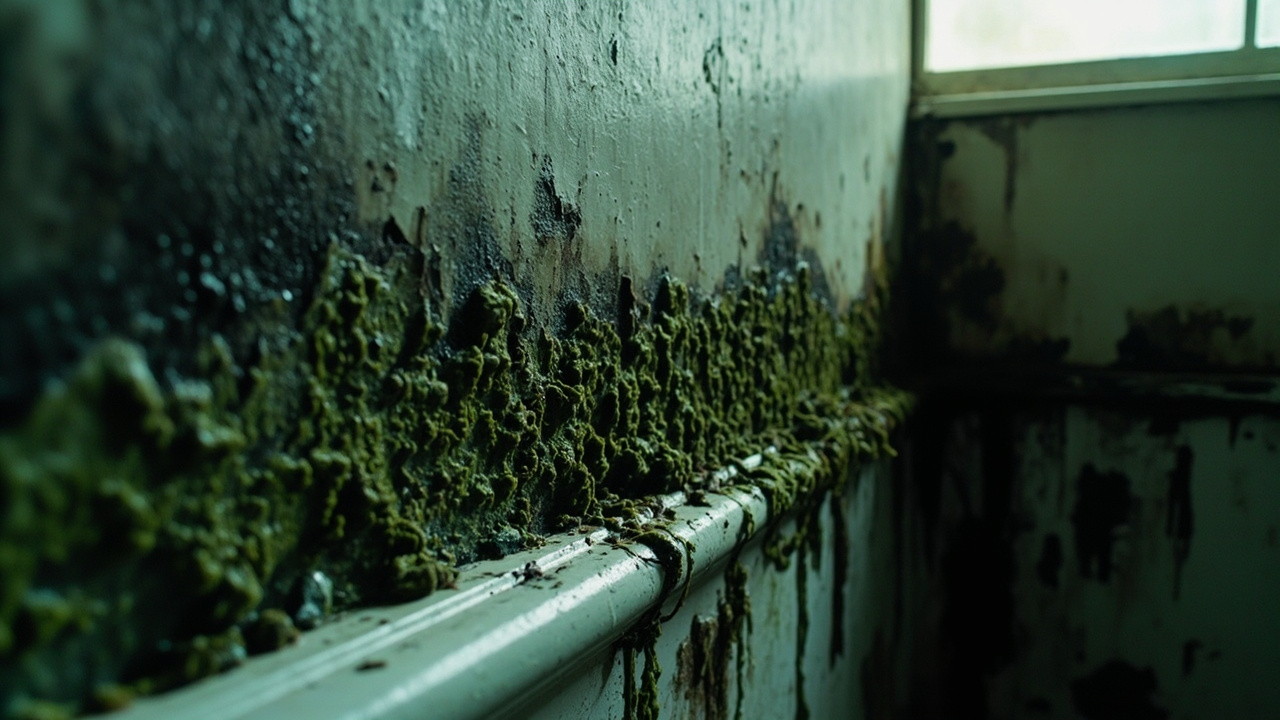
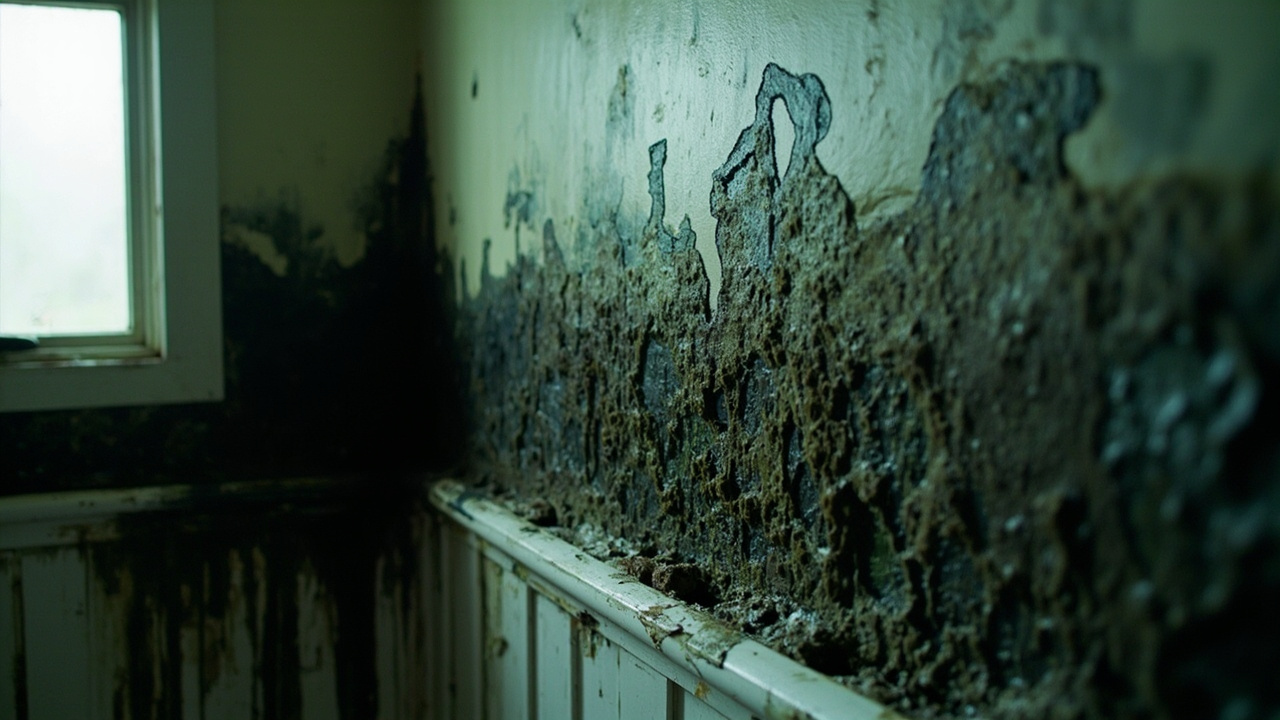
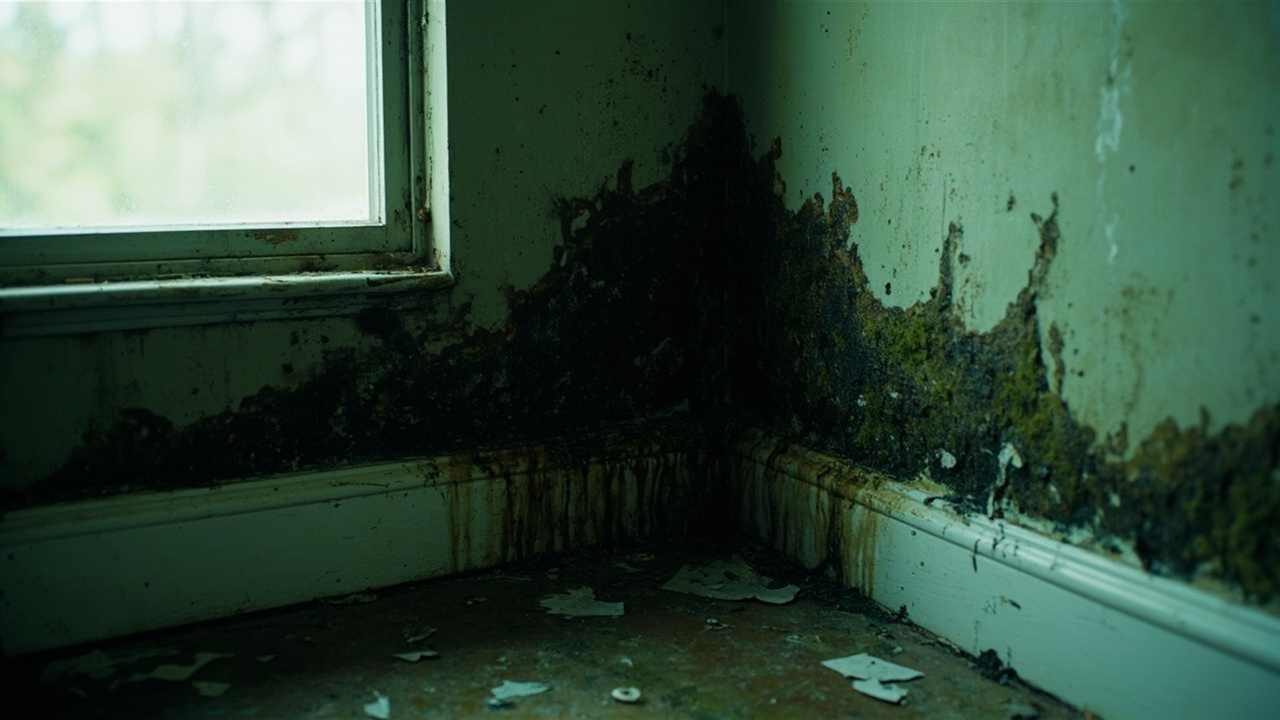
Black mold spots on drywall do not appear randomly. They signal active moisture intrusion behind the surface. That dark patch near your baseboard? It means water is wicking up from your foundation or leaking from a pipe chase. Those mold patches on sheetrock in your upstairs bathroom? They point to a ventilation failure or slow roof leak that has been feeding fungal growth on wall surfaces for months.

Buffalo's freeze-thaw cycles make this worse. Ice dams push water under shingles. Pipes burst in exterior walls during January cold snaps. Basement walls crack as soil expands and contracts. Each event introduces moisture that turns into a mold problem if not dried within 48 hours.

You might see fuzzy green growth near windowsills, black streaks behind furniture, or discolored patches around ceiling corners. The visible stuff is only part of the problem. Mold spreads through wall cavities, releasing spores into your HVAC system and compromising indoor air quality.

Ignoring visible mold growth on walls does not make it go away. It spreads. It damages building materials. It creates respiratory hazards for occupants, especially children and anyone with asthma. The longer you wait, the more expensive the fix becomes.

Why Buffalo Walls Develop Mold Faster Than You Think
How We Remove Mold and Fix the Source Problem

How We Remove Mold and Fix the Source Problem

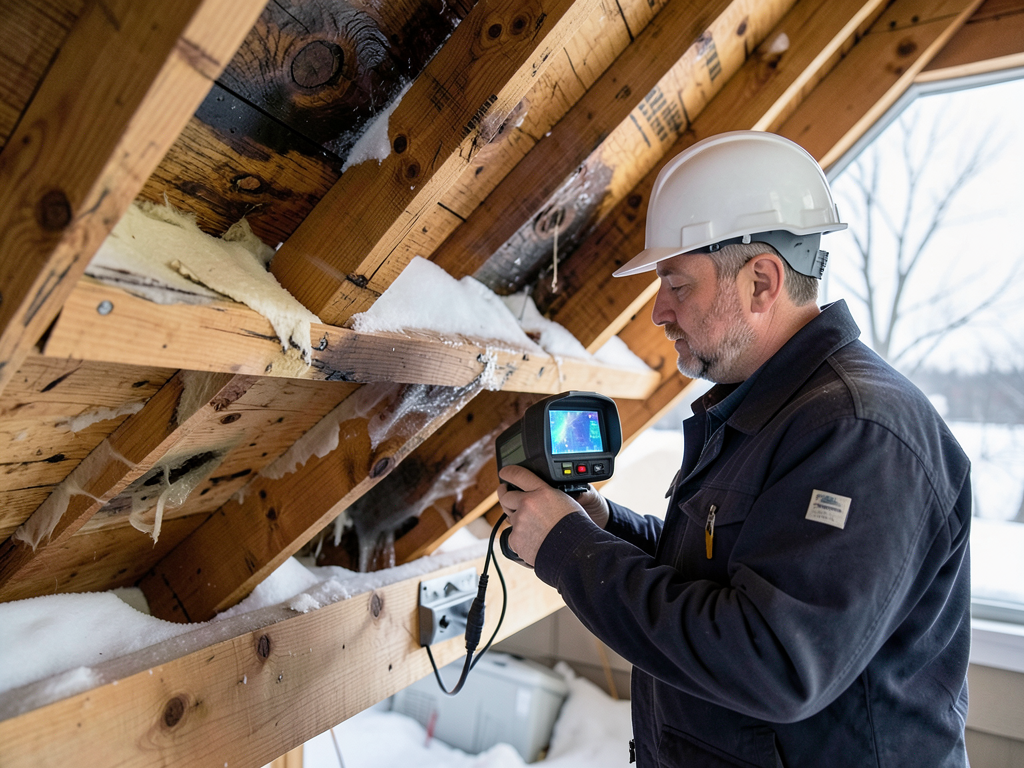
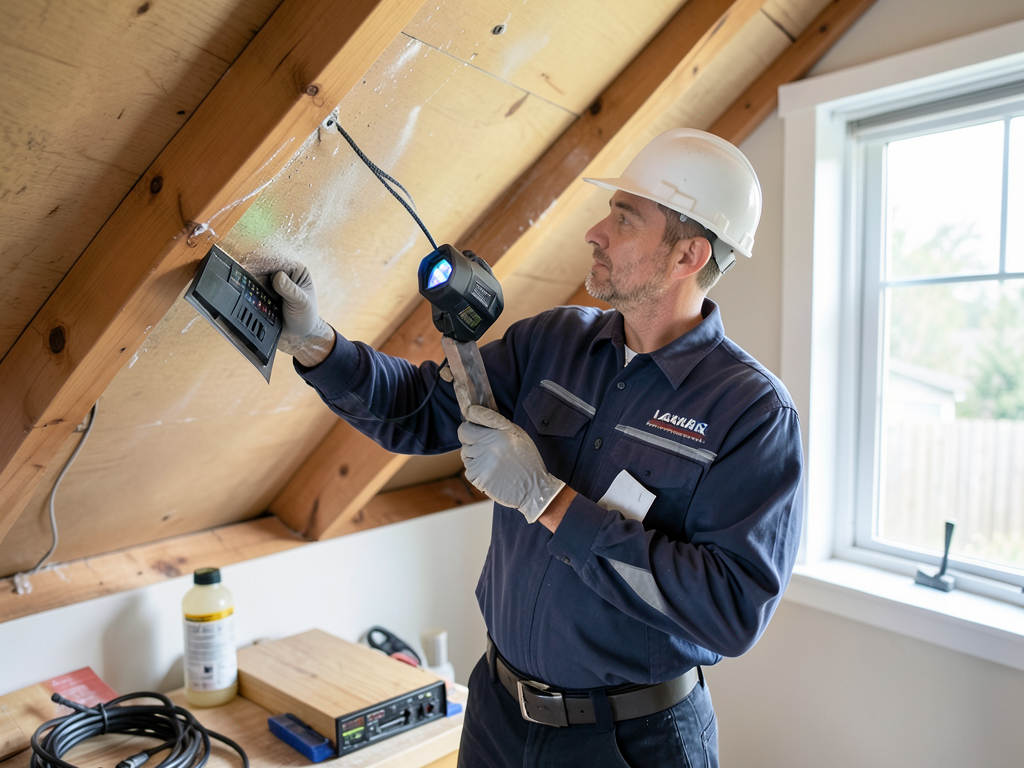
Surface cleaning does not solve mold problems. You need source control and proper remediation protocols. We start with moisture mapping using thermal imaging cameras and hygrometers to locate hidden water intrusion points. That black mold spot you see is just the symptom. We find the leak, the condensation point, or the drainage failure causing it.

Once we identify the moisture source, we establish containment barriers with negative air pressure to prevent cross-contamination during removal. HEPA filtration captures airborne spores before they spread to clean areas of your property. We remove compromised materials, not just the visible growth. If mold has colonized drywall paper or insulation, those materials come out.

Next comes antimicrobial treatment of structural elements like studs and sheathing. We apply EPA-registered fungicides to kill remaining spores and inhibit regrowth. This is not the same as spraying bleach on a wall. We treat the substrate, not just the surface.

Drying is critical. We deploy commercial dehumidifiers and air movers to reduce relative humidity below 50 percent. Mold cannot grow without moisture. We monitor conditions with data loggers until readings confirm dry conditions throughout affected wall cavities.

Finally, we address the source. If a plumbing leak caused the problem, we coordinate repairs. If condensation is the issue, we recommend ventilation improvements or insulation upgrades. If foundation water is seeping through masonry, we discuss drainage solutions.

Alpha Water Damage Restoration Buffalo follows IICRC S520 standards for mold remediation. That means documented procedures, proper PPE, and post-remediation verification testing when appropriate. We do not cut corners or hide problems behind new paint.

What Happens During Your Mold Remediation

Visible Mold Growth on Walls in Buffalo – Fast Diagnosis and Complete Remediation Before It Spreads
01

Initial Assessment and Containment

We inspect all affected areas with moisture meters and thermal cameras to map the full extent of water damage and mold colonization. You see the black mold spots on drywall, but our equipment reveals hidden growth behind baseboards and inside wall cavities. We establish physical containment with polyethylene barriers and negative air machines before disturbing any moldy materials to prevent spore dispersal.
02

Removal and Treatment

Our technicians remove all compromised building materials, including drywall, insulation, and trim where fungal growth on wall surfaces has penetrated porous substrates. We HEPA-vacuum all framing members and apply antimicrobial solutions to remaining structural elements. Air scrubbers run continuously during this phase to capture airborne spores. We bag and dispose of all moldy materials according to local regulations.
03

Drying and Verification

After treatment, we dry all affected areas using industrial dehumidifiers and air movers until moisture readings return to normal ranges. We document conditions with daily logs and take post-remediation photos. When moisture levels stabilize below 16 percent in wood framing and relative humidity drops below 50 percent, we remove containment barriers. The space is now ready for reconstruction with verified dry, mold-free conditions.

Why Buffalo Property Owners Trust Local Mold Experts

Buffalo buildings have unique vulnerabilities that out-of-town contractors miss. We know how lake-effect moisture impacts older brick homes in Elmwood Village. We understand how poor attic ventilation in post-war Cape Cods creates condensation problems. We have seen how foundation walls in Allentown properties wick moisture during spring thaws.

This local knowledge matters when diagnosing why mold patches on sheetrock keep returning after surface cleaning. A contractor from outside the area might blame high indoor humidity. We know to check for ice dam damage, failed flashing around dormers, or inadequate crawl space ventilation common in Buffalo's housing stock.

Alpha Water Damage Restoration Buffalo works with local insurance adjusters who understand regional water damage patterns. When you file a claim for visible mildew on painted walls after a pipe burst, we provide documentation that supports your case because we speak the same language as Erie County adjusters.

We also coordinate with Buffalo building inspectors on commercial projects. If you are remediating wall mold infestation in a multi-unit property or retail space, we know what the City of Buffalo requires for occupancy clearance. We handle the paperwork, the air quality testing, and the final walkthrough so you can get tenants or customers back in quickly.

Speed matters with mold. We dispatch crews within hours, not days. Our equipment stays in Buffalo, not in a regional hub three hours away. When you call about black mold spots on drywall spreading in your basement, we arrive with containment supplies, HEPA vacuums, and moisture meters ready to work.

Local also means accountability. We live here. Our reputation depends on doing the job right the first time because we will see you at Wegmans or pass your building on Delaware Avenue.

What to Expect When You Call About Wall Mold

Rapid Response Timeline

We dispatch an assessment team within four hours of your call. Mold spreads quickly once established, so delays turn small problems into major remediation projects. Our technician arrives with diagnostic equipment to map moisture levels and document visible growth. You get a written scope of work and timeline before we start any removal. Most residential wall mold projects complete within three to five days from assessment to final clearance.

Comprehensive Moisture Investigation

Surface mold tells only part of the story. Our assessment includes thermal imaging to find hidden water sources, moisture meter readings in wall cavities, and relative humidity measurements in occupied spaces. We trace plumbing lines, check roof penetrations, and inspect foundation walls for seepage patterns. You get a detailed report explaining what caused the fungal growth on wall surfaces and what needs repair to prevent recurrence.

Complete Material Restoration

After mold removal and antimicrobial treatment, we restore walls to pre-loss condition or better. This includes new drywall installation, primer with mold-inhibiting properties, texture matching, and finish painting. We coordinate with licensed plumbers or roofers if source repairs require trades work. You get one point of contact managing the entire project from mold discovery through final cosmetic restoration.

Post-Remediation Documentation

We provide complete photographic documentation showing conditions before remediation, during containment and removal, and after final clearance. You receive moisture readings proving dry conditions, antimicrobial product data sheets, and disposal receipts for removed materials. If your insurance company or a future home buyer requests mold remediation records, you have professional documentation proving the work was done correctly according to industry standards.

Frequently Asked Questions

You Have Questions,
We Have Answers

What to do if I see mold on my wall? +

Stop touching it. Mold releases spores when disturbed. First, identify the moisture source. In Buffalo, check for ice dam leaks, condensation from poor insulation, or plumbing issues common in older homes. Ventilate the area and keep humidity below 50%. Do not paint over it or bleach it. Bleach kills surface mold but not the roots. Small patches under 10 square feet can be cleaned with detergent and water, but you need protective gear. Larger areas, black mold, or recurring growth require professional remediation. Document everything with photos for insurance claims.

Can mold make a baby cough? +

Yes. Mold spores irritate airways and trigger coughing, wheezing, and respiratory distress in infants. Babies have developing immune systems and breathe faster than adults, so they inhale more spores per body weight. Buffalo's humid summers and poorly ventilated older homes create ideal mold conditions. If your baby coughs without fever or cold symptoms, especially near damp walls or basements, mold exposure is likely. Remove the baby from the area immediately. A pediatrician can assess respiratory damage. Address the mold source fast. Infants can develop asthma or chronic respiratory issues from prolonged exposure.

Can mold cause twitching? +

Potentially. Mycotoxins from certain mold species affect the nervous system and cause muscle twitching, tremors, or spasms. Black mold and Stachybotrys produce neurotoxins that disrupt nerve signals. Symptoms vary by exposure level and individual sensitivity. Buffalo homes with basement flooding or roof leaks often harbor hidden mold behind walls. If you experience unexplained twitching along with headaches, dizziness, or brain fog, mold exposure is a possible cause. See a doctor for neurological evaluation. Remove yourself from the contaminated environment. Twitching alone does not confirm mold, but combined symptoms warrant immediate investigation and remediation.

Does black mold affect pregnancy? +

Yes. Mold exposure during pregnancy increases risks for respiratory complications, preterm birth, and developmental issues. Pregnant women have suppressed immune systems, making them more vulnerable to mycotoxin effects. Black mold releases toxins that cross the placental barrier and affect fetal development. Buffalo's older housing stock and freeze-thaw cycles create moisture problems that fuel mold growth. If you are pregnant and see mold, leave the area. Do not attempt cleanup yourself. Hire certified remediation professionals. Symptoms like persistent coughing, shortness of breath, or sinus infections need immediate medical attention. Protect your health and your baby's development.

What kills mold permanently on walls? +

Nothing kills mold permanently unless you eliminate the moisture source. Mold is a living organism that regrows when conditions return. For hard surfaces, use detergent and water or a commercial fungicide. Vinegar or hydrogen peroxide works for small areas. Buffalo's humid climate and aging infrastructure mean moisture control is critical. Fix leaks, improve ventilation, and maintain humidity below 50%. Porous materials like drywall or insulation must be removed and replaced. Professionals use antimicrobial treatments and encapsulation, but without moisture control, mold returns. Address the cause, not just the symptom.

Will mold go away if it dries out? +

No. Drying out mold stops active growth but does not kill it. Dormant mold spores remain and reactivate when moisture returns. In Buffalo, basements dry out in winter but flood again in spring thaw or summer storms. Dead mold is still toxic. Spores and mycotoxins persist on surfaces and become airborne when disturbed. You must physically remove mold, not just dry it. Vacuuming or wiping spreads spores. Professional remediation includes HEPA filtration and containment. Drying is step one, but removal and moisture prevention are required to prevent regrowth. Do not assume dry mold is safe.

What are the first signs of mold sickness? +

Persistent coughing, sinus congestion, headaches, and fatigue are early signs. You may notice itchy eyes, skin rashes, or throat irritation. Buffalo residents often mistake mold sickness for seasonal allergies due to similar symptoms. Brain fog, memory issues, and mood changes indicate more serious exposure. Symptoms worsen in the contaminated space and improve when you leave. If multiple family members show respiratory issues simultaneously, suspect mold. Asthmatics and children react faster. Do not ignore chronic symptoms. See a doctor and inspect your home for visible growth, musty odors, or water damage, especially in basements and attics.

Can air purifiers remove mold spores? +

Air purifiers with true HEPA filters capture airborne mold spores but do not remove the source. Purifiers reduce spore concentration and limit exposure, but mold keeps releasing new spores from walls, ceilings, or hidden areas. In Buffalo homes with poor ventilation, purifiers provide temporary relief. They help during remediation but are not a solution. You must eliminate the mold colony and fix moisture problems. Use purifiers as part of a broader strategy. Place them in high-risk areas like basements or bedrooms. Change filters regularly. Purifiers improve air quality but do not replace professional mold removal.

How do I tell if mold is in my lungs? +

You cannot self-diagnose mold in your lungs. Symptoms include persistent cough, chest tightness, shortness of breath, and wheezing that worsens over time. Coughing up blood or dark mucus indicates severe infection. Buffalo's damp climate and older housing increase exposure risk. If you suspect lung involvement, see a pulmonologist immediately. Doctors use chest X-rays, CT scans, or sputum cultures to detect fungal infections like aspergillosis. Do not wait. Mold in lungs can cause permanent scarring or invasive infections in immunocompromised individuals. Early detection improves outcomes. Remove yourself from the mold source and seek medical evaluation.

Is brain damage from mold reversible? +

It depends on severity and duration. Mild cognitive symptoms like brain fog or memory lapses often improve after removing mold exposure. Your brain can recover from inflammation caused by mycotoxins. Severe or prolonged exposure may cause permanent neurological damage. Buffalo residents in water-damaged homes for years face higher risks. If you experience confusion, balance issues, or personality changes, see a neurologist immediately. Treatment includes detoxification support and removing the mold source. Recovery takes months. Some symptoms linger. Early intervention is critical. Do not assume brain damage is permanent, but do not delay action. Professional remediation and medical care are essential.

How Buffalo's Lake-Effect Climate Accelerates Wall Mold Problems

Buffalo receives over 95 inches of snow annually, but the real mold threat comes from what happens when that snow melts. Lake-effect precipitation creates constant humidity cycling through building envelopes. Exterior walls stay cold while interior spaces run forced-air heat, creating temperature differentials that promote condensation inside wall cavities. Older homes in North Buffalo and South Buffalo lack continuous vapor barriers, so moisture migrates freely through walls. Add ice dams that force water under roofing and you get perfect conditions for black mold spots on drywall to develop within days of a winter storm.

Buffalo property owners need remediation contractors who understand regional building methods and local climate stressors. Alpha Water Damage Restoration Buffalo has worked in every neighborhood from Black Rock to Kaisertown. We know which building eras have balloon framing that spreads mold vertically, which foundation types are prone to seepage during spring thaws, and how Buffalo's historic preservation requirements affect remediation in Allentown or the Elmwood Village. Local knowledge means faster diagnosis and fewer surprises during demolition.

Water Damage Restoration Services in The Buffalo Area

Although we offer rapid mobile service across the entire Buffalo area and surrounding regions, we invite you to view our service area map to confirm our commitment to your community. We are always ready to deploy our expert teams directly to your residential or commercial property, ensuring the fastest possible response time when you need water damage restoration most, right where you are.

Address:
Alpha Water Damage Restoration Buffalo, 369 Washington St, Buffalo, NY, 14203

Additional Services We Offer

Our news updates

Latest Articles & News from The Blogs

The importance of microbial swabbing after a sewer backup in your Lackawanna basement When sewage backs up into your Lackawanna…

The importance of microbial swabbing after a sewer backup in your Lackawanna basement

The importance of microbial swabbing after a sewer backup in your Lackawanna basement When sewage backs up into your Lackawanna…

Simple ways to prevent your pipes from freezing in an unheated North Buffalo crawlspace

Simple ways to prevent your pipes from freezing in an unheated North Buffalo crawlspace Buffalo’s brutal winters and lake-effect snow…

Keeping your kids and pets safe during a home restoration project in Kenmore

Keeping your kids and pets safe during a home restoration project in Kenmore\n\nHome restoration after water damage creates unique safety…

Contact Us

Visible mold means hidden damage. Call Alpha Water Damage Restoration Buffalo at (716) 317-7717 for same-day assessment. We identify the moisture source, contain the problem, and restore your property to safe conditions.