menu

Water Stains on Drywall in Buffalo – Expert Diagnosis and Permanent Repair Solutions

From identifying hidden moisture sources to preventing mold growth, we diagnose water stains on drywall correctly the first time and fix the underlying problem before cosmetic repair begins.

Slider Image 1
Slider Image 2
Slider Image 3
Slider Image 4
Slider Image 5
Slider Image 7
Slider Image 8
Slider Image 9
Slider Image 10
Slider Image 11

Why Buffalo Homes Develop Stubborn Water Stains on Walls and Ceilings

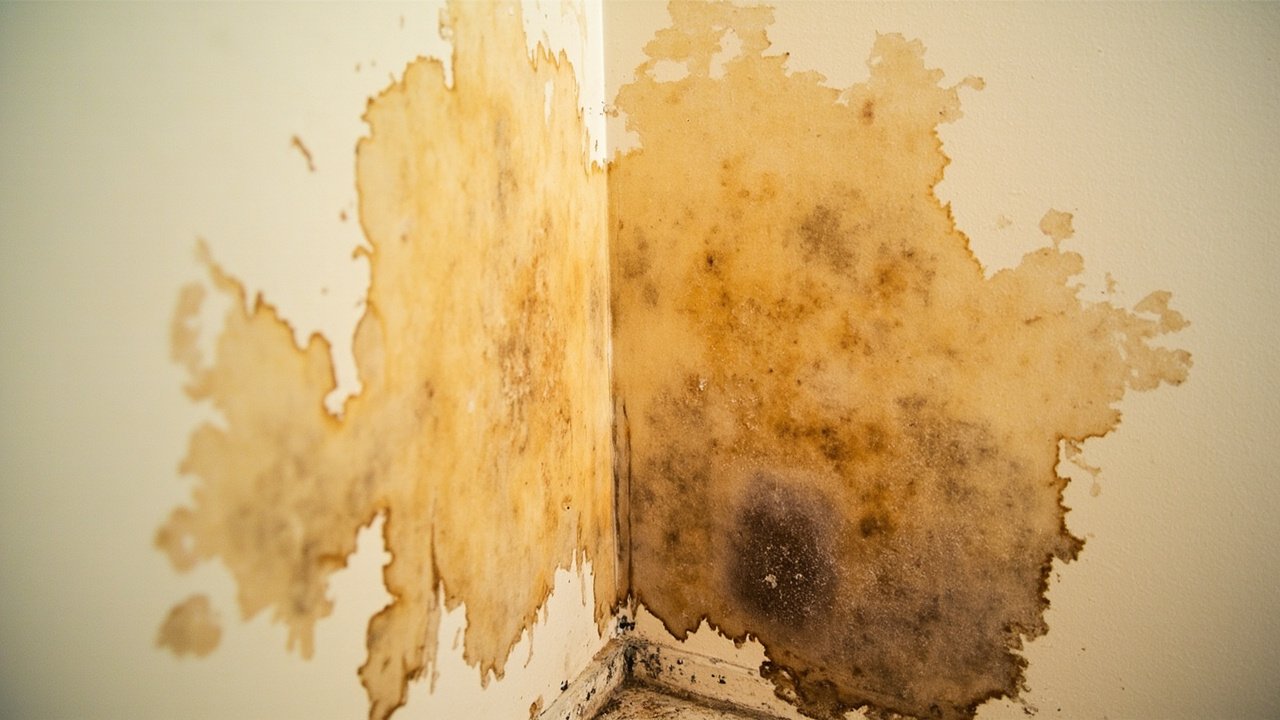
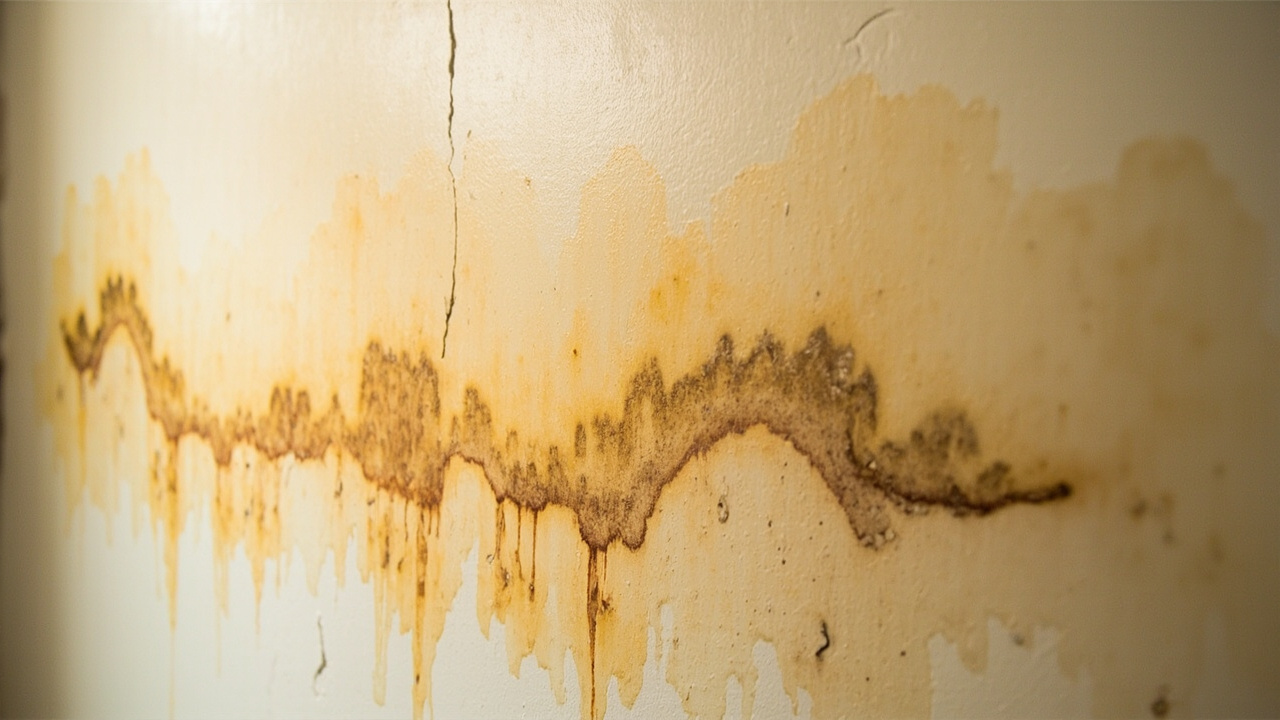
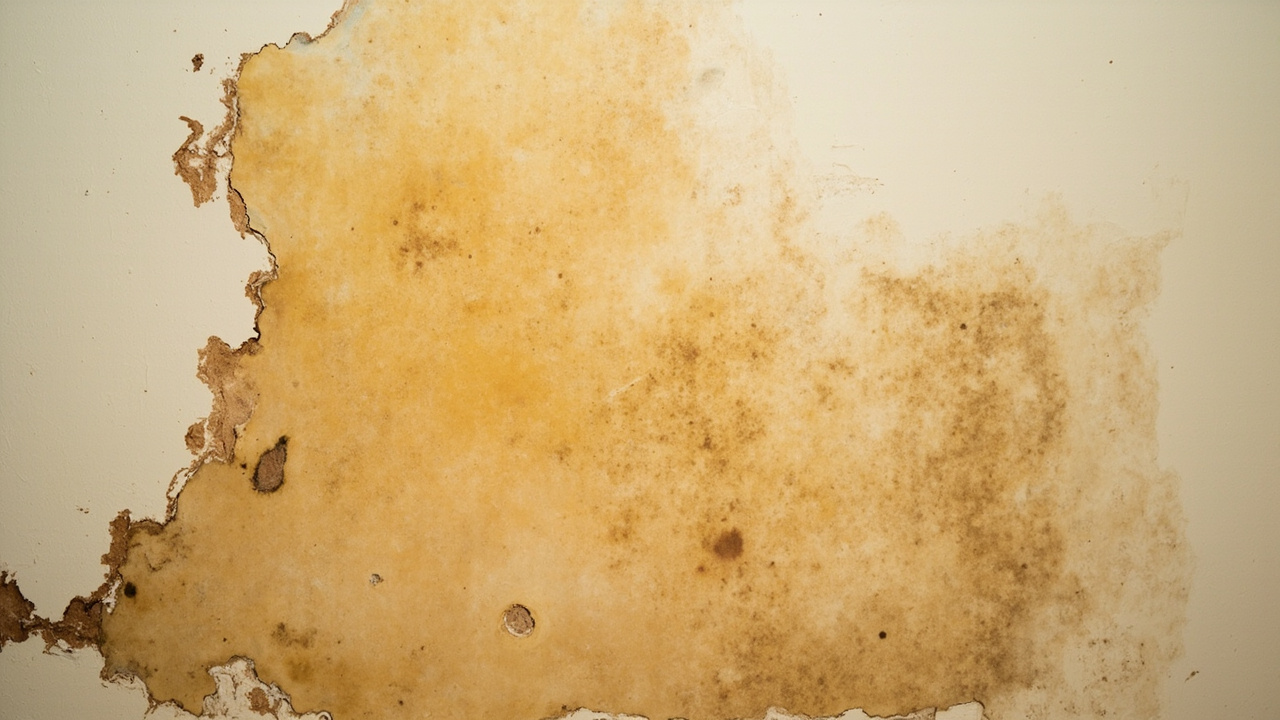
You notice brown water spots on walls in your upstairs bedroom. Yellow stains on drywall spread across the ceiling in the hallway. Moisture discoloration on sheetrock appears after a heavy snowmelt. You paint over it. Two months later, the water marks on ceiling return, darker and larger.

Buffalo's freeze-thaw cycles create the perfect storm for water intrusion. Snow accumulates on roofs during January and February. When temperatures spike to 40 degrees, rapid melting overwhelms gutters and finds entry points through worn flashing or ice dam damage. Water migrates into wall cavities and insulation. You see wet patches on plasterboard, but the real damage hides behind the surface.

Many older Buffalo homes feature plaster walls over wood lath, common in neighborhoods like Elmwood Village and Allentown. When water infiltrates these assemblies, it spreads laterally before surfacing as visible stains. The discoloration you see today started weeks ago. The longer water sits in wall cavities, the higher the risk of structural decay and mold colonization.

Lake Erie's humidity compounds the problem. Summer dew points regularly hit 65 to 70 degrees. Poor attic ventilation traps moisture. Bathroom exhaust fans vent into attic spaces instead of outside. Condensation forms on cold surfaces during winter. All of these moisture sources create water stains that homeowners mistake for old roof leaks or plumbing failures.

Ignoring brown water spots on walls invites secondary damage. Drywall paper feeds mold growth. Wet insulation loses R-value. Wood framing begins to rot. The stain is a symptom. The moisture source is the disease.

Why Buffalo Homes Develop Stubborn Water Stains on Walls and Ceilings
How We Diagnose and Eliminate Water Stains at the Source

How We Diagnose and Eliminate Water Stains at the Source

Most contractors cover water stains with primer and paint. The stain returns in six months because no one addressed the moisture source. We approach water stains on drywall as diagnostic opportunities.

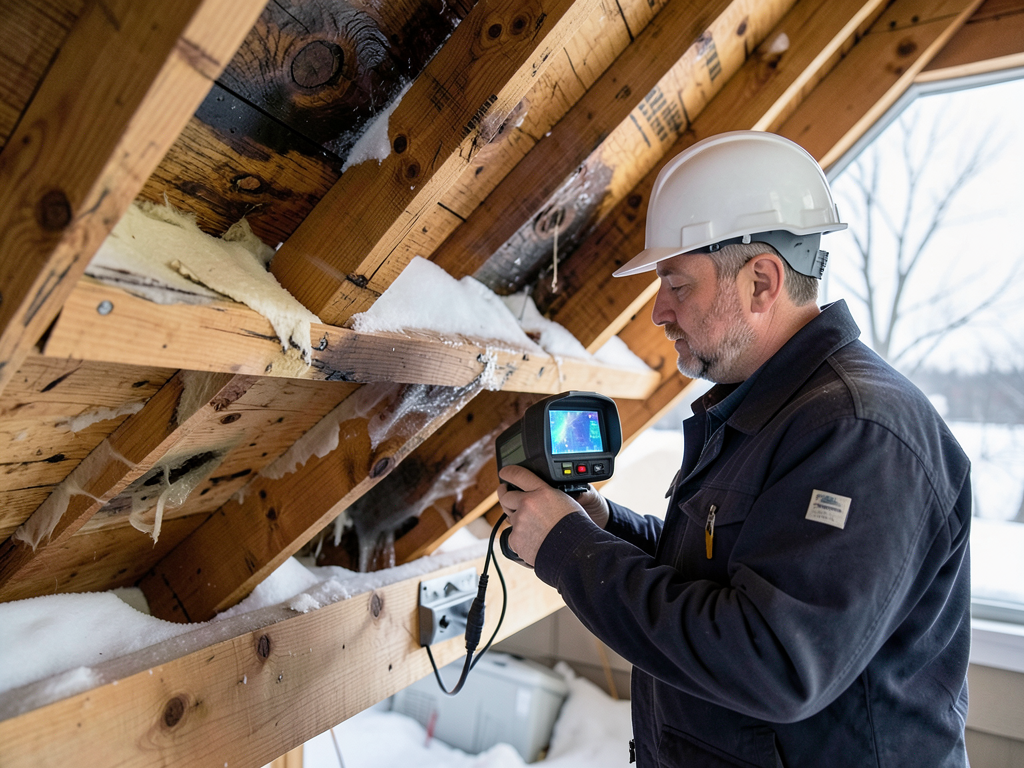
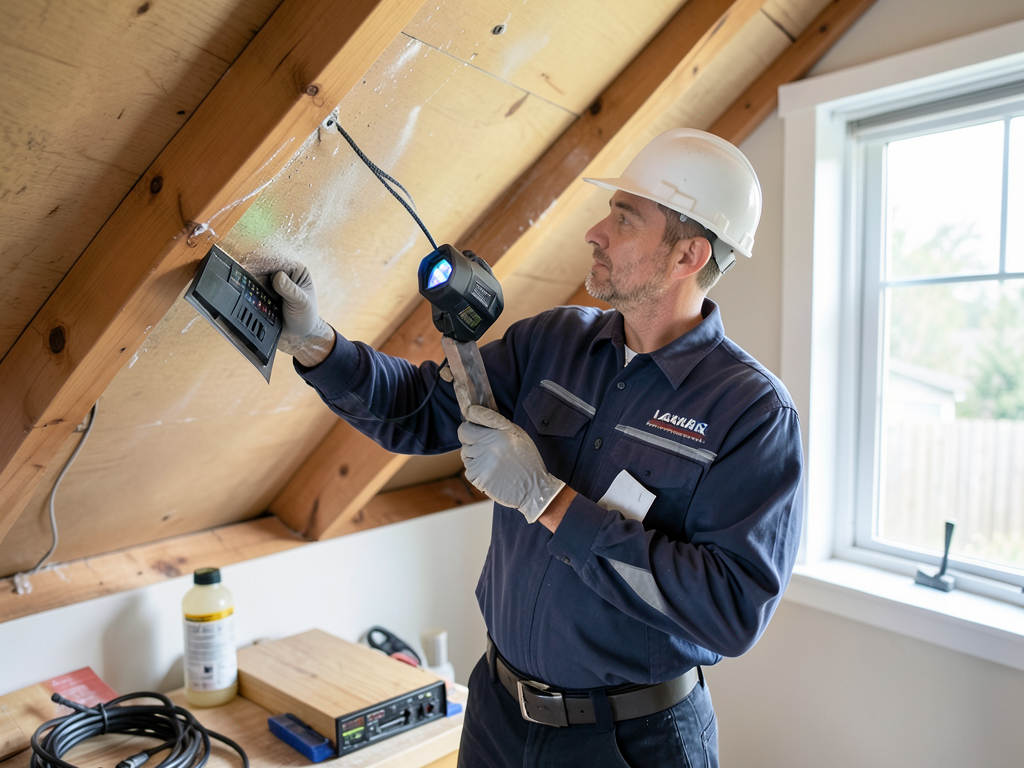
We start with thermal imaging cameras to map temperature differentials across walls and ceilings. Cold spots indicate active moisture or missing insulation. We use calibrated moisture meters to measure moisture content in drywall, plaster, and framing. Readings above 16 percent indicate active water intrusion. Readings above 20 percent demand immediate intervention.

Next, we trace the water path. Roof leaks present differently than plumbing leaks. Condensation stains differ from ice dam damage. We inspect attic spaces for proper ventilation, check roof penetrations for failed sealant, and examine plumbing fixtures for slow leaks. We pull small inspection holes in strategic locations to assess cavity conditions without unnecessary demolition.

Once we identify the source, we eliminate it before touching the stain. If the problem is a failed valley flashing, we coordinate roof repair. If a bathroom fan dumps humid air into the attic, we reroute the ductwork. If a second-floor bathroom has a pinhole leak in the supply line, we replace the damaged section.

After source elimination, we assess the affected drywall. Surface staining gets treated with stain-blocking primer. Drywall with compromised structural integrity gets replaced. We never encapsulate mold. If mold is present, we follow IICRC S520 remediation protocols, remove contaminated materials, and treat framing with antimicrobial solutions.

The final step is monitoring. We take post-remediation moisture readings and schedule follow-up inspections after the next major weather event. If readings stay below 12 percent, the repair is successful.

What Happens During a Water Stain Inspection and Repair

Water Stains on Drywall in Buffalo – Expert Diagnosis and Permanent Repair Solutions
01

Moisture Mapping and Source Tracing

We arrive with thermal imaging and moisture detection equipment. You show us the water marks on ceiling or brown water spots on walls. We scan adjacent areas to find hidden moisture. Most stains have a larger moisture footprint than visible discoloration suggests. We document findings with photos and moisture content readings. This data guides our repair strategy and provides documentation for insurance claims if needed.
02

Source Elimination and Material Assessment

After identifying the moisture source, we stop the water intrusion. This might involve temporary roof patching, shutting off a leaking supply line, or installing a dehumidifier to control condensation. We then assess damaged materials. Wet patches on plasterboard get probed to check structural integrity. If drywall is soft, delaminated, or shows mold growth, we mark it for removal. We never proceed with cosmetic repair while active moisture persists.
03

Remediation and Permanent Repair

We remove compromised drywall and treat exposed framing if mold is present. Replacement drywall gets installed after moisture readings return to normal. We apply stain-blocking primer to prevent tannin bleed-through, then finish with texture-matched compound and paint. Before final paint, we recheck moisture levels. You receive a written summary of the source problem, the repair completed, and maintenance recommendations to prevent recurrence in Buffalo's challenging climate.

Why Buffalo Homeowners Trust Alpha Water Damage Restoration Buffalo for Water Stain Diagnosis

Buffalo homes demand specialists who understand regional construction and climate challenges. We work daily with the building styles common to North Buffalo, South Buffalo, and the East Side. We know which homes have cast iron plumbing prone to pinhole leaks. We recognize the signs of failed ice dam protection in older roofing systems. We understand how Lake Erie humidity affects homes near the waterfront differently than properties in Clarence or Amherst.

Our team holds IICRC certifications in Water Damage Restoration and Applied Microbial Remediation. We follow industry protocols, not shortcuts. When we encounter yellow stains on drywall in a 1920s bungalow, we account for plaster substrates and knob-and-tube wiring. When we inspect moisture discoloration on sheetrock in a 1980s ranch, we check for failed building wrap and window flashing.

We also understand Buffalo's insurance landscape. Many homeowners discover their claim gets denied because an adjuster classified the damage as long-term seepage rather than sudden water intrusion. We document conditions thoroughly and provide detailed moisture maps that support legitimate claims. Our reports include before-and-after moisture readings, thermal images, and source documentation.

You need a company that solves the problem, not one that hides it under paint. We have seen too many botched repairs where contractors skim-coated over active mold or ignored ongoing leaks. Those homeowners paid twice, first for the cover-up and again for proper remediation when the stain returned.

We also respond quickly. Water damage worsens by the hour. A small stain today becomes a mold colony in 48 hours if conditions are right. We answer calls seven days a week and provide same-day inspections for active leaks or emergency situations.

What to Expect When You Call Alpha Water Damage Restoration Buffalo

Response Time and Availability

We schedule inspections within 24 hours for non-emergency water stains. If you have active water intrusion or spreading moisture, we provide same-day response. Our team works seven days a week during Buffalo's peak water damage seasons, including spring snowmelt and summer storm periods. You will speak directly with a technician, not a call center. We provide upfront appointment windows and call 30 minutes before arrival. Emergency situations get prioritized, but we respect your time for scheduled inspections.

Comprehensive Moisture Assessment

Your inspection includes thermal imaging, moisture meter readings, and visual examination of potential water sources. We check attics, crawl spaces, and adjacent rooms to map the full extent of moisture intrusion. You receive a written assessment that explains the moisture source, the affected materials, and our recommended repair scope. We also provide photos and moisture content data. If insurance is involved, we format documentation to meet adjuster requirements. The inspection typically takes 60 to 90 minutes depending on home size and stain complexity.

Quality of Repair and Material Selection

We match existing wall texture and use mold-resistant drywall in moisture-prone areas like bathrooms and kitchens. All stain-blocking primers are oil-based or shellac-based to prevent tannin bleed-through. We do not use water-based sealers on severe stains because they fail. Finish paint matches your existing wall color, and we feather edges to blend repairs seamlessly. If structural framing shows rot, we replace damaged sections rather than sistering over compromised wood. You get a repair built to last, not a cosmetic patch.

Follow-Up and Prevention Guidance

After repair, we provide a follow-up inspection during the next moisture-prone season. If we repaired ice dam damage, we return after the first major snowfall to verify the fix holds. If we addressed a plumbing leak, we check surrounding areas for additional moisture after 30 days. You also receive written maintenance recommendations specific to your home and the moisture source we corrected. This might include gutter cleaning schedules, attic ventilation improvements, or dehumidifier recommendations. Our goal is permanent resolution, not repeat business.

Frequently Asked Questions

You Have Questions,
We Have Answers

How do you get water stains out of drywall? +

You cannot remove water stains from drywall without first fixing the source of the leak. Once dry, seal the stain with a stain-blocking primer like Kilz or BIN shellac-based primer. This prevents bleed-through when you repaint. If the drywall feels soft, crumbly, or shows mold growth, you need replacement, not paint. Buffalo homes with older plumbing or ice dam issues often have hidden moisture that reactivates stains. If the stain reappears after priming, you have active moisture. Call a professional to identify the leak before cosmetic fixes.

How to tell if water is leaking behind drywall? +

Look for soft or bulging drywall, discoloration, peeling paint, or a musty smell. Press the wall gently. If it feels spongy or gives under pressure, water is trapped behind it. Buffalo winters cause freeze-thaw cycles that crack pipes inside walls. Listen for dripping sounds or check your water meter when all fixtures are off. If the meter still runs, you have a hidden leak. Infrared cameras detect temperature differences caused by wet insulation. Do not wait. Moisture behind drywall breeds mold within 24 to 48 hours.

Are water stains permanent on walls? +

Water stains are not permanent if you address the moisture source and treat the surface correctly. The stain itself is mineral deposits or tannins that bleed through standard paint. Use a stain-blocking primer to seal it before repainting. If you skip this step, the stain will reappear. Buffalo homes with hard water often see yellowing or rust-colored stains from dissolved minerals. If the drywall paper is damaged or mold is present, replacement is necessary. Surface stains are fixable. Structural damage is not.

Can I paint over water stained drywall? +

You can paint over water-stained drywall only after the area is completely dry and you apply a stain-blocking primer. Regular paint will not cover the stain. It will bleed through within days. Use oil-based or shellac-based primer for best results. If the drywall is soft, warped, or shows mold, painting is useless. You need replacement. Buffalo humidity and older homes with poor ventilation make drywall slow to dry. Use fans and dehumidifiers. If unsure, hire a professional to test moisture levels before painting.

Is drywall ruined once it gets wet? +

Drywall is not always ruined when wet, but time matters. If dried within 48 hours and the material stays firm, it may be salvageable. If the paper facing delaminates, the gypsum core crumbles, or mold appears, replacement is required. Buffalo homes face high humidity and freeze-thaw cycles that worsen water damage. Category 2 or 3 water (toilet overflows, sewage backups) always requires removal due to contamination. Clean water from a burst pipe may allow drying if caught early. Professional moisture meters determine if drywall is salvageable.

Are water spots on paint permanent? +

Water spots on paint are not permanent if you treat them correctly. The spot is mineral residue or tannin bleed-through from the substrate. Clean the surface, let it dry completely, then apply a stain-blocking primer before repainting. If the spot returns, you have active moisture. Buffalo homes with ice dams or poor attic ventilation often see recurring water spots on ceilings. Do not keep repainting the same spot. Find the leak first. If the paint is peeling or bubbling, the drywall underneath may be compromised.

How long can drywall be wet before mold? +

Mold can start growing on wet drywall within 24 to 48 hours under the right conditions. Buffalo humidity, especially in basements and older homes without proper ventilation, accelerates mold growth. Temperature, airflow, and the type of water matter. Clean water dries faster than contaminated water. Once mold takes hold, it spreads quickly through porous drywall. If you cannot dry the area within two days, call a professional. Fans and dehumidifiers help, but hidden moisture inside wall cavities requires specialized equipment to detect and dry.

What are the first signs of water damage on walls? +

The first signs of water damage on walls are discoloration, soft or bulging drywall, peeling paint, and a musty odor. You might see yellowish or brown stains, especially near ceilings or baseboards. Buffalo homes often show ceiling stains from ice dams or attic condensation. Press the wall. If it feels spongy, water is trapped inside. Check for efflorescence, a white chalky residue from mineral deposits. If you see mold or feel dampness, act fast. Water damage worsens quickly and leads to structural issues and health risks.

Does homeowners insurance cover water leaks in walls? +

Homeowners insurance may cover water leaks in walls if the damage is sudden and accidental, like a burst pipe. Gradual damage from poor maintenance, slow leaks, or aging plumbing is usually excluded. Buffalo winter freeze damage may be covered if pipes burst unexpectedly. Review your policy. Some exclude basement water damage or require separate flood insurance. Document the damage with photos and call your insurer immediately. If mold develops due to delayed response, coverage may be denied. A professional water damage assessment helps support your claim.

Why do I have water marks on my walls but no leak? +

Water marks without an obvious leak often come from condensation, humidity, or hidden plumbing issues. Buffalo homes with poor insulation or ventilation see condensation on cold walls, especially in winter. Humid bathrooms without exhaust fans cause moisture to seep into drywall. Ice dams on roofs melt and leak into wall cavities without visible dripping. Slow pinhole leaks inside walls show stains before you see water. High indoor humidity from cooking, showering, or drying clothes indoors also causes staining. Use a dehumidifier and check attic ventilation.

How Buffalo's Freeze-Thaw Cycles and Lake Effect Snow Create Persistent Water Stain Problems

Buffalo receives an average of 95 inches of snow annually, much of it from lake effect bands that dump heavy accumulation in short periods. When temperatures swing from 15 degrees to 40 degrees within 48 hours, rapid snowmelt overwhelms drainage systems. Ice dams form along roof eaves when heat loss from poorly insulated attics melts snow, and the runoff refreezes at the cold roof edge. Water backs up under shingles and infiltrates roof sheathing. You see the result as brown water spots on walls or wet patches on plasterboard weeks later. Homes in North Buffalo and West Seneca experience this cycle repeatedly each winter, making water stains a recurring issue without proper attic insulation and ventilation upgrades.

Buffalo's housing stock includes thousands of homes built between 1900 and 1950, many with original plaster walls and outdated roof systems. These homes were built before modern moisture barriers and ice dam protection became standard. Local contractors who understand historical construction methods recognize that water travels differently through plaster and lath compared to modern drywall. We work with Buffalo's building codes and preservation guidelines, particularly in protected historic districts. Our team knows when repairs require permits and how to coordinate with city inspectors. Choosing a water damage company unfamiliar with Buffalo's building stock risks improper repairs that fail inspection or violate local codes.

Water Damage Restoration Services in The Buffalo Area

Although we offer rapid mobile service across the entire Buffalo area and surrounding regions, we invite you to view our service area map to confirm our commitment to your community. We are always ready to deploy our expert teams directly to your residential or commercial property, ensuring the fastest possible response time when you need water damage restoration most, right where you are.

Address:
Alpha Water Damage Restoration Buffalo, 369 Washington St, Buffalo, NY, 14203

Additional Services We Offer

Our news updates

Latest Articles & News from The Blogs

The importance of microbial swabbing after a sewer backup in your Lackawanna basement When sewage backs up into your Lackawanna…

The importance of microbial swabbing after a sewer backup in your Lackawanna basement

The importance of microbial swabbing after a sewer backup in your Lackawanna basement When sewage backs up into your Lackawanna…

Simple ways to prevent your pipes from freezing in an unheated North Buffalo crawlspace

Simple ways to prevent your pipes from freezing in an unheated North Buffalo crawlspace Buffalo’s brutal winters and lake-effect snow…

Keeping your kids and pets safe during a home restoration project in Kenmore

Keeping your kids and pets safe during a home restoration project in Kenmore\n\nHome restoration after water damage creates unique safety…

Contact Us

Water stains spread and worsen without source elimination. Call Alpha Water Damage Restoration Buffalo at (716) 317-7717 for a thorough moisture assessment. We identify the problem, fix it permanently, and restore your walls and ceilings correctly.