

menu

Disaster Recovery Planning in Buffalo – Protect Your Operations Before the Next Water Emergency Hits

Alpha Water Damage Restoration Buffalo delivers actionable disaster recovery planning designed to minimize downtime, protect assets, and ensure your facility can respond immediately when flooding, pipe failures, or sewage backups threaten business continuity.

Slider Image 1
Slider Image 2
Slider Image 3
Slider Image 4
Slider Image 5
Slider Image 7
Slider Image 8
Slider Image 9
Slider Image 10
Slider Image 11

Buffalo's Flood Zones and Aging Infrastructure Create Predictable Commercial Water Risks

Buffalo sits at the confluence of the Buffalo River, Niagara River, and Lake Erie. This geography places commercial properties in established flood zones, particularly in the Lower West Side, Valley, and portions of South Buffalo. Winter freeze-thaw cycles stress aging municipal water lines and building plumbing systems. When a 6-inch main ruptures or a roof drain fails under spring melt conditions, your facility faces immediate operational disruption.

Most commercial property managers lack a pre-loss planning framework. You have fire evacuation plans and OSHA protocols, but no documented water damage response strategy. This gap costs you hours during the critical first response window. Business continuity planning requires facility-specific risk assessment, vendor pre-qualification, and documentation protocols before an incident occurs.

Buffalo's historic building stock adds complexity. Older warehouses in the Hydraulics district and converted industrial spaces in Larkinville have concealed plumbing, outdated drainage systems, and limited moisture barriers. These structures require tailored disaster restoration planning that accounts for structural vulnerabilities and code compliance requirements.

Effective commercial emergency response planning identifies your highest-risk systems, documents shutoff locations, establishes communication chains, and pre-positions vendor relationships. When a water event occurs, your team executes a documented plan rather than improvising under pressure. This preparation directly impacts loss severity, insurance claims processing, and recovery timeline.

Buffalo's Flood Zones and Aging Infrastructure Create Predictable Commercial Water Risks
How Alpha Water Damage Restoration Buffalo Builds Facility Contingency Planning That Works

How Alpha Water Damage Restoration Buffalo Builds Facility Contingency Planning That Works

We conduct on-site risk assessments specific to your facility type. A manufacturing plant faces different water risks than a medical office building or retail center. Our assessment identifies water sources, drainage pathways, vulnerable equipment, and critical operational areas. We document shutoff valve locations, electrical panel positions, and HVAC system configurations.

You receive a written emergency response protocol customized for your property. This document specifies immediate action steps, internal notification procedures, vendor contact sequences, and damage documentation requirements. We map your facility, noting high-value inventory locations, server rooms, and areas requiring priority protection.

Our disaster recovery planning includes vendor pre-qualification. When water enters your facility at 2 AM, you need extraction crews, dehumidification equipment, and structural drying capacity available immediately. We establish service agreements before the emergency, ensuring equipment allocation and guaranteed response windows. This eliminates the scramble to find qualified contractors while water spreads through your building.

We integrate with your existing business continuity planning frameworks. If you maintain ISO certifications, OSHA compliance programs, or industry-specific operational standards, our protocols align with these requirements. We coordinate with your insurance carrier to ensure documentation methods meet policy requirements and streamline claims processing.

Regular plan updates account for facility modifications, equipment relocations, and operational changes. Your disaster restoration planning remains current as your business evolves. We conduct annual reviews and provide staff training on protocol execution, ensuring your team can implement the plan effectively when needed.

The Three-Phase Pre-Loss Planning Framework

Disaster Recovery Planning in Buffalo – Protect Your Operations Before the Next Water Emergency Hits
01

Site Assessment and Risk Mapping

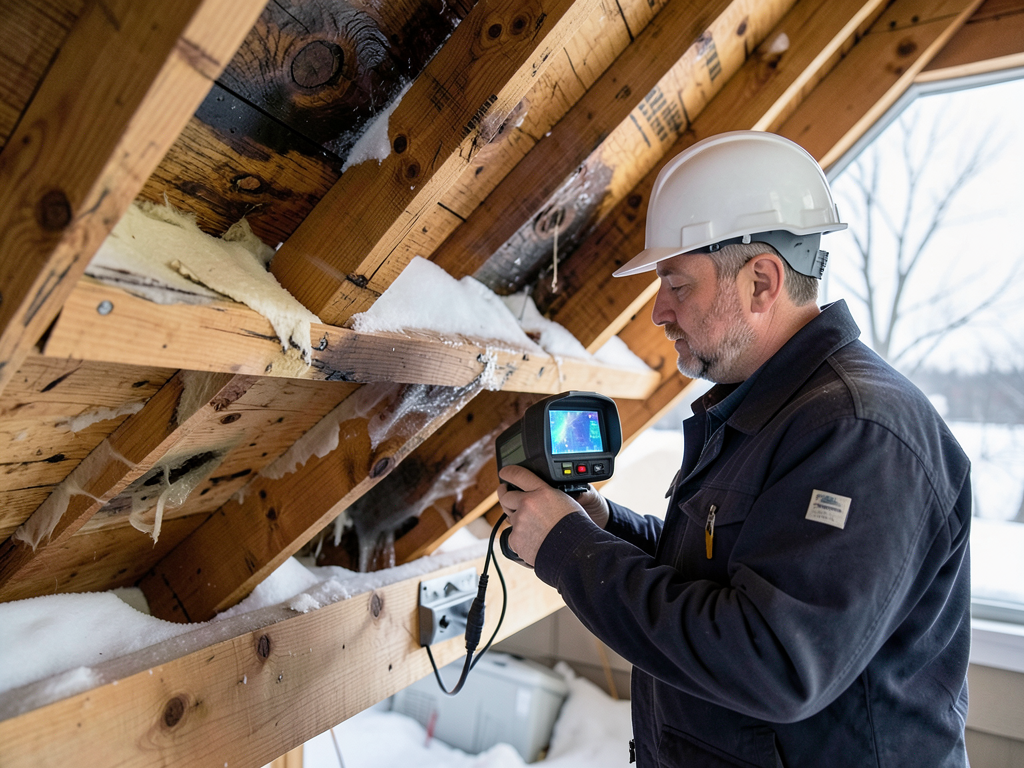
We walk your facility with operations managers and maintenance staff, identifying every potential water source and vulnerable asset. You receive detailed floor plans marking shutoff locations, drainage systems, and priority protection zones. We document roof conditions, plumbing age, sump pump capacity, and backflow prevention systems. This assessment creates your facility baseline, establishing the foundation for all subsequent planning.
02

Protocol Development and Documentation

Your written emergency response plan specifies exactly who does what when water enters the building. We create decision trees for different scenarios: roof leak versus pipe burst versus sewer backup. Each protocol includes contact sequences, equipment deployment steps, and damage documentation requirements. Staff receive laminated quick-reference cards for immediate action. Digital copies integrate into your existing emergency management systems for easy access.
03

Training and Annual Updates

We conduct hands-on training sessions with your facility team, walking through shutoff procedures and communication protocols. Staff practice the plan during controlled exercises, building muscle memory for crisis response. Annual reviews ensure your plan reflects current operations, new equipment installations, and revised business processes. As your facility changes, your disaster recovery planning evolves to maintain effectiveness and relevance.

Why Buffalo Facility Managers Choose Alpha Water Damage Restoration for Pre-Loss Planning

We understand Buffalo's specific commercial building challenges. The city's industrial heritage means many facilities occupy repurposed structures never designed for modern water management demands. We have mapped the common failure points in these buildings through years of emergency response across the metro area.

Our team knows local building code requirements and inspection protocols. Erie County commercial properties must meet specific backflow prevention standards and drainage capacity requirements. We ensure your disaster recovery planning aligns with these regulations, preventing compliance issues during recovery operations and insurance claims processing.

We maintain relationships with Buffalo's commercial insurance carriers. Your pre-loss planning documentation often qualifies for premium reductions or coverage enhancements. We format our assessments and protocols to meet carrier-specific requirements, streamlining the underwriting review process. When claims occur, your preparation accelerates approval and payment timelines.

Alpha Water Damage Restoration Buffalo operates with commercial-grade equipment capacity. Our planning assumes realistic response scenarios based on actual Buffalo weather patterns and infrastructure performance. We do not over-promise capabilities we cannot deliver during peak demand periods. Your plan reflects genuine service availability, not theoretical best-case scenarios.

We serve facilities across Buffalo's diverse commercial districts. Manufacturing operations in Cheektowaga face different risks than medical buildings in the Delaware District or retail centers in Amherst. Our facility contingency planning accounts for these variations, delivering protocols specific to your industry vertical and operational requirements rather than generic templates.

What Your Disaster Recovery Planning Engagement Includes

Initial Assessment Timeline

We complete comprehensive facility assessments within 5 to 7 business days of engagement. This includes on-site walkthroughs, staff interviews, and documentation review. You receive preliminary findings within 48 hours of site visits, allowing immediate action on critical vulnerabilities. Full risk assessment reports with floor plans, photographs, and prioritized recommendations arrive within 10 business days. Larger facilities or multi-building campuses may require extended timelines based on square footage and complexity.

Facility Risk Assessment Process

Our assessment examines roof drainage systems, plumbing infrastructure age, sump pump functionality, and backflow prevention devices. We review maintenance records, previous water incidents, and insurance claims history. Building envelope inspections identify potential intrusion points during severe weather events. We evaluate HVAC condensate systems, fire suppression equipment, and process water systems specific to your operations. You receive scored risk ratings for each identified vulnerability, enabling prioritized mitigation investment decisions.

Deliverable Documentation Package

Your final disaster recovery planning package includes annotated facility floor plans, emergency contact directories, vendor service agreements, equipment shutoff procedures, and damage documentation protocols. Digital versions integrate into existing emergency management platforms. Laminated quick-reference guides go to key staff positions. We provide protocol flowcharts for different water event scenarios, ensuring clear decision-making under pressure. All documentation meets insurance carrier and regulatory agency format requirements for immediate usability.

Ongoing Plan Maintenance

Annual plan reviews ensure your protocols remain current as operations evolve. We track facility modifications, equipment changes, and staff turnover that impact emergency response capability. Quarterly check-ins verify vendor relationships and service agreement currency. When significant operational changes occur, we provide interim updates rather than waiting for annual cycles. Staff turnover training brings new team members up to speed on protocols. This ongoing maintenance prevents plan obsolescence and ensures consistent readiness.

Frequently Asked Questions

You Have Questions,
We Have Answers

What are the 5 steps of disaster recovery planning? +

The five steps are: risk assessment, business impact analysis, strategy development, plan documentation, and testing. First, identify vulnerabilities specific to Buffalo operations like lake-effect snow or power grid failures. Second, quantify downtime costs for each critical system. Third, define recovery time objectives and select backup solutions. Fourth, document procedures, contact lists, and vendor agreements. Fifth, run tabletop exercises and full-scale tests quarterly. Buffalo businesses face seasonal weather threats that demand location-specific planning. Your plan must account for frozen pipes in winter, flooding in spring, and staff access during storms.

What is disaster and recovery planning? +

Disaster recovery planning is the documented process for resuming critical business operations after an unexpected disruption. It focuses on technology systems, data backup, and infrastructure restoration. For Buffalo companies, this means preparing for both natural threats like heavy snowfall and man-made incidents like cyberattacks. The plan defines recovery priorities, establishes alternate work locations, and assigns clear responsibilities. It differs from business continuity planning by specifically addressing IT systems and data restoration timelines. Commercial operations need precise recovery time objectives to minimize revenue loss and maintain customer commitments during and after disruptions.

What are the 4 C's of disaster recovery? +

The four C's are coordination, communication, continuity, and control. Coordination ensures teams execute recovery tasks without duplication. Communication maintains information flow between stakeholders, vendors, and customers during crisis response. Continuity preserves essential functions through alternate processes or locations. Control establishes command structure and decision authority. Buffalo businesses must coordinate with utility companies during winter outages and communicate with supply chain partners when transportation routes close. These principles keep commercial operations aligned under pressure. Each C depends on pre-established protocols and regular practice to function effectively when disaster strikes your facility.

What should be in a disaster recovery plan? +

A complete plan includes asset inventory, risk assessment, recovery procedures, contact information, and testing schedules. Document every critical system with recovery time objectives and recovery point objectives. Include vendor contracts, insurance policies, and alternate site agreements. For Buffalo locations, add winter contingency protocols and backup power specifications. List employee roles with primary and secondary contacts. Detail data backup locations, restoration procedures, and validation steps. Include financial records access and payroll continuity methods. Commercial plans require supply chain alternatives and customer notification templates. The plan must be accessible offline and stored at multiple secure locations.

What are the 4 pillars of disaster recovery? +

The four pillars are prevention, preparedness, response, and recovery. Prevention reduces risk through infrastructure hardening and redundancy. Preparedness develops plans, trains staff, and establishes resources before incidents occur. Response activates emergency procedures to protect assets and personnel. Recovery restores normal operations through systematic rebuilding. Buffalo commercial facilities strengthen prevention by upgrading HVAC systems before winter and waterproofing vulnerable areas. Preparedness means stocking emergency supplies and maintaining generator fuel. Response protocols account for limited road access during storms. Recovery timelines factor in equipment delivery delays common to Western New York weather patterns.

What are the 5 P's of disaster? +

The five P's are planning, preparedness, prevention, protection, and performance. Planning creates the roadmap for crisis response. Preparedness ensures resources and training exist before disruption. Prevention identifies and eliminates potential failure points. Protection safeguards critical assets during incidents. Performance measures effectiveness through testing and continuous improvement. Buffalo businesses emphasize prevention by maintaining building envelopes against freeze-thaw cycles and protection through redundant utility connections. Performance tracking reveals gaps in snow removal protocols or backup power capacity. Each P builds on the others to create comprehensive resilience for commercial operations facing regional climate challenges.

What is a disaster recovery plan template? +

A disaster recovery plan template is a structured framework that guides plan creation while ensuring complete coverage of essential elements. Templates include sections for executive summary, scope definition, roles and responsibilities, risk assessment, recovery procedures, and testing protocols. They provide checklists and tables for documenting systems, vendors, and timelines. Buffalo businesses should customize templates to address lake-effect snow impacts, utility restoration timelines, and regional supply chain considerations. Templates standardize documentation but require location-specific details to function effectively. They help ensure no critical component gets overlooked during planning and reduce development time for commercial operations.

How do you create a DRP? +

Start by conducting a business impact analysis to identify critical functions and acceptable downtime thresholds. Document current systems, dependencies, and vulnerabilities specific to your Buffalo location. Define recovery time objectives for each asset. Establish backup procedures for data, equipment, and workspace. Identify alternate vendors and suppliers within accessible distance during winter conditions. Assign recovery team roles with clear authority levels. Create step-by-step restoration procedures with decision trees. Test the plan through tabletop exercises before running full simulations. Update quarterly and after any significant operational change. Commercial plans require executive approval and board-level review for resource allocation.

How do you write a recovery plan? +

Begin with executive sponsorship and cross-functional team formation. Assess threats relevant to Buffalo commercial operations including weather, infrastructure, and cyber risks. Prioritize systems by revenue impact and regulatory requirements. Document recovery sequences with specific tasks, timelines, and responsible parties. Include financial considerations like insurance claims procedures and emergency funding access. Establish communication protocols for internal teams, customers, and stakeholders. Create testing schedules with clear success metrics. Write procedures in plain language with visual aids like flowcharts. Store copies offsite and in cloud systems. Review annually or after incidents to incorporate lessons learned and operational changes.

What is a common disaster recovery strategy? +

The most common strategy combines regular data backups with alternate site arrangements. Businesses implement the 3-2-1 rule: three data copies on two different media with one offsite. Cloud-based backup provides geographic redundancy beyond Buffalo weather impacts. Hot sites offer immediate failover for time-sensitive operations while cold sites provide cost-effective space for longer recovery windows. Reciprocal agreements with non-competing businesses create mutual support networks. For Western New York companies, strategies must account for regional weather affecting multiple locations simultaneously. Most commercial operations blend multiple approaches based on system criticality and budget constraints to achieve optimal resilience.

How Buffalo's Lake Effect Snow and Spring Flooding Cycles Demand Year-Round Water Preparedness

Buffalo receives an average of 95 inches of snow annually, with lake effect events dumping 2 to 4 feet in 24-hour periods. This creates predictable spring melt conditions that overwhelm drainage systems and stress building envelopes. Commercial properties face roof collapse risk during heavy snow loading, followed by catastrophic interior flooding when rapid temperature swings trigger melt events. The combination of freeze-thaw cycles and aging infrastructure in older commercial districts creates a continuous water intrusion risk cycle. Your disaster recovery planning must account for these seasonal patterns rather than treating water events as random occurrences.

Buffalo's commercial building stock includes structures dating to the city's industrial peak in the early 1900s. Many facilities in the Hydraulics, Larkinville, and Cobblestone districts occupy repurposed industrial buildings with updated systems grafted onto original infrastructure. This creates hidden vulnerabilities that generic disaster plans miss. Alpha Water Damage Restoration Buffalo has mapped these risk patterns through hundreds of emergency responses across the metro area. Our pre-loss planning identifies the specific failure modes common to Buffalo's commercial building types, delivering protocols that address actual local conditions rather than theoretical scenarios.


Water Damage Restoration Services in The Buffalo Area

Although we offer rapid mobile service across the entire Buffalo area and surrounding regions, we invite you to view our service area map to confirm our commitment to your community. We are always ready to deploy our expert teams directly to your residential or commercial property, ensuring the fastest possible response time when you need water damage restoration most, right where you are.

Address:
Alpha Water Damage Restoration Buffalo, 369 Washington St, Buffalo, NY, 14203

Additional Services We Offer

Our news updates

Latest Articles & News from The Blogs

The importance of microbial swabbing after a sewer backup in your Lackawanna basement When sewage backs up into your Lackawanna…

The importance of microbial swabbing after a sewer backup in your Lackawanna basement

The importance of microbial swabbing after a sewer backup in your Lackawanna basement When sewage backs up into your Lackawanna…

Simple ways to prevent your pipes from freezing in an unheated North Buffalo crawlspace

Simple ways to prevent your pipes from freezing in an unheated North Buffalo crawlspace Buffalo’s brutal winters and lake-effect snow…

Keeping your kids and pets safe during a home restoration project in Kenmore

Keeping your kids and pets safe during a home restoration project in Kenmore\n\nHome restoration after water damage creates unique safety…

Contact Us

Your facility faces predictable water risks. Stop improvising emergency responses. Call Alpha Water Damage Restoration Buffalo at (716) 317-7717 to schedule your comprehensive disaster recovery planning assessment. We deliver actionable protocols that protect operations when water threatens your business.