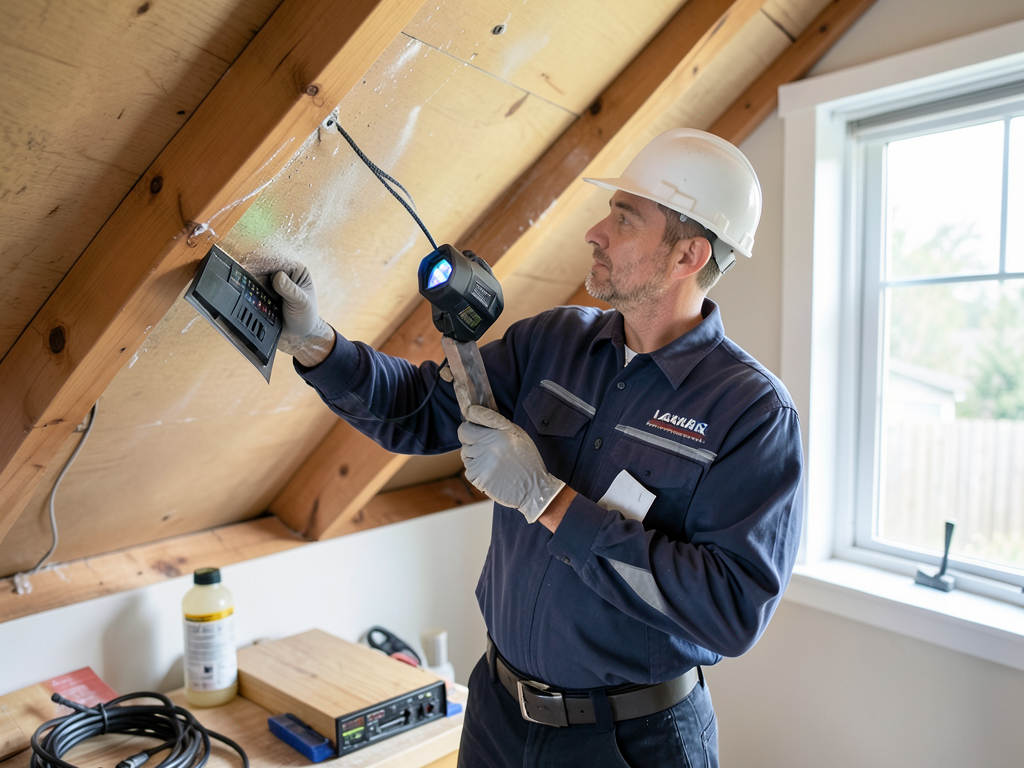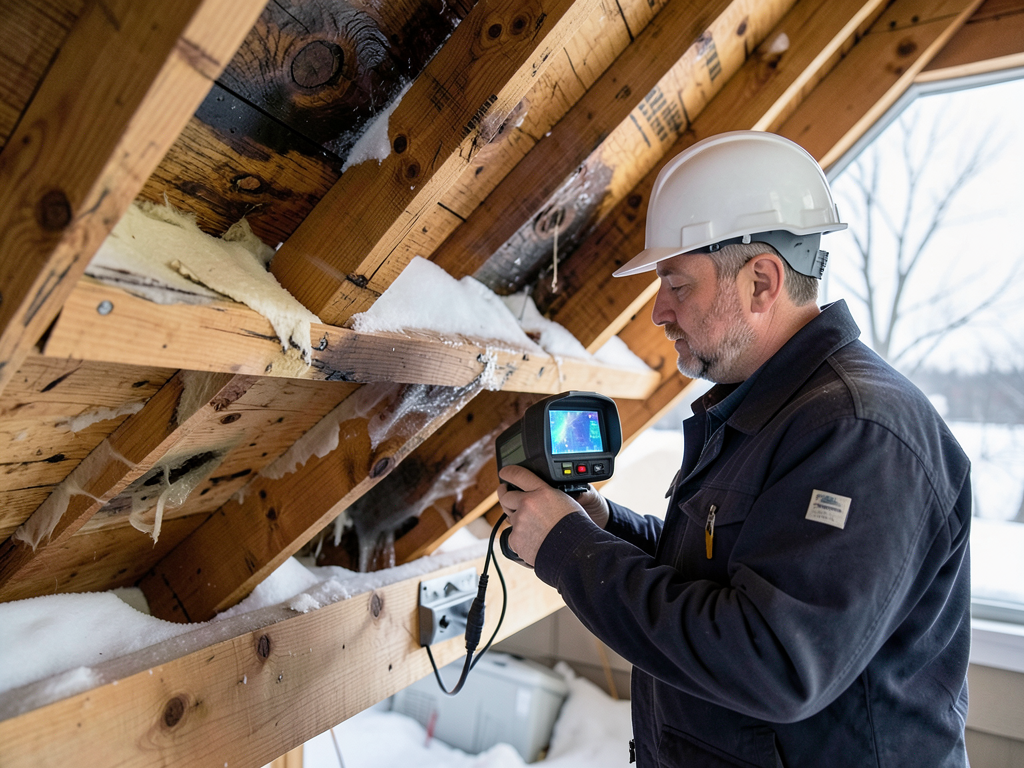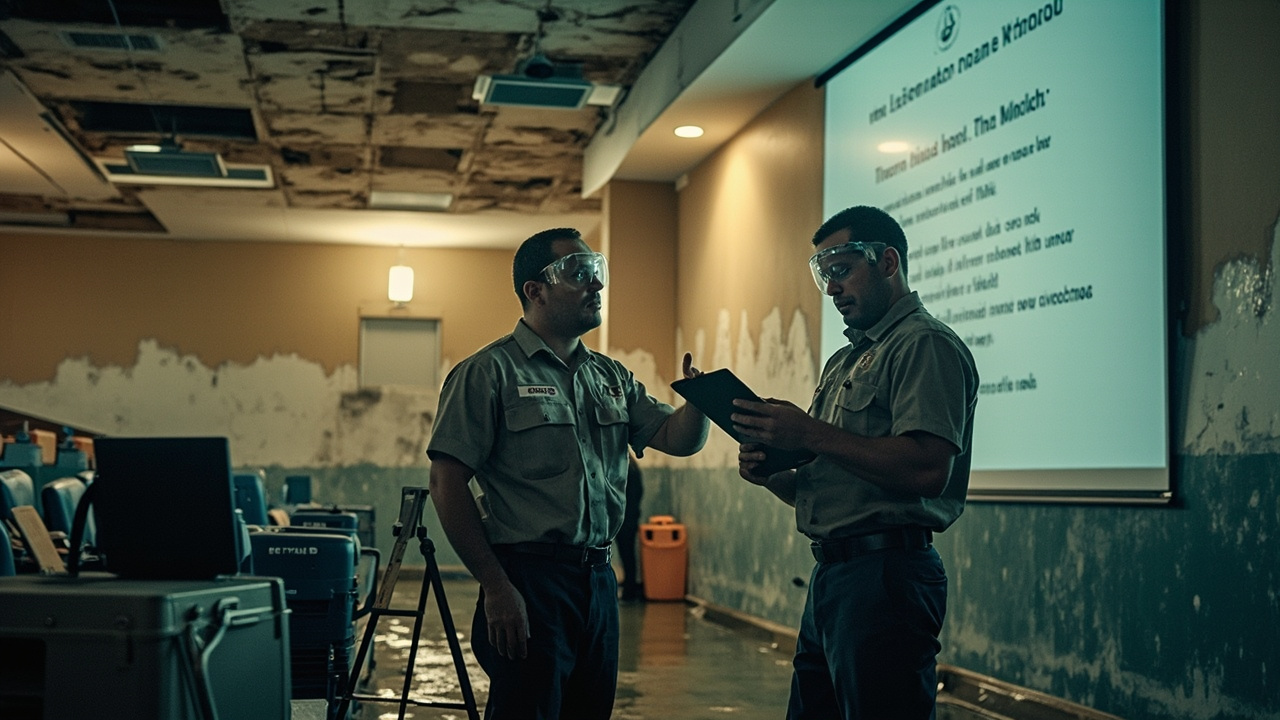
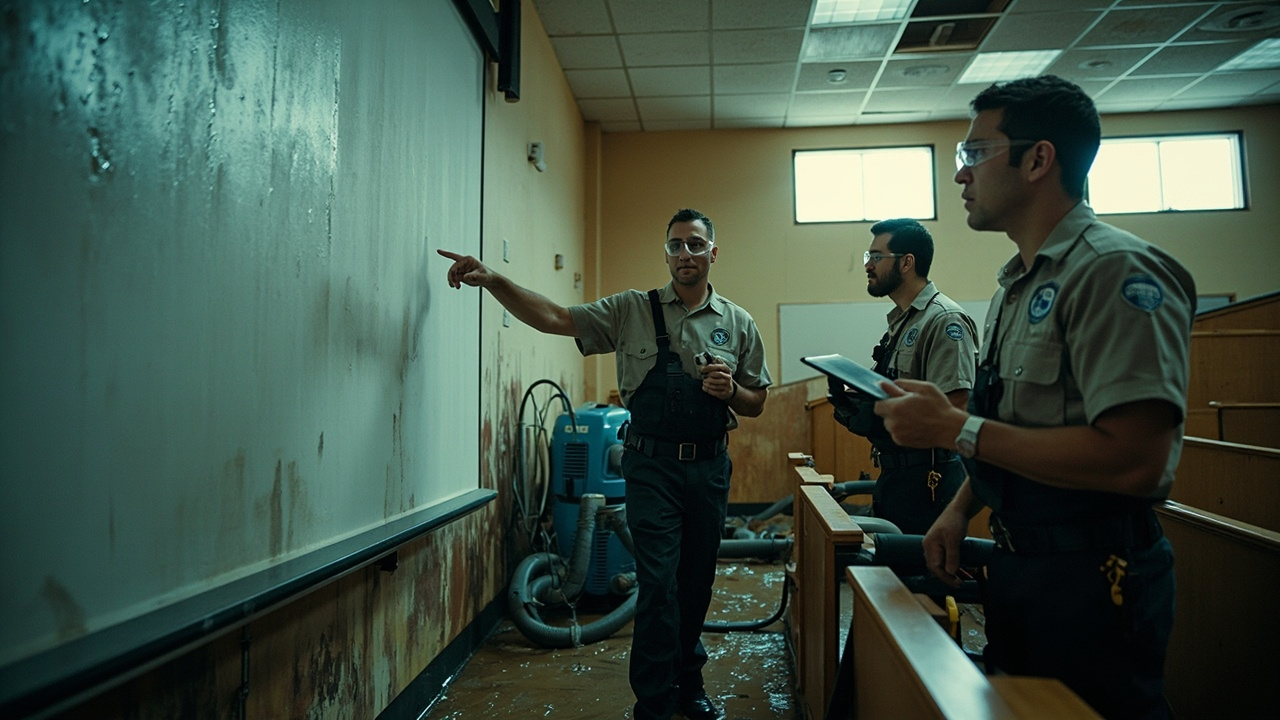
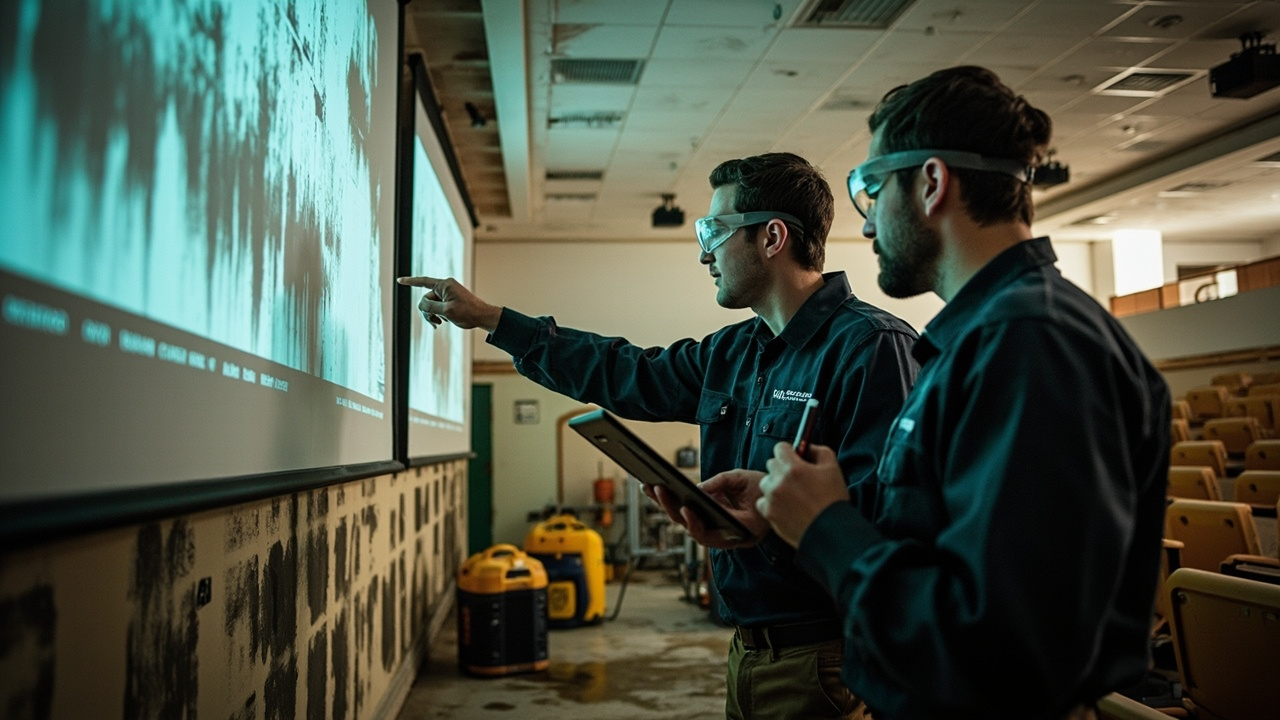
Buffalo's educational institutions occupy buildings dating to the 1800s, constructed with limestone foundations, clay tile roofing, and steam heating systems. When water intrudes, these materials absorb moisture differently than modern construction. Limestone wicks water vertically through capillary action. Clay tiles crack under freeze-thaw stress. Cast iron steam pipes corrode from the inside out, failing without warning during peak heating demand. School disaster recovery services must account for these material behaviors. Drying limestone requires different equipment staging than drying concrete block. Accessing wall cavities in load-bearing masonry demands structural assessment before demolition. Buffalo's building codes require historic preservation review for designated campus landmarks, adding compliance layers to urgent restoration work.
Alpha Water Damage Restoration Buffalo maintains relationships with local structural engineers familiar with Buffalo's academic building stock. We understand which campus buildings contain asbestos floor mastic requiring abatement protocols. We know that University Heights institutions face different soil settlement patterns than waterfront campuses near Lake Erie. Our technicians recognize knob-and-tube wiring in older buildings and coordinate electrical shutdowns with campus electricians before deploying water extraction equipment. This local expertise prevents code violations, protects historic materials, and ensures academic building water damage repair proceeds without regulatory delays. Buffalo's educational administrators choose restoration partners who understand these regional complications, not national franchises applying generic protocols.