


Tonawanda sits where the Niagara River meets Lake Erie, creating a perfect storm for water damage. The area's high water table means basements stay damp even without visible leaks. Clay-heavy soil around the Ellicott Creek watershed prevents proper drainage, pushing water toward foundations during spring melts and heavy rains.
Winter brings brutal freeze-thaw cycles that crack pipes inside walls. Homes near Sheridan Park and along Niagara Street face seasonal flooding when snow accumulation melts faster than storm drains can handle. Properties in older neighborhoods like Raintree Island deal with aging plumbing systems that fail without warning.
The proximity to both river and lake creates humidity levels that encourage mold growth within 48 hours of water intrusion. Tonawanda's variable climate means your property faces water threats year-round. Frozen pipes burst in January. Spring rains flood basements in April. Summer storms overwhelm gutters in July. Each season brings different risks, but the damage timeline stays the same. Water begins destroying building materials immediately, and mold starts growing before you notice the musty smell.
Understanding these regional factors means faster response and better mitigation. We know which Tonawanda neighborhoods flood first, which building styles hide water damage longest, and which soil conditions make foundation seepage worse.
We built our reputation in Western New York by showing up fast and finishing the job right. While other companies promise 24/7 service, we prove it with documented response times under one hour across Tonawanda. Our trucks carry commercial-grade extraction equipment, thermal imaging cameras, and industrial dehumidifiers. We don't subcontract the hard work. Every technician on your property works directly for Alpha Water Damage Restoration Buffalo.
Water damage requires more than equipment. It requires insurance expertise. We document everything with photos, moisture readings, and detailed reports that insurance adjusters accept without argument. Our team coordinates directly with your insurance company, translating technical findings into covered claim language. We know which damage qualifies for full replacement versus repair, and we advocate for your maximum coverage.
Speed matters most in the first 48 hours. We extract standing water immediately, then deploy air movers and dehumidifiers to prevent secondary damage. Our thermal imaging locates hidden moisture inside walls and under flooring before it becomes a mold problem. We monitor humidity levels daily until your property reaches safe moisture content.
Tonawanda properties have unique vulnerabilities. Homes near the Niagara River need foundation drainage solutions. Properties in the Ellicott Creek area require sump pump backup systems. We don't just dry your property. We identify why water entered and recommend permanent fixes. Our restoration goes beyond emergency response to long-term protection, preventing the next water event before it happens.

We dispatch crews to Tonawanda properties within one hour of your call, day or night. Our trucks stay stocked with extraction equipment, so we start water removal immediately upon arrival. Faster response means less damage, lower restoration costs, and reduced risk of mold growth. We don't schedule appointments for water emergencies. We respond now.

Our team handles insurance documentation from first contact through final approval. We photograph damage, measure moisture levels, document affected materials, and submit detailed reports your insurance company accepts. We speak adjuster language, know coverage limitations, and advocate for your maximum claim benefit. You focus on your family. We handle the paperwork.
Every crew member holds IICRC certification in water damage restoration. We follow strict protocols for water extraction, structural drying, and mold prevention. Our training covers everything from sewage contamination to hidden moisture detection. You get technicians who understand building science, not laborers with shop vacs. Certification ensures proper restoration that protects your property value.
We know Tonawanda's water problems because we respond to them daily. Properties near Ellicott Creek need different solutions than homes on Raintree Island. We understand local soil conditions, seasonal flooding patterns, and which neighborhoods face the worst freeze-thaw damage. Regional expertise means faster diagnosis, better solutions, and permanent fixes tailored to your specific location.
Water damage takes many forms. A burst pipe creates clean water that still destroys drywall. A backed-up sewer line introduces contaminated water requiring complete material removal. A slow roof leak grows mold inside walls before you notice ceiling stains. Each scenario requires different equipment, safety protocols, and restoration techniques.
Alpha Water Damage Restoration Buffalo handles every category of water intrusion. We extract standing water, remove damaged materials, dry structural components, treat for mold prevention, and restore your property to pre-loss condition. Our services cover emergency mitigation, complete remediation, and final reconstruction.
We organize our capabilities around three core service areas. Emergency water removal stops active damage and prevents it from spreading. Complete water damage remediation addresses contamination, structural drying, and mold prevention. Storm and flood restoration handles large-scale water events that affect multiple areas of your property. Every service begins with rapid response and ends with thorough documentation for your insurance claim.
Understanding which service you need starts with understanding your water source. Clean water from supply lines requires different handling than contaminated water from sewage backups. We assess water category, measure affected areas, identify safety hazards, and deploy appropriate equipment. The right service approach saves time, reduces costs, and ensures complete restoration without hidden moisture problems developing later.
When water floods your property, immediate extraction prevents catastrophic damage. We deploy truck-mounted pumps for standing water, industrial wet vacuums for carpets, and specialized tools for hardwood floors. Our crews remove water from all affected areas, then place air movers and dehumidifiers to start the drying process. Emergency extraction includes furniture relocation, content protection, and initial moisture mapping. We work through the night if necessary, because water damage accelerates exponentially in the first 24 hours.
Visible water represents only part of the problem. Moisture hides inside walls, under flooring, and within insulation. Our structural drying service uses thermal imaging to locate trapped moisture, then targets it with commercial dehumidifiers and focused air movement. We monitor moisture levels daily in walls, floors, and ceilings until readings return to normal. This process typically requires three to seven days depending on materials affected. Proper structural drying prevents mold growth, wood rot, and expensive secondary damage that appears weeks after the initial water event.
Sewage backups require immediate professional response. Contaminated water contains bacteria, viruses, and pathogens that create serious health hazards. Our crews wear protective equipment, remove all affected porous materials, extract contaminated water, and sanitize all surfaces with antimicrobial treatments. Sewage cleanup follows strict protocols for safety and thoroughness. We dispose of contaminated materials properly, treat remaining surfaces with hospital-grade disinfectants, and verify complete sanitization before restoration begins. Never attempt sewage cleanup yourself. Contamination spreads easily and creates lasting health risks.
Tonawanda's location between Lake Erie and the Niagara River creates year-round water threats. Spring brings rapid snowmelt that overwhelms drainage systems. Summer storms dump inches of rain in minutes, flooding basements faster than sump pumps can handle. Fall combines heavy precipitation with leaf-clogged gutters. Winter freezes pipes inside walls and attics.
The area's clay soil prevents proper drainage around foundations. Water pools against basement walls, finding cracks and seeping inside. Older homes in established neighborhoods near Sheridan Park and along Niagara Street have aging plumbing systems that fail without warning. Properties near Ellicott Creek face seasonal flooding during heavy rain events.
High humidity levels year-round mean mold grows within 48 hours of any water intrusion. Tonawanda's variable temperatures create condensation problems in attics and crawl spaces. Even small leaks become major problems when moisture stays trapped inside building materials. Understanding these regional threats helps property owners recognize warning signs before minor issues become major disasters. The following problems send more Tonawanda residents searching for emergency water restoration than any other issues.
When snow melts faster than ground can absorb it, water floods basements throughout Tonawanda. Frozen ground prevents drainage, pushing meltwater toward foundations. Properties without proper grading or functional sump pumps flood repeatedly each spring. Water enters through foundation cracks, window wells, and floor drains. One spring thaw event can dump thousands of gallons into your basement, destroying everything stored there.
Tonawanda winters bring extended periods below freezing. Pipes in exterior walls, attics, and crawl spaces freeze solid, then burst when water expands. The damage stays hidden until temperatures rise and ice melts. Suddenly, water pours through ceilings and walls. A single burst pipe releases hundreds of gallons per hour, flooding multiple rooms before you locate the shut-off valve.
Heavy rain events overwhelm sump pumps throughout the Tonawanda area. Pumps fail from age, power outages, or mechanical breakdown. When your sump pump stops working during a storm, water fills your basement within minutes. Properties near Ellicott Creek and low-lying areas flood repeatedly when sump systems fail. Battery backup systems prevent this disaster, but most homes lack this protection.
Snow accumulation on Tonawanda roofs melts and refreezes at roof edges, creating ice dams. Water backs up under shingles, leaking into attics and walls. The damage stays hidden until water stains appear on ceilings or mold grows inside walls. Aging roofs, clogged gutters, and inadequate attic insulation make ice dam damage worse. One winter season can cause thousands in hidden water damage.
Water emergencies create panic. You discover flooding and immediately worry about damage, costs, and insurance coverage. Our process eliminates uncertainty. From your first phone call through final restoration, you know exactly what happens next, how long each phase takes, and what it costs.
We answer emergency calls 24/7. A real person answers, not a voicemail system. We ask about your water source, affected areas, and immediate safety concerns. We dispatch a crew immediately and provide an estimated arrival time. Most Tonawanda properties receive response within 60 minutes.
Our crew arrives with all necessary equipment. We assess damage, identify the water source, and begin extraction immediately. We explain what we find, what needs to happen, and what your insurance will cover. We photograph everything, document all damage, and measure moisture levels throughout your property. You receive written estimates before restoration work begins.
Communication continues throughout the drying process. We check moisture levels daily and update you on progress. We coordinate with your insurance adjuster, provide documentation they request, and advocate for complete coverage. When your property reaches safe moisture levels, we discuss restoration options and timeline. You stay informed at every step, never wondering what happens next or why work takes time.
Our crew arrives at your Tonawanda property within one hour carrying extraction equipment, moisture meters, and thermal imaging cameras. We locate the water source, stop active flooding if possible, and assess all affected areas. Our inspection includes hidden spaces where water travels through walls and under floors. We explain what we find in clear terms, show you moisture readings, and outline the restoration plan. You receive a written scope of work and cost estimate before any mitigation begins.
Water damage restoration requires time. We check your property daily, measuring moisture levels in floors, walls, and ceilings. Our equipment runs continuously, but drying speed depends on materials affected, humidity levels, and temperature. We adjust equipment placement based on moisture readings, ensuring efficient drying without wasting time. You receive daily updates via phone or text. We explain current moisture levels, show progress toward target readings, and estimate time remaining until full drying completion.
Insurance companies require detailed documentation before approving water damage claims. We provide photos of all affected areas, moisture readings showing extent of damage, itemized lists of damaged materials, and daily logs tracking the drying process. Our reports follow insurance industry standards, using terminology adjusters recognize and accept. We communicate directly with your insurance company, answer technical questions, and justify recommended repairs. This documentation ensures faster claim approval and maximum coverage for your restoration costs.
Every water emergency follows the same critical timeline. Fast extraction prevents damage from spreading. Immediate drying stops mold before it starts. Thorough documentation ensures insurance coverage. Our three-phase process addresses each priority in order, maximizing speed while ensuring complete restoration.
We remove standing water immediately using truck-mounted pumps and industrial extractors. Our crew identifies the water source, stops active flooding when possible, and extracts water from all affected areas. We move furniture to dry spaces, remove soaked materials that cannot be saved, and deploy air movers to begin surface drying. This phase happens within hours of your call. Speed during extraction determines total damage and final restoration costs. Every minute water sits allows it to spread further and penetrate deeper into building materials.
After extraction, moisture remains trapped inside walls, under floors, and within structural materials. We place commercial dehumidifiers and air movers strategically based on moisture meter readings. Our thermal imaging cameras locate hidden water inside wall cavities and ceiling spaces. We monitor moisture levels daily, adjusting equipment placement for maximum efficiency. This phase typically requires three to seven days depending on materials affected and initial moisture levels. We continue until all materials reach normal moisture content, preventing mold growth and structural damage.
Once your property reaches safe moisture levels, we begin restoration work. This includes replacing damaged drywall, installing new flooring, repainting affected areas, and reinstalling baseboards. We coordinate with insurance adjusters to ensure all approved repairs receive coverage. Our goal extends beyond returning your property to pre-loss condition. We identify why water entered and recommend improvements to prevent future damage. Final restoration includes thorough cleaning, air quality testing if mold was present, and warranty documentation for all repairs completed.
Professional water damage restoration follows Institute of Inspection, Cleaning and Restoration Certification standards established for the entire industry. These protocols define proper procedures for water extraction, structural drying, and contamination control. Understanding the technical requirements explains why proper restoration takes time and requires specialized equipment.
Water damage falls into three categories based on contamination level. Category 1 involves clean water from supply lines. Category 2 includes gray water from appliances and contains some contamination. Category 3 means black water from sewage or flooding, which requires complete material removal and sanitization. Each category requires different safety equipment and handling procedures.
Structural drying depends on creating proper environmental conditions. We must control temperature, humidity, and air movement. Commercial dehumidifiers remove moisture from air. Air movers accelerate evaporation from surfaces. The combination creates conditions where trapped moisture migrates out of materials faster than it would naturally. We measure this process using moisture meters calibrated for different building materials. Wood, drywall, concrete, and insulation each have specific moisture content targets.
Thermal imaging reveals moisture patterns invisible to the naked eye. Wet materials appear cooler than dry areas on thermal cameras. This technology locates hidden water inside walls, under flooring, and above ceilings. Without thermal imaging, moisture stays trapped inside building cavities, eventually causing mold growth and structural rot.
The drying timeline depends on multiple factors. Material density affects how quickly moisture evaporates. Concrete and hardwood take longer than drywall and insulation. Initial moisture levels determine total drying time. A small leak dries faster than a flooded basement. Outside temperature and humidity impact drying efficiency. Restoration work moves slower during humid summer months than dry winter periods. These variables mean accurate timelines require actual moisture readings, not estimates based on visible damage.
The IICRC establishes national standards for water damage restoration. Certified technicians complete training in water extraction techniques, structural drying principles, microbial remediation, and safety protocols. These standards ensure consistent, thorough restoration regardless of which company you hire. Always verify IICRC certification before allowing anyone to begin water damage work. Certification proves technical knowledge and adherence to industry-accepted procedures that insurance companies recognize and approve.
Water damage restoration costs depend on affected square footage, water category, materials damaged, and drying time required. Clean water in a small area costs less than sewage contamination throughout a basement. Hardwood floor drying takes longer than carpet extraction. Most insurance policies cover sudden water damage from burst pipes or appliance failures. Gradual damage from slow leaks often receives partial coverage or denial. Documentation proving damage timeline affects insurance approval and final out-of-pocket costs.
Different building materials require specific moisture content levels before restoration can begin. Wood framing should measure below 16 percent. Drywall must reach 10 to 12 percent. Concrete floors need readings under 4 percent. We measure moisture content daily until all materials reach safe levels. Removing equipment before complete drying allows trapped moisture to redistribute, causing mold growth weeks later. Patience during this phase prevents expensive callbacks and protects your property from secondary damage that insurance won't cover.
Mold begins growing within 48 hours of water intrusion. Prevention requires removing water quickly and drying materials completely. We apply antimicrobial treatments to affected surfaces, preventing mold colonization during the drying process. Air scrubbers with HEPA filters capture airborne spores released during restoration work. If mold growth already exists when we arrive, we follow separate remediation protocols including containment barriers, negative air pressure, and complete removal of colonized materials. Air quality testing verifies safe conditions before reconstruction begins.
This video explains the complete water damage restoration process for Tonawanda properties, covering emergency response procedures, structural drying timelines, and insurance documentation requirements. Learn about regional water threats including spring flooding, winter pipe bursts, and basement moisture problems specific to the Tonawanda area between Lake Erie and the Niagara River. The video demonstrates professional water extraction techniques, moisture measurement protocols, and IICRC restoration standards that ensure complete drying and prevent mold growth.
Alpha Water Damage Restoration Buffalo provides emergency response across all of Tonawanda and surrounding Erie and Niagara County communities. We serve residents throughout the City of Tonawanda and Town of Tonawanda, responding to water emergencies in both municipalities within the same rapid timeframe.
Properties along the Niagara River face unique flooding risks. Homes near Sheridan Park and the waterfront areas experience seasonal high water events when lake levels rise. The Raintree Island neighborhood deals with water table issues that cause chronic basement moisture problems. We know these areas well, responding to calls here regularly throughout spring and fall.
The Ellicott Creek watershed affects properties throughout central Tonawanda. Homes near Delaware Park and along Ellicott Creek Road flood during heavy rain when the creek overflows its banks. Clay soil in this area prevents proper drainage, making basement waterproofing essential after water damage events. We recommend specific solutions based on your proximity to the creek and local water flow patterns.
Established neighborhoods along Niagara Street and Delaware Street contain older homes with aging plumbing systems. These properties need different approaches than newer construction. Original cast iron drain lines corrode and fail. Galvanized supply pipes develop leaks inside walls. We understand the construction methods used in different eras throughout Tonawanda, allowing faster diagnosis and more accurate restoration plans.
We also serve Kenmore to the south, North Tonawanda across the Erie Canal, and the Grand Island communities. Water damage doesn't respect municipal boundaries. Our response area covers everywhere within 15 minutes of central Tonawanda, ensuring fast emergency service regardless of which neighborhood you call home. Whether you live near Kenmore West High School or along the banks of the Niagara River, our crews know your area and understand the specific water threats your property faces.
Water damage restoration in Tonawanda NY typically takes 3 to 7 days for most residential projects. The timeline depends on the extent of damage, affected areas, and water category. A small bathroom leak needs 2 to 3 days. Flooded basements or multi-room damage takes 5 to 7 days. Severe structural damage extends the process to several weeks. Restoration teams work through distinct phases. Water extraction happens first, taking 1 to 2 days. Drying and dehumidification follows for 3 to 5 days. Final repairs and reconstruction add more time based on your specific situation.
Water damage restoration expenses in Tonawanda vary widely based on damage severity and affected square footage. Small projects involving one room or minor leaks run lower on the scale. Major flooding affecting multiple rooms or entire basements increases expenses significantly. Category 3 water damage from sewage or flooding requires specialized cleaning and safety measures. Your final bill includes water extraction, drying equipment rental, antimicrobial treatments, and necessary repairs. Most restoration companies offer free inspections and provide detailed estimates before starting work. Contact multiple local Tonawanda providers to compare quotes for your specific situation.
Most Tonawanda homeowners insurance policies cover sudden and accidental water damage. Your policy typically covers burst pipes, appliance malfunctions, and roof leaks from storms. Insurance usually excludes gradual damage from neglected maintenance or flooding from external sources. Standard policies do not cover flood damage. You need separate flood insurance through the National Flood Insurance Program. Review your policy declarations page to understand your coverage limits and deductibles. Contact your insurance agent immediately after discovering water damage. Document everything with photos and videos. Keep all receipts from emergency repairs and restoration services.
Water damage restoration in Tonawanda NY typically takes 3 to 7 days for most residential projects. The timeline depends on the extent of damage, affected areas, and water category. A small bathroom leak needs 2 to 3 days. Flooded basements or multi-room damage takes 5 to 7 days. Severe structural damage extends the process to several weeks. Restoration teams work through distinct phases. Water extraction happens first, taking 1 to 2 days. Drying and dehumidification follows for 3 to 5 days. Final repairs and reconstruction add more time based on your specific situation.
Water damage restoration expenses in Tonawanda vary widely based on damage severity and affected square footage. Small projects involving one room or minor leaks run lower on the scale. Major flooding affecting multiple rooms or entire basements increases expenses significantly. Category 3 water damage from sewage or flooding requires specialized cleaning and safety measures. Your final bill includes water extraction, drying equipment rental, antimicrobial treatments, and necessary repairs. Most restoration companies offer free inspections and provide detailed estimates before starting work. Contact multiple local Tonawanda providers to compare quotes for your specific situation.
Most Tonawanda homeowners insurance policies cover sudden and accidental water damage. Your policy typically covers burst pipes, appliance malfunctions, and roof leaks from storms. Insurance usually excludes gradual damage from neglected maintenance or flooding from external sources. Standard policies do not cover flood damage. You need separate flood insurance through the National Flood Insurance Program. Review your policy declarations page to understand your coverage limits and deductibles. Contact your insurance agent immediately after discovering water damage. Document everything with photos and videos. Keep all receipts from emergency repairs and restoration services.
Hidden water damage in your Tonawanda home shows several warning signs. Check for musty odors in basements, crawl spaces, and behind walls. Look for water stains, discoloration, or bubbling paint on ceilings and walls. Feel for soft spots in flooring or spongy drywall. Monitor your water bill for unexplained increases. Listen for dripping sounds inside walls or ceilings. Watch for mold growth in corners, under sinks, or around windows. Peeling wallpaper and warped baseboards indicate moisture problems. Professional moisture meters and thermal imaging cameras detect water behind surfaces you cannot see.
Water mitigation and water damage restoration are two distinct phases in Tonawanda. Mitigation happens first as emergency response. Technicians extract standing water, remove wet materials, and set up drying equipment. This phase prevents further damage and stabilizes your property. Mitigation typically takes 1 to 3 days. Restoration comes next and returns your home to pre-damage condition. This phase includes repairs, reconstruction, painting, and replacing materials. Restoration takes longer, from several days to weeks. Some Tonawanda companies provide both services. Others specialize in mitigation only and refer restoration work to contractors.
Staying in your Tonawanda home during restoration depends on damage extent and affected areas. Minor water damage limited to one room allows you to stay. You need access to working bathrooms, kitchens, and sleeping areas. Extensive damage affecting multiple rooms makes staying difficult. Loud drying equipment runs 24 hours a day for several days. Category 3 water damage from sewage requires you to leave for health and safety. Structural damage creating unstable conditions forces evacuation. Your restoration company assesses safety and recommends whether staying is appropriate. Consider temporary housing if conditions become uncomfortable or unhealthy.
Contact a water damage restoration company in Tonawanda within the first hour of discovering damage. Water spreads quickly through floors, walls, and belongings. Mold begins growing within 24 to 48 hours in moist conditions. Every hour of delay increases damage severity and restoration expenses. Immediate response limits water migration and reduces drying time. Professional teams arrive within 60 to 90 minutes for emergency calls. They start extraction and mitigation right away. Quick action protects your possessions and structural materials. Evening and weekend emergencies require the same urgent response. Waiting until Monday or business hours allows preventable damage.
Water damage restoration companies in Tonawanda NY use specialized professional equipment. Industrial-grade water extractors remove standing water from floors and carpets. Commercial dehumidifiers pull moisture from air and materials. High-velocity air movers create airflow for faster drying. Moisture meters measure water content in walls, floors, and ceilings. Thermal imaging cameras detect hidden moisture behind surfaces. HEPA air scrubbers filter airborne contaminants and prevent mold spores from spreading. Antimicrobial solutions treat affected areas. Truck-mounted extraction units handle severe flooding. Advanced monitoring systems track drying progress. Professional equipment works faster and more effectively than consumer-grade options.
Choose a water damage restoration company in Tonawanda based on several factors. Verify they offer 24-hour emergency response for urgent situations. Check online reviews on Google and the Better Business Bureau. Ask neighbors and friends for recommendations based on personal experience. Confirm the company has proper certifications from the Institute of Inspection, Cleaning and Restoration Certification. Request references from recent Tonawanda projects. Get detailed written estimates from three companies. Compare their process, timeline, and equipment. Select a local Tonawanda company familiar with regional water damage challenges. Avoid companies demanding full payment upfront before starting work.
Professional water damage restoration significantly reduces mold growth risk in Tonawanda homes. Technicians remove standing water within hours, eliminating the moisture mold needs. Industrial dehumidifiers and air movers dry materials thoroughly within 3 to 5 days. Moisture meters confirm materials reach safe dryness levels below 15 percent. Antimicrobial treatments kill existing mold spores and prevent new growth. Removing wet materials like insulation, drywall, and carpeting eliminates mold food sources. Quick professional response within 24 hours provides the best prevention. Delayed or incomplete drying allows mold colonies to establish. Proper restoration protects your Tonawanda home from future mold problems.
Hidden water damage in your Tonawanda home shows several warning signs. Check for musty odors in basements, crawl spaces, and behind walls. Look for water stains, discoloration, or bubbling paint on ceilings and walls. Feel for soft spots in flooring or spongy drywall. Monitor your water bill for unexplained increases. Listen for dripping sounds inside walls or ceilings. Watch for mold growth in corners, under sinks, or around windows. Peeling wallpaper and warped baseboards indicate moisture problems. Professional moisture meters and thermal imaging cameras detect water behind surfaces you cannot see.
Water mitigation and water damage restoration are two distinct phases in Tonawanda. Mitigation happens first as emergency response. Technicians extract standing water, remove wet materials, and set up drying equipment. This phase prevents further damage and stabilizes your property. Mitigation typically takes 1 to 3 days. Restoration comes next and returns your home to pre-damage condition. This phase includes repairs, reconstruction, painting, and replacing materials. Restoration takes longer, from several days to weeks. Some Tonawanda companies provide both services. Others specialize in mitigation only and refer restoration work to contractors.
Staying in your Tonawanda home during restoration depends on damage extent and affected areas. Minor water damage limited to one room allows you to stay. You need access to working bathrooms, kitchens, and sleeping areas. Extensive damage affecting multiple rooms makes staying difficult. Loud drying equipment runs 24 hours a day for several days. Category 3 water damage from sewage requires you to leave for health and safety. Structural damage creating unstable conditions forces evacuation. Your restoration company assesses safety and recommends whether staying is appropriate. Consider temporary housing if conditions become uncomfortable or unhealthy.
Contact a water damage restoration company in Tonawanda within the first hour of discovering damage. Water spreads quickly through floors, walls, and belongings. Mold begins growing within 24 to 48 hours in moist conditions. Every hour of delay increases damage severity and restoration expenses. Immediate response limits water migration and reduces drying time. Professional teams arrive within 60 to 90 minutes for emergency calls. They start extraction and mitigation right away. Quick action protects your possessions and structural materials. Evening and weekend emergencies require the same urgent response. Waiting until Monday or business hours allows preventable damage.
Water damage restoration companies in Tonawanda NY use specialized professional equipment. Industrial-grade water extractors remove standing water from floors and carpets. Commercial dehumidifiers pull moisture from air and materials. High-velocity air movers create airflow for faster drying. Moisture meters measure water content in walls, floors, and ceilings. Thermal imaging cameras detect hidden moisture behind surfaces. HEPA air scrubbers filter airborne contaminants and prevent mold spores from spreading. Antimicrobial solutions treat affected areas. Truck-mounted extraction units handle severe flooding. Advanced monitoring systems track drying progress. Professional equipment works faster and more effectively than consumer-grade options.
Choose a water damage restoration company in Tonawanda based on several factors. Verify they offer 24-hour emergency response for urgent situations. Check online reviews on Google and the Better Business Bureau. Ask neighbors and friends for recommendations based on personal experience. Confirm the company has proper certifications from the Institute of Inspection, Cleaning and Restoration Certification. Request references from recent Tonawanda projects. Get detailed written estimates from three companies. Compare their process, timeline, and equipment. Select a local Tonawanda company familiar with regional water damage challenges. Avoid companies demanding full payment upfront before starting work.
Professional water damage restoration significantly reduces mold growth risk in Tonawanda homes. Technicians remove standing water within hours, eliminating the moisture mold needs. Industrial dehumidifiers and air movers dry materials thoroughly within 3 to 5 days. Moisture meters confirm materials reach safe dryness levels below 15 percent. Antimicrobial treatments kill existing mold spores and prevent new growth. Removing wet materials like insulation, drywall, and carpeting eliminates mold food sources. Quick professional response within 24 hours provides the best prevention. Delayed or incomplete drying allows mold colonies to establish. Proper restoration protects your Tonawanda home from future mold problems.
Although we offer rapid mobile service across the entire Buffalo area and surrounding regions, we invite you to view our service area map to confirm our commitment to your community. We are always ready to deploy our expert teams directly to your residential or commercial property, ensuring the fastest possible response time when you need water damage restoration most, right where you are.
Address:
Tonawanda, NY, 14150
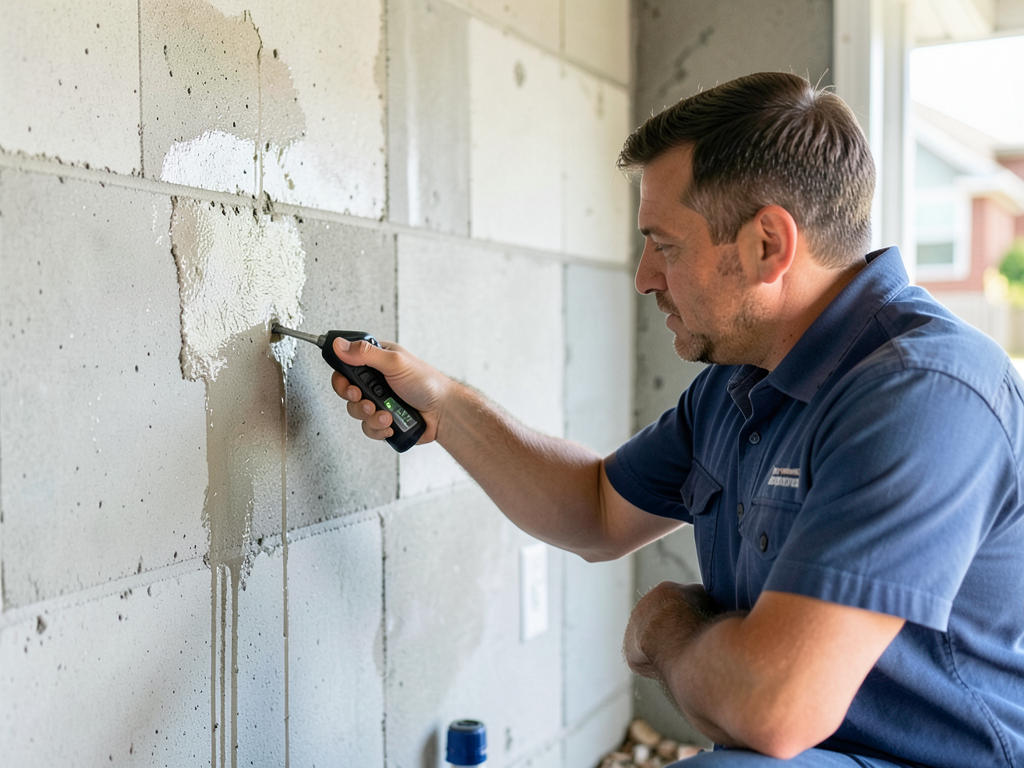
Managing Basement Moisture During the Humid Dog Days of a Buffalo Summer Your basement smells musty. The walls feel damp. You notice condensation on the windows even though it hasn’t rained in days. Buffalo summers…
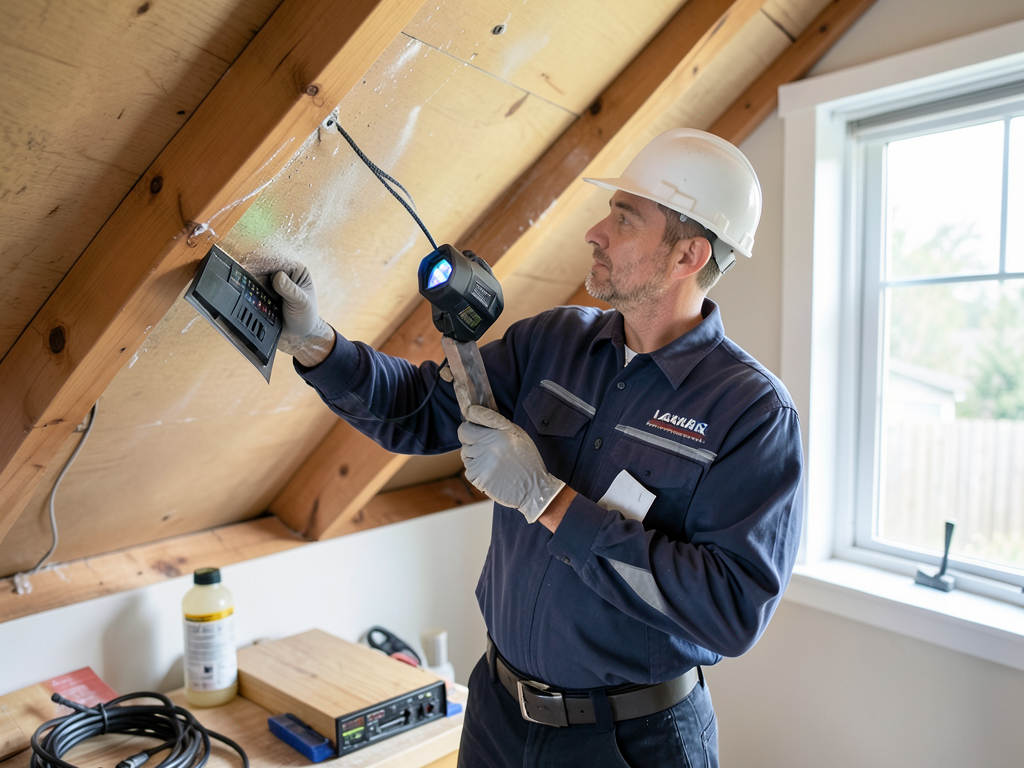
Why High Humidity in Your Lackawanna Attic is a Recipe for Structural Rot High attic…

Protecting Your Home Office Electronics After a Water Leak in Your Snyder Spare Room Water…
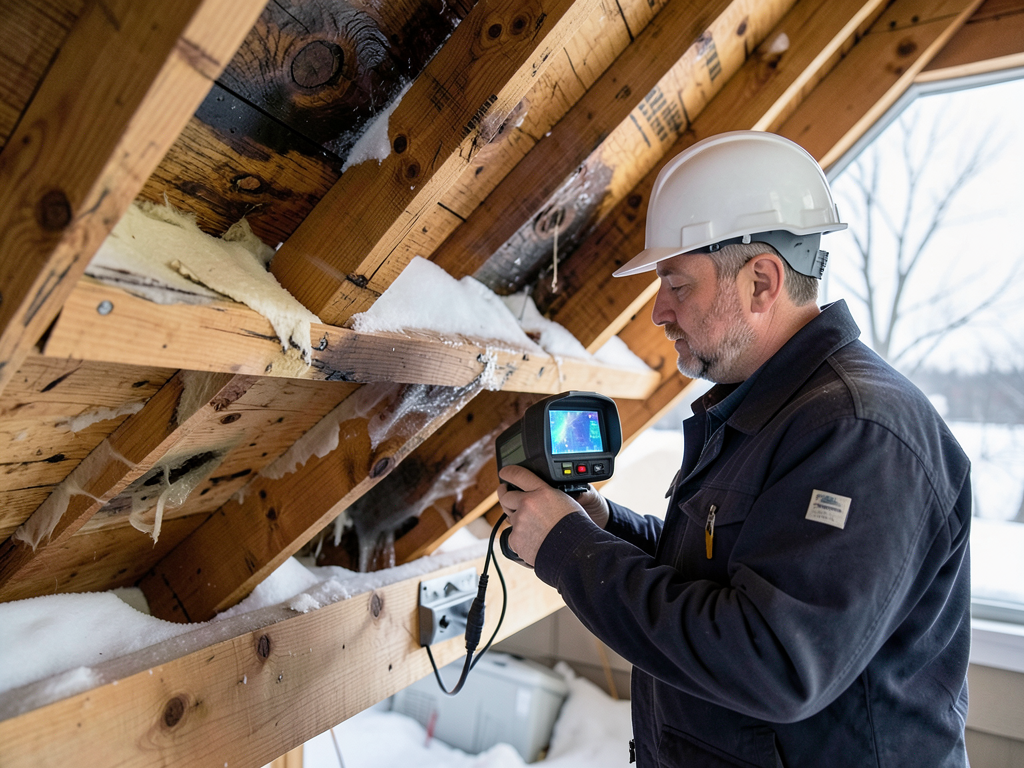
How to Tell if a Small Roof Leak is Actually a Major Mold Risk in…
Every hour you wait allows water to cause more destruction. Our Tonawanda emergency crews respond 24/7 within 60 minutes. Call (716) 317-7717 now for immediate dispatch. We answer every call, assess damage immediately, and start extraction work while coordinating your insurance claim.